Pea Puffer Tank Mates: 6 Compatible Species (and 8 to Avoid)
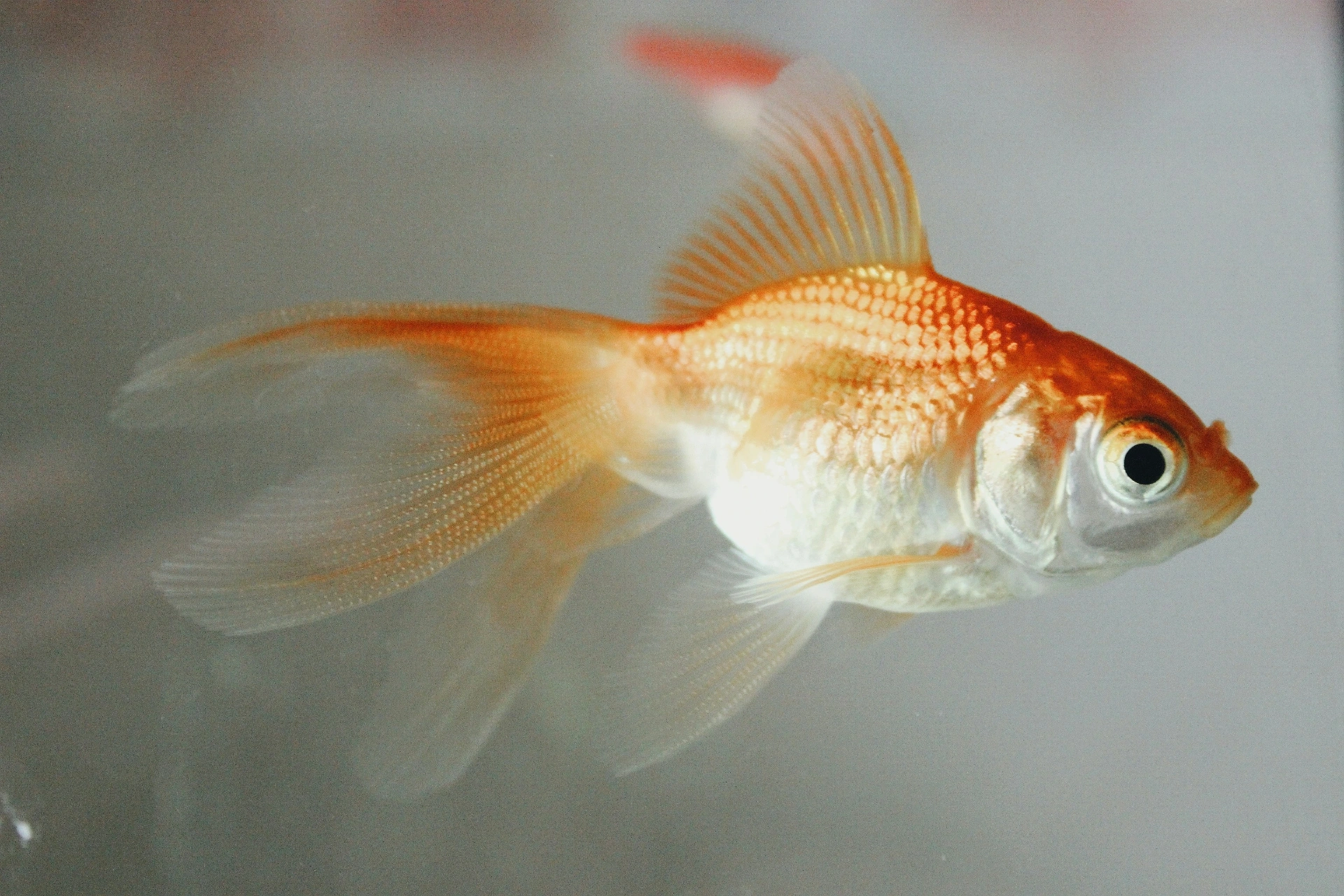
The Pea Puffer is a 3 cm predator with binocular vision, a beak, and the temperament of a fish ten times its size — which is why the honest starting position is that it is best kept on its own. It hunts by watching, approaching slowly and taking a bite, and a trailing fin or a slow-moving snail is a target rather than a neighbour. The species is flagged as a fin nipper in our database for good reason, and every pairing below is a managed risk rather than a recommendation.
Reviewed by the AquariumStocking team · Updated
The tank size that makes this work
Nipping goes down when there is distance and cover, so every tank mate question here is really a tank size question. Forty litres is the floor for one puffer on its own, and nothing on this page works if you stay at it. Our database puts the pea puffer minimum at 10 gallons.
10 gallons
One pea puffer, heavily planted, and nothing else with fins. This is a genuinely good tank rather than a compromise — a single puffer in a jungle of plants with a snail-culture jar on the side is the setup most experienced keepers end up with. Adding tank mates at this size concentrates the puffer's attention on whatever you added.
The smallest tank where either a small group of puffers or one puffer plus a bottom-dwelling crew is realistic. A 20 long gives you the floor space to break the tank into visual territories with wood, rock and dense planting, which is what keeps a puffer from patrolling the whole thing. Even here, add tank mates before the puffer if you can.
The size at which a small puffer group and a fast dither shoal can coexist with reasonable odds. More length means more places a nipped fish can go, and a bigger snail population to keep the puffers hunting instead of investigating tank mates. This is the version of the tank that fails least often.
Start from "species only" and justify every addition
Unlike most community fish, the default answer for a pea puffer is no tank mates at all. They are curious, intelligent and slow-moving hunters that investigate anything new by biting it. Every species below is listed because it survives that investigation better than average, not because the puffer benefits from having it there.
Fins decide almost everything
Long, flowing or trailing fins are the primary trigger. Guppies, bettas and fancy livebearers get their tails removed in strips, and the damage often goes unnoticed until an infection sets in. Anything you consider needs short, functional fins and preferably a body shape that does not present an obvious edge to bite.
Speed is the only real defence
Pea puffers are slow. A fish that cannot be caught is a fish that does not get bitten, which is why fast, tight-shoaling species do better here than anything placid. The catch is that frantic movement stresses the puffer and can put it off feeding, so you want fish that are quick when approached rather than constantly darting.
Swim level: the floor is the safe zone
A pea puffer hovers and hunts in mid-water. Bottom-dwellers that stay under the hardscape — kuhli loaches, small corydoras, otocinclus — are simply out of range for most of the day. That separation, not temperament, is what makes the compatible list work.
They need live snails, which shapes the whole stocking plan
Pea puffers need hard-shelled snails to wear their beaks down and rarely take flake or pellets. That means a ramshorn or bladder snail culture running alongside the tank, and it means any decorative snail you add is competing for the same identity in the puffer's eyes. Plan the food supply before you plan the tank mates.
Water parameters are the easy part
At 22–28 °C and pH 6.5–7.5 the pea puffer overlaps with most standard tropical fish, and it is entirely freshwater despite the persistent shop myth that puffers need salt. Parameters will almost never be what rules out a candidate — behaviour will.
Compatible species, ranked by fit
Ordered by how often each pairing actually survives.
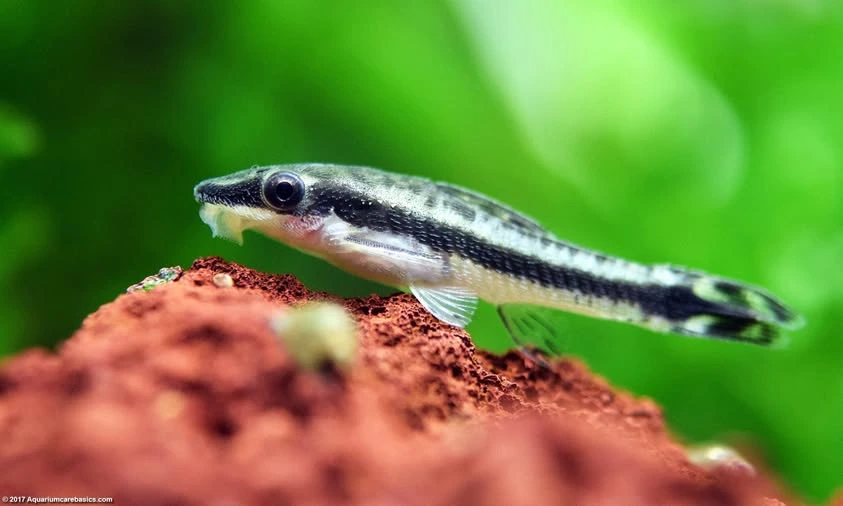
Otocinclus
Otocinclus vittatus
The most consistently successful pea puffer tank mate. Otos spend the day fixed to glass, wood and leaves, present no trailing fin to bite, and move only when they have to — none of which registers as interesting to a hunting puffer. They also handle the algae a heavily planted puffer tank grows. The risk is not the puffer but the fish: otos are wild-caught and often arrive starving, so add them only to a mature tank with real biofilm, in a group of six.
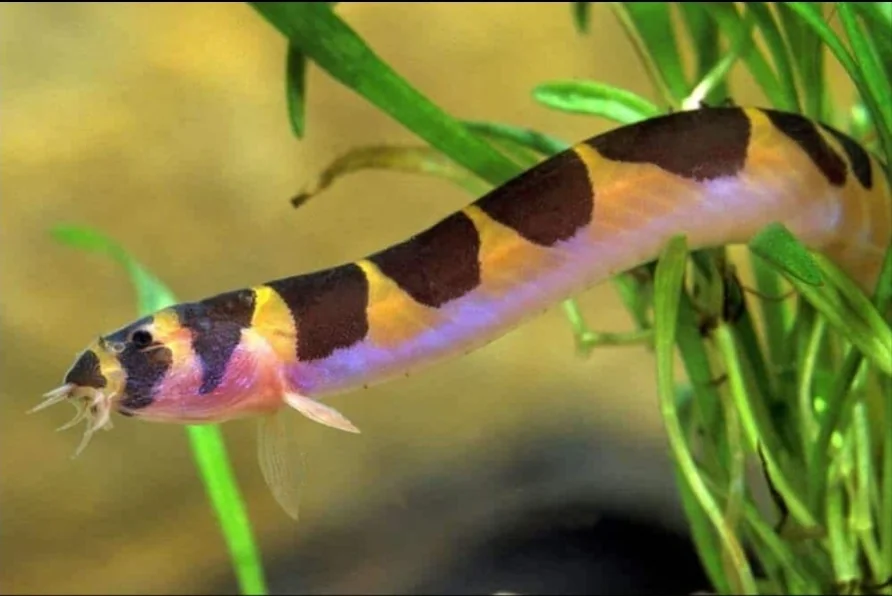
Nocturnal, eel-shaped and living under the hardscape, which puts them out of the puffer's field of view for most of the day. They also share the same warm, soft water preferences, so nothing is compromised on parameters. What can still go wrong is opportunistic: a kuhli resting in the open during the day can get a curious bite, so the tank needs enough driftwood tangles and leaf litter that they never have to. Keep six or more and seal the lid.
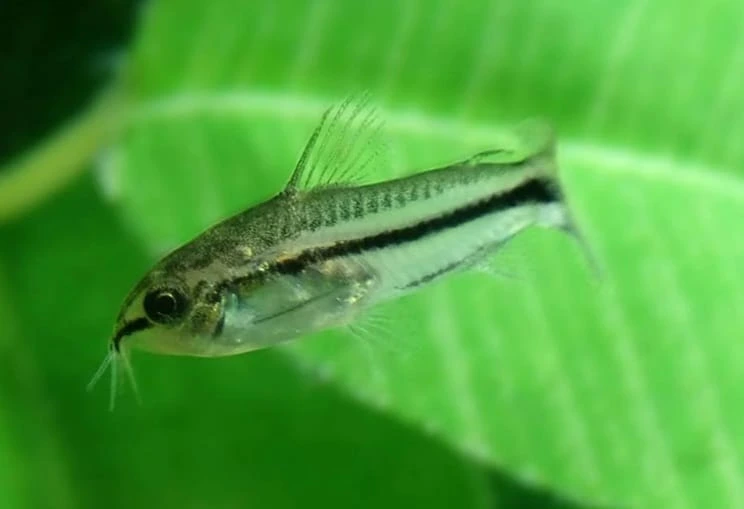
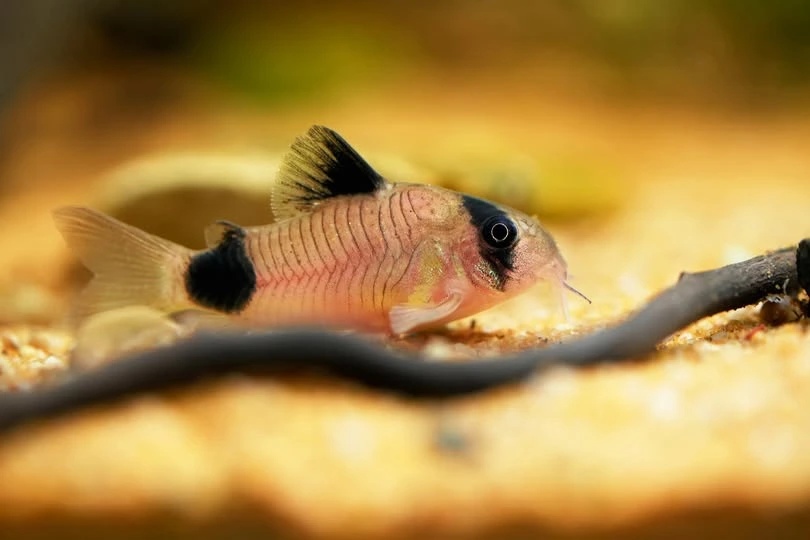
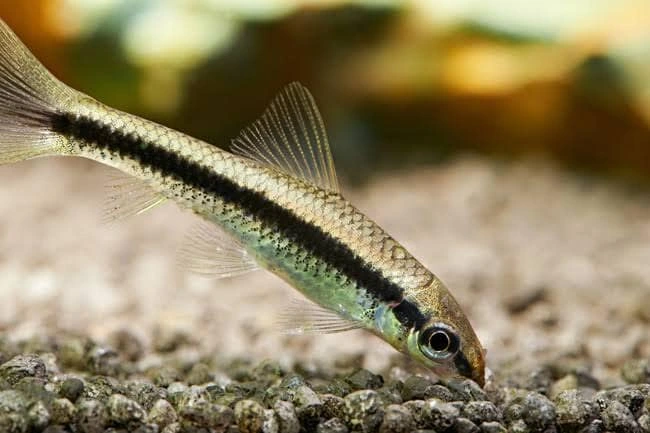
Small, quick and shoaling just above the substrate, they occupy a layer the puffer largely ignores and are alert enough to move when approached. Their short fins give a puffer nothing obvious to target. The honest caveat is size — at 2.5 cm they are in the same class as the puffer itself, so this works on speed rather than on being too big to bother. Six or more over sand, with sinking food fed after the puffer has eaten.
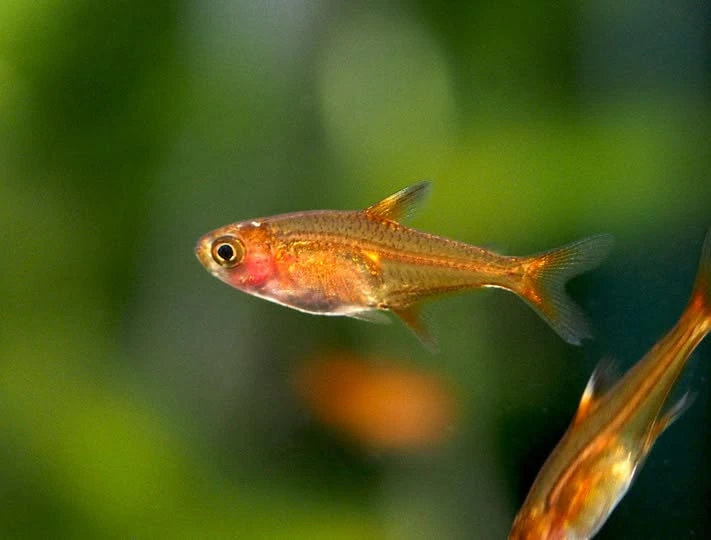
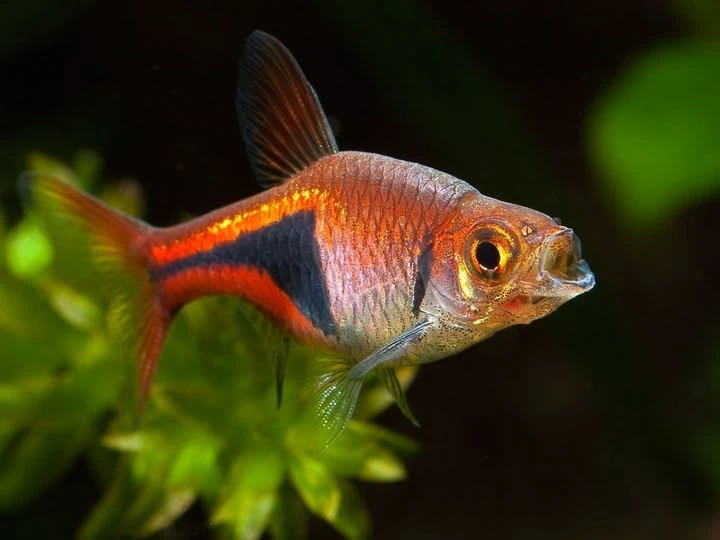
A fast, tiny mid-water shoaler with short fins and no trailing edge, which is about the best you can ask of a fish that shares the puffer's water column. In a group of ten or more they stay tight and outpace anything a puffer attempts. They are also useful dithers — visible calm fish that make a shy puffer come out and behave normally. In a small tank without cover, though, they are the first thing a bored puffer investigates.
A more substantial bottom crew than the pygmies, and being larger and armoured they shrug off the occasional investigative approach. They stay on the floor, forage constantly and keep the substrate turned over in a tank that gets messy from meaty feeding. They want the cooler end of the puffer's range, so hold the tank at 24–25 °C, and give them sand rather than gravel.
A calm, quick shoaler for the 30-gallon version of this tank. At 4 cm they are big enough not to be treated as prey and fast enough to leave when approached, and their short fins offer nothing to nip. They need a group of eight or more and open mid-water to use, which is exactly the space the puffer patrols — so this pairing depends on tank length more than any other on the list.
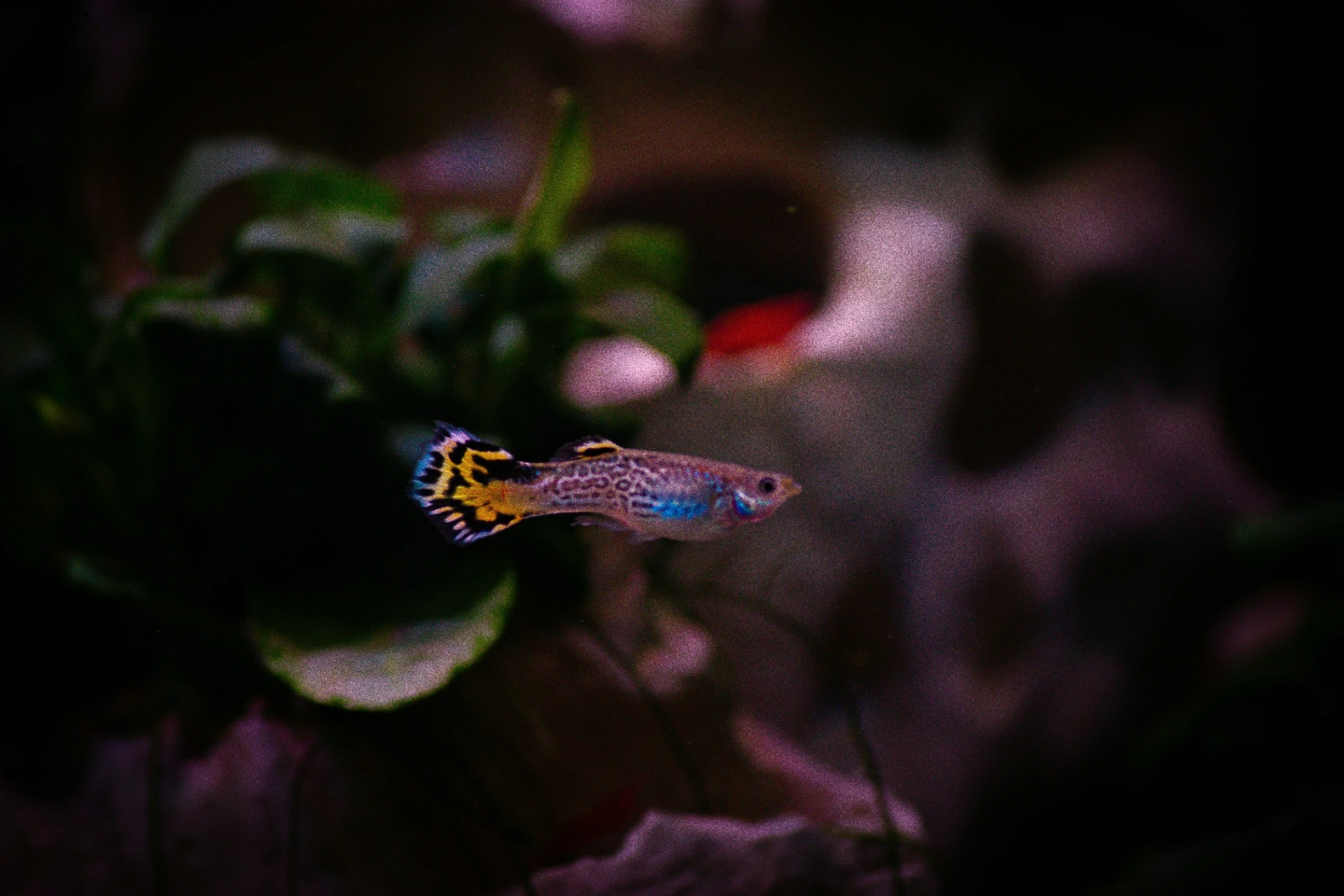
The worst possible fin shape in front of the most persistent nipper in the nano hobby. A male guppy's tail is large, slow, brightly coloured and hangs behind the fish like a flag; pea puffers strip it within days and the fish dies of the resulting infection rather than the bite. Guppies also want harder, more alkaline water than a pea puffer does.
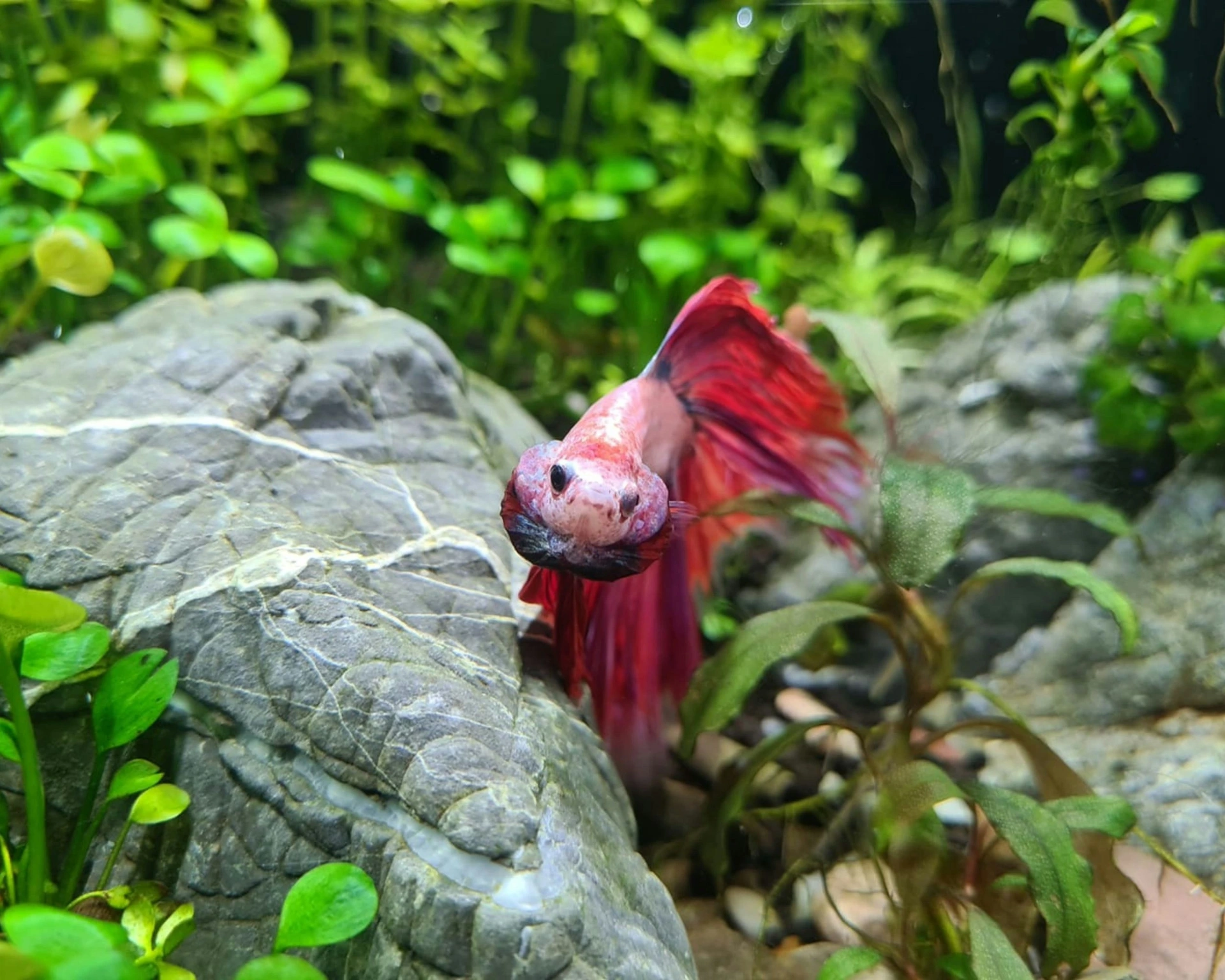
Two slow, territorial fish with strong opinions about their own space, one of which is a compulsive nipper. The betta cannot escape and its trailing fins are an open invitation, while the betta's own display behaviour keeps the puffer engaged. Both species also do genuinely well alone, which makes the risk pointless.
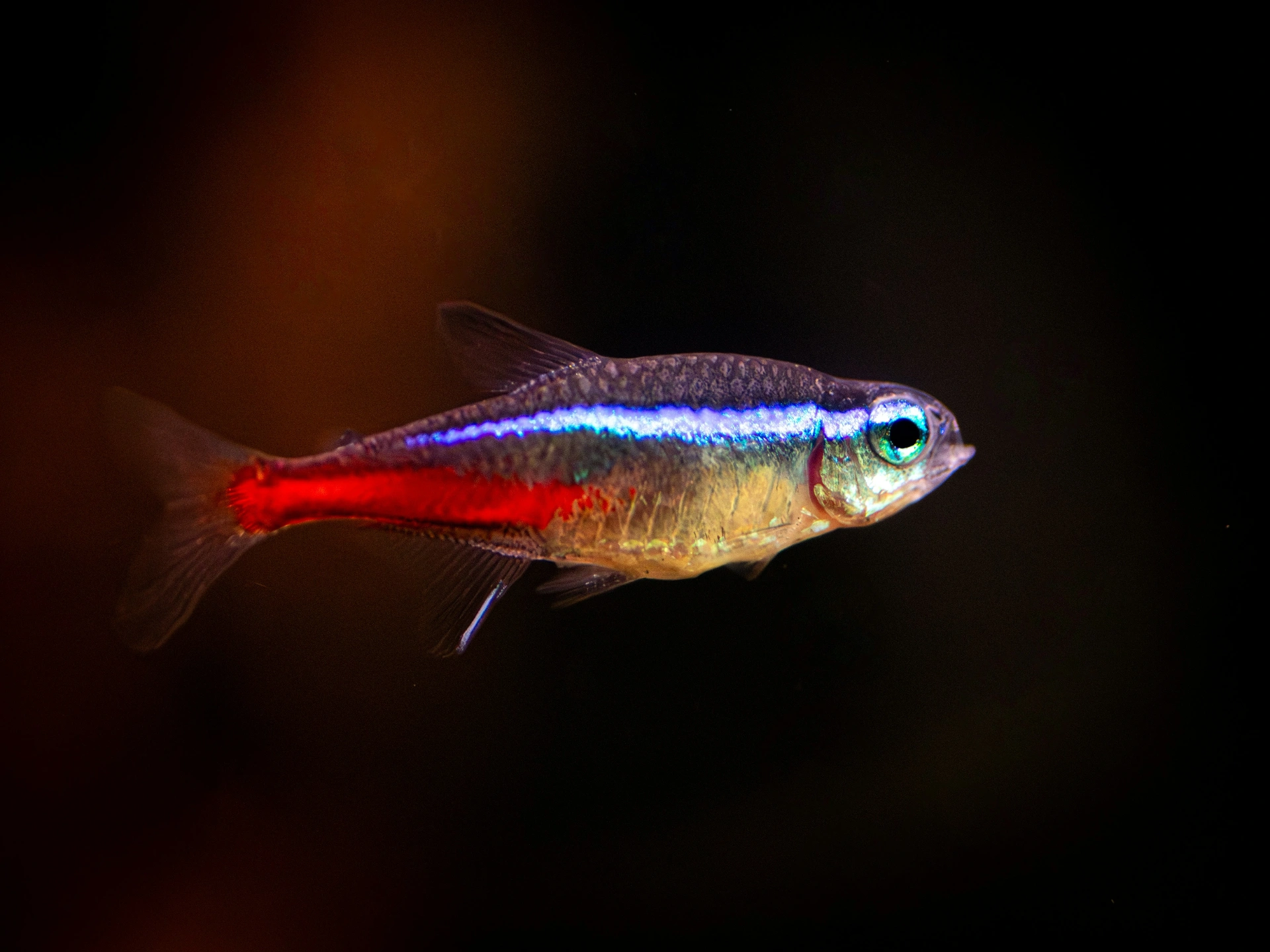
Frequently suggested and reliably wrong. Neons are small enough to be treated as prey by a determined puffer, they cruise the same mid-water the puffer patrols, and they prefer cooler, more acidic water than a pea puffer thrives in. In a nano tank there is nowhere for them to get away from a fish that hunts by patient approach.
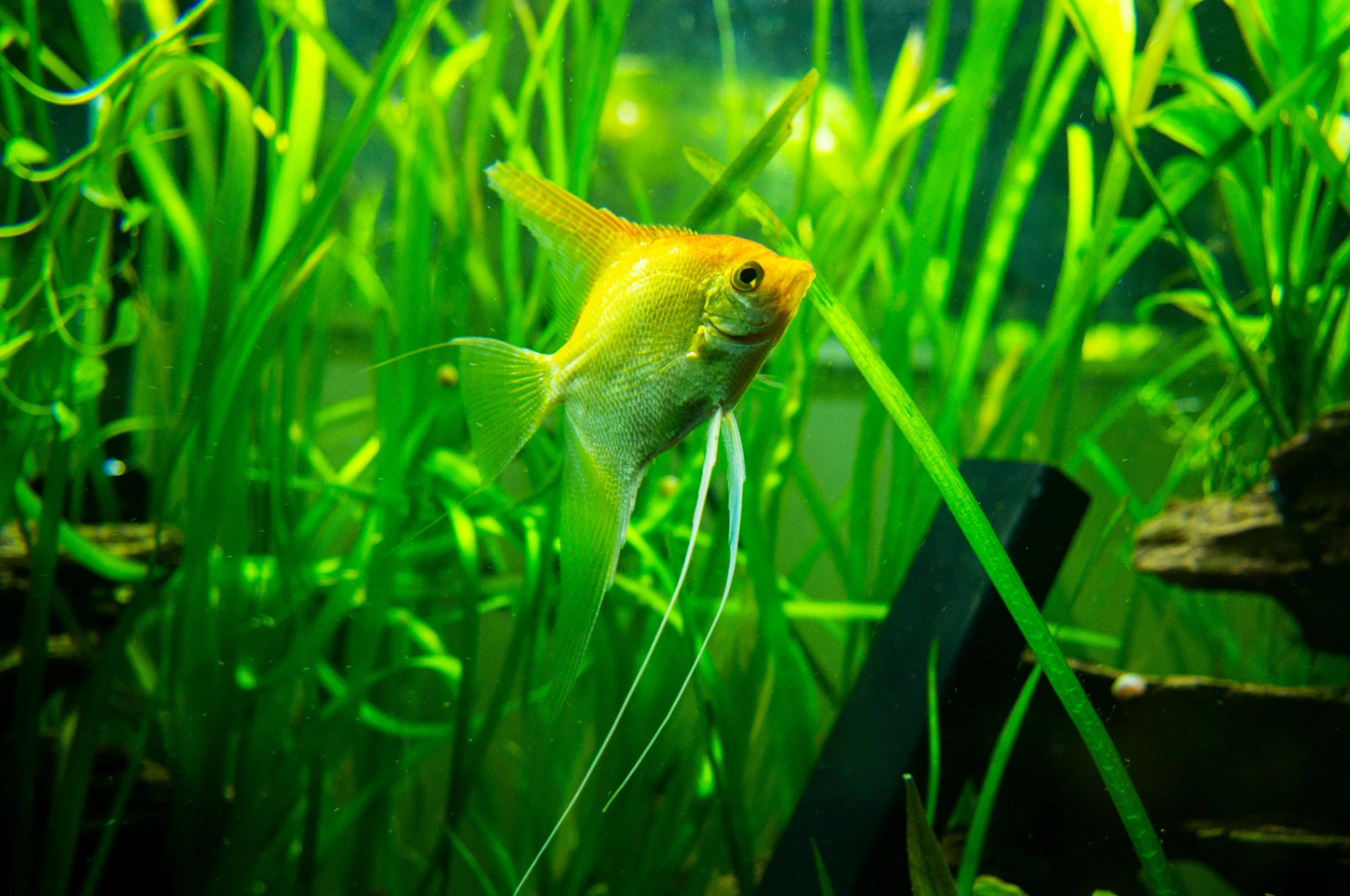
A 15 cm cichlid in a tank sized for a 3 cm puffer is a mismatch in both directions: the angelfish needs 40 gallons and a tall footprint, and the puffer will nip at the long ventral filaments of a much larger fish that cannot avoid it. Aggression from a spawning angelfish then falls on a fish with no way to leave.
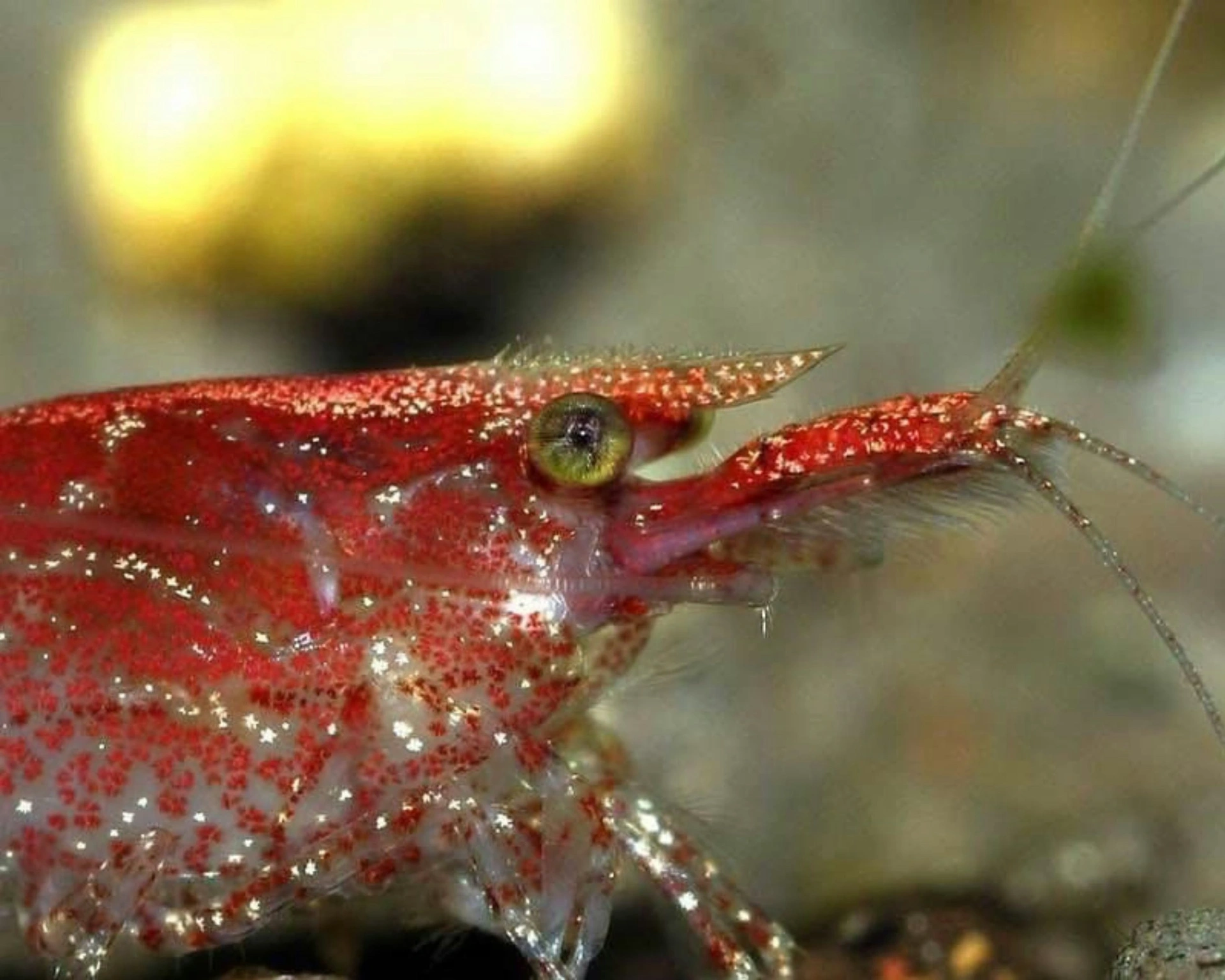
Pea puffers eat shrimp deliberately and efficiently, and unlike a betta they will pick through planting to do it. A cherry colony in a puffer tank is a feeding schedule, not a population. If you want the cleanup, use large adult amanos and accept losses.
Reaches 15 cm and needs a 30-gallon-plus footprint, which is already outside the tank a pea puffer belongs in. It is also fast, busy and constantly in motion across every surface — the kind of restless presence that keeps a slow ambush hunter agitated. A group of otocinclus does the same algae job at a fraction of the disturbance.
A cool-water fish at 18–24 °C with heavy bioload, trailing fins and a body a puffer will happily bite. There is no temperature at which both are comfortable, and the tank size and filtration each needs pull in opposite directions. The pairing appears in shops because both are sold as small fish; nothing else about it works.
A 14 cm hard-water livebearer with an extended tail filament — the single most obvious thing in the tank to bite. It also needs alkaline water well outside the pea puffer's preferred range and far more swimming length than a puffer tank provides.
With a puffer this curious, these succeed or fail on one animal's temperament. Give each a week of watching before you commit.
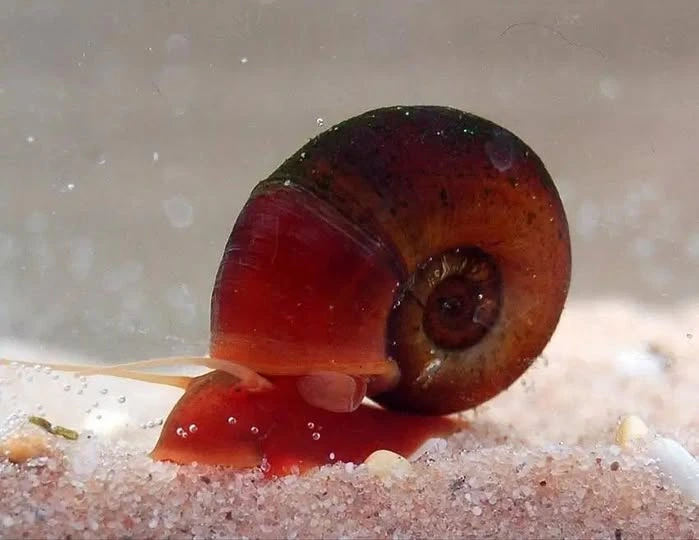
Ramshorn Snail
Planorbella duryi
Condition: Add them as food, not as tank mates
Ramshorns are the standard pea puffer staple: soft-shelled enough to eat, prolific enough to keep up with demand, and exactly what keeps a puffer's beak in shape. They belong in the tank as a self-renewing food source, and in a separate breeding jar so the supply never runs out. What they will not do is survive as pets — if you wanted a decorative snail population, this is the wrong tank for it.
Condition: Full-grown adults only, in a mature planted tank
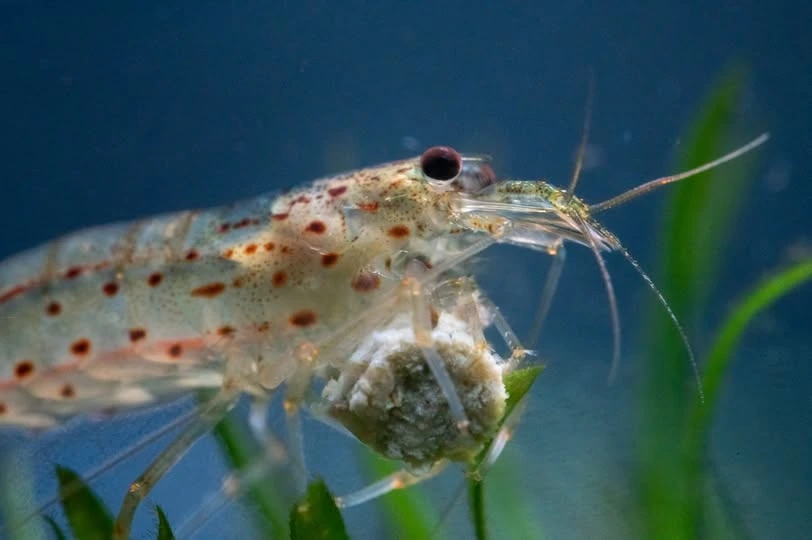
Large adult amanos are the only invertebrate that regularly survives a pea puffer, because they are fast, tough and big enough that the puffer's beak cannot do much. Even then, expect losses during moults when the shell is soft, and provide moss and driftwood caves to moult in. Smaller shrimp species, and juvenile amanos, are simply food.
Condition: Sometimes safe because of the hard shell and operculum — watch for pecking
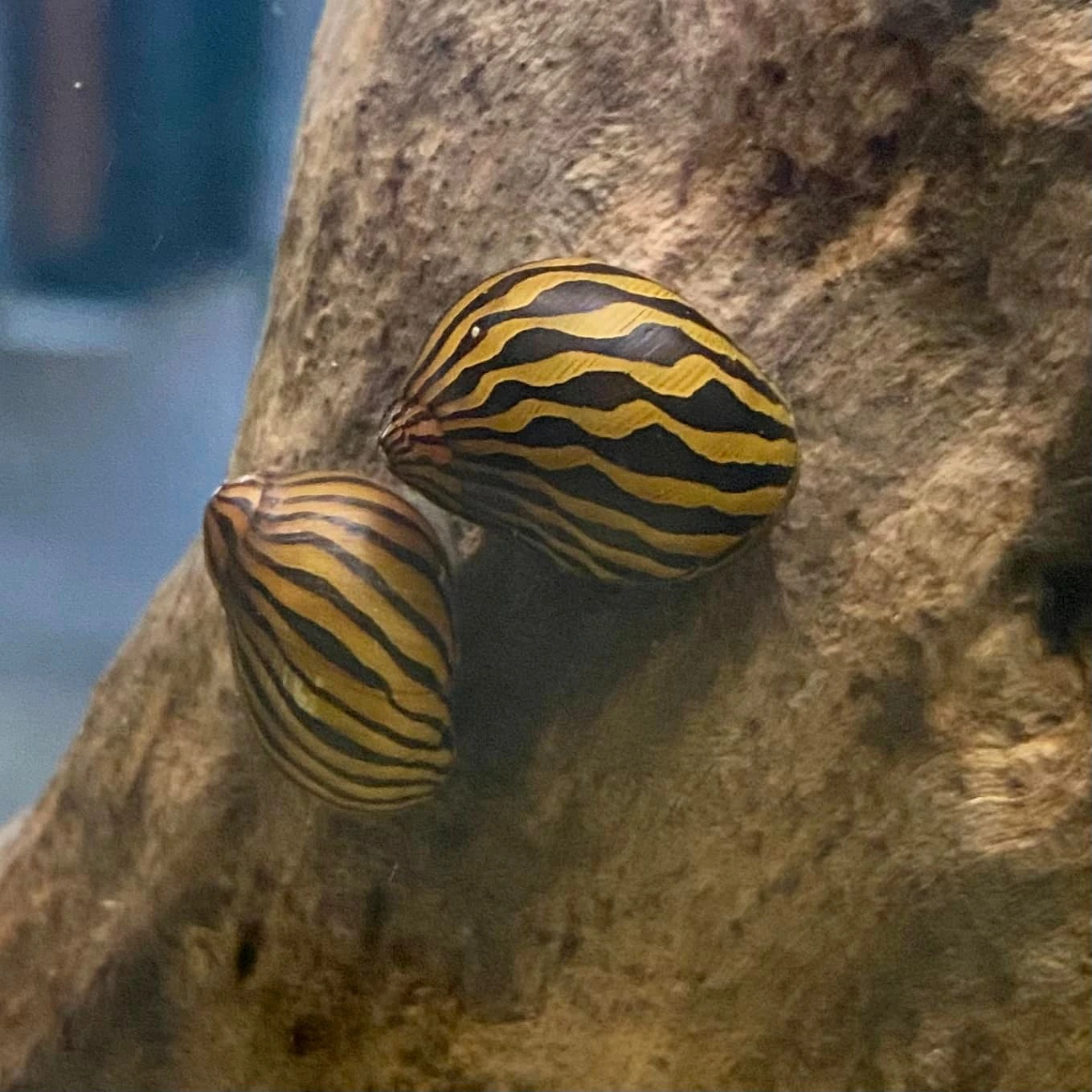
A nerite's hard shell and trapdoor make it a poor target compared with a soft ramshorn, and many puffers give up after a few attempts. Others keep picking at the antennae and foot until the snail stops feeding. It comes down to the individual puffer, so add one, watch for a week, and remove it if the snail stays retracted. Do not rely on it for algae control in this tank.
Drop your tank size and shortlist into the stocking calculator to check bioload, swim-level balance and compatibility flags.
Frequently asked questions
Can pea puffers live with other fish?
Sometimes, but the default should be no. Pea puffers are slow-moving nippers that investigate everything by biting it, and most successful keepers run them as a species-only tank. If you do add tank mates, choose fast short-finned fish or bottom-dwellers that stay out of mid-water, and give the tank enough length and planting to break sightlines.
How many pea puffers can I keep together?
They can be kept in a group, but it needs space and cover: plan on roughly five gallons per puffer beyond the first, dense planting, and a female-biased ratio because males spar with each other. In a 10 gallon, one puffer is the right answer. In a 20 long, a small group with plenty of visual barriers is workable.
Do pea puffers need snails?
Yes, in practical terms. They rarely accept dry food and their beaks keep growing, so hard-shelled snails — ramshorn and bladder snails especially — are both the staple diet and the way the beak stays worn down. Keep a separate snail culture running so you are never short, and supplement with frozen bloodworms and brine shrimp.
Can pea puffers live with shrimp?
Cherry shrimp and other small species are food. Full-grown amano shrimp are the exception that sometimes survives, because they are large, fast and hard-shelled, but expect losses during moults. Never stock shrimp in a puffer tank expecting a stable colony.
Do pea puffers need salt in the water?
No. Despite the shop myth that all puffers are brackish, Carinotetraodon travancoricus is a true freshwater species from Indian rivers and lakes, and adding salt does it no good. Keep it in standard soft-to-neutral freshwater at 22–28 °C.
What is the minimum tank size for a pea puffer?
Our database puts the minimum at 40 litres, around 10 gallons, for a single puffer in a heavily planted tank. That size supports the puffer well but leaves no room for tank mates. If you want a puffer plus a bottom crew or a small group of puffers, start at 20 gallons long.
Can pea puffers live with a betta?
No. The betta's trailing fins are exactly what a pea puffer targets, and the betta is too slow to avoid it in the nano tanks both are kept in. Both species also do perfectly well alone, so there is nothing to gain from the risk.
Why is my pea puffer attacking its tank mates?
Usually because it is bored, hungry, or the tank is too small to have any space it does not already own. Increase the live snail supply so hunting takes up part of the day, add dense planting and hardscape to break the tank into zones, and check that the tank mates you chose have short fins and can outpace it. If the nipping continues, the puffer needs to be the only fish in the tank.