Betta Tank Mates: 8 Compatible Species (and 8 to Avoid)
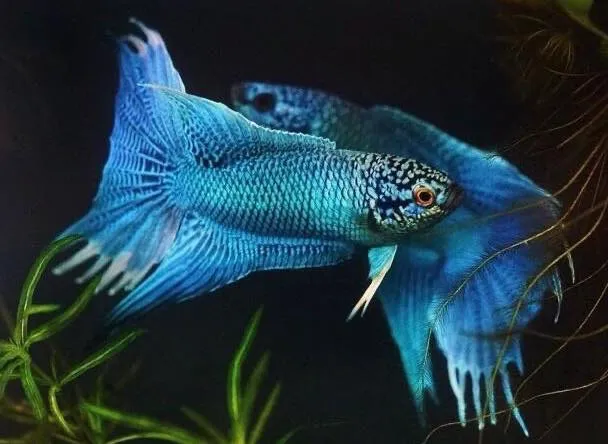
A Betta is a solitary, slow-moving ambush predator with fins built for display rather than speed, and almost every failed community tank built around one fails for that single reason. He does not need company, so every tank mate you add is a risk you are choosing to take — the question is whether the fish you add can ignore him and survive being noticed. Water parameters are rarely the problem; speed, colour and fin shape are. Individual males vary enormously, so treat every list below as a starting point rather than a guarantee.
Reviewed by the AquariumStocking team · Updated
The tank size that makes this work
Tank size decides this more than species choice does. A betta claims territory near the surface and needs somewhere for a chased fish to break line of sight, and floor space is what buys you that. Our database puts the betta minimum at 5 gallons.
5 gallons
This is a single-betta tank, and that is a complete stocking plan rather than a compromise. There is no room for a shoal of anything, and adding two or three of a schooling species is worse than adding none — under-grouped fish get nervous, dart, and a darting fish is exactly what triggers a betta. A snail or a small clean-up crew is the realistic ceiling here.
Ten gallons opens up one small bottom-dwelling group — pygmy corydoras or a handful of kuhli loaches in a heavily planted layout — and nothing else. It still does not give a mid-water shoal enough room to stay out of the betta's way, so treat this as "betta plus one quiet crew", not a community tank.
This is the first size where a real betta community works. A 20 long gives you a footprint the betta cannot patrol all at once, room for a proper group of small mid-water fish plus a bottom crew, and enough planting to break sightlines. If you want a betta with tank mates and you are still choosing a tank, buy this one.
A betta reacts to what looks like another betta. Long trailing fins, red and blue flashes, and anything that flares back at him will keep him in display mode, and a permanently flaring fish stops eating and burns out. This rules out male guppies and most fancy livebearers on appearance alone, regardless of how peaceful the species is described as being. Muted, small, plainly-shaped fish are the safe end of the scale.
Speed and nipping run in both directions
A betta trails fins that fast fish find irresistible, so any species with a nipping reputation is out. But the reverse is just as common: fish that dart constantly stress a slow fish that cannot escape them, even without a single bite. That is why frantic species get excluded here even when the water parameters line up perfectly.
Swim level buys you peace
Bettas own the top third of the tank and rest near the surface. Bottom-dwellers — corydoras, kuhli loaches, otocinclus — are the most reliable tank mates because they simply live somewhere else. Mid-water shoals work in a big enough footprint; surface-dwelling fish almost never do.
Water parameters overlap with almost everything
At 24–28 °C and pH 6.5–7.5 a betta sits in the middle of standard tropical community conditions, so parameters rarely eliminate a candidate. The exceptions are hard-water livebearers kept at pH 8+, cool-water species like white clouds, and anything that wants discus heat. Check the range on each card below rather than assuming.
Adult size, not shop size
A betta is about 7 cm and will eat anything he can fit in his mouth, so tiny fish are prey and larger fish are a threat. The workable band is roughly 2–6 cm of calm, non-flashy fish. Anything sold as a "small" cichlid or gourami is a territorial competitor once grown.
Temperament data has limits — plan an exit
Every list on this page describes typical behaviour, and a meaningful minority of male bettas will not tolerate any tank mate at all. Before you add anything, have a second heated, cycled tank or a divider ready. If the betta is still flaring after a week, the experiment has failed and moving him is the answer, not waiting it out.
Compatible species, ranked by fit
Ordered by how reliably each species is ignored by a betta, with the safest bets first.
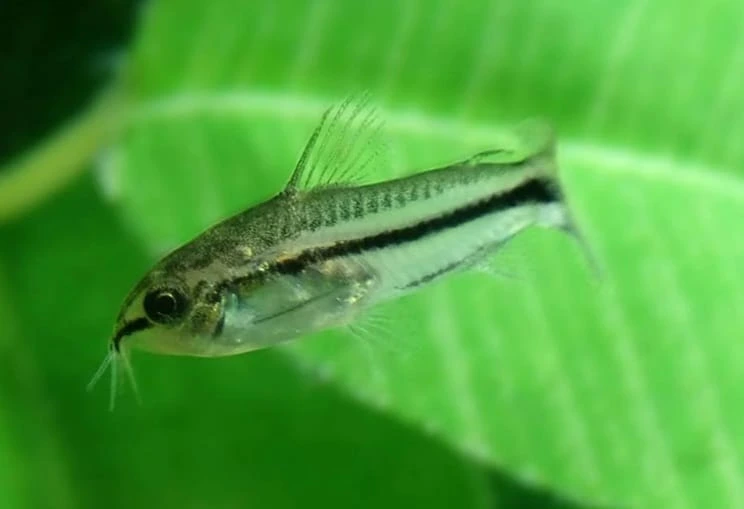
Pygmy Corydoras
Corydoras pygmaeus
The single most reliable betta tank mate in the database. They stay under 3 cm, shoal loosely just above the substrate, and are drab enough that most bettas never register them as rivals. The catch is that they need a group of six or more to behave normally and sand to forage over, so they are a stocking commitment rather than a couple of cheap additions. Feed sinking food deliberately — a surface-feeding betta will happily take everything before it reaches them.
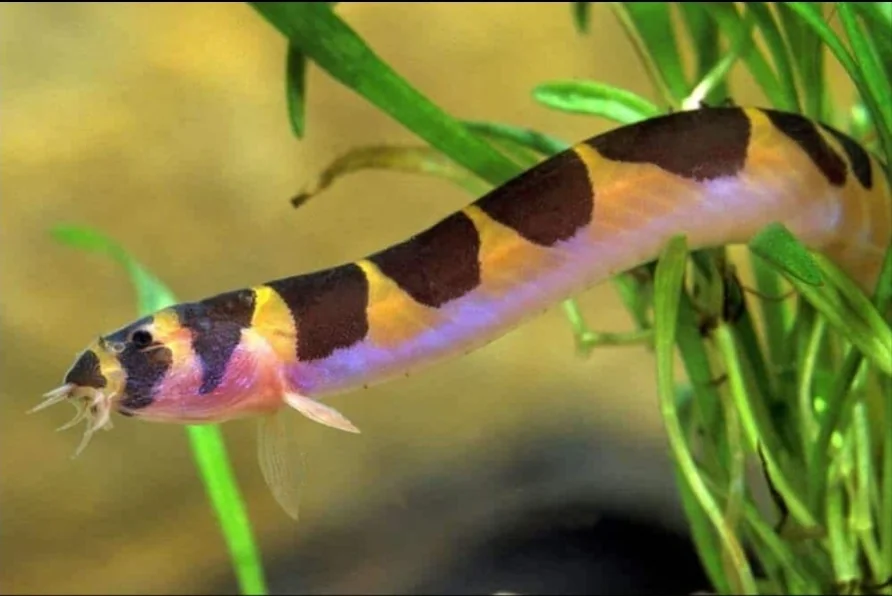
Eel-shaped, nocturnal, and living entirely in the layer of the tank a betta ignores, which makes them close to invisible from a conflict point of view. They want soft warm water in the same range a betta enjoys, so the parameters line up without compromise. What can go wrong is entirely husbandry: kept in ones and twos they hide permanently and you will worry they have died, and they escape through any gap in the lid. Six or more, sand substrate, sealed hood.
The best mid-water option when you have the footprint for it. They are calm shoalers rather than darters, their copper-and-black colouring is muted enough not to provoke display behaviour, and they hold together as a group instead of scattering into the betta's space. They need a real shoal of eight or more and a 20-gallon footprint to do that. In anything smaller they break up, and loose individuals are what get chased.
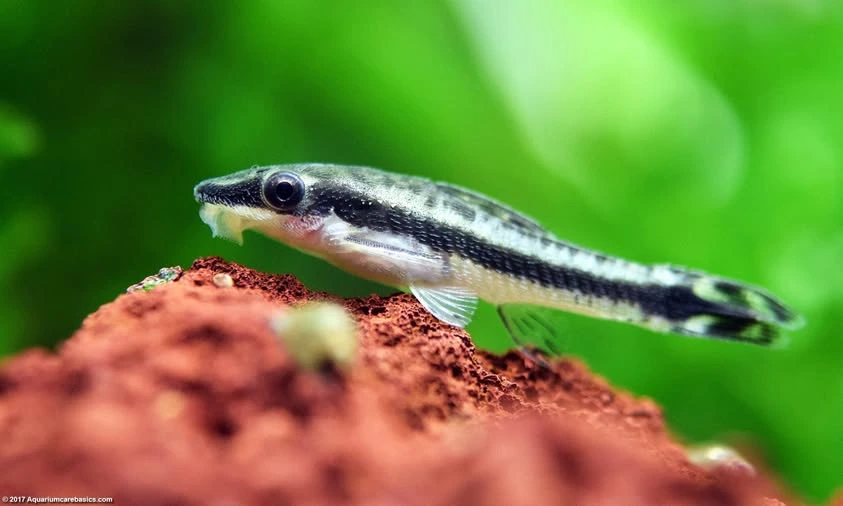
A tiny algae grazer that spends its day stuck to glass and leaves, well out of the way. It is peaceful to the point of being defenceless, which here is an advantage — nothing about it triggers a betta. The real risk is not the betta at all: otos are wild-caught, often arrive starving, and die in new tanks with no biofilm. Add them only to a mature, established tank and supplement with vegetable wafers.
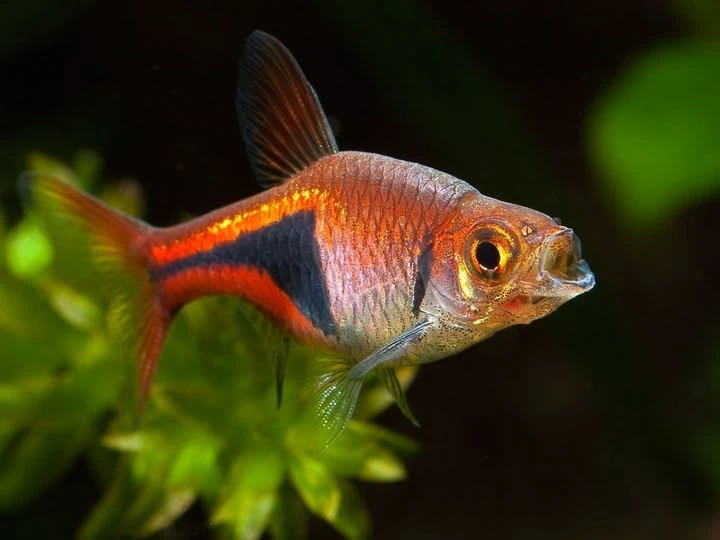
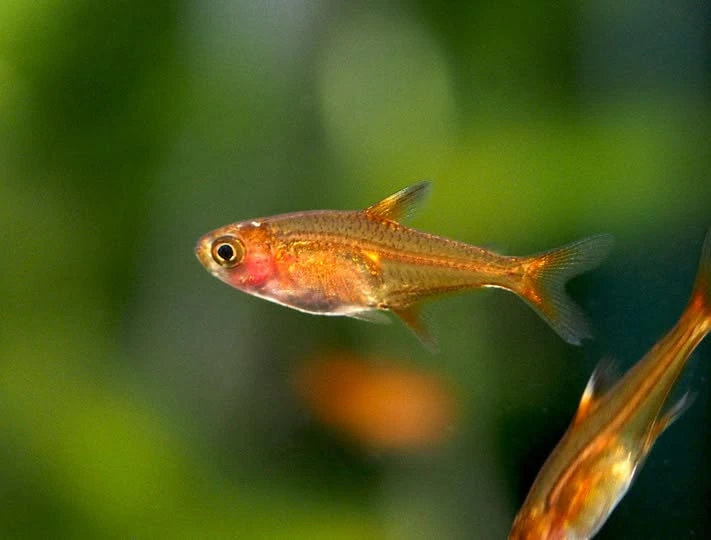
Small, warm-water and slow by tetra standards, which is a rare combination. They shoal in the middle of the tank and their orange glow is diffuse rather than the sharp iridescent stripe that sets a betta off. Keep eight or more so they stay together and confident. Some bettas still object to any fish in open water, so this one is more likely to work than the average tetra but is not a guarantee.
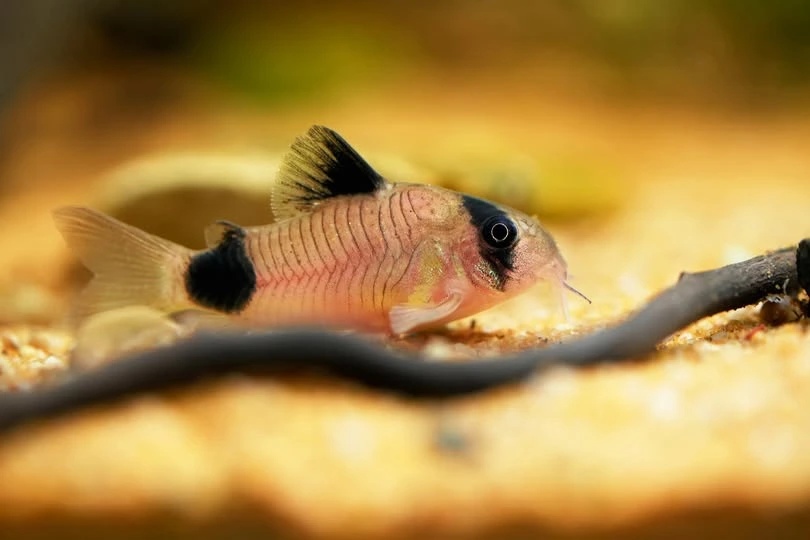
A slightly larger cory than the pygmy and a good pick if you want a bottom crew you can actually see. They are busy but not frantic, they stay on the floor, and they tolerate the same temperatures a betta wants at the lower end of their range. They prefer cooler water than most tropicals, so keep the tank at 24–25 °C rather than pushing it up, and give them sand — sharp gravel wears down their barbels.
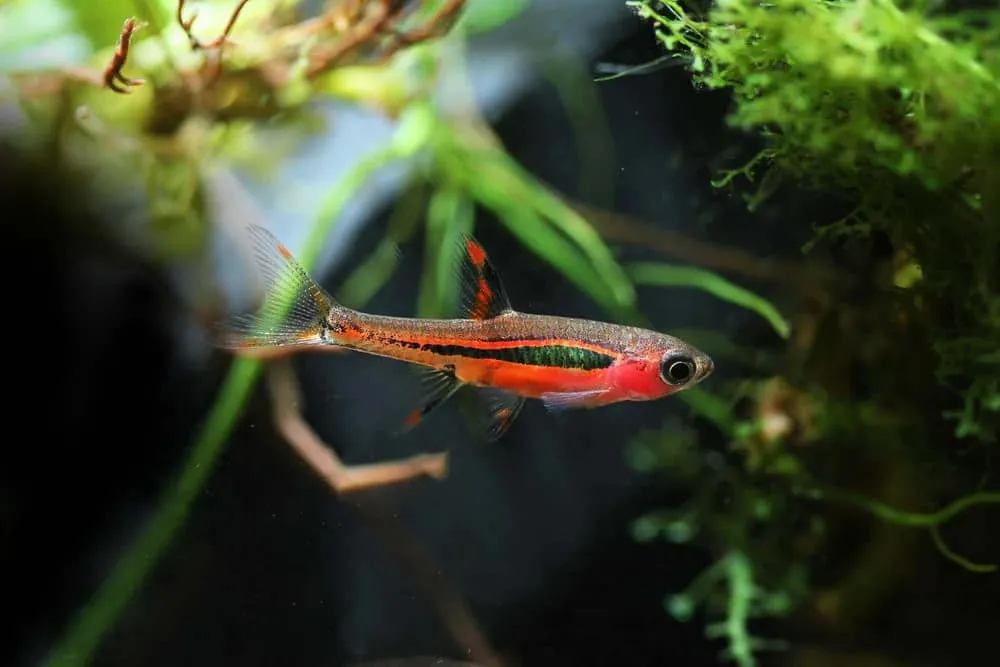
At around 2 cm this is one of the few genuinely nano shoalers, and it works in a smaller planted tank than a harlequin needs. They are shy, stay tightly grouped in the middle and lower water, and prefer the same soft acidic water a betta comes from. The obvious risk is size: a large male betta can swallow one. Keep them only with a betta that has already shown no interest in chasing, and plant heavily.
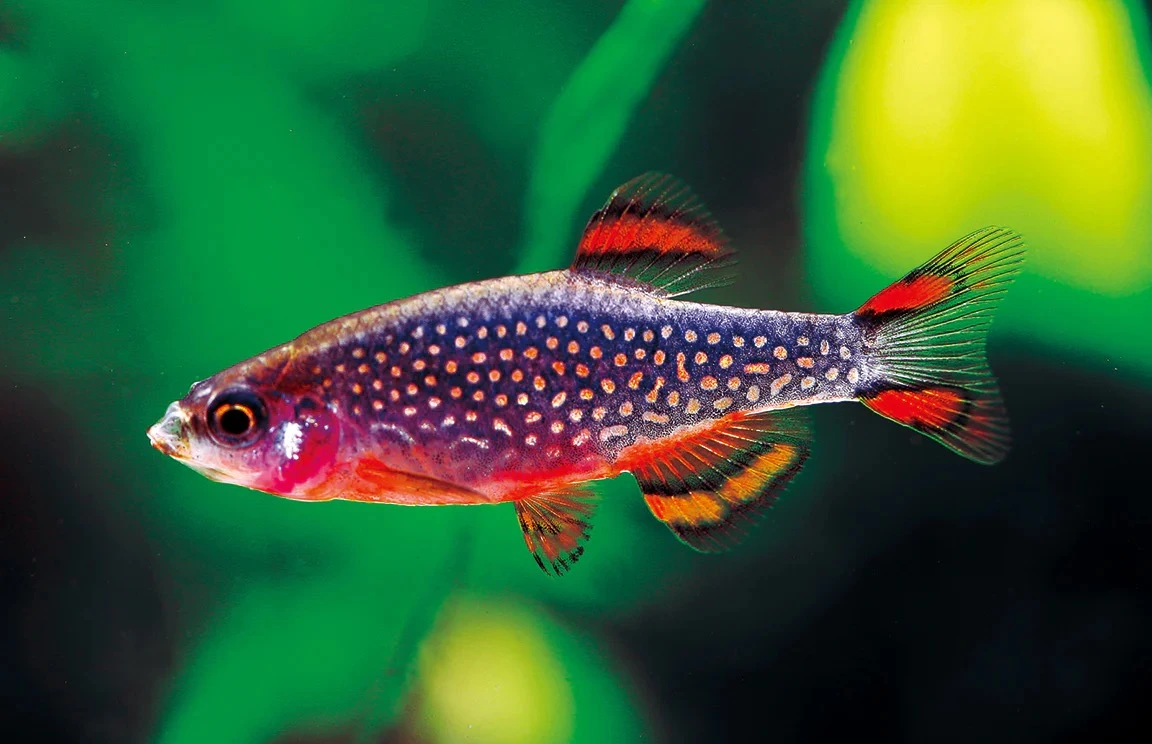
Spotted, small and slow-moving in a way that few danios are, which puts them on the workable side of the line. They stay low in dense planting and spend most of their time sparring harmlessly with each other rather than approaching the surface. Males do flash red fins during display, and that is the one thing that can pull a betta into the argument. A well-planted 20 gallon with plenty of cover is the setting where this pairing holds.
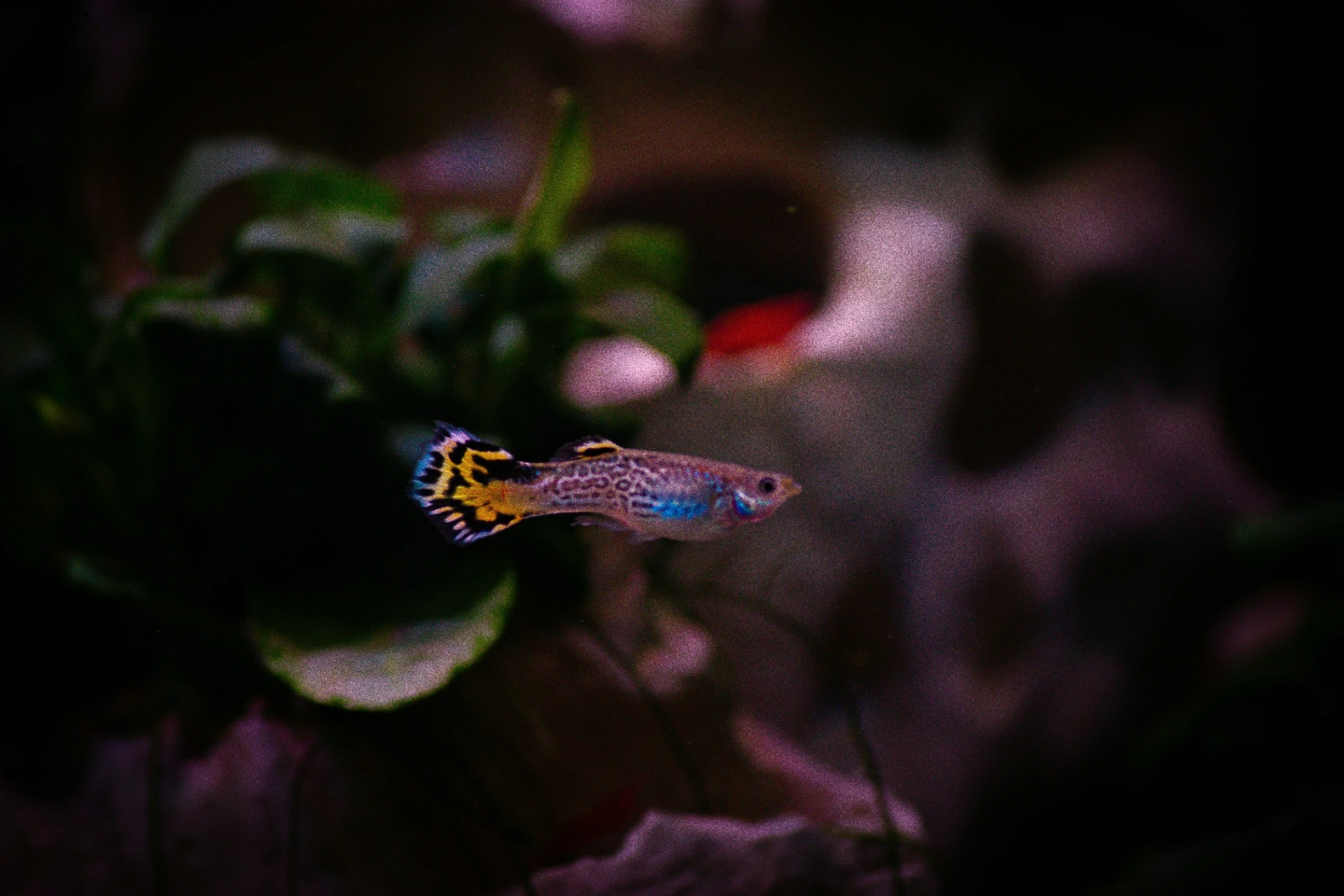
The most common betta mistake, and one the species data flags directly. Male guppies carry long, brightly coloured trailing fins — the exact silhouette a betta reads as a rival male — so they either get attacked or provoke constant flaring. Guppies also prefer harder, more alkaline water than a betta does, so even the calm outcome is a compromise for one of them. Female-only groups fare slightly better but still get chased in anything under 20 gallons.
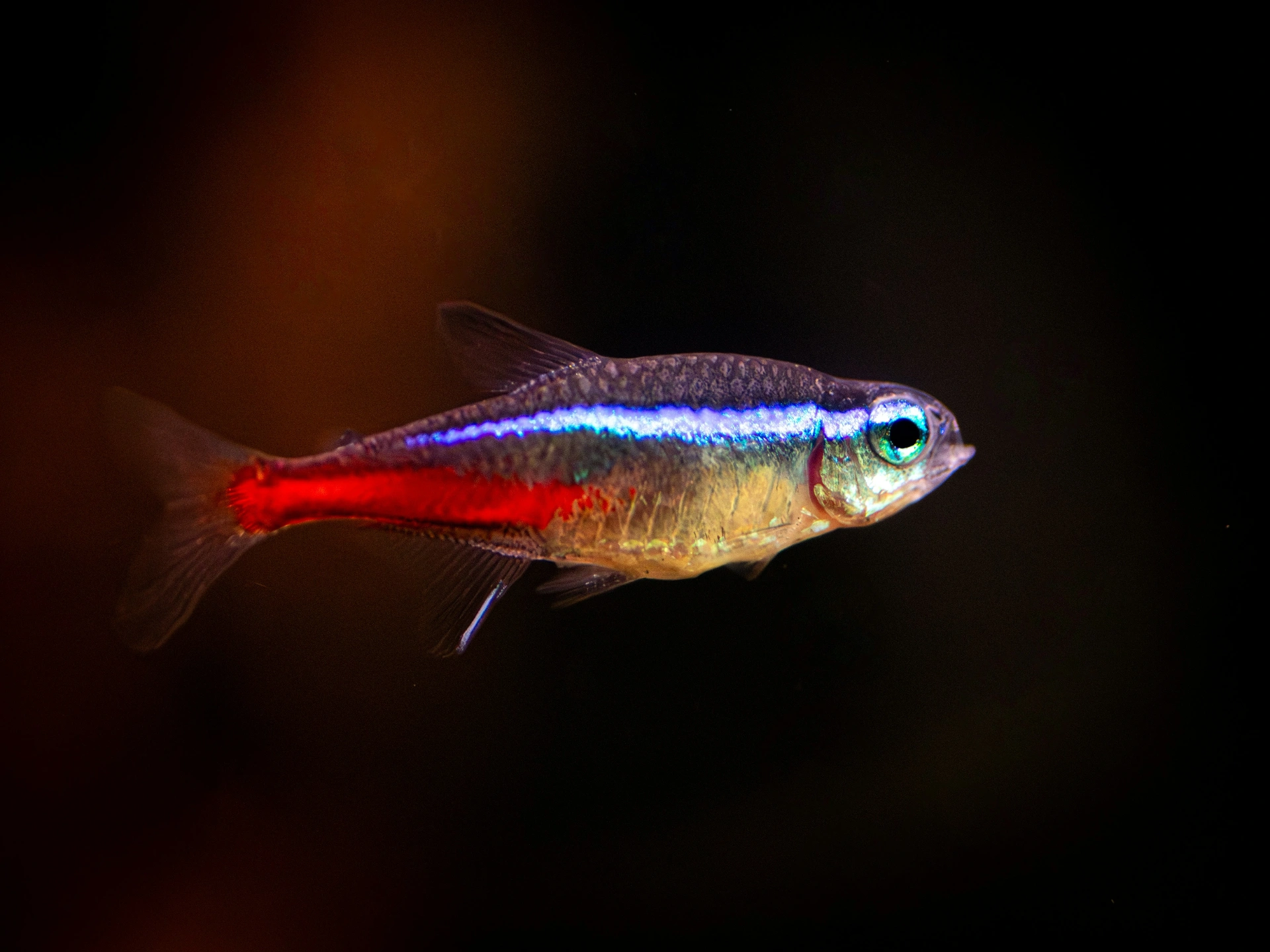
Sold as the default community fish and recommended alongside bettas constantly, which is why so many people lose them. Neons are fast, they dart in short bursts, and in small groups they nip at trailing fins — a slow betta cannot get away from either behaviour. They also want cooler, more acidic water than a betta thrives in. The pairing sometimes survives in a large planted tank with a big shoal, but it is a gamble with no upside.
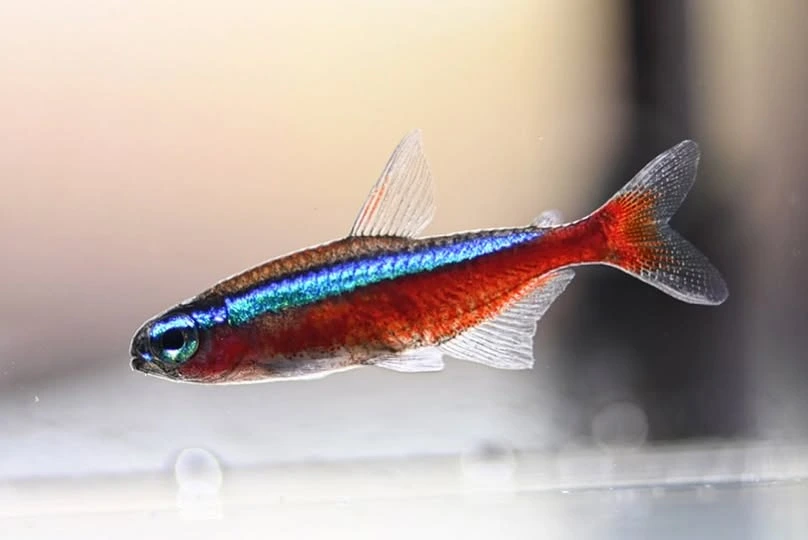
Everything that rules out the neon applies here, with the added problem that cardinals want distinctly soft, acidic and warm blackwater conditions at the edge of a betta's comfortable range. The strong red-and-blue banding is also the worst possible colour signal to put in front of a display-driven fish. If you want a red mid-water shoal, this is not the route to it.
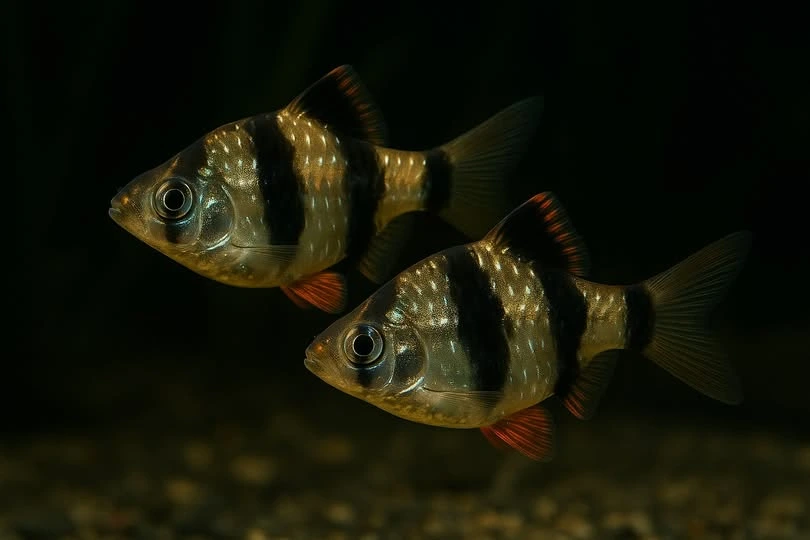
Flagged as a fin nipper in the database, and the reputation is entirely deserved. Tiger barbs nip as a group activity, they are fast, and a long-finned slow fish is the first thing they find in a tank. Even a large group — which reduces nipping among themselves — will not stop them from stripping a betta's fins. There is no tank size or planting scheme that makes this work.
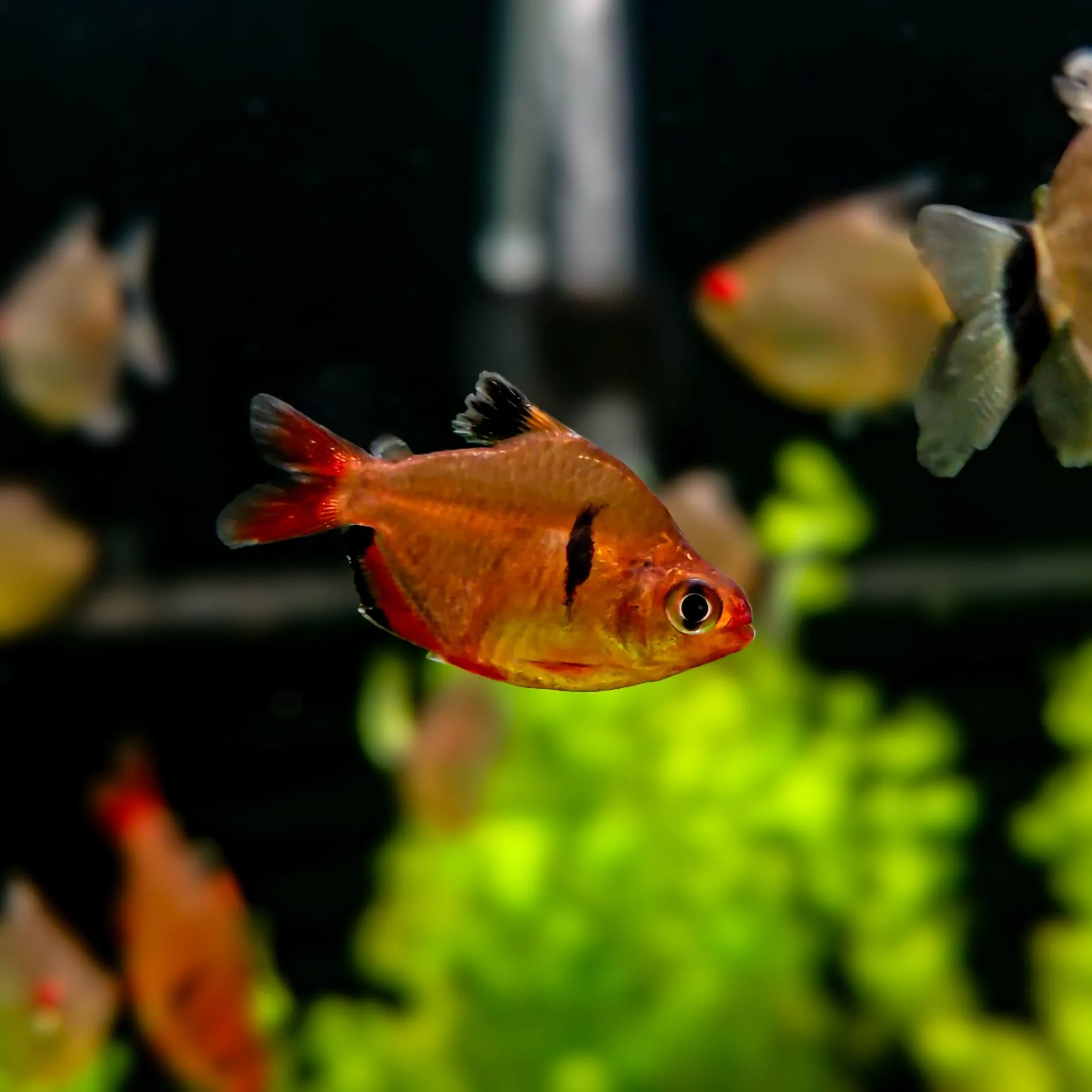
A quieter-looking fish with the same problem as the tiger barb: persistent, opportunistic fin nipping that gets worse in the small groups most people buy. Serpaes also squabble constantly among themselves, and that background level of chasing keeps a betta agitated. The deep red body colour adds a second provocation on top of the nipping.
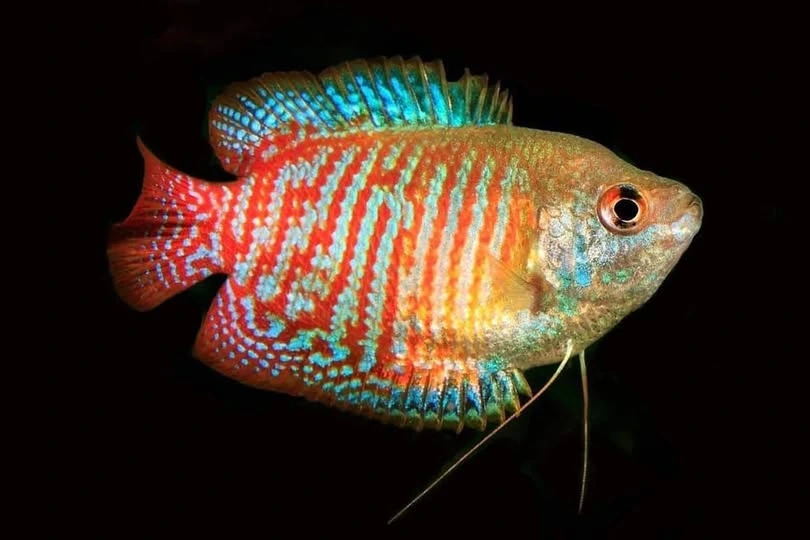
Another labyrinth fish that breathes at the surface, displays with flared fins, and claims the top of the tank — in other words, a direct competitor for the exact territory a betta defends. Two surface-breathing anabantoids in one tank means repeated collisions at the one place both of them have to visit. Dwarf gouramis also carry a well-documented iridovirus problem in the trade, which is a separate reason for caution.
A larger, genuinely aggressive labyrinth fish that will take on a betta rather than avoid one, and usually wins. It tolerates a far wider temperature range and is happiest cooler than a betta wants, so the parameters do not favour the betta either. Attractive fish, but it belongs in a species tank of its own.
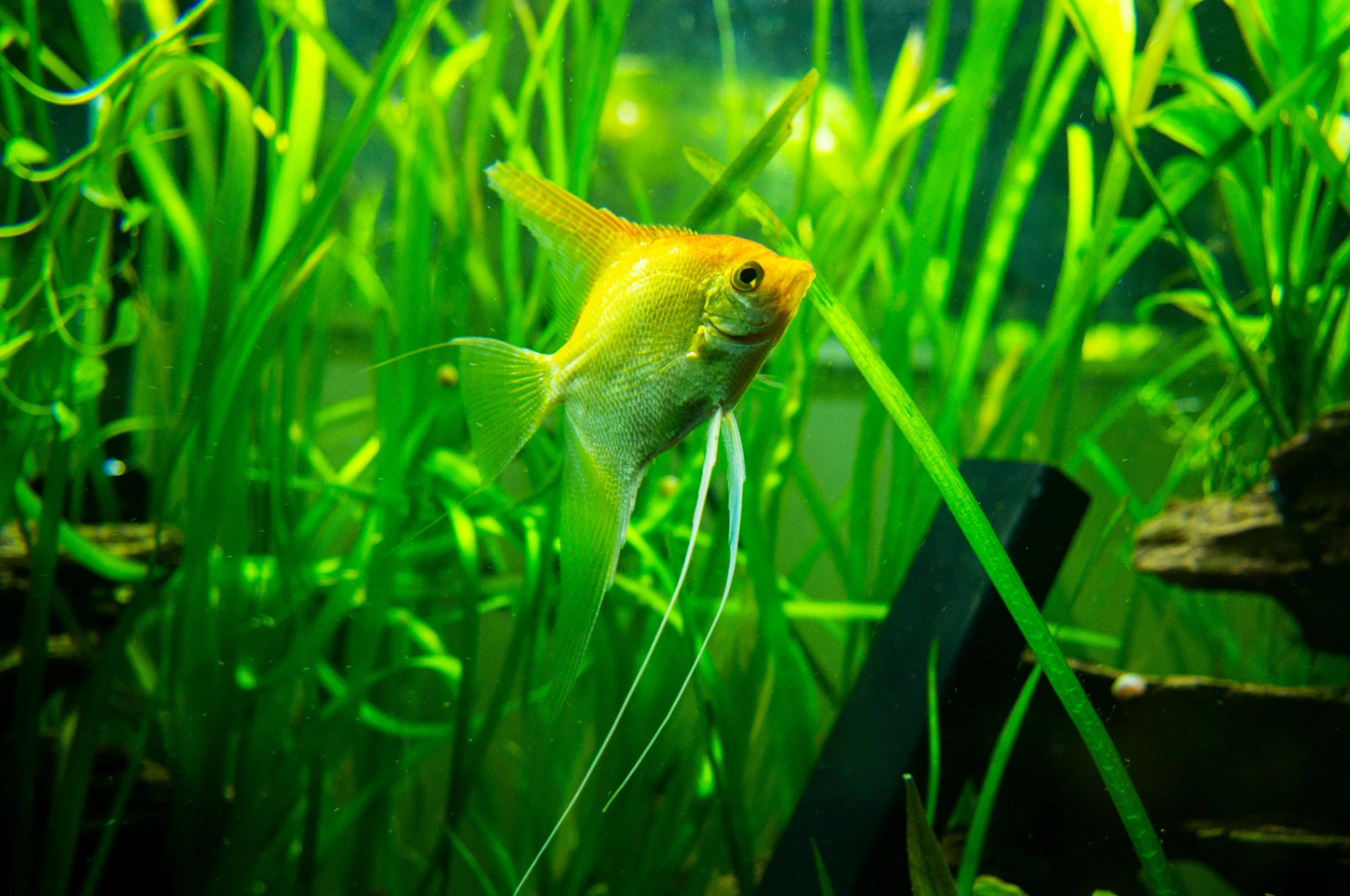
Angelfish reach 15 cm, need a tall 40-gallon-plus tank, and become territorial as they mature and pair off — a betta in that tank is either bullied or eventually eaten around the fins. They are also long-finned themselves, so each fish is a provocation to the other. The tank size requirement alone puts them in a different project.
With a betta these depend almost entirely on the individual fish you own. Each card states the behaviour to watch for.
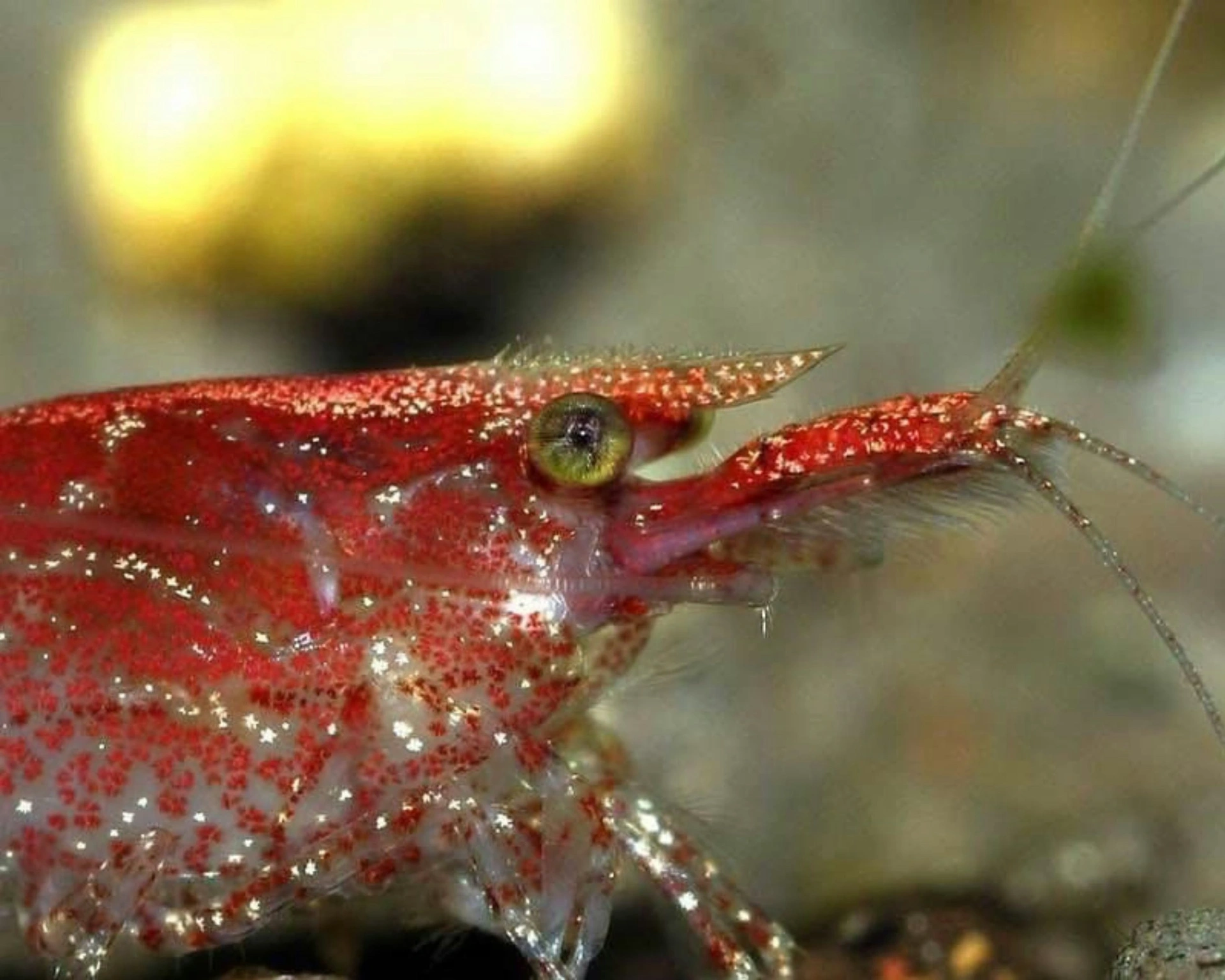
Cherry Shrimp
Neocaridina davidi
Condition: Only in a mature, heavily planted tank, and only if you accept losses
A betta is a carnivore that hunts small invertebrates in the wild, so the honest position is that shrimp are food unless the tank makes them hard to catch. In a densely planted setup with moss, leaf litter and a mature colony already breeding, enough shrimplets survive out of sight to keep numbers stable and the adults are usually ignored. In a bare tank added a handful at a time, they disappear within days. Never add them as a clean-up crew you expect to see again.
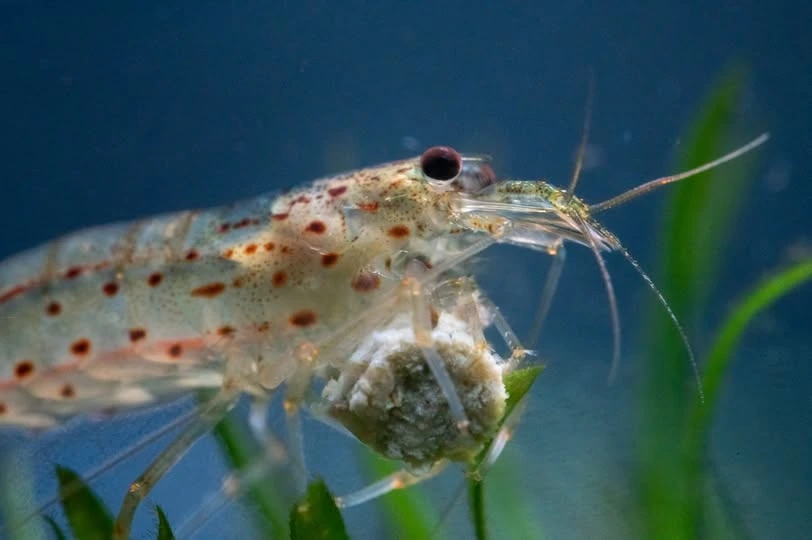
Condition: Adult amanos only — juveniles get eaten
Full-grown amanos are large, fast and tough enough that most bettas give up after one attempt, which makes them the safer shrimp choice. They also earn their place by eating hair algae that nothing else touches. Buy them at full size rather than as cheap juveniles, and give them caves and driftwood to retreat to while they moult, because a freshly moulted shrimp is soft and defenceless. A particularly aggressive male betta will still hunt them.
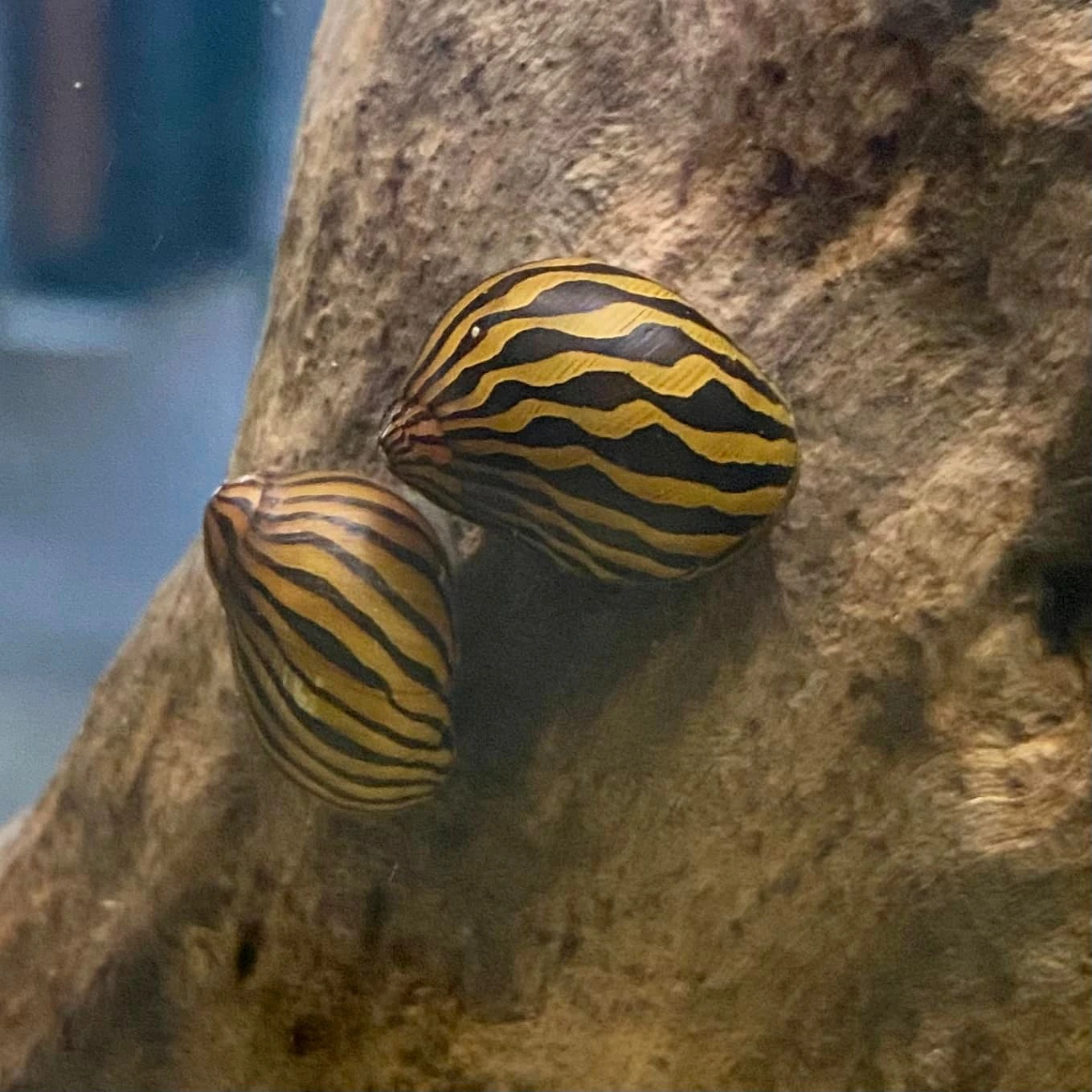
Condition: Works with most bettas, but some will pick at the antennae
Nerites are the standard answer to "can a betta live with a snail", and for most tanks the answer is yes — they clear algae, produce little waste, and cannot breed in freshwater so they never overrun the tank. The conditional part is behavioural: a curious or aggressive betta will peck at the snail's antennae and eyestalks, which makes the snail withdraw and eventually starve. Watch for a snail that stops moving for days and move it if the pecking continues.
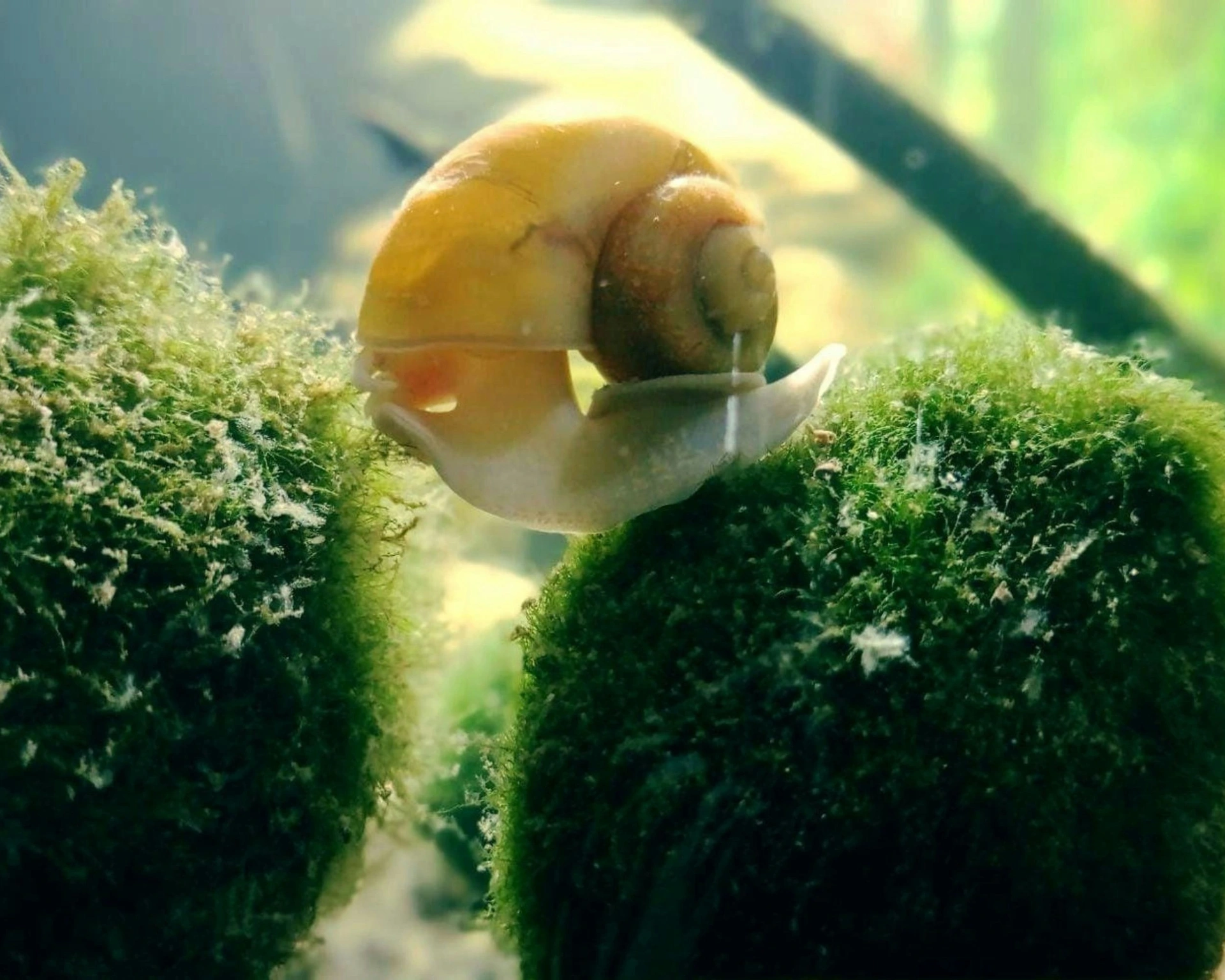
Condition: Big enough to be ignored, but the trailing foot and antennae are a target
A mystery snail is large, visible and genuinely interesting, and its size means most bettas leave it alone. It also produces a real bioload for its size, so a 5-gallon betta tank is on the edge of what can absorb it. The risk is the same as with nerites — nipped antennae — plus a habit of climbing out of the tank, so a lid is not optional. Feed it directly; it will not get much of a surface-feeding betta's leftovers.
Drop your tank size and shortlist into the stocking calculator to check bioload, swim-level balance and compatibility flags.
Frequently asked questions
Can a betta live with shrimp?
Sometimes, and only on the shrimp's terms. A betta is a carnivore that hunts small invertebrates, so cherry shrimp survive only in a mature, heavily planted tank where an established colony can keep breeding out of sight — expect to lose individuals. Adult amano shrimp are the safer choice because they are large and fast enough that most bettas stop trying. Never add shrimp to a bare tank and expect to see them again.
Can a betta live with a snail?
Usually yes. Nerite snails are the standard pairing: they eat algae, cannot breed in freshwater, and are armoured enough that a betta cannot hurt them. The one failure mode is a betta that pecks repeatedly at the snail's antennae, which makes the snail stay shut and slowly starve. If a snail stops moving for several days while the betta hovers over it, move the snail.
Can two bettas live together?
Two males cannot, under any circumstances — the database caps this species at one per tank and the fights are fatal rather than symbolic. Two females are not reliably safe either; sorority tanks work only in large, heavily planted setups with five or more females to spread aggression, and they collapse often enough that we do not recommend them to beginners. One betta per tank is the rule that never fails.
What tank mates work in a 5 gallon with a betta?
Realistically, a snail. Five gallons is a complete home for one betta and nothing else with fins — there is no room for a proper shoal, and small groups of schooling fish behave erratically and get chased. A nerite snail adds algae control without meaningful bioload. If you want tank mates, the honest answer is to move up to a 20 gallon long.
Do bettas get lonely without tank mates?
No. Bettas are solitary by nature and a single fish in a well-planted tank shows no sign of stress from being alone. Tank mates are something you add for your own interest, not for the betta's wellbeing, which is why the burden of proof sits with every fish you consider adding.
Can a betta live with corydoras?
Yes, and it is the most dependable pairing on this page. Corydoras live on the bottom, ignore the surface entirely, and are plain enough not to trigger display behaviour. Keep six or more of a small species like pygmy or panda corydoras, use sand rather than sharp gravel, and make sure sinking food actually reaches them past a greedy surface feeder.
Why does my betta attack fish that are listed as compatible?
Because compatibility lists describe typical behaviour, and individual male bettas vary more than almost any other aquarium fish. A meaningful minority will not accept tank mates at all, regardless of species, tank size or planting. Add new fish only when you have a spare heated tank or a divider ready, and act within the first week rather than hoping the flaring stops.
How many fish can I keep with a betta in a 10 gallon?
One small bottom-dwelling group and no more — six pygmy corydoras or six kuhli loaches in a densely planted layout. Ten gallons does not give a mid-water shoal enough room to stay clear of a patrolling betta, so adding tetras or rasboras at this size usually ends in chasing. Check the total load in the stocking calculator before you buy.