
Best Fish for a 10 Gallon Tank
22 species that genuinely thrive in a 10 gallon — not just survive. Picked for adult size, bioload, and temperament. No pet store myths.
A 10 gallon tank is one of the most popular aquarium sizes — big enough for a genuine community, small enough to fit on a desk. But the limited water volume means your species choices matter more than in a larger tank. The fish on this list aren't just fish that can survive in 10 gallons — they're species that genuinely thrive in this space, with enough room for natural behavior and long-term health.
We selected for adult size under 5 cm, low to moderate bioload, peaceful temperament, and a proven track record in small tanks. We also excluded species like Zebra Danios that technically fit but are too active for the swimming room a 10 gallon provides.
Best Schooling Fish for a 10 Gallon Tank
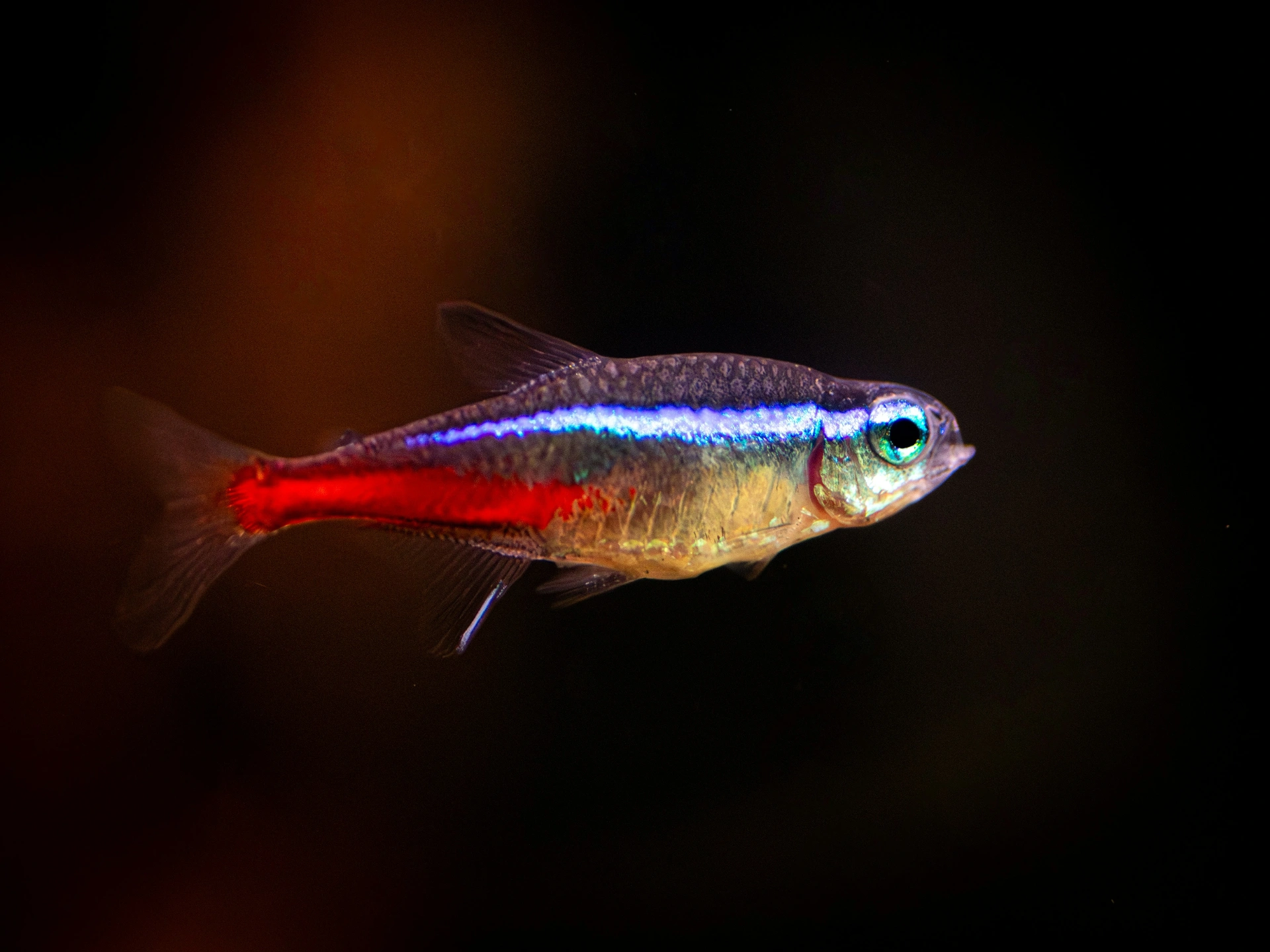
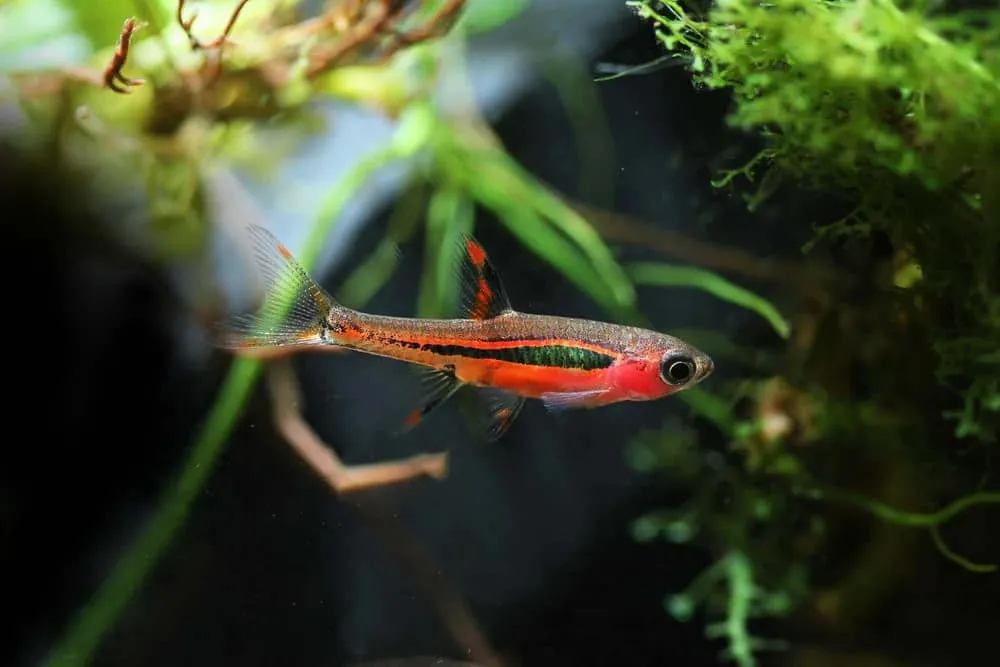
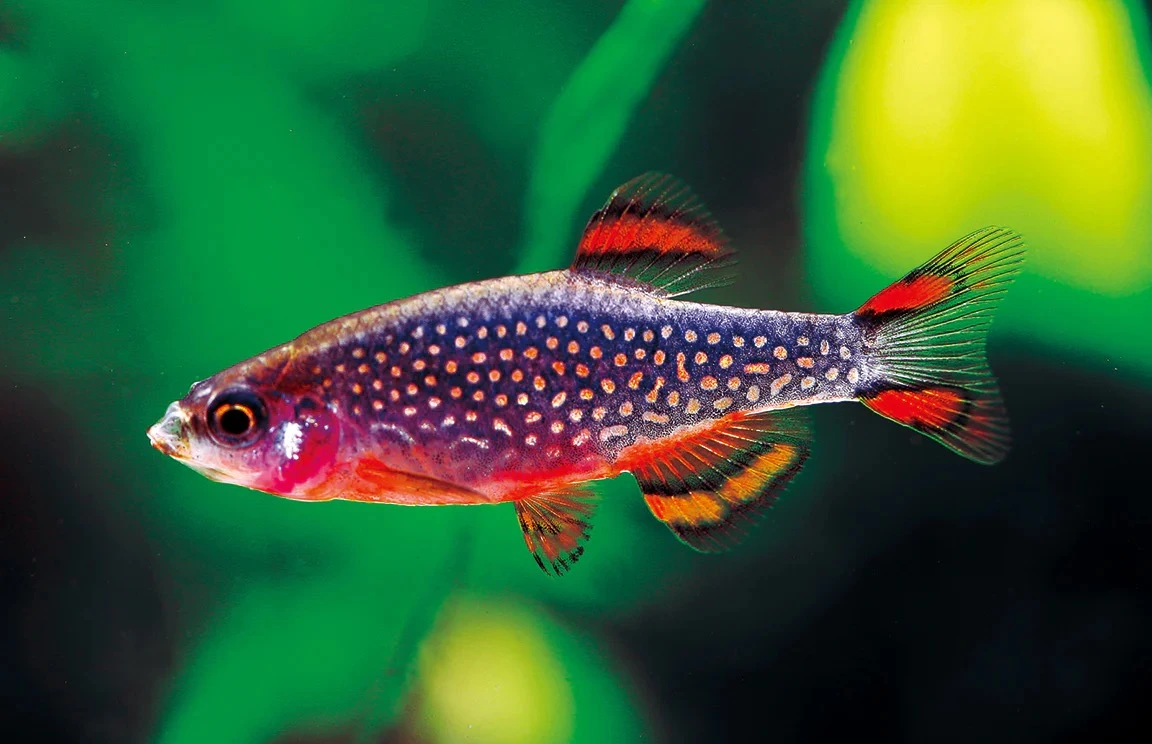
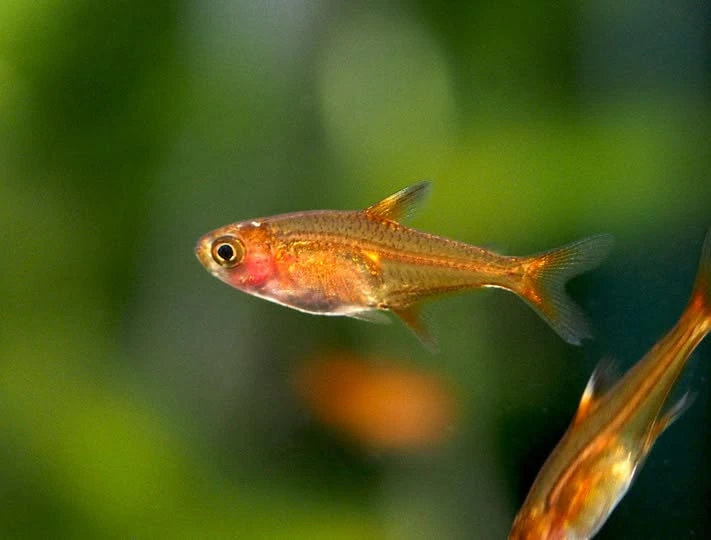
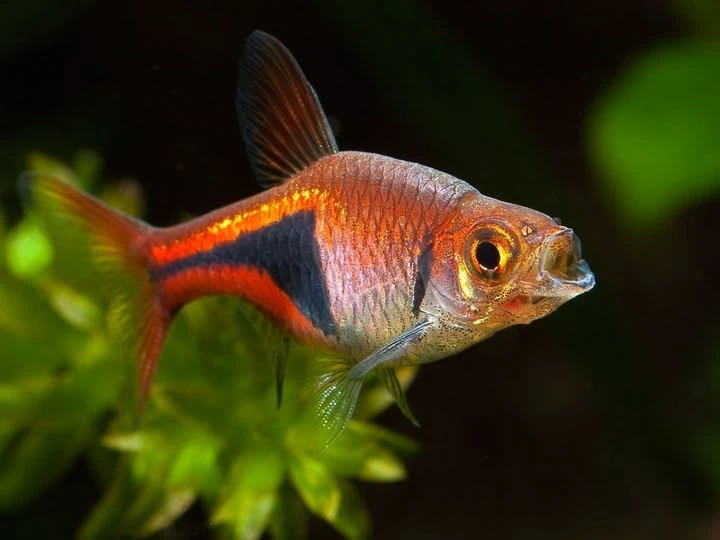
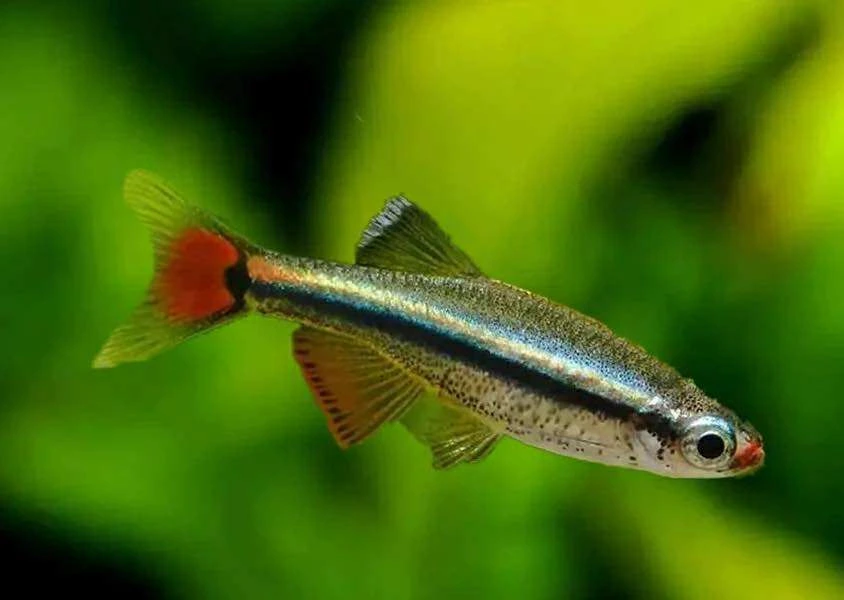
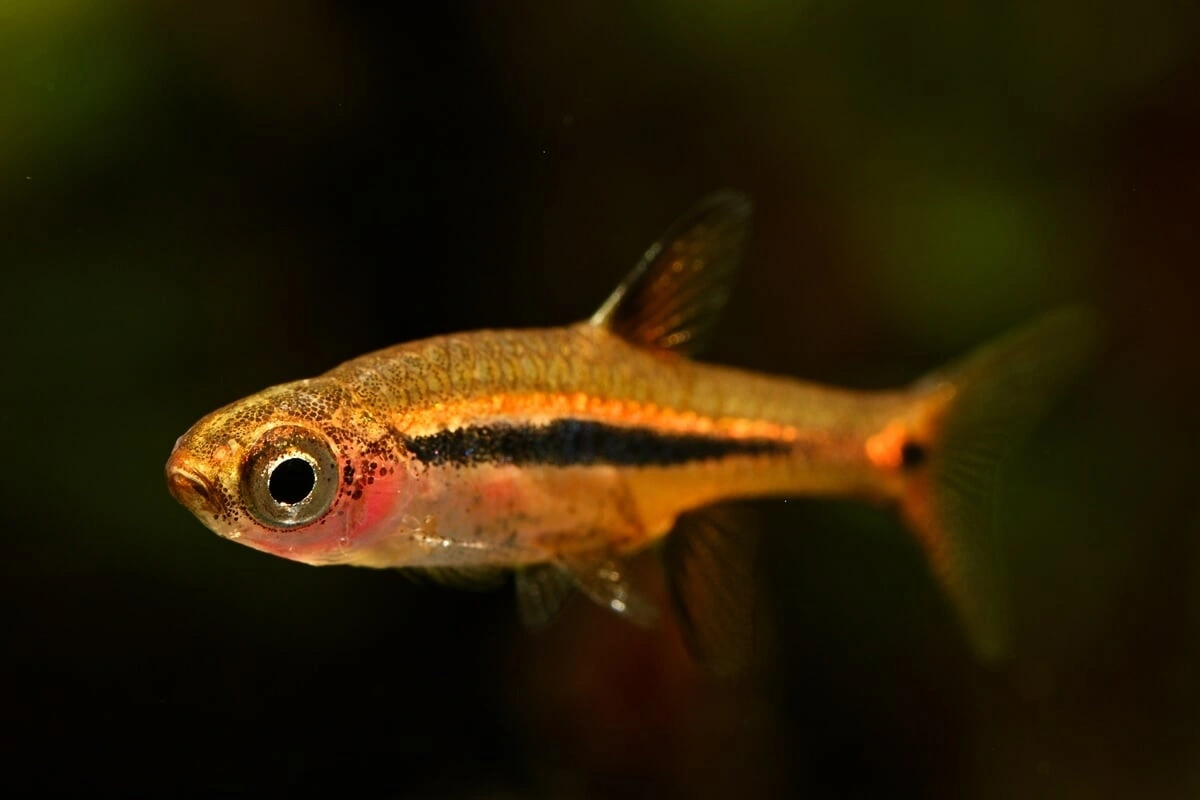
Schooling fish are the heart of most 10 gallon setups. A tight group of small, colorful fish moving together is one of the most rewarding things in the hobby. In a 10 gallon, you can typically keep one school of 8-10 small fish, or two smaller groups of 6 if the species occupy different tank levels. Stick to species under 4.5 cm adult size — anything bigger needs more swimming room than a 10 gallon provides.
Best Centerpiece Fish for a 10 Gallon Tank
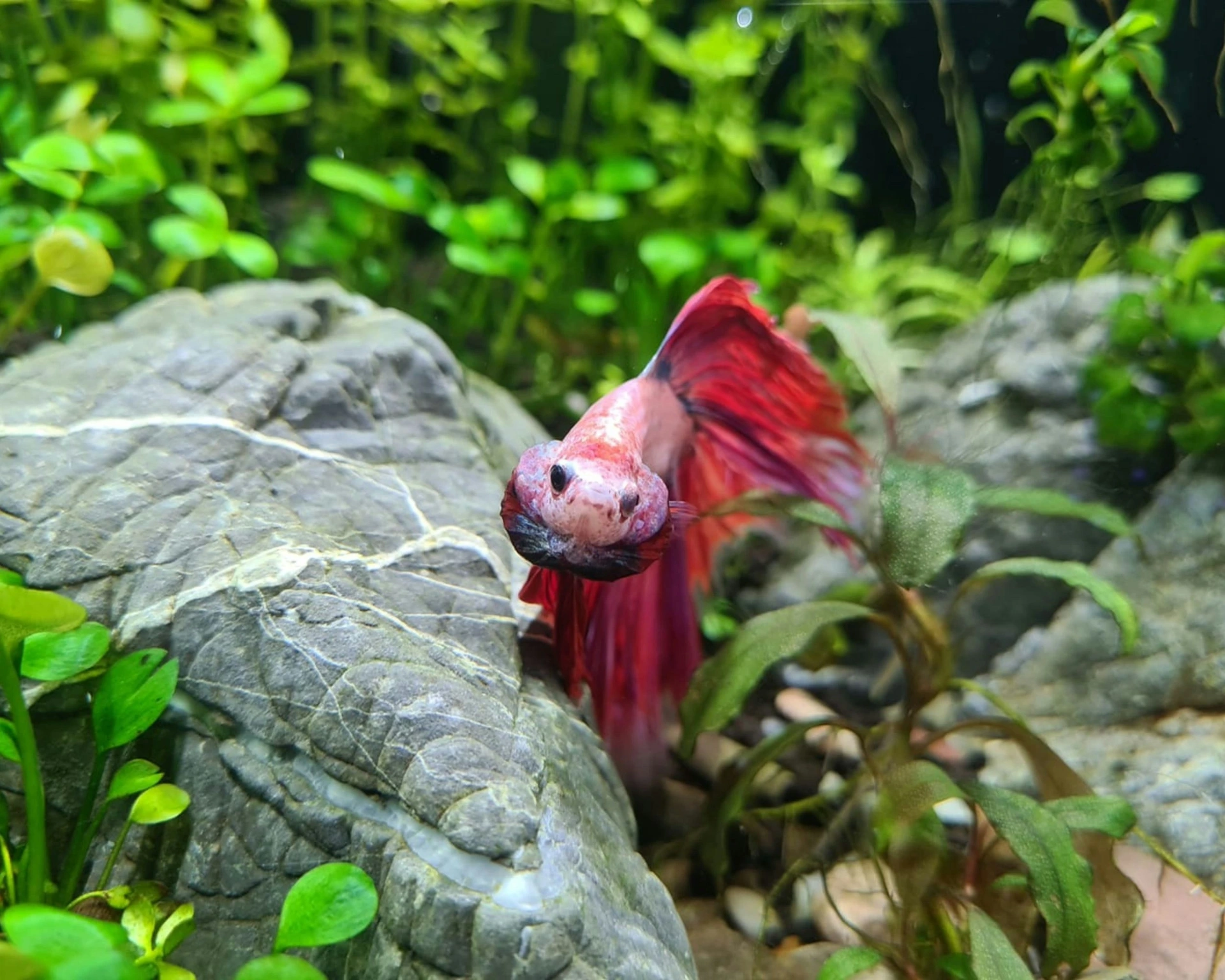
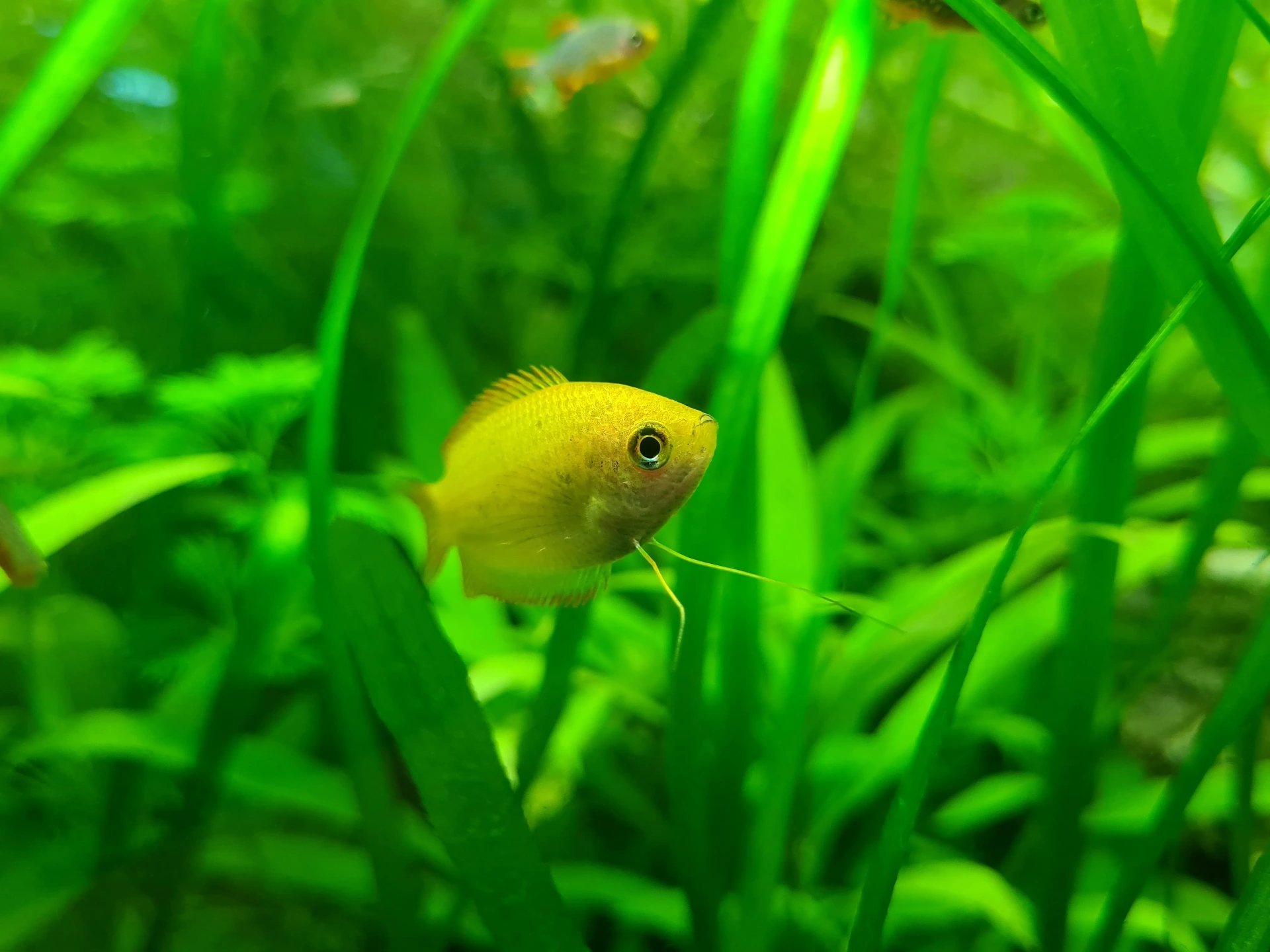
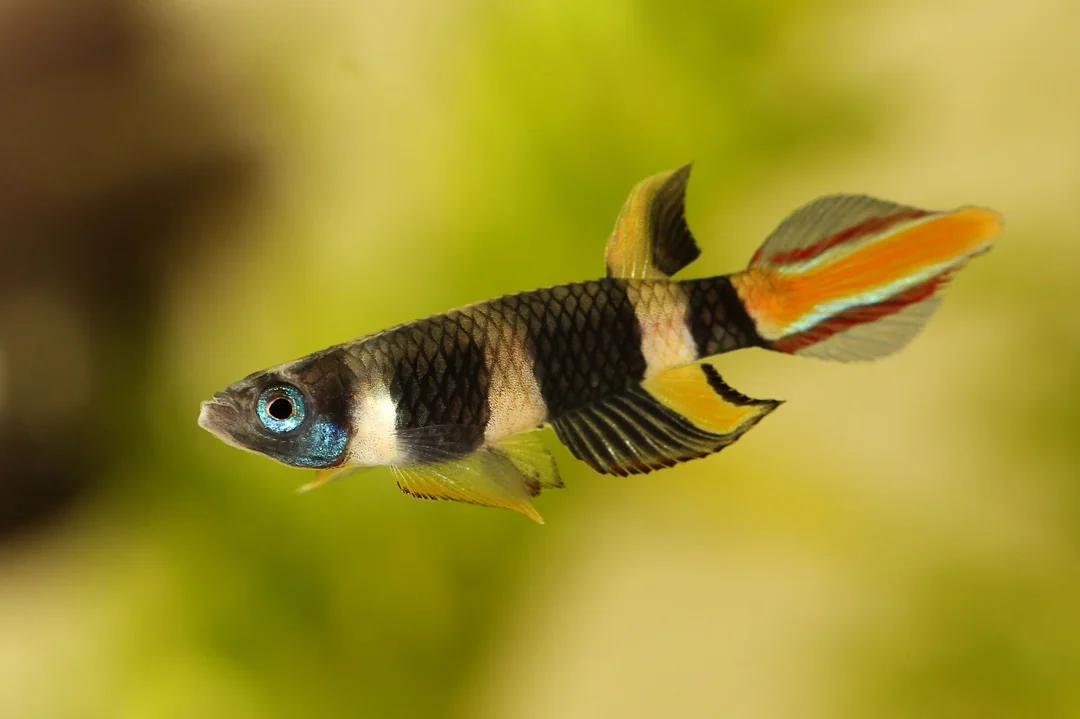
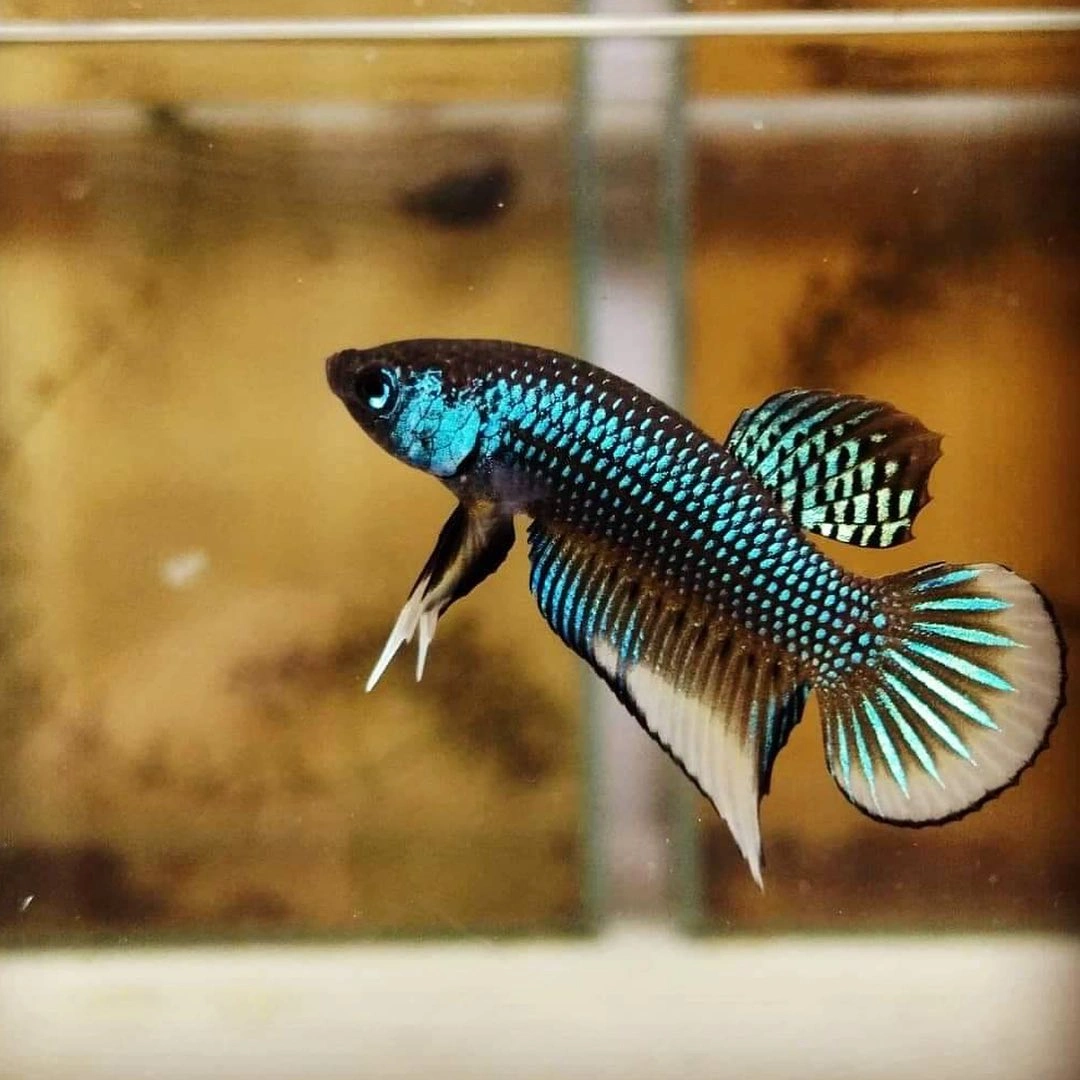
A centerpiece fish is a single standout species that serves as the focal point of your tank. In a 10 gallon, you typically have room for one centerpiece fish plus a small school or a cleanup crew. The key is choosing a species that's content in this space — not a fish that tolerates it.
Best Bottom Dwellers for a 10 Gallon Tank
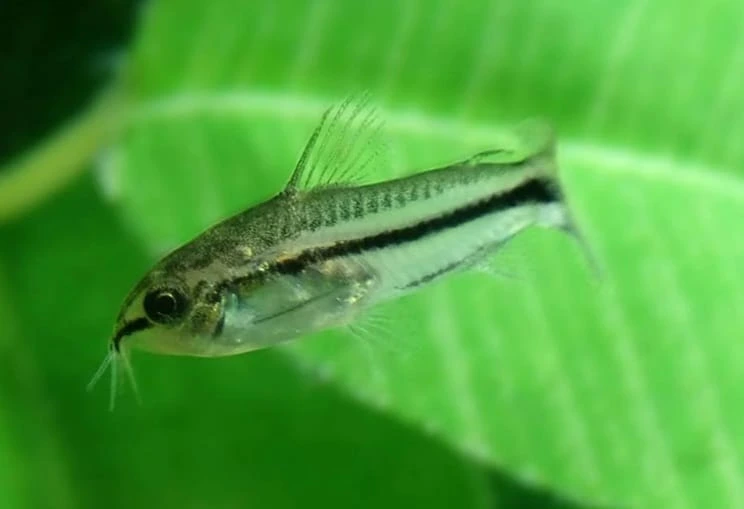
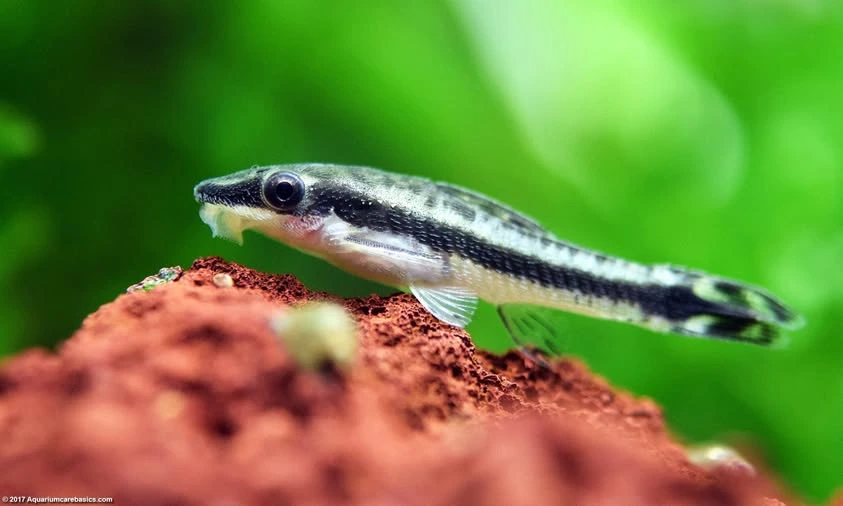
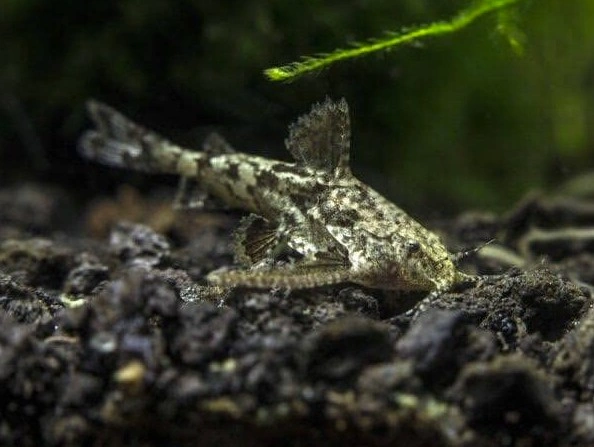
A good bottom-dweller completes your tank's ecosystem. While your schooling fish and centerpiece occupy the middle and top, bottom-dwellers fill the lower zone and help keep the substrate clean. Most popular Corydoras species actually need 20+ gallons — the two options below are among the few that genuinely fit a 10 gallon.
Best Invertebrates for a 10 Gallon Tank
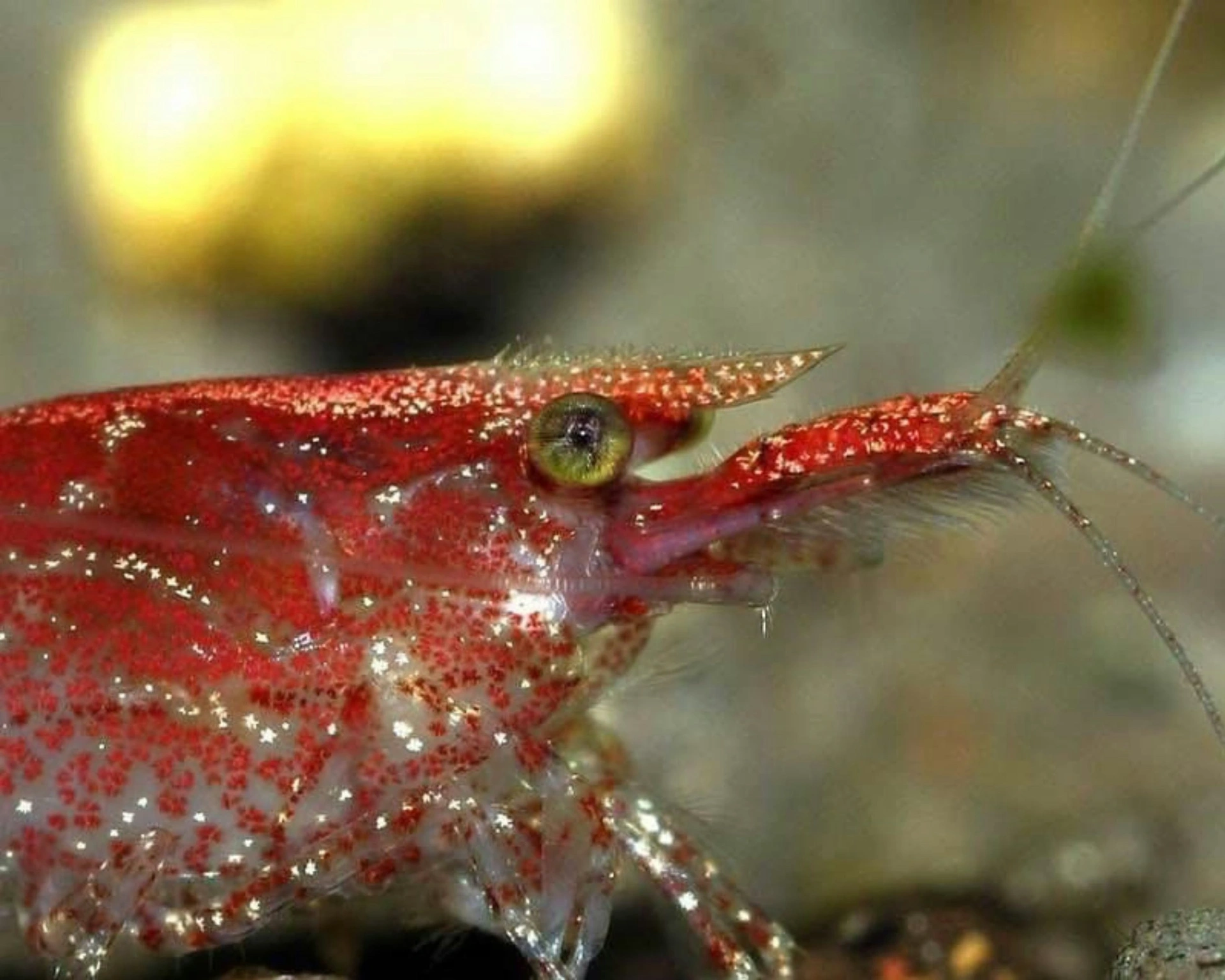
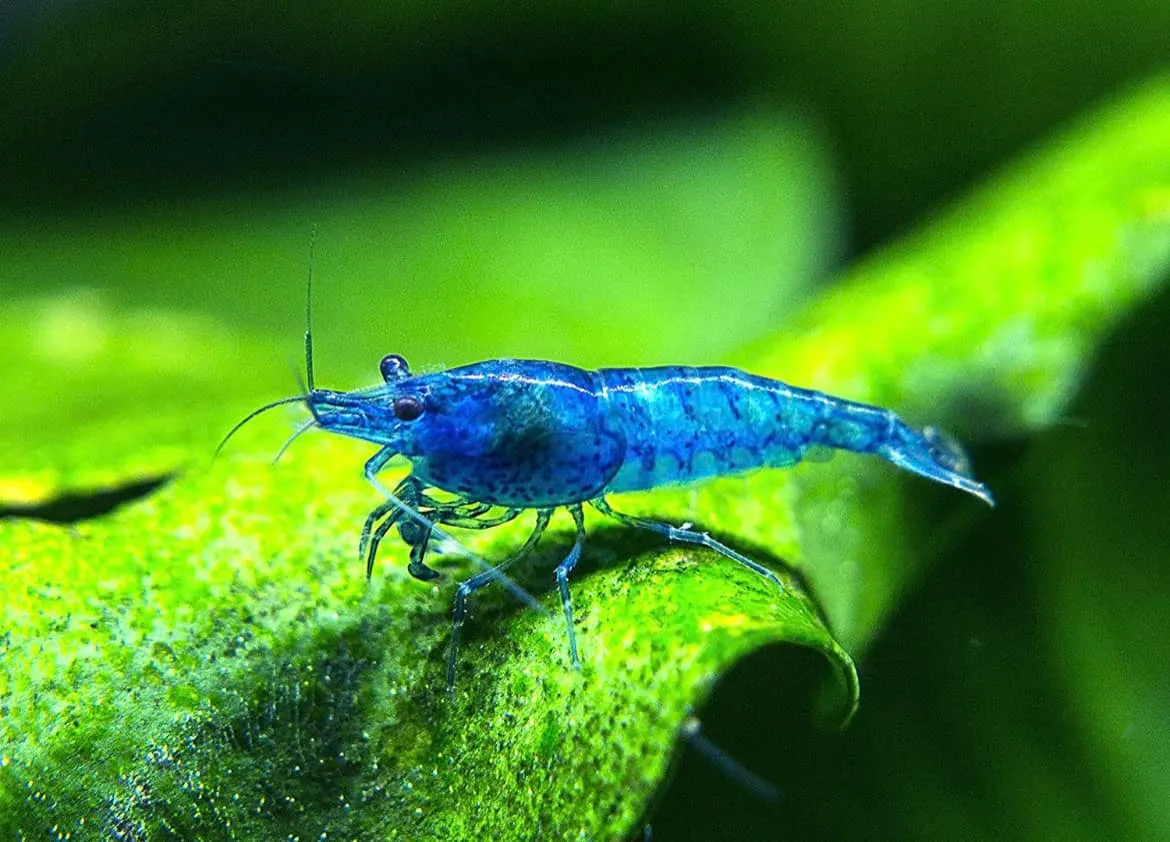
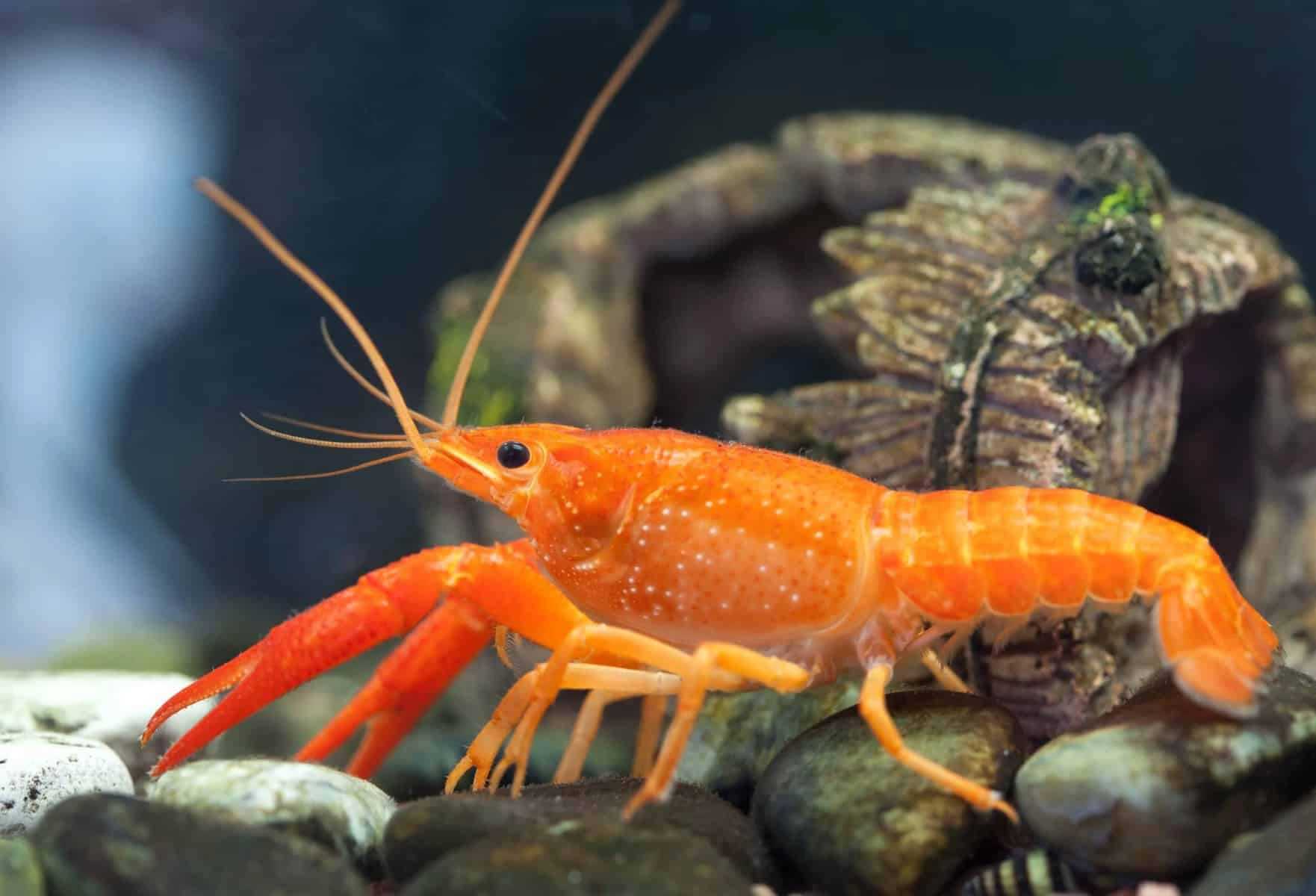
Shrimp are sometimes overlooked, but a shrimp colony in a 10 gallon is one of the most engaging, low-maintenance setups you can build. They're constantly active, breed readily, and add a completely different dynamic than fish. A shrimp-only tank is the easiest way to succeed — even small, peaceful fish will eat some baby shrimp.
10 Gallon Stocking Combinations That Work
Knowing individual species is useful, but what matters is how they work together. These are proven combinations that balance bioload, occupy different tank levels, and avoid compatibility issues. You can verify any combination with our stocking calculator before buying.
The Classic Community
8 Neon Tetras + 6 Pygmy Corydoras + Nerite Snails
Simple, reliable, beautiful. Every tank level covered.
The Betta Kingdom
1 Betta + 8 Ember Tetras + 4 Otocinclus
Betta rules the top, Embers school mid, Otos clean up.
The Nano Planted
10 Chili Rasboras + 10 Cherry Shrimp
Lightly stocked, densely planted. Incredibly low-maintenance.
The Cold Water Setup
10 White Cloud Minnows + Mystery Snails
No heater needed. Active, colorful, cheapest to run.
The Nano Biotope
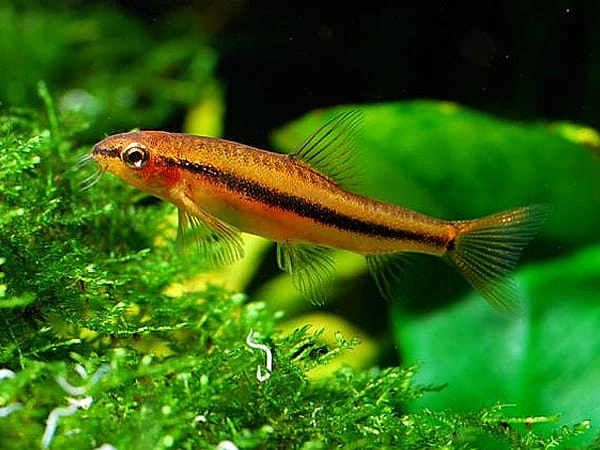
10 Chili Rasboras + 6 Rosy Loaches + Blue Velvet Shrimp
Southeast Asian stream theme. Warm tones top to bottom with shrimp cleanup crew.
The Micro Predator Tank
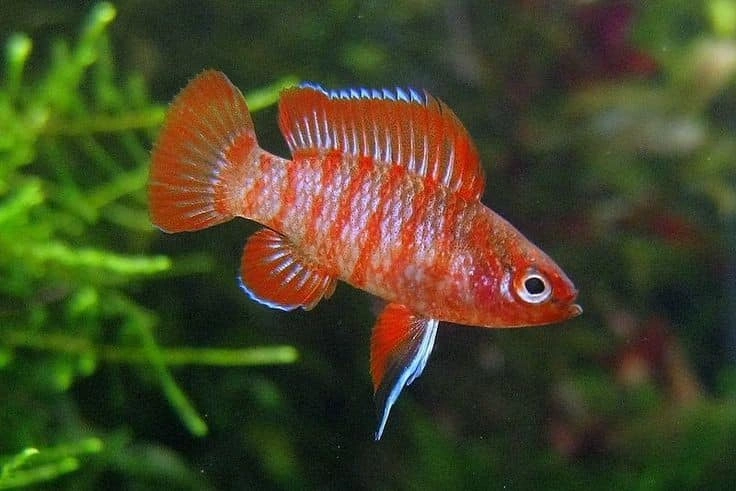
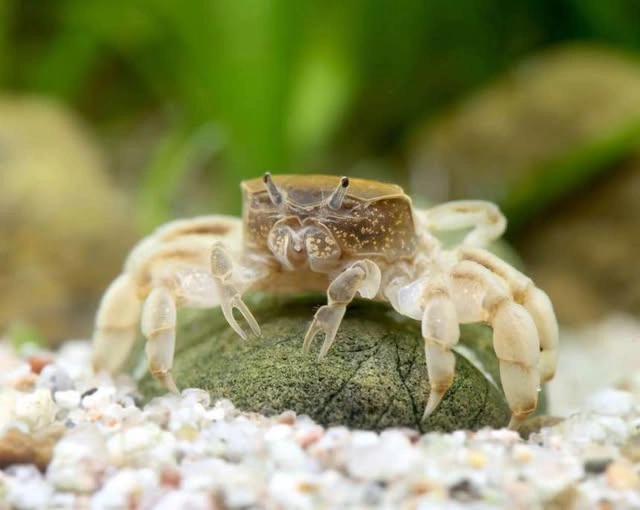
2-3 Scarlet Badis + 10 Exclamation Point Rasboras + Thai Micro Crabs
A hunter's tank in miniature. Badis stalk, rasboras school, crabs scavenge the substrate.
⚠️ Fish to Avoid in a 10 Gallon Tank
Pet stores routinely sell fish that have no business being in a 10 gallon tank. These species are either too large, too active, or produce too much waste for a small aquarium. If a store employee recommends any of these for your 10 gallon, they're giving you bad advice.
Even a single common goldfish needs 75+ gallons. Massive waste output overwhelms small filters within days.
Needs 150+ gallons. The most irresponsibly sold fish to small-tank owners.
Needs 75+ gallons. If a pet store suggests this for a 10 gallon, leave.
Needs a school of 5+ and 150+ gallons minimum.
Grows huge, becomes aggressive, and stops eating algae as an adult.
Even fancy goldfish need 20+ gallons each. Enormous bioload.
How Many Fish Can You Put in a 10 Gallon Tank?
The old "one inch of fish per gallon" rule is one of the most repeated — and most misleading — pieces of fishkeeping advice. A 10-inch fish doesn't belong in a 10 gallon tank, and ten 1-inch fish aren't automatically compatible together. The real answer depends on the specific species, their bioload, activity level, and how well-filtered and maintained the tank is.
As a practical guideline, here's what works in a well-maintained 10 gallon:
8-12
small fish under 3 cm
Neons, Chilis, Embers
6-8
medium fish 3-5 cm
Harlequins, White Clouds
1 + 6-8
centerpiece + small school
Betta + Embers
The most reliable way to check is to use a stocking calculator that accounts for species-specific bioload rather than relying on oversimplified rules. Our calculator factors in adult size, waste production, swimming needs, and compatibility to give you a realistic stocking level.
Setting Up a 10 Gallon Tank for Success
The fish you choose matter, but so does the environment. In a small tank, mistakes compound faster — ammonia spikes hit harder, temperature swings happen quicker, and overstocking shows consequences sooner.
Cycle before you stock
A 10 gallon needs to be fully cycled before adding fish. This takes 4-6 weeks. Skipping this is the #1 cause of fish death in new tanks.
Plants aren't just decoration
Live plants absorb nitrates, provide shelter, grow biofilm for grazing, and make the tank more stable. Java Fern, Anubias, and Java Moss require almost zero effort.
Small tanks need more consistency
20-25% water change weekly. Less water means waste concentrates faster. Consistency is more important than volume.
Don't trust the 'grows to tank size' myth
Fish grow to their genetic potential regardless of tank size. Stunted growth from undersized tanks means organ failure, not a conveniently small fish.
Not sure if your stocking plan works?
Check compatibility, bioload, and tank capacity for your exact setup.