
Care Requirements
Adult Size
2.4" (6cm)
Min Tank
10 gal
Temperature
72-82°F
pH Range
5-7
Lifespan
3-5 years
Min Group
Can be kept alone
Diet
Carnivore
Swim Level
Middle
Bioload
1/10
Hardness
1-8 dGH
About Peaceful Betta
Betta imbellis carries the common name 'Peaceful Betta' for good reason — unlike their domesticated cousins bred for aggression over centuries, these wild bettas retain their natural, relatively tolerant disposition. Males can often be kept together in appropriately-sized, well-planted tanks, a stark contrast to the mandatory isolation of domestic betta splendens. This doesn't mean they're passive; males still display, spar, and establish territories. But their conflicts rarely escalate to the damaging fights that make domestic bettas infamous.
This species is one of several wild bettas that contributed genetics to the domestic betta we know today. The ancestral complex includes B. imbellis, B. smaragdina, B. splendens, and B. mahachaiensis — all capable of interbreeding. Betta imbellis contributed particularly to the iridescent blue-green coloration prized in domestic strains.
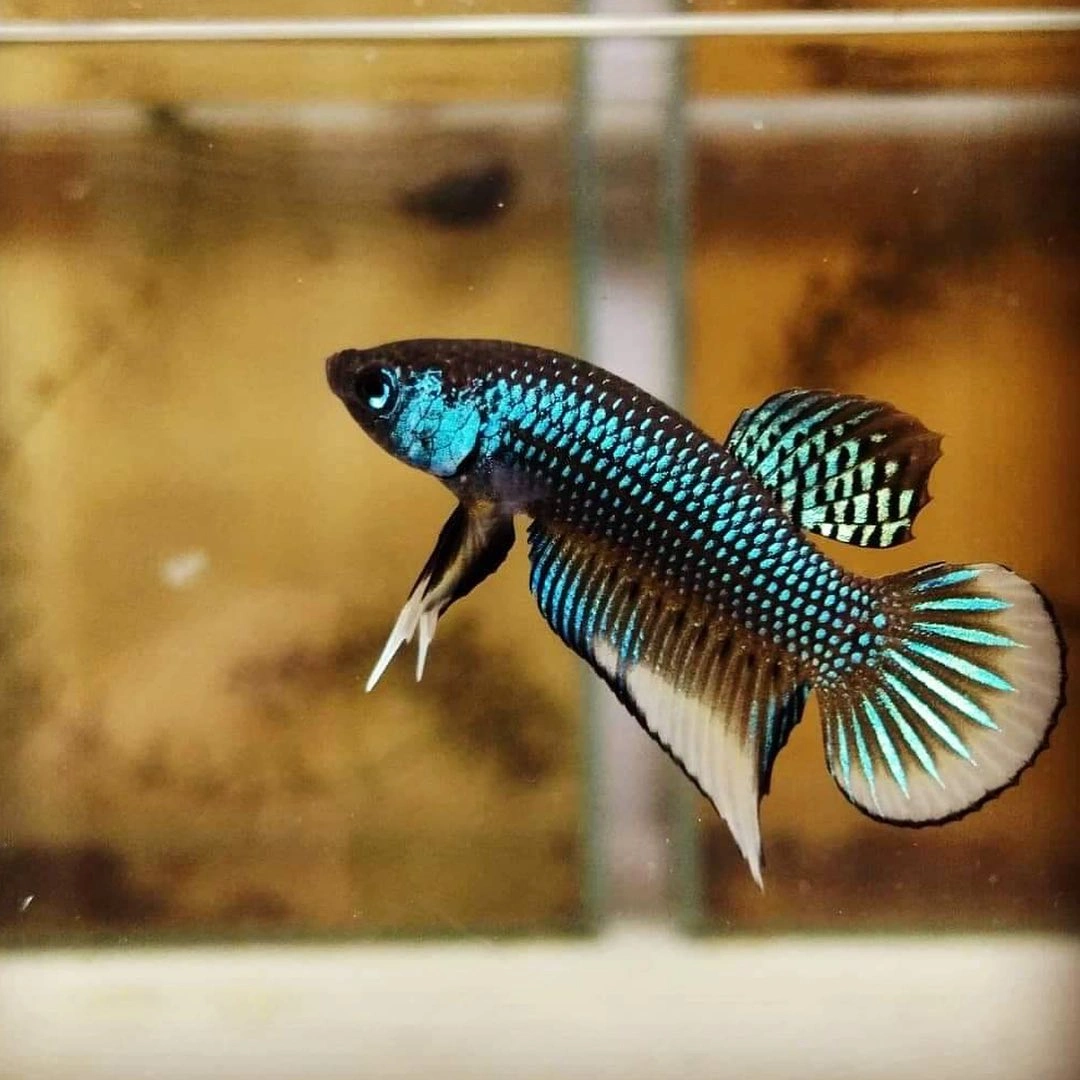
Male Betta imbellis display stunning iridescence — scales shimmer blue-green depending on lighting angle, with red crescents adorning the tail fin and red edging on other fins. Females show similar but muted coloration. When males display to each other or females, colors intensify dramatically.
For aquarists interested in wild-type fish, natural behavior, and the possibility of keeping multiple males together, Betta imbellis offers an entry point into wild bettas that doesn't require extreme water parameters or specialized care.
Natural Habitat & Origin
Betta imbellis inhabits lowland freshwater environments across Peninsular Malaysia, southern Thailand, northern Sumatra, and Singapore. Their range includes swamps, peat forests, rice paddies, drainage ditches, and slow-moving streams.
These habitats share common characteristics: shallow, warm water with minimal current, dense plant growth, leaf litter creating tannin-stained conditions, and soft substrate. Water is typically tea-colored with pH often below 6.0 and negligible hardness.
Their distribution across both natural and human-modified environments demonstrates adaptability, but preferred habitat remains undisturbed swamp and peat forest. These ecosystems are under significant pressure from agriculture and urban development.
Understanding their natural habitat informs captive care: they expect warm, soft, acidic water with minimal flow, dense vegetation, dim lighting, and surface access for air-breathing.
Native Region
Southeast Asia — Peninsular Malaysia, southern Thailand, Sumatra, Singapore
Habitat Type
Swamps, peat forests, rice paddies, slow streams
Wild Water Conditions
Warm (24-28°C), very soft, acidic (pH 4.0-6.5), tannin-stained, minimal current
Appearance & Varieties
Betta imbellis males display the characteristic betta body plan — laterally compressed, elongated body with upturned mouth. Adult size reaches approximately 2-2.5 inches (5-6 cm). Male coloration features iridescent scales that shift between blue and green, with red crescents on the tail fin. Females show similar but subdued coloration.
Compared to domestic bettas, wild Betta imbellis appear more subtle — colors are present but not artificially amplified, fins are proportionate rather than exaggerated.
Popular Varieties
| Variety | Description | Rarity |
|---|---|---|
| Wild-Type | Standard wild coloration: iridescent blue-green body with red tail crescents and fin edging. | Common in specialty trade |
| Ko Samui Locale | Population from Ko Samui island showing particularly intense coloration. Sought after by collectors. | Uncommon |
| Hybrid/Line-Bred | Some breeders have enhanced colors through selective breeding. May show increased red or blue intensity. | Occasional |
Tank Setup & Requirements
Quick Requirements Summary
Tank Size
Minimum Tank Size
10 gallons
Recommended Tank Size
20 gallons
Betta imbellis thrive in setups replicating their swamp and peat forest habitats — heavily planted, dim, soft, acidic, and calm.
Water Parameters
Temperature 22-28°C (72-82°F), pH 5.0-7.0 (prefer 5.5-6.5), hardness 1-8 dGH (prefer very soft). Soft, acidic water brings out best coloration. Blackwater setups with tannins are ideal. Temperature can drop to low 70s°F — they're subtropical rather than strictly tropical.
Substrate
Dark sand or fine gravel; aquasoil substrates that soften water work well. Natural look with leaf litter completes the biotope aesthetic.
Plants & Decorations
Dense planting is highly beneficial — breaking sight lines is essential for keeping multiple fish. Indian almond leaves, oak leaves, alder cones release tannins creating preferred blackwater conditions. Floating plants (Salvinia, frogbit) diffuse light and provide surface cover. Driftwood contributes additional tannins and hiding spots.
Filtration & Water Flow
Gentle — sponge filters ideal. Minimal current is essential; they're adapted to still water. If using HOB or canister filters, baffle output heavily. Air-driven filtration matches their low-tech biotope aesthetic.
Lighting
Subdued — floating plants help naturally. Dim lighting replicates shaded swamp conditions. Bright lighting washes out colors and stresses fish.
Diet & Feeding Guide
Diet Type
carnivore
Feeding Frequency
1-2 times daily, small amounts
Portion Size
What they consume in 2-3 minutes. Prone to overfeeding and constipation. Fast one day per week.
Betta imbellis are carnivores feeding on small invertebrates. They require protein-rich diets and may initially refuse dry foods.
Best Foods for Peaceful Betta
- Live daphnia, brine shrimp, mosquito larvae — Most readily accepted and nutritionally excellent. Essential for conditioning.
- Frozen bloodworms, brine shrimp, daphnia — Excellent staple once fish accept them.
- High-quality micro pellets — Small, protein-rich pellets. Not all specimens accept dry food readily.
- Freeze-dried bloodworms — Occasional variety. Less nutritious than frozen but convenient.
Foods to Avoid
- Flake foods — Often refused and not ideal nutrition for carnivores.
- Plant-based foods — They're carnivores with minimal plant matter in natural diet.
- Large food items — Mouths are smaller than domestic bettas. Size food appropriately.
Varied diet across live, frozen, and (if accepted) dry foods provides complete nutrition.
Behavior & Temperament
The 'Peaceful Betta' name reflects their temperament relative to domestic bettas — significantly less aggressive, allowing potential male cohabitation. However, males still establish territories, display dominance, and spar. The difference is proportionality: conflicts rarely escalate to serious damage.
Male displays are beautiful — intensified coloration, full fin extension, gill flaring, and lateral displays. In adequately-sized, well-planted tanks, males often coexist with occasional display but no serious aggression.
They're bubble nesters like domestic bettas. Males construct floating nests and court females with displays and body curves. Males guard eggs and fry with dedication.
Their activity level is lower than many fish — they spend time hovering, exploring methodically, and resting among plants or near the surface.
Tank Mates: Compatibility Guide
Compatible Tank Mates
Share soft, acidic water preferences. Ideal nano companions.
Peaceful bottom dwellers that tolerate soft water.
Nocturnal bottom dwellers sharing Southeast Asian blackwater preferences.
Non-nippy tetras that won't harass bettas.
Peaceful algae eaters that ignore bettas entirely.
Peaceful snails providing cleanup without competition.
Tank Mates to Avoid
Domestic Betta
Will hybridize; domestic males far too aggressive for cohabitation.
Tiger Barb
Fin nippers will damage betta fins and cause stress.
Fast, boisterous fish
Outcompete for food and create stressful environment.
Other Betta species
Risk of hybridization and territorial conflict.
Cherry Shrimp
May hunt and eat dwarf shrimp. Not reliably shrimp-safe.
Dwarf Gourami
Related anabantoids may trigger territorial responses.
Common Pairing Questions
Can male Betta imbellis live together?
Yes, with adequate space (30+ gallons), heavy planting, and monitoring. Some individuals are more aggressive than others.
Will Betta imbellis eat shrimp?
Probably yes — they're carnivorous and will hunt small invertebrates including dwarf shrimp.
Betta imbellis breeding follows the classic bubble-nesting pattern with male parental care. Males build floating nests, court females, and guard eggs. Eggs hatch in 24-48 hours; fry become free-swimming after 3-5 days. Their relative tolerance makes breeding groups easier to manage than domestic bettas.
Health Issues & Disease Prevention
Betta imbellis are reasonably hardy for wild bettas. Maintaining soft, acidic, clean water prevents most health issues.
Common Diseases
| Disease | Symptoms | Treatment |
|---|---|---|
| Fin rot | Frayed, deteriorating fin edges; progressive tissue loss. | Improve water quality. Antibacterial medication for severe cases. |
| Ich | White spots on body and fins, scratching, clamped fins. | Raise temperature to 82-84°F gradually. Add aquarium salt if no sensitive tankmates. |
| Velvet (Oodinium) | Gold or rust-colored dust on skin, clamped fins, lethargy. | Dim lighting, raise temperature, copper-based medication. |
| Columnaris | White or gray patches, cottony growths, rapid decline. | Antibacterial medication. Often triggered by stress or injury. |
| Constipation/bloat | Swollen belly, loss of appetite. | Fast for 2-3 days, then feed daphnia (natural laxative). |
Signs of a Healthy Peaceful Betta
- Bright, iridescent coloration
- Active interest in surroundings
- Good appetite
- Intact, spread fins
- Regular surface breathing
Prevention Tips
- Maintain soft, acidic, clean water
- Avoid overfeeding
- Provide varied diet with live/frozen foods
- Minimize stress through appropriate tankmates
- Quarantine new fish
Frequently Asked Questions
Yes, unlike domestic bettas, male Betta imbellis can often coexist peacefully. Success requires adequate space (30+ gallons for multiple males), heavy planting with broken sight lines, and monitoring. Some individuals are more aggressive than others. Always have a backup plan.
Domestic bettas have been selectively bred for exaggerated colors, flowing fins, and aggression. Betta imbellis represents the natural, wild form: moderate finnage, subtle but genuine iridescent coloration, and significantly reduced aggression. They're smaller, hardier, more natural-looking, and capable of group living.
Not necessarily — they tolerate temperatures down to 72°F (22°C), making them subtropical. In consistently warm homes, heating may be unnecessary. However, stable temperatures promote best coloration and breeding behavior.
Probably yes — they're carnivorous and will hunt small invertebrates including dwarf shrimp. Adult Amano shrimp may survive due to size, but Cherry Shrimp are at risk.
They don't strictly require blackwater but thrive in it. Replicating tannin-stained conditions with Indian almond leaves and driftwood enhances coloration, supports immune system, and encourages natural behavior.
Tips for Keeping Peaceful Betta
Pro Tips
- ✓Start with captive-bred specimens — hardier and more adaptable than wild-caught.
- ✓Use Indian almond leaves liberally — tannins, antimicrobial compounds, and biofilm all benefit wild bettas.
- ✓Keep a lid on the tank — they're jumpers and labyrinth fish needing humid air above water.
- ✓Observe natural behavior before breeding — let fish indicate readiness through behavior.
Common Mistakes to Avoid
- ✗Treating them exactly like domestic bettas — missing their potential for group living.
- ✗Keeping in hard, alkaline water — reduced coloration and stress.
- ✗Strong filtration current — exhausted fish adapted to still water.
- ✗Assuming all males will coexist — individual variation means monitoring is essential.
- ✗Mixing with domestic bettas or other Betta species — hybridization dilutes wild genetics.
Sources
- FishBase — Accepted scientific name, maximum size and native range for Peaceful Betta.
Related Species You Might Like
View All Fish →
Peacock Cichlid
Aulonocara sp.
Emerald Betta
Betta smaragdina
Strawberry Betta
Betta albimarginata
Mahachai Betta
Betta mahachaiensis
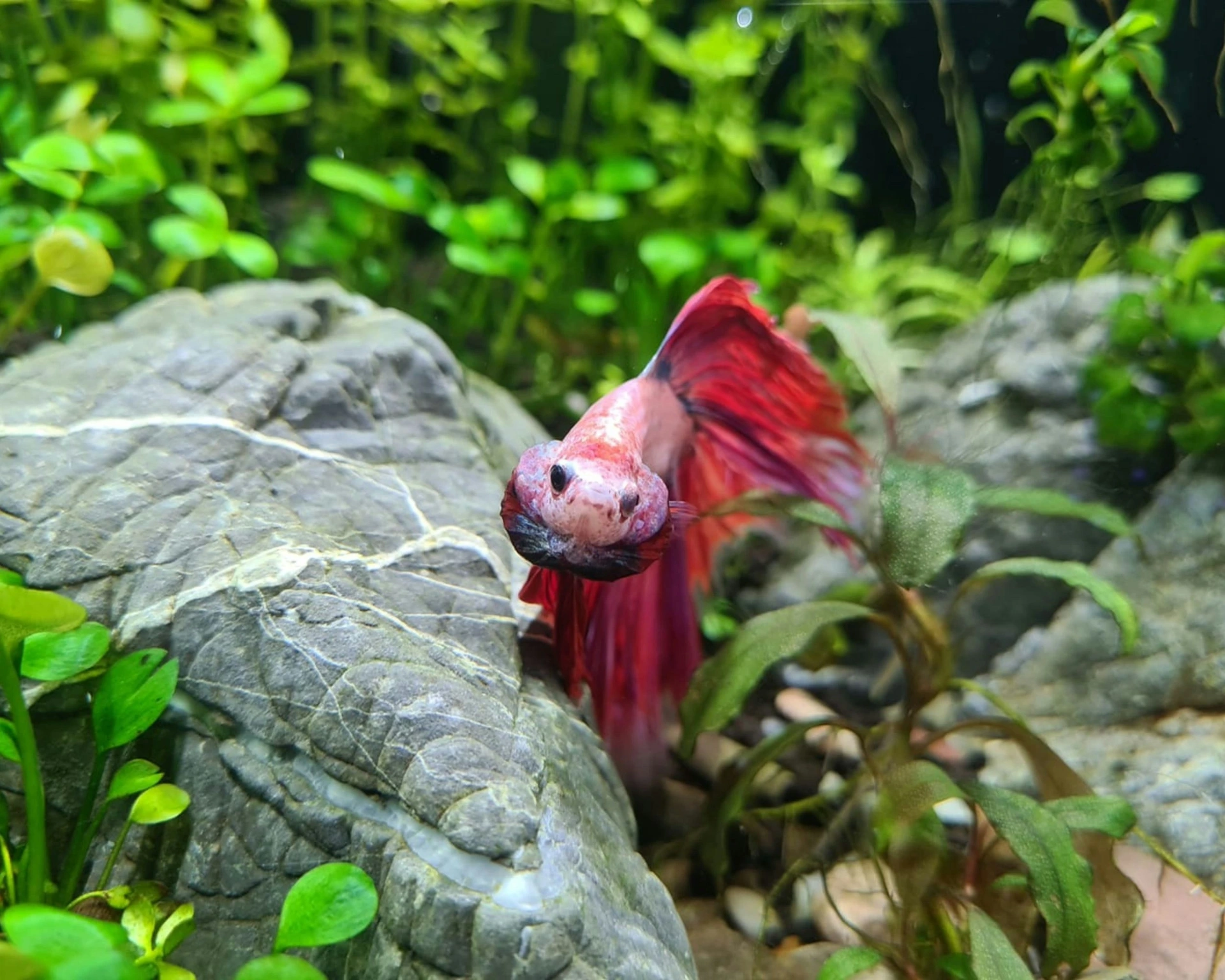
Betta
Betta splendens
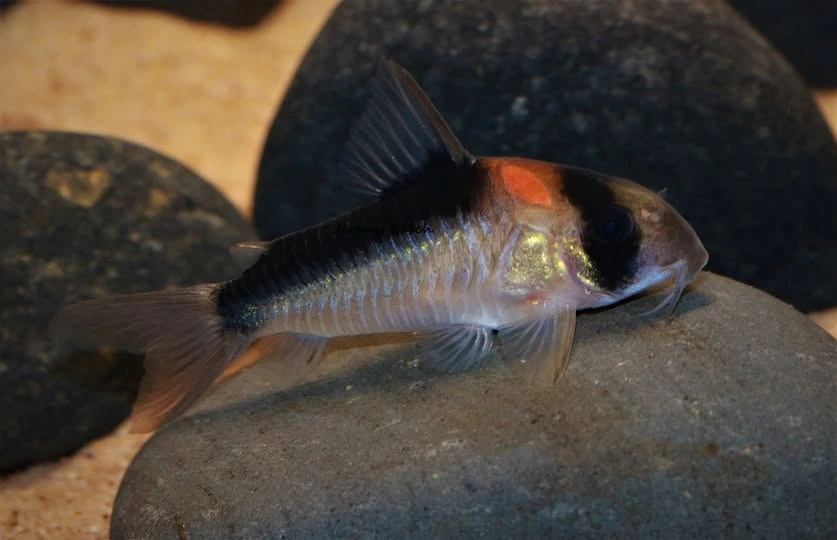
Adolfo's Corydoras
Corydoras adolfoi
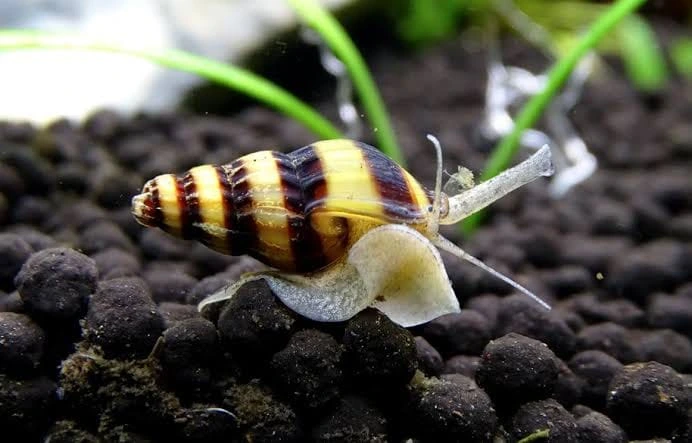
Assassin Snail
Clea helena
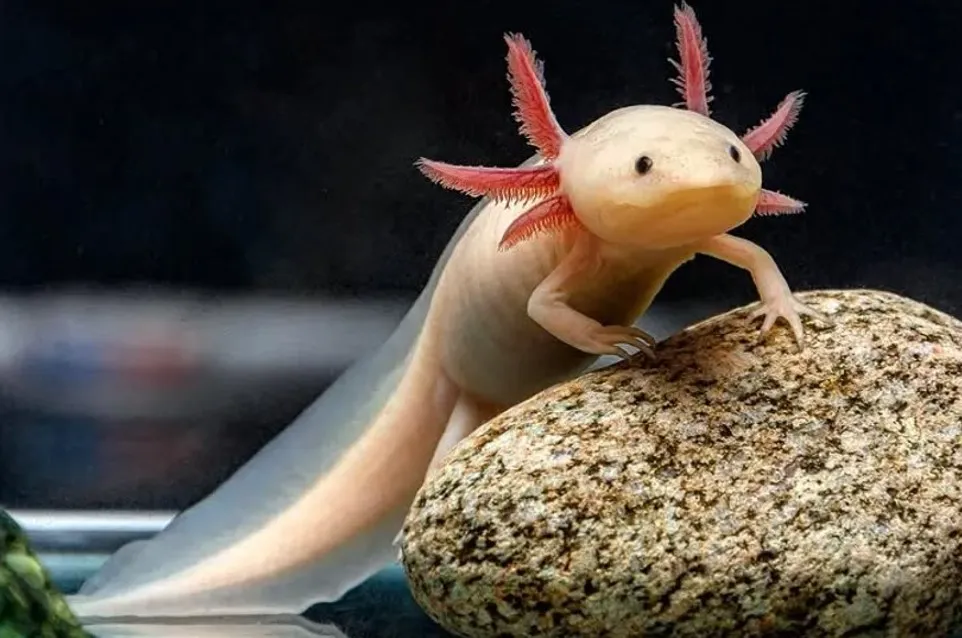
Axolotl
Ambystoma mexicanum
Ready to Add Peaceful Betta to Your Tank?
Use our free stocking calculator to check compatibility, bioload, and get personalized recommendations.