
Care Requirements
Adult Size
2.0" (5cm)
Min Tank
10 gal
Temperature
72-79°F
pH Range
4.5-6.5
Lifespan
3-5 years
Min Group
Can be kept alone
Diet
Carnivore
Swim Level
Bottom
Bioload
1/10
Hardness
0-4 dGH
About Strawberry Betta
Betta albimarginata represents a completely different approach to betta reproduction — instead of bubble nests, males carry fertilized eggs and developing fry in their mouths for approximately two weeks. This mouthbrooding strategy fascinates aquarists and scientists alike. The male literally cannot eat during brooding; his mouth is occupied protecting the next generation.
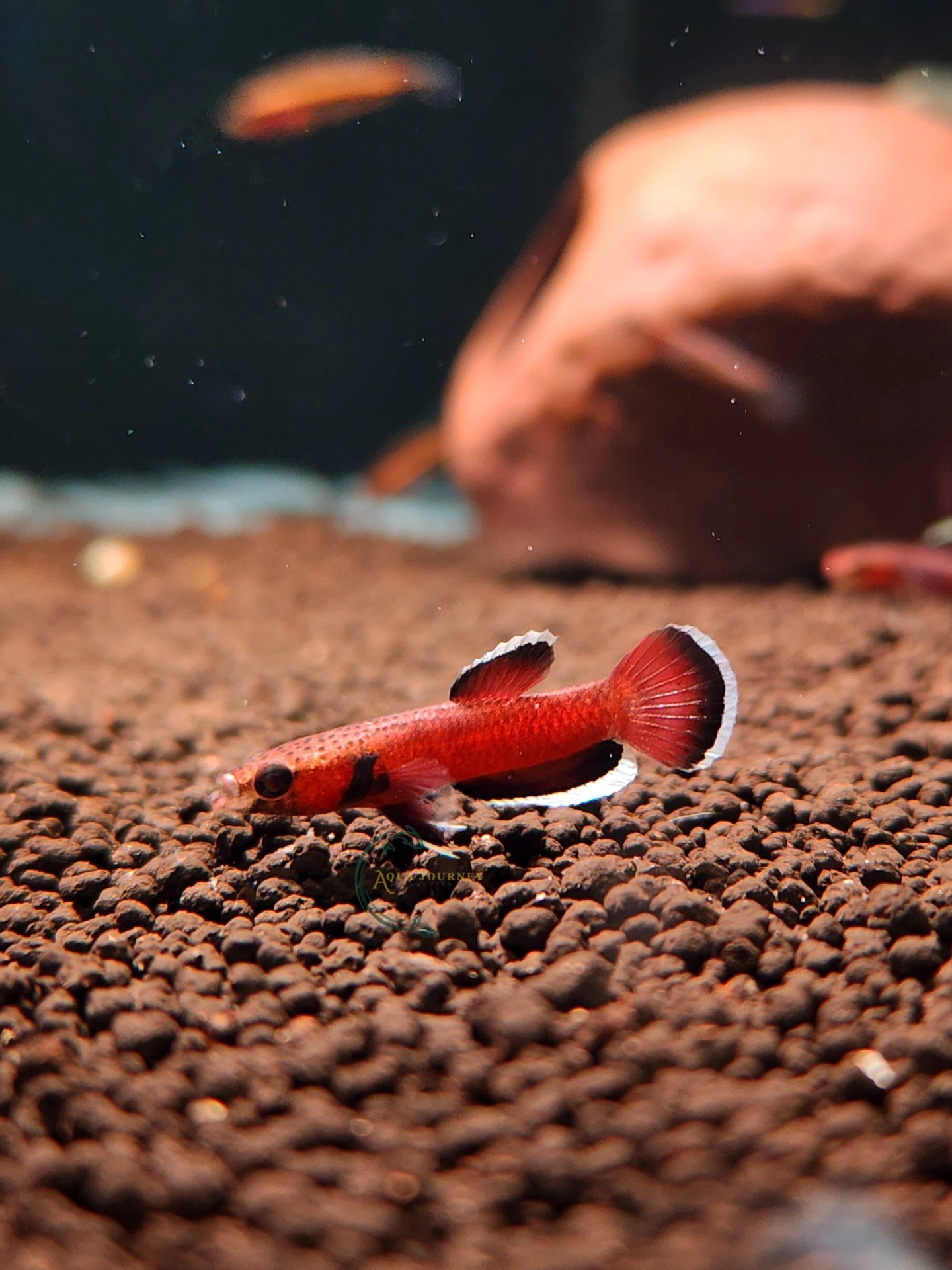
Their common name 'Strawberry Betta' comes from their rich red-orange coloration. This warm color is offset by distinctive white margins on their fins — hence 'albimarginata' (white-margined). The combination creates a striking appearance entirely different from the blues and greens of other popular wild bettas.
Unlike surface-oriented bubble nesters, Betta albimarginata are bottom-dwellers, spending most time among leaf litter. This behavioral difference requires different tank setup — they need horizontal space with substrate complexity rather than surface access.
They require cool, soft, extremely acidic water replicating Bornean forest streams. This specialization places them firmly in the 'advanced' category.
Natural Habitat & Origin
Conservation status: Endangered (EN)
Betta albimarginata is endemic to a limited area of East Kalimantan, Indonesian Borneo — specifically the Sebuku River drainage. They inhabit cool forest streams flowing through intact rainforest, where dense canopy cover maintains low temperatures and decomposing vegetation creates extremely soft, acidic blackwater.
Their natural habitat features shallow, slow-moving streams with substrates of sand, mud, and accumulated leaf litter. Water is tea-colored to nearly black from tannins, with pH frequently below 5.0. Temperature stays cool: 22-25°C (72-77°F).
The leaf litter layer is critical habitat — they spend most time among fallen leaves, hunting invertebrates. They're adapted to life near the bottom in shaded conditions.
Deforestation threatens this species' limited habitat. Captive breeding by hobbyists provides an important species reserve.
Native Region
Borneo — East Kalimantan, Indonesia (Sebuku River drainage)
Habitat Type
Cool forest streams, leaf litter zones, shaded blackwater
Wild Water Conditions
Cool (22-25°C), extremely soft, very acidic (pH 4.0-6.0), heavily tannin-stained
Appearance & Varieties
Males display rich strawberry-red to orange-red coloration with distinctive white margins on unpaired fins. During breeding condition, red intensifies remarkably while white margins become crisp. Body shape is slightly more elongated than bubble-nesting bettas. Adult size approximately 2 inches (5 cm).
Females show reduced coloration with less intense red and narrower white margins. Males carrying eggs/fry show visible throat distension and darkened coloration.
Popular Varieties
| Variety | Description | Rarity |
|---|---|---|
| Wild-Type | Standard strawberry-red body with white fin margins. The only form in trade. | Uncommon — specialty trade only |
| Locality Variants | Minor variation between collection localities in red intensity and margin width. | Rare — collector interest |
Tank Setup & Requirements
Quick Requirements Summary
Tank Size
Minimum Tank Size
10 gallons
Recommended Tank Size
15 gallons
Betta albimarginata require specific conditions replicating cool, extremely soft, acidic forest stream habitat. This is an advanced species.
Water Parameters
Temperature 22-26°C (72-79°F), pH 4.5-6.5 (prefer below 6.0), hardness 0-4 dGH (prefer near zero). The critical challenge: they require extremely soft, acidic, COOL water. Most tap water is unsuitable. RO or distilled water remineralized minimally is often necessary. Temperature should stay below 26°C.
Substrate
Fine sand with heavy leaf litter. Leaf litter is essential — not optional decoration but functional habitat. Indian almond leaves, oak leaves create the bottom environment they expect.
Plants & Decorations
Create a complex bottom environment with leaves, small driftwood, seed pods, and botanicals. This mimics their leaf litter habitat. Low-light plants (Java fern, Java moss, Bucephalandra, Cryptocoryne) may survive. Plants are optional; leaf litter is more important. Very dim lighting — approaching darkness. They inhabit shaded forest streams.
Filtration & Water Flow
Gentle — sponge filters ideal. Minimal current is essential. Avoid chemical filtration (carbon) which removes needed tannins. Air-driven sponge filters are simplest appropriate choice.
Lighting
Very dim — approaching darkness. They inhabit shaded forest streams with dense canopy. Many keepers use only ambient room light.
Diet & Feeding Guide
Diet Type
carnivore
Feeding Frequency
1-2 times daily, small portions
Portion Size
Very small amounts. Overfeeding fouls the soft, acidic water. Be patient with food acceptance.
Betta albimarginata are carnivores that can be finicky feeders, especially wild-caught specimens.
Best Foods for Strawberry Betta
- Live daphnia, moina, baby brine shrimp — Essential for wild-caught specimens. May refuse other foods initially.
- Frozen bloodworms, daphnia, brine shrimp — Accepted by aquarium-adapted specimens.
- Micro pellets — May be accepted by captive-bred fish. Not reliable for wild-caught.
Foods to Avoid
- Flake foods — Often refused entirely. Not appropriate as dietary staple.
- Large food items — Small mouths require appropriately-sized foods.
- Feeding brooding males — Males carrying eggs/fry cannot eat. Don't target them with food.
Some individuals take weeks to accept non-live foods. Multiple tiny feedings work better than single larger ones.
Behavior & Temperament
Betta albimarginata are bottom-dwellers, spending most time among leaf litter. Activity level is low; they're deliberate and methodical.
Male mouthbrooding is the defining behavior. After spawning, the male carries fertilized eggs for 10-17 days. During this time he cannot eat. Brooding males show visible throat distension and darker coloration.
When the male releases fry, they're fully developed and immediately capable of independent feeding — unlike bubble nest fry.
Male-male aggression is reduced compared to bubble nesters. Multiple males can coexist in adequately-sized tanks.
Tank Mates: Compatibility Guide
Compatible Tank Mates
Other Betta albimarginata
Best kept in species groups. Males relatively tolerant of each other.
Tiny rasboras tolerating acidic, soft conditions.
Share extreme blackwater requirements.
Peaceful bottom dwellers if they tolerate the extreme water chemistry.
Tank Mates to Avoid
Any fish requiring different water chemistry
Their extreme requirements exclude most tropical fish.
Domestic Betta
Different temperature preferences; hybridization risk.
Active, boisterous fish
Will stress these calm, shy fish.
Shrimp
Will hunt dwarf shrimp despite small size.
Common Pairing Questions
What makes mouthbrooding different?
Males hold eggs inside their mouths for ~2 weeks, unable to eat. Released fry are fully developed and immediately independent.
Can I keep them with other bettas?
Generally not recommended due to different temperature requirements and hybridization risk.
Mouthbrooding differs fundamentally from bubble nesting. After spawning, the male collects eggs in his mouth and carries them for 10-17 days. He cannot eat during this period. Released fry are well-developed and immediately capable of hunting micro-prey. Don't stress brooding males — disturbance can cause premature brood release.
Health Issues & Disease Prevention
Betta albimarginata are sensitive fish requiring precise conditions. Most health problems trace to environmental issues.
Common Diseases
| Disease | Symptoms | Treatment |
|---|---|---|
| Stress-related decline | Faded color, lethargy, hiding, refusing food. | Identify and correct environmental problems: temperature, pH, hardness. |
| Ich | White spots, scratching, clamped fins. | Temperature increase difficult due to cool-water needs. Mild salt treatment (0.1%) and gradual warming. |
| Bacterial infections | Fin rot, body lesions, cloudy eyes. | Improve water quality. Antibacterial medication cautiously. |
| Premature brood release | Male releases eggs or undeveloped fry early. | Prevention through stable, stress-free conditions. Address whatever stressed the male. |
Signs of a Healthy Strawberry Betta
- Vibrant strawberry coloration
- Active foraging in leaf litter
- Good appetite
- Clear white fin margins
- Males willing to brood
Prevention Tips
- Maintain extremely soft, acidic water
- Keep temperature cool (72-77°F)
- Provide adequate leaf litter habitat
- Minimize stress and disturbance
- Feed high-quality live foods
Frequently Asked Questions
Males hold fertilized eggs inside their mouths for approximately two weeks. They cannot eat during this time. Released fry are fully developed and immediately independent — requiring less intensive care than bubble nest fry.
They evolved in extremely specialized habitat — cool Bornean forest streams with very soft, acidic conditions. Their physiology is adapted to this chemistry. Replicating these conditions isn't optional for long-term success.
RO or distilled water remineralized minimally; peat filtration; heavy use of botanicals (Indian almond leaves, driftwood, alder cones). The goal is near-zero hardness and pH below 6.0.
Visible throat distension, inability to eat, darkened coloration, reclusive behavior, and distinctive mouth-working movements. Brooding lasts 10-17 days.
Classified as Vulnerable due to extremely limited range in East Kalimantan, Borneo, and ongoing habitat destruction. Aquarium populations maintained by hobbyists provide important species reserves.
Tips for Keeping Strawberry Betta
Pro Tips
- ✓Invest in an RO water system for their extreme water requirements.
- ✓Maintain heavy leaf litter — it's essential habitat, not decoration.
- ✓Keep it cool — temperatures above 78°F stress them.
- ✓Don't disturb brooding males — minimize disturbance during the 10-17 day cycle.
Common Mistakes to Avoid
- ✗Using untreated tap water — most is too hard and alkaline.
- ✗Keeping too warm — above 78°F causes stress.
- ✗Bright lighting — stresses fish adapted to shaded forest streams.
- ✗No leaf litter — missing essential habitat structure.
- ✗Stressing brooding males — causes premature brood release.
Sources
- FishBase — Accepted scientific name, maximum size and native range for Strawberry Betta.
- IUCN Red List — Endangered conservation assessment for Betta albimarginata.
Related Species You Might Like
View All Fish →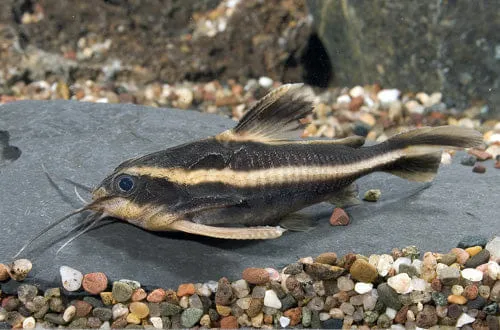
Striped Raphael Catfish
Platydoras armatulus
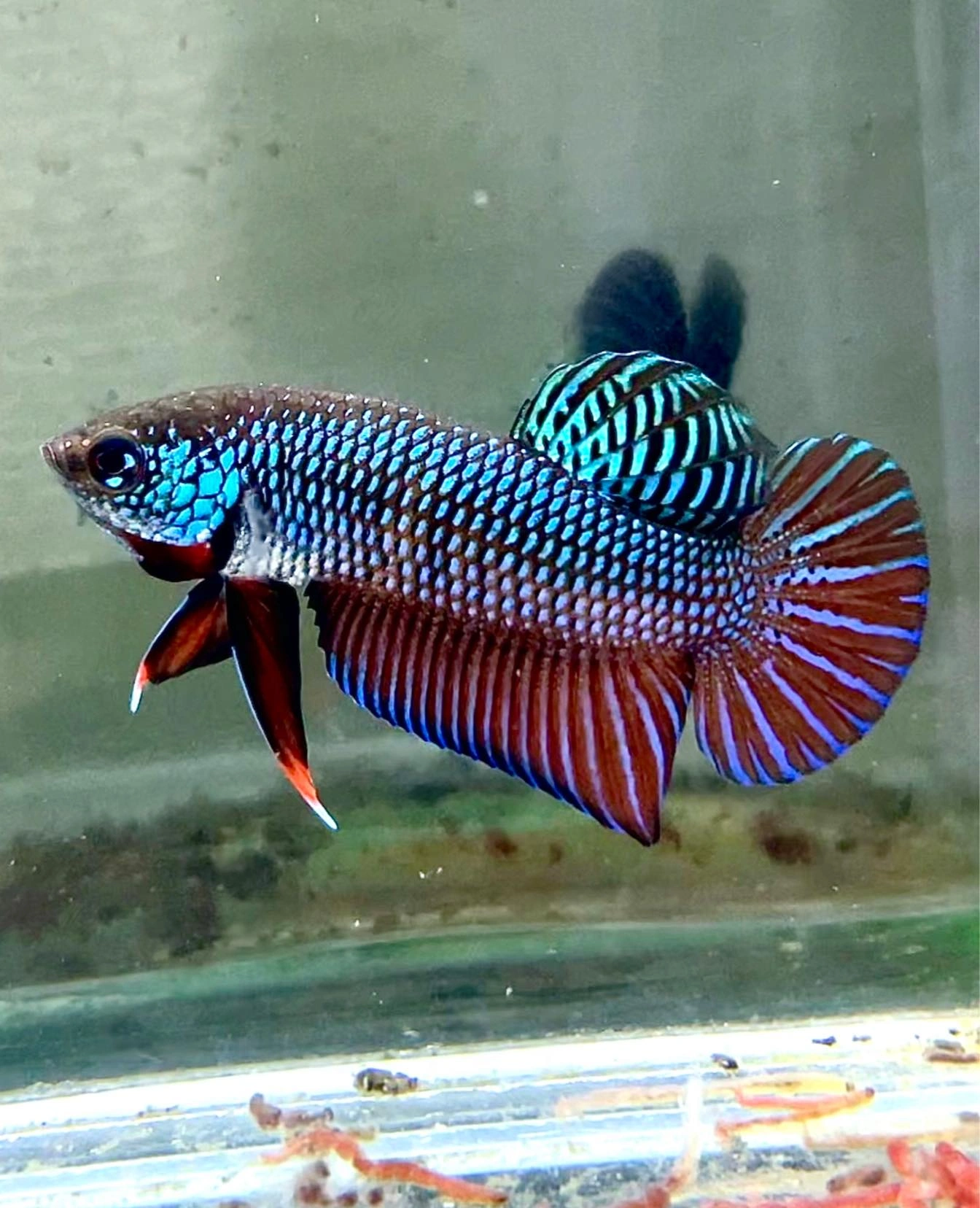
Emerald Betta
Betta smaragdina
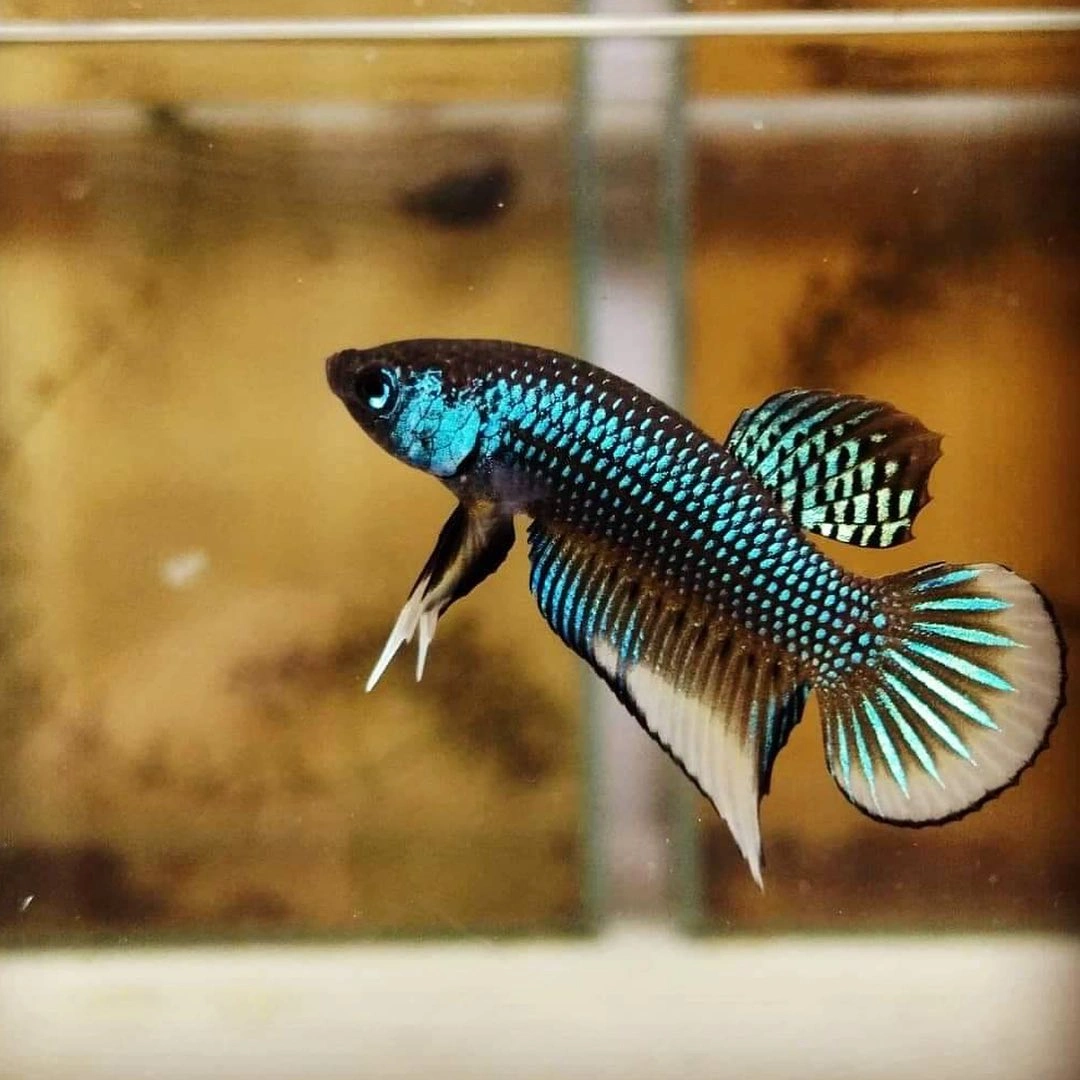
Peaceful Betta
Betta imbellis
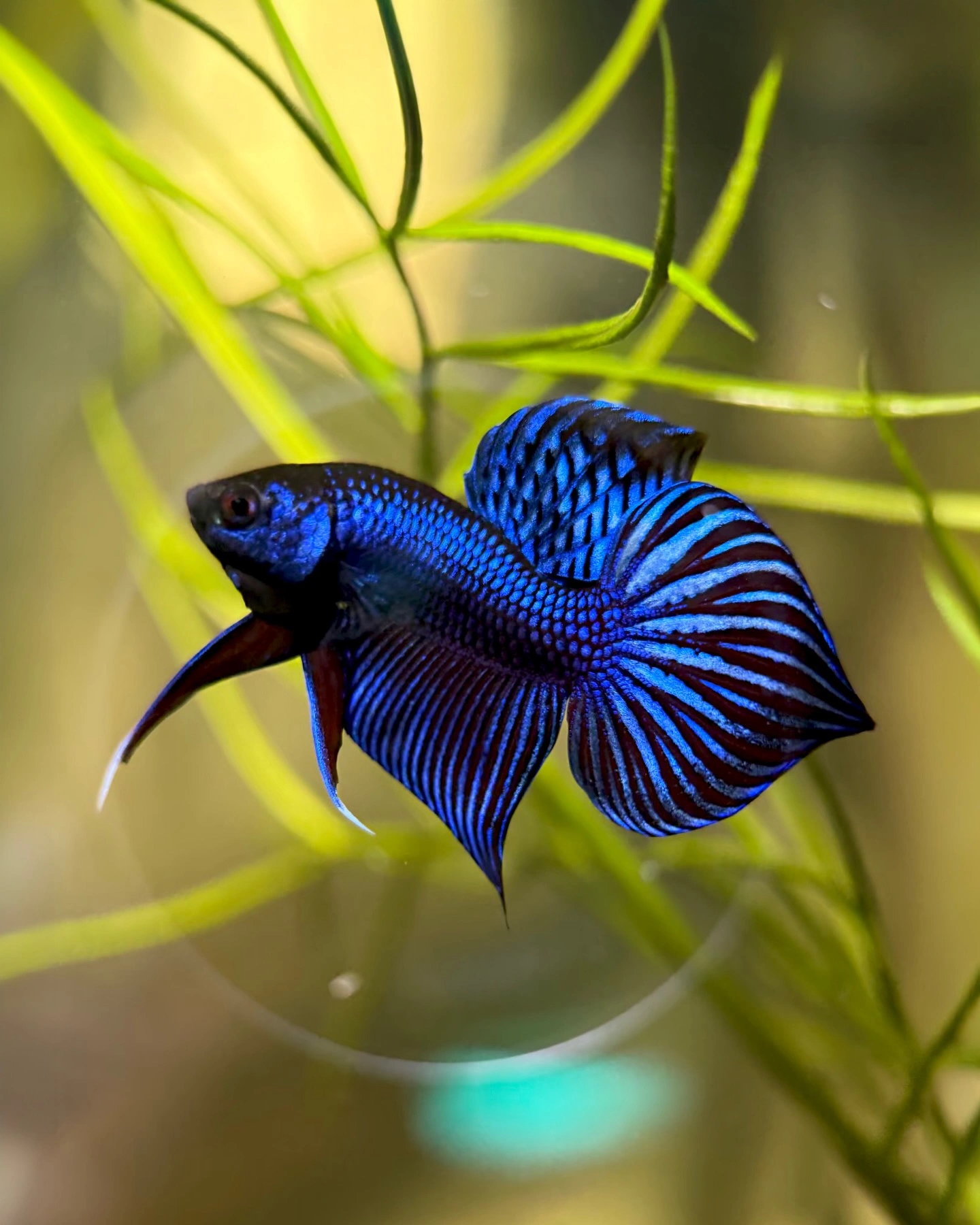
Mahachai Betta
Betta mahachaiensis
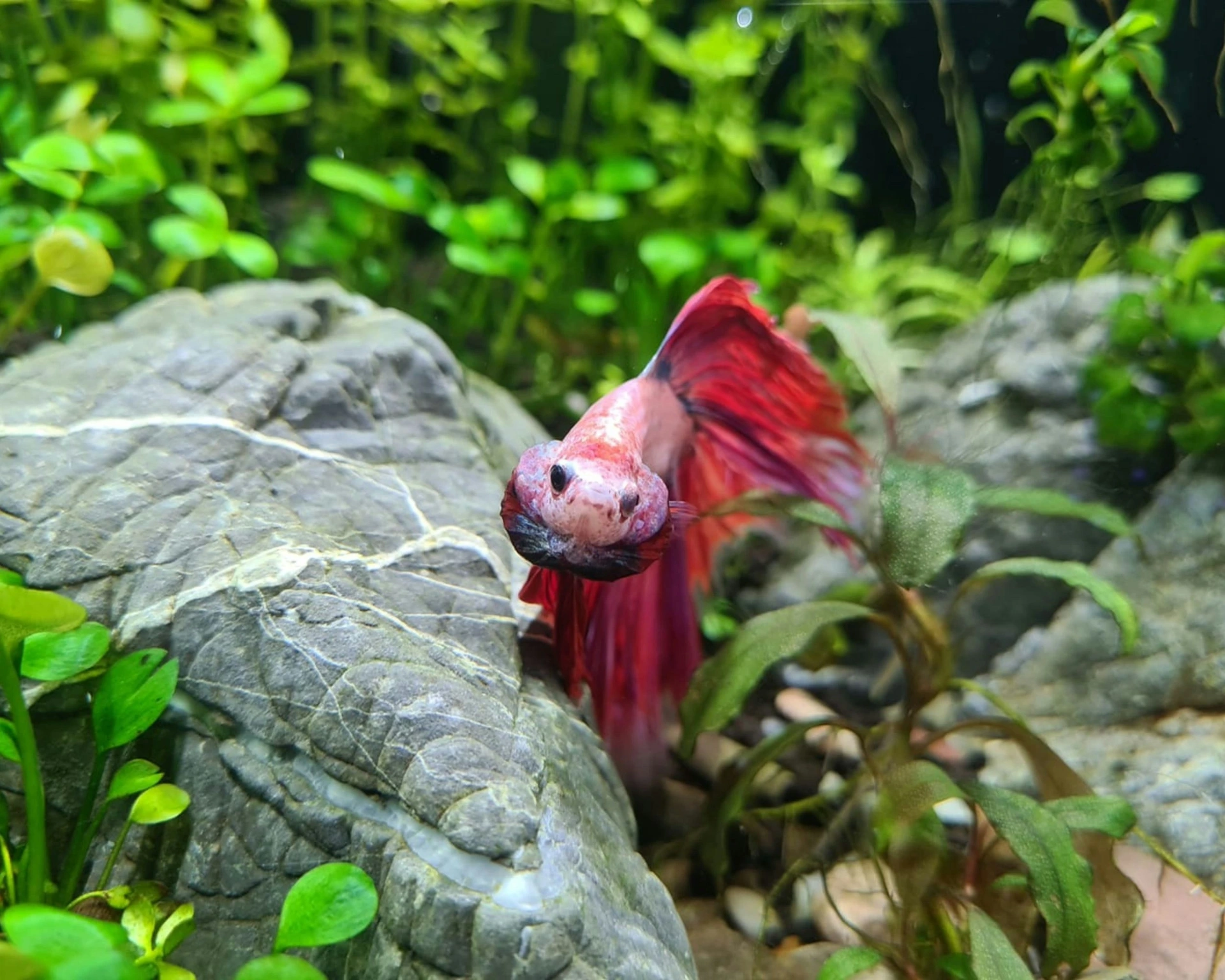
Betta
Betta splendens
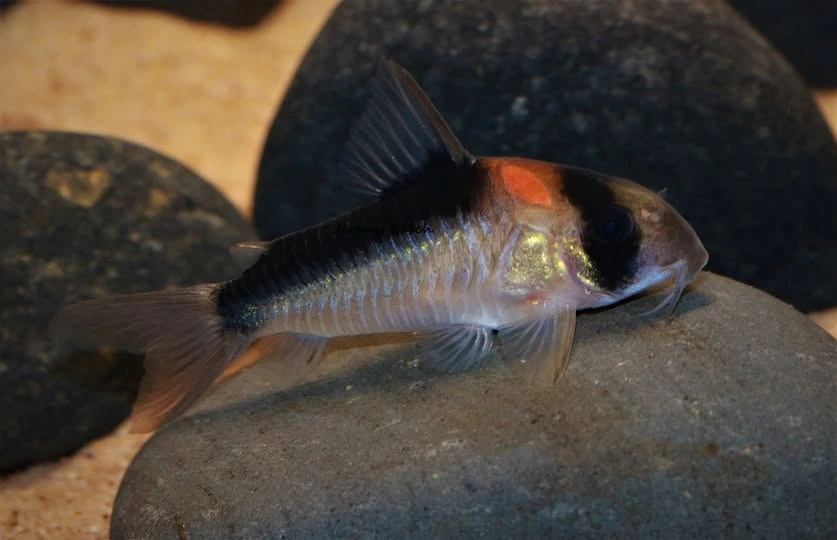
Adolfo's Corydoras
Corydoras adolfoi
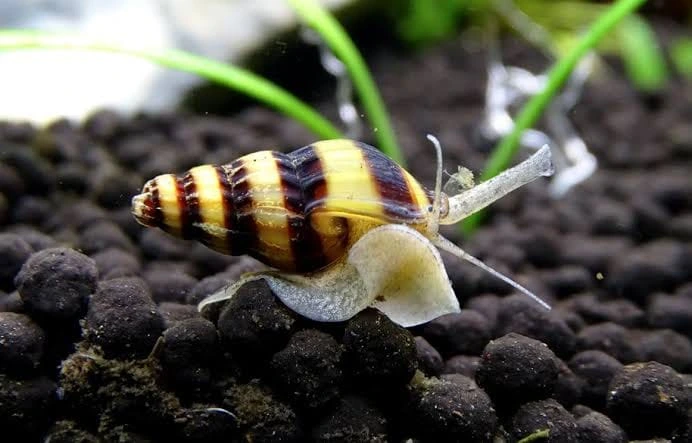
Assassin Snail
Clea helena
Axolotl
Ambystoma mexicanum
Ready to Add Strawberry Betta to Your Tank?
Use our free stocking calculator to check compatibility, bioload, and get personalized recommendations.