
Care Requirements
Adult Size
2.8" (7cm)
Min Tank
10 gal
Temperature
72-82°F
pH Range
5.5-7.5
Lifespan
3-5 years
Min Group
Can be kept alone
Diet
Carnivore
Swim Level
Middle
Bioload
1/10
Hardness
2-12 dGH
About Emerald Betta
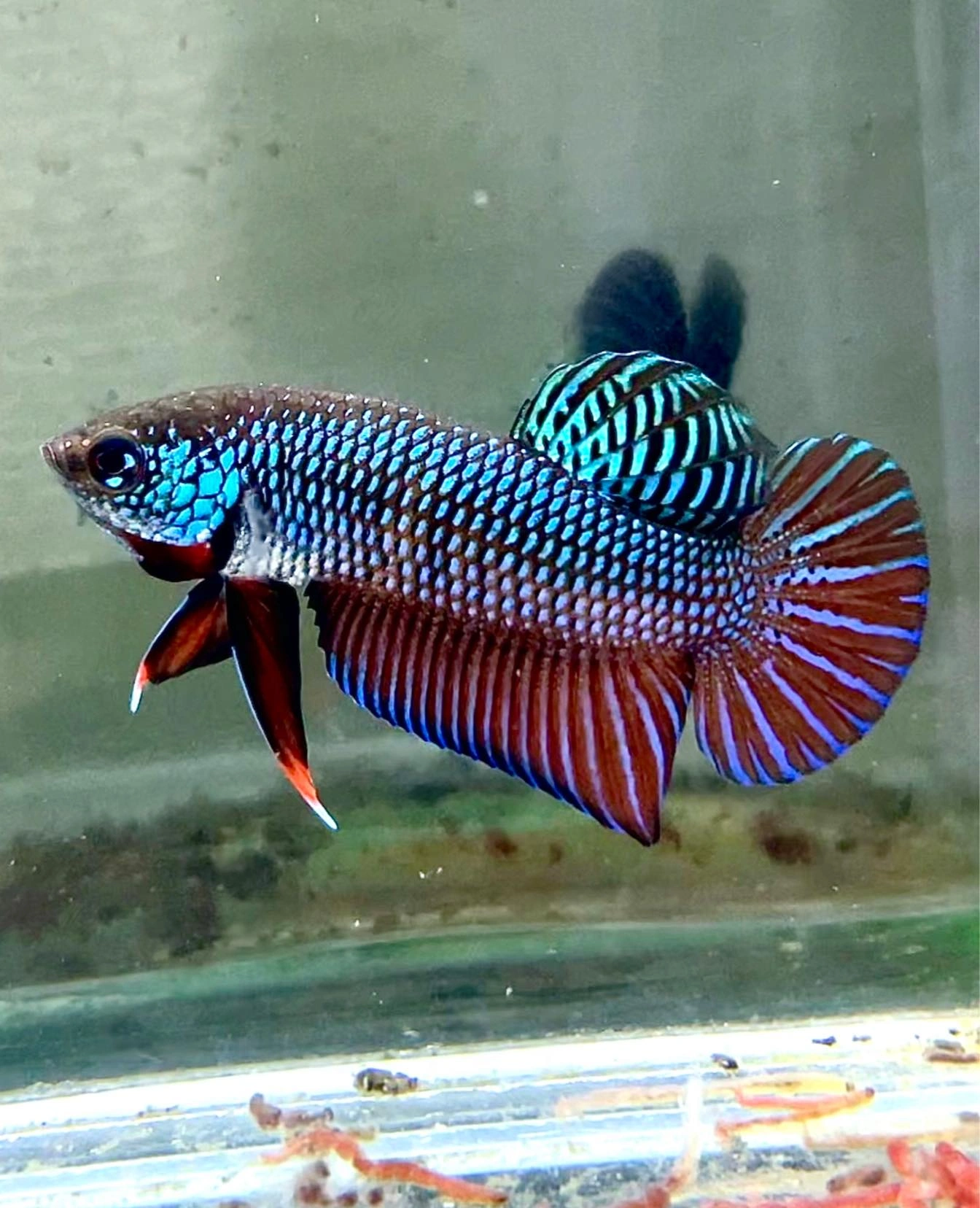
Betta smaragdina — the Emerald Betta — earns its name from breathtaking green iridescence that covers virtually the entire body. When light catches them correctly, males shimmer with jewel-like emerald green that rivals any domestic betta variety. This isn't painted-on color but structural iridescence created by light interacting with scale microstructure.
Native to the Mekong region of northeastern Thailand, Laos, and Cambodia, Betta smaragdina inhabits rice paddies, swamps, and seasonal floodplains. During dry seasons, fish concentrate into shrinking pools where survival depends on tolerance for poor conditions. This evolutionary pressure produced remarkably hardy fish.
Like Betta imbellis, B. smaragdina displays significantly reduced aggression compared to domestic bettas. Males can often coexist in appropriately-managed groups. They're one of several species that contributed genetics to domestic betta development — the emerald coloration of some domestic strains traces directly to B. smaragdina.
For aquarists, Betta smaragdina offers perhaps the most visually spectacular wild betta commonly available, combined with hardiness that forgives minor mistakes.
Natural Habitat & Origin
Betta smaragdina occupies the Khorat Plateau and surrounding lowlands of northeastern Thailand, extending into Laos and Cambodia. Their habitat consists primarily of rice paddies, swamps, marshes, and seasonal floodplains.
During monsoon seasons, vast areas flood creating shallow vegetated wetlands. As dry season approaches, waters recede concentrating fish into permanent pools. These refugia may become stagnant and oxygen-depleted — conditions their labyrinth organ handles by allowing atmospheric breathing.
The Isan region's water tends toward harder and more neutral pH than habitats of some other wild bettas — one reason B. smaragdina adapts more readily to typical aquarium conditions.
Wild populations face pressure from habitat modification, agricultural chemicals, and collection for both local fish fighting traditions and international aquarium trade.
Native Region
Southeast Asia — northeastern Thailand (Isan), Laos, Cambodia
Habitat Type
Rice paddies, swamps, seasonal floodplains, Mekong basin wetlands
Wild Water Conditions
Warm (24-30°C), soft to moderate hardness, pH 6.0-7.5, seasonal variation
Appearance & Varieties
Male Betta smaragdina in good condition rank among the most beautiful freshwater fish available. Intense emerald-green iridescence covers the body — structural color that shifts and intensifies with angle and lighting. Fins show iridescent blue-green rays with red to maroon membranes. The caudal fin often displays the classic 'spade' shape. Adult size reaches approximately 2.5-3 inches (6-7 cm).
Females show reduced iridescence, shorter fins, and more subdued appearance. Horizontal stress bars appear on both sexes when stressed.
Popular Varieties
| Variety | Description | Rarity |
|---|---|---|
| Wild-Type (Guitar Form) | The classic form with guitar-shaped caudal fin and intense emerald iridescence. | Common in specialty trade |
| Copper/Red Variants | Some populations show copper or reddish iridescence rather than pure green. | Occasional |
| Blue Variants | Individuals emphasizing blue over green iridescence. | Occasional |
Tank Setup & Requirements
Quick Requirements Summary
Tank Size
Minimum Tank Size
10 gallons
Recommended Tank Size
20 gallons
Betta smaragdina adapts to aquarium conditions more readily than many wild bettas due to their hardy nature and parameter tolerance.
Water Parameters
Temperature 22-28°C (72-82°F), pH 5.5-7.5, hardness 2-12 dGH. More tolerant of moderate hardness and neutral pH than some wild bettas. They still prefer soft, slightly acidic conditions for optimal coloration but adapt to a wider range.
Substrate
Dark sand or gravel showcases their emerald iridescence dramatically. Aquasoil substrates beneficial but not required. Natural appearance with leaf litter enhances both aesthetics and fish comfort.
Plants & Decorations
Dense planting highly recommended — plants break sight lines (critical for reducing aggression), provide cover, and create territories. Indian almond leaves and driftwood release beneficial tannins. Floating plants diffuse light and provide surface cover. Caves and dense thickets give refuge to females and subdominant males.
Filtration & Water Flow
Gentle — sponge filters work excellently. They're adapted to still water; strong current causes stress. If using stronger filters, baffle output significantly.
Lighting
Moderate lighting showcases their spectacular iridescence. Unlike some fish that prefer dim conditions, reasonable illumination makes them sparkle. Provide some shaded areas for comfort with floating plants.
Diet & Feeding Guide
Diet Type
carnivore
Feeding Frequency
1-2 times daily
Portion Size
Small amounts consumed within 2-3 minutes. Prone to overfeeding. Fasting one day weekly supports digestive health.
Betta smaragdina are carnivores requiring protein-rich diets. They accept prepared foods more readily than some wild bettas.
Best Foods for Emerald Betta
- Live mosquito larvae, daphnia, brine shrimp — Trigger strong feeding response and provide excellent nutrition.
- Frozen bloodworms, brine shrimp, daphnia — Readily accepted by most specimens. Excellent staple.
- High-quality betta pellets — Usually accepted, especially captive-bred fish. Convenient staple.
- Freeze-dried foods — Convenient treats. Soak before feeding to prevent digestive issues.
Foods to Avoid
- Low-protein or plant-based foods — They're carnivores; plant-heavy foods don't meet nutritional needs.
- Oversized food items — They still need appropriately-sized food.
- Flakes exclusively — Insufficient nutrition alone. Supplement with higher-quality options.
When conditioning for breeding, increase live food frequency. Variety across food types provides complete nutrition.
Behavior & Temperament
Betta smaragdina displays the behavioral repertoire of bubble-nesting bettas while showing significantly reduced aggression compared to domestic splendens. Males establish territories, display to rivals and mates, build bubble nests, and care for eggs — but conflicts rarely escalate to serious injury when space and cover are adequate.
Male displays are spectacular: full fin extension, intense color brightening, gill flaring, and lateral presentation. The displaying male's emerald iridescence intensifies to maximum brilliance.
They spend considerable time near the surface for labyrinth breathing and bubble nesting. Activity level is moderate. Courtship involves intense male display toward females, with receptive females showing vertical barring.
Tank Mates: Compatibility Guide
Compatible Tank Mates
Peaceful, share Southeast Asian habitat preferences.
Peaceful bottom dwellers occupying different zone.
Peaceful, nocturnal, share biotope.
Non-nippy species coexist well.
Peaceful cleanup crew.
Tank Mates to Avoid
Domestic Betta
Hybridization risk; domestic males extremely aggressive.
Other Betta species
Risk of hybridization compromising wild genetics.
Serpae Tetra
Fin nippers will damage betta fins.
Cherry Shrimp
Will hunt dwarf shrimp.
Dwarf Gourami
Related anabantoids may trigger territorial responses.
Common Pairing Questions
Can Betta smaragdina live with domestic bettas?
Absolutely not — hybridization risk and domestic males are far more aggressive.
How many can I keep together?
Single male in 10+ gal. Male with females in 20+ gal. Multiple males in 30+ gal with heavy planting.
Betta smaragdina breeding follows the bubble-nesting pattern and is very achievable. Males show intense emerald iridescence, longer fins, and build bubble nests. Spawning occurs in the classic betta embrace beneath the nest. Males guard eggs devotedly. Eggs hatch in 24-48 hours; fry become free-swimming after 3-5 days.
Health Issues & Disease Prevention
Betta smaragdina are hardy for wild bettas — their adaptation to variable seasonal conditions translates to aquarium tolerance.
Common Diseases
| Disease | Symptoms | Treatment |
|---|---|---|
| Fin rot | Deteriorating fin edges, progressive tissue loss. | Improve water quality. Antibacterial medication for severe cases. |
| Ich | White spots, scratching, clamped fins. | Raise temperature to 82-84°F. Add aquarium salt. Usually resolves quickly. |
| Velvet | Gold dusty appearance, scratching, labored breathing. | Dim lighting, raise temperature, copper medication. |
| Constipation | Bloated belly, loss of appetite. | Fast 2-3 days, then feed daphnia. Prevent through varied diet. |
Signs of a Healthy Emerald Betta
- Vivid emerald coloration
- Alert, active behavior
- Good appetite
- Clear eyes
- Intact, spread fins
Prevention Tips
- Maintain clean water with regular changes
- Avoid overfeeding
- Provide varied diet
- Maintain stable parameters
- Quarantine new additions
Frequently Asked Questions
Their emerald color is structural iridescence requiring proper conditions. Stress, poor water quality, inadequate diet, and bright lighting all cause color fading. Give new fish time to settle — usually a few weeks — while providing soft, slightly acidic water and high-quality foods.
Absolutely not. They can hybridize, compromising wild genetics. Domestic males are far more aggressive and would likely attack. Keep species completely separate.
Single male works in 10+ gallons. Male with 2-3 females in 20+ gallons. Multiple males potentially in 30+ gallons with extensive cover. Start with young fish that grow up together.
They're hardier and more tolerant of parameter variation, but have less availability and higher cost. They're among the easiest wild betta species — a good entry point for intermediate keepers.
Specialty fish stores, aquarium society meetings, online breeders specializing in wild bettas. Expect $15-40 depending on quality. Captive-bred specimens are preferable.
Tips for Keeping Emerald Betta
Pro Tips
- ✓Light positioning showcases their color — experiment with angles to maximize the green shimmer.
- ✓Moderate hardness is fine — they tolerate it better than most wild bettas due to Mekong basin origins.
- ✓Watch spawning behavior — the breeding sequence is genuinely fascinating.
- ✓Obtain from reputable breeders for pure genetics — hybridization is common in trade.
Common Mistakes to Avoid
- ✗Keeping in high-flow tanks — stress and exhaustion from fighting current.
- ✗Housing with domestic bettas — hybridization or aggression.
- ✗Expecting immediate peak coloration — stressed new arrivals appear dull. Give time to settle.
- ✗Insufficient cover for groups — increased aggression without sight-line breaks.
- ✗Overfeeding — constipation and bloat are common betta ailments.
Sources
- FishBase — Accepted scientific name, maximum size and native range for Emerald Betta.
Related Species You Might Like
View All Fish →
Emperor Tetra
Nematobrycon palmeri
Peaceful Betta
Betta imbellis
Strawberry Betta
Betta albimarginata
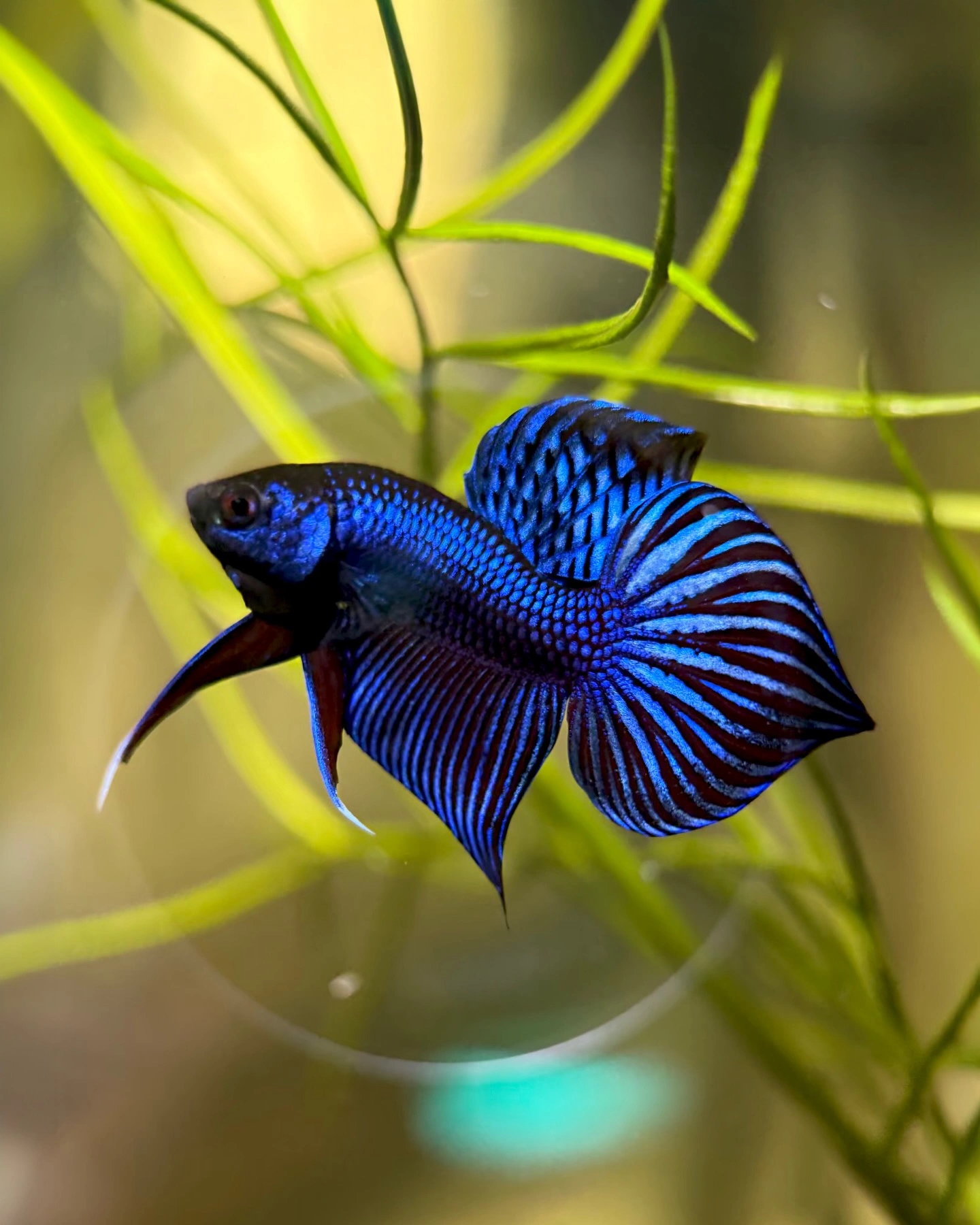
Mahachai Betta
Betta mahachaiensis
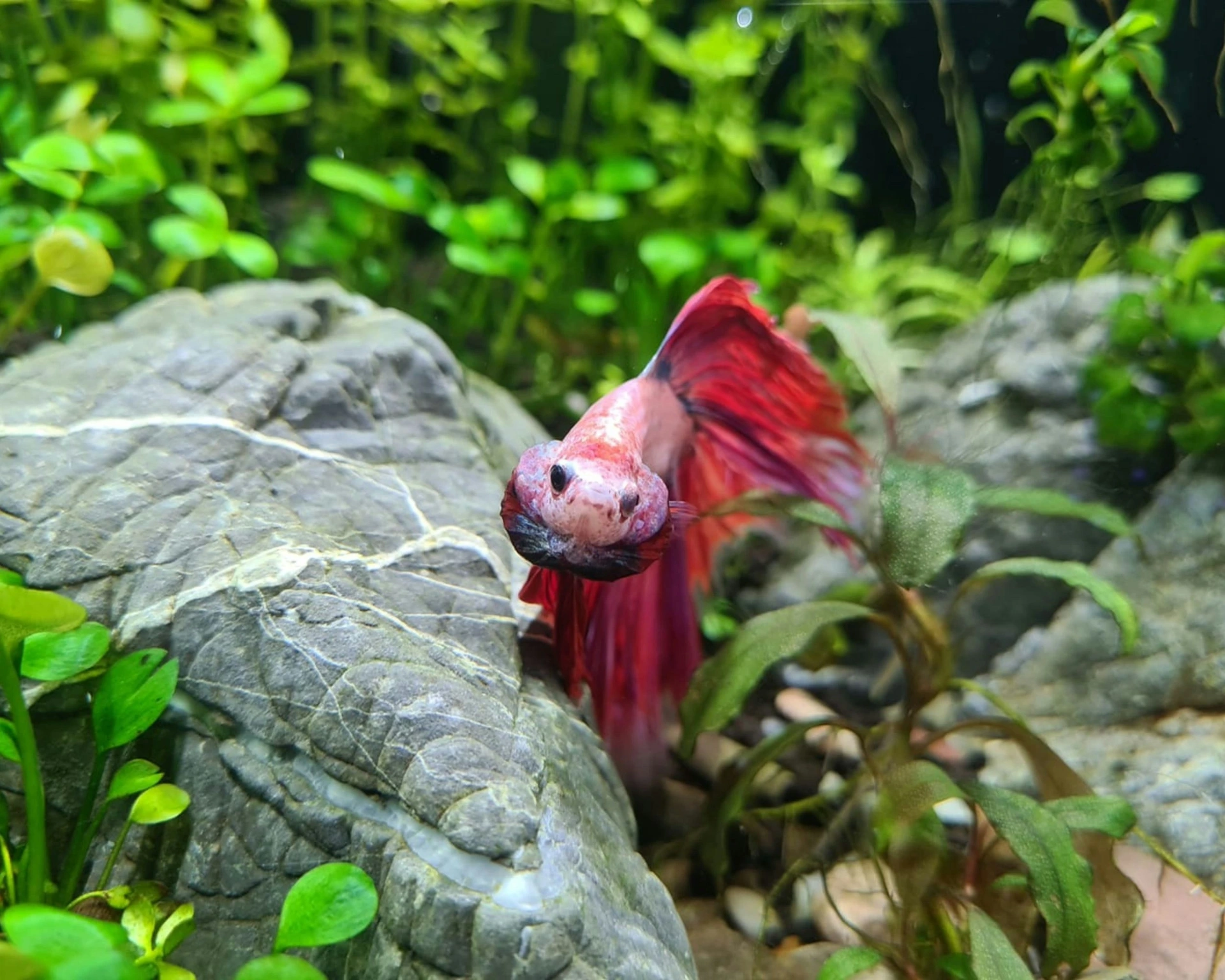
Betta
Betta splendens
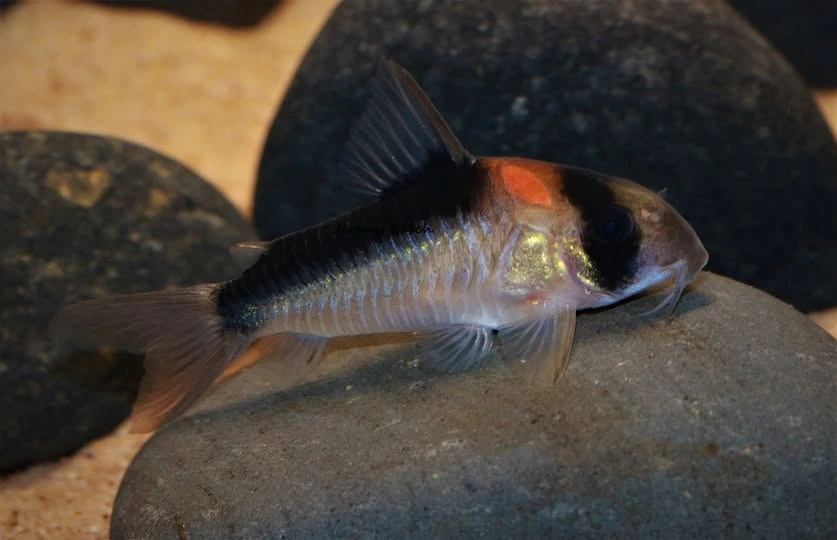
Adolfo's Corydoras
Corydoras adolfoi
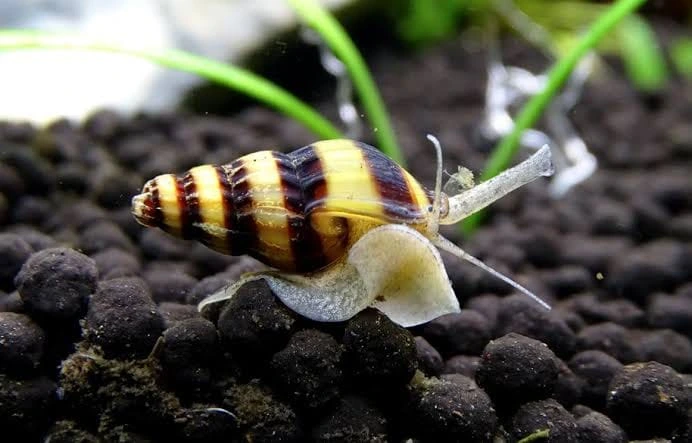
Assassin Snail
Clea helena
Axolotl
Ambystoma mexicanum
Ready to Add Emerald Betta to Your Tank?
Use our free stocking calculator to check compatibility, bioload, and get personalized recommendations.