
Care Requirements
Adult Size
2.0" (5cm)
Min Tank
20 gal
Temperature
73-81°F
pH Range
5.5-7.5
Lifespan
5-6 years
Min Group
6+ fish
Diet
Omnivore
Swim Level
Middle
Bioload
1/10
Hardness
1-12 dGH
About Emperor Tetra
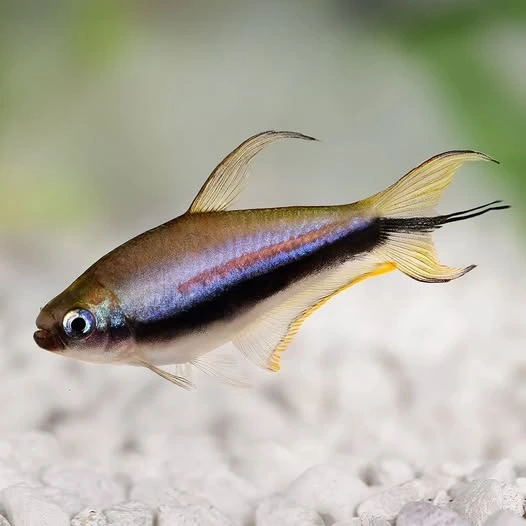
The Emperor Tetra earns its regal name through stunning appearance and dignified demeanor. Males develop deep purple-blue iridescence along their flanks, accented by a distinctive three-pronged 'trident' tail fin that no other common tetra possesses. Their commanding presence and moderate size make them standout fish that draw attention without overwhelming a community tank.
Unlike many tetras that form tight, synchronized schools, Emperor Tetras prefer loose aggregations where individuals maintain personal space while staying within visual contact of the group. Males especially establish small territories and display to each other with flared fins and intensified coloration. This behavior makes them more interesting to watch than tetras that simply move as an undifferentiated mass.
Their moderate size of around 2 inches places them between nano tetras and larger species like Congos. This makes them versatile community fish — large enough to hold their own with medium tankmates but not so large they intimidate smaller species. They're substantial fish with genuine presence.
Emperor Tetras are hardy and adaptable, thriving across a range of conditions that makes them suitable for beginners. Their combination of beauty, interesting behavior, and ease of care explains their enduring popularity since their introduction to the hobby in the 1960s. Few tetras offer such an attractive package.
Natural Habitat & Origin
Emperor Tetras originate from Colombia's Pacific slope rivers — primarily the Atrato and San Juan River basins. These rivers flow through tropical rainforest, carrying soft, slightly acidic water with abundant organic material. The fish inhabit slow-moving tributaries, backwaters, and flooded forest areas with dense vegetation.
Their natural habitat features dim lighting filtered through forest canopy, dark substrates of decomposing leaves and organic debris, and extensive plant cover. The water is warm year-round, typically 24-27°C, with minimal seasonal variation in this equatorial region.
This restricted Colombian range means wild populations face habitat pressure from deforestation and development. However, Emperor Tetras breed readily in captivity, and virtually all aquarium specimens are tank-bred.
Understanding their forest stream origins explains their preferences: subdued lighting, dark substrate, plant cover, and soft water bring out their best coloration and behavior.
Native Region
Colombia — Atrato and San Juan River basins (Pacific slope)
Habitat Type
Slow-moving forest streams, tributaries, and flooded areas with dense vegetation
Wild Water Conditions
Warm (24-27°C), soft, slightly acidic, shaded by forest canopy
Appearance & Varieties
Male Emperor Tetras are genuinely beautiful fish. Their bodies display deep purple-blue iridescence that shifts with lighting and angle, most intense along the lateral line. A dark horizontal stripe runs from the snout through the eye to the tail base, bordered above by iridescent blue. The eye is a striking blue-green.
The most distinctive feature is the male's caudal fin — uniquely shaped with extended central rays creating a three-pronged 'trident' appearance found in no other common aquarium tetra.
Females are attractive but less dramatic — they show similar body shape and markings but lack the intense purple iridescence, have shorter fins, and possess a standard forked tail.
Adults reach approximately 2 inches (5 cm), with males appearing larger due to extended finnage.
Popular Varieties
| Variety | Description | Rarity |
|---|---|---|
| Standard/Wild-Type | Purple-blue iridescent males with trident tail, olive-toned females. The overwhelmingly common form in the hobby. | Very Common |
| Black Emperor Tetra | Darker variant with deeper black coloration and reduced iridescence. Sometimes sold as a separate species but is a color form of N. palmeri. | Rare |
Tank Setup & Requirements
Quick Requirements Summary
Tank Size
Minimum Tank Size
20 gallons
Recommended Tank Size
30 gallons
Emperor Tetras are adaptable fish that thrive in various setups, but certain conditions bring out their best appearance and behavior.
Water Parameters
Adaptable to a range of conditions. Best coloration in soft, slightly acidic water but thrive in moderately hard, neutral conditions. Temperature 23-27°C (73-81°F), pH 5.5-7.5, hardness 1-12 dGH.
Substrate
Dark substrates enhance their iridescent coloration dramatically. Black sand, dark gravel, or planted tank soils all work well.
Plants & Decorations
Filtration & Water Flow
Don't require strong current — moderate filtration maintaining water quality is sufficient.
Lighting
Subdued lighting or heavily planted tanks with diffused light bring out their best coloration. Floating plants help.
Diet & Feeding Guide
Diet Type
omnivore
Feeding Frequency
Once or twice daily
Portion Size
Amount consumed within 2-3 minutes
Emperor Tetras are unfussy omnivores. A varied diet maintains health and enhances their purple coloration — color-enhancing foods can intensify their iridescence noticeably.
Best Foods for Emperor Tetra
- High-quality flake food — Staple diet providing balanced nutrition.
- Micro pellets — Small floating or slow-sinking pellets. Good variety from flakes.
- Frozen bloodworms — Excellent protein source. Feed 2-3 times weekly. Enhances coloration.
- Frozen brine shrimp — Readily accepted. Provides variety and enrichment.
- Color-enhancing foods — Foods with carotenoids intensify their purple iridescence. Worth including regularly.
- Live foods — Brine shrimp, daphnia, mosquito larvae trigger enthusiastic feeding. Excellent for conditioning.
Foods to Avoid
- Large pellets — Moderate-sized mouths — very large foods are difficult to consume.
- Exclusively one food type — Variety maintains health and coloration. Include frozen and live foods regularly.
Multiple small feedings suit them. They're moderate eaters.
Behavior & Temperament
Emperor Tetras display more individual personality than typical schooling tetras. Rather than forming tight, synchronized schools, they maintain loose aggregations where fish stay within visual contact but maintain personal space.
Males are mildly territorial, establishing small domains and displaying to rivals with fin flaring, intensified coloration, and parallel swimming — impressive but rarely resulting in actual contact or injury.
Despite male displays, Emperor Tetras are peaceful community fish. Their 'aggression' is entirely directed at conspecific males during display and never involves other species.
Their activity level is moderate — neither hyperactive nor sedentary. They cruise through the tank, investigate their environment, display to each other, and rest in favored spots.
Tank Mates: Compatibility Guide
Compatible Tank Mates
Coexist well with similarly peaceful tetras in community tanks.
Classic combination — Corys occupy the bottom while Emperors cruise mid-water.
Peaceful schooling fish that complement rather than compete.
Rams and Apistogramma coexist well in planted community tanks.
Honey and Pearl Gouramis make good companions.
Different zones and feeding strategies. Completely ignore each other.
Tank Mates to Avoid
Fin nippers
Male Emperor Tetras' flowing fins make tempting targets for nippy species like Tiger Barbs.
Large aggressive fish
Any fish that might bully or eat them.
Very small shrimp
May prey on small shrimp and shrimplets. Not reliably shrimp-safe.
Very fast, aggressive feeders
Emperor Tetras are moderate eaters that can be outcompeted by frantic feeders.
Common Pairing Questions
Can Emperor Tetras live with Neon Tetras?
Yes — excellent combination. Both are peaceful mid-water tetras that complement each other visually.
Can Emperor Tetras live with Bettas?
Possible but risky. Male Emperor Tetras' flowing fins could provoke some Bettas.
Emperor Tetras can be bred in aquariums. They're egg scatterers that spawn among fine-leaved plants with no parental care. Breeding setup should include soft, acidic water (pH 6.0-6.5), dim lighting, and fine-leaved plants. Eggs hatch in 24-36 hours, with fry free-swimming in 3-4 days.
Health Issues & Disease Prevention
Emperor Tetras are hardy fish that rarely develop problems when basic care requirements are met.
Common Diseases
| Disease | Symptoms | Treatment |
|---|---|---|
| Ich (White Spot Disease) | Small white spots on body and fins, flashing against objects, clamped fins. | Raise temperature to 28-30°C for 10-14 days. Commercial ich medications effective. |
| Fin Rot | Deteriorating fin edges, ragged appearance. Often starts with male's flowing fins. | Improve water quality. Antibacterial medication for severe cases. |
| Neon Tetra Disease | Fading coloration, difficulty swimming, curved spine, isolation. | No cure exists. Euthanize affected fish and monitor others. |
| Stress-Related Issues | Faded color, hiding, loss of appetite. | Identify and address stressors — improve water quality, remove aggressive fish, provide hiding spots. |
Signs of a Healthy Emperor Tetra
- Vibrant purple-blue iridescence (males)
- Active but not frantic swimming
- Clear, bright blue-green eyes
- Intact, flowing fins
- Regular eating
- Males displaying to each other
Prevention Tips
- Maintain good water quality with regular changes
- Provide appropriate group size (6+)
- Avoid fin-nipping tankmates
- Feed varied diet including color-enhancing foods
- Keep lighting moderate
- Quarantine new fish
Frequently Asked Questions
Several factors affect coloration: lighting (very bright light washes out iridescence), substrate (pale substrates reduce color intensity), stress, diet (varied foods including color enhancers help), and maturity (juveniles show less color than adults).
Males display to each other with flared fins and intensified color, but this ritualistic behavior rarely involves contact or injury. Toward other species, Emperor Tetras are completely peaceful.
Males are more colorful with intense purple-blue iridescence, extended dorsal and anal fins, and the distinctive three-pronged 'trident' caudal fin. Females are plumper, more olive-toned, with shorter fins.
They form loose aggregations rather than tight schools. Males especially establish small territories. This loose grouping behavior makes them more interesting to watch.
Yes — they're hardy, adaptable, and undemanding. The main consideration is avoiding fin-nipping tankmates.
Not reliably. They may prey on small shrimp and shrimplets. Choose smaller, more reliably shrimp-safe tetras like Ember Tetras if keeping shrimp is a priority.
Tips for Keeping Emperor Tetra
Pro Tips
- ✓Dark substrate transforms their appearance — intensifies purple iridescence dramatically.
- ✓Allow male territories to develop for the most interesting behavior.
- ✓Subdued lighting enhances iridescence — floating plants help.
- ✓Color-enhancing foods with carotenoids noticeably intensify purple coloration over time.
Common Mistakes to Avoid
- ✗Using pale substrate — washed-out coloration.
- ✗Keeping with fin nippers — damaged trident tail.
- ✗Very bright lighting — faded iridescence.
- ✗Expecting tight schooling — they form loose groups.
- ✗Keeping too few — keep 6+ for social security.
Sources
- FishBase — Accepted scientific name, maximum size and native range for Emperor Tetra.
Related Species You Might Like
View All Fish →
Endlers Livebearer
Poecilia wingei
Black Neon Tetra
Hyphessobrycon herbertaxelrodi
Black Phantom Tetra
Hyphessobrycon megalopterus
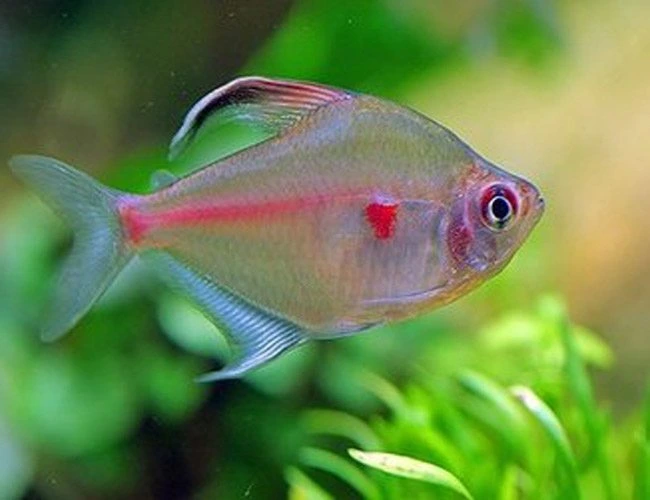
Bleeding Heart Tetra
Hyphessobrycon erythrostigma
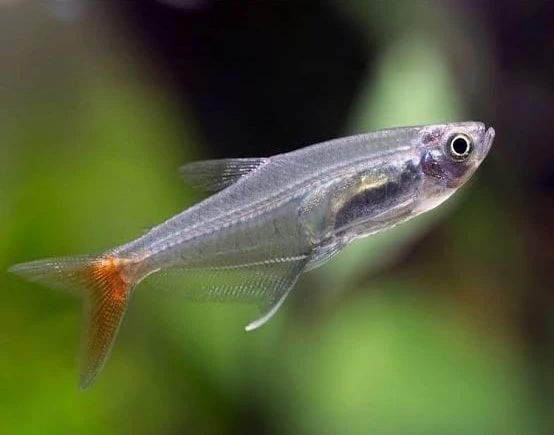
Bloodfin Tetra
Aphyocharax anisitsi
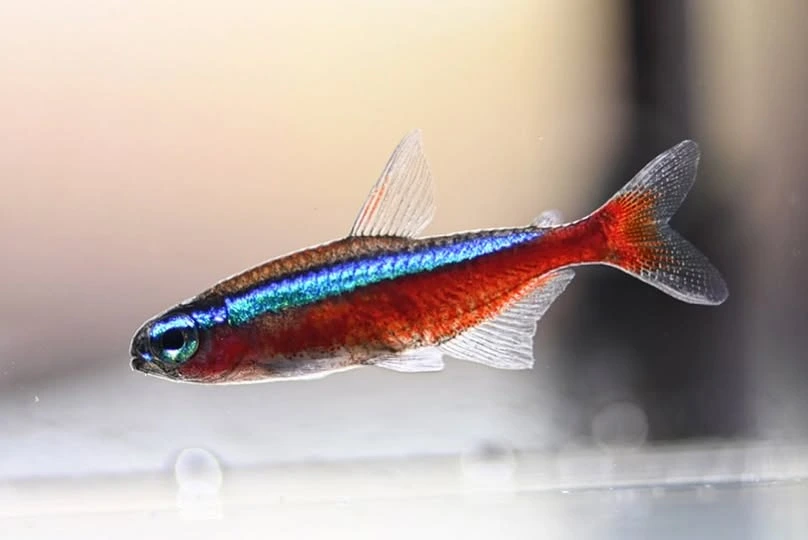
Cardinal Tetra
Paracheirodon axelrodi

Colombian Tetra
Hyphessobrycon columbianus
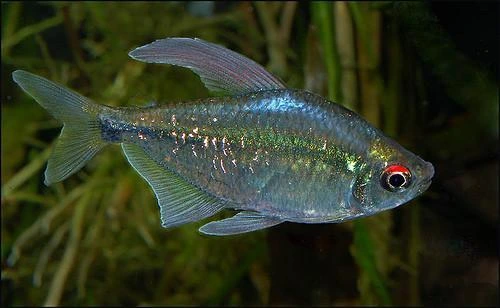
Diamond Tetra
Moenkhausia pittieri
Ready to Add Emperor Tetra to Your Tank?
Use our free stocking calculator to check compatibility, bioload, and get personalized recommendations.