
Care Requirements
Adult Size
0.8" (2cm)
Min Tank
5 gal
Temperature
64-79°F
pH Range
6.5-7.5
Lifespan
3-4 years
Min Group
Can be kept alone
Diet
Carnivore
Swim Level
Bottom
Bioload
1/10
Hardness
2-15 dGH
About Scarlet Badis
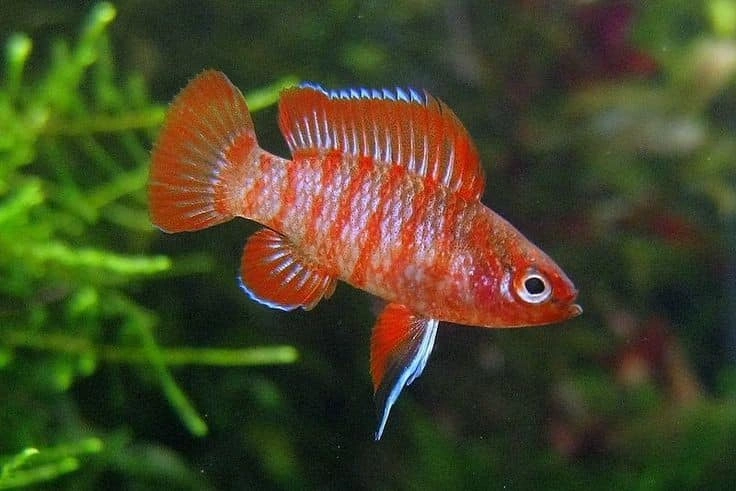
The Scarlet Badis is a living jewel — at under an inch fully grown, males display coloration rivaling marine fish with intense red-orange bars alternating with iridescent blue stripes. They're among the most beautiful nano fish available, packing breathtaking color into a tiny package. Watching a displaying male is genuinely spectacular despite their diminutive size.
Despite the common name, Scarlet Badis aren't actually members of the Badis genus. They belong to genus Dario, a closely related group that was separated taxonomically. This distinction matters little for care but explains why they're sometimes labeled 'Dario dario' or 'Scarlet Gem' in addition to 'Scarlet Badis.'
Their care presents specific challenges that make them intermediate-level fish. The primary difficulty is feeding: Scarlet Badis are micro-predators that almost universally refuse prepared foods. They require live or frozen foods small enough for their tiny mouths — typically baby brine shrimp, daphnia, or similar fare. Keepers must commit to providing appropriate foods.
Males are intensely territorial and will fight if crowded. Despite their size, male-male aggression can cause injury or death in confined spaces. However, their territories are small enough that a 10-gallon tank can support multiple males with adequate structure. Understanding their social needs prevents problems and allows appreciation of their display behavior.
Natural Habitat & Origin
Scarlet Badis originate from the Brahmaputra River basin in northeastern India, specifically tributaries in West Bengal and Assam. They inhabit clear, shallow streams with slow to moderate current, typically among dense vegetation, leaf litter, and marginal areas where they hunt tiny invertebrates.
Their natural habitat features warm temperatures during summer months but cooler conditions in winter — they tolerate temperature ranges broader than many tropical fish. The water is typically soft to moderately hard with neutral to slightly acidic pH. Dense plant growth provides hunting grounds and territorial boundaries.
In the wild, males establish tiny territories in structured areas — among plants, roots, or debris — and defend these aggressively from rival males. Females and juveniles occupy peripheral areas. This territorial system explains aquarium behavior patterns.
Their restricted Indian range means wild populations face some habitat pressure, but they remain common within their distribution. Captive breeding supplies much of the aquarium trade, though wild-caught specimens also appear regularly.
Native Region
India — Brahmaputra River basin, West Bengal and Assam
Habitat Type
Clear, shallow streams with dense vegetation and slow to moderate flow
Wild Water Conditions
Moderate temperature range (18-26°C seasonally), soft to moderately hard, slightly acidic to neutral
Appearance & Varieties
Male Scarlet Badis are spectacular despite their tiny size — approximately 0.75 inches (2 cm) maximum. Their bodies display alternating vertical bars of intense red-orange and iridescent blue that shimmer as they move. During displays, coloration intensifies dramatically. The overall effect resembles a tiny, living gemstone.
Females are dramatically different — plain gray-brown without the brilliant coloration, smaller than males, and rarely available in the trade. Most Scarlet Badis sold are males, identified by their striking color. The extreme sexual dimorphism means mixed-sex groups require deliberate female acquisition.
Their tiny size is both appealing and challenging. They're perfect for nano tanks where their detail can be appreciated, but their mouths are correspondingly small — food must be appropriately sized. They disappear in large tanks where their coloration can't be seen.
Body shape is typical of the family — somewhat elongated with rounded fins. Males display by spreading fins and intensifying color, creating impressive shows despite their size.
Popular Varieties
| Variety | Description | Rarity |
|---|---|---|
| Standard/Wild-Type Male | Red-orange and blue barred pattern with intense coloration. The only form available. Color intensity varies with mood, condition, and display status. | Common (males) |
| Female | Plain gray-brown without red or blue coloration. Much smaller than males. Rarely sold — most specimens in trade are males. | Uncommon in trade |
Tank Setup & Requirements
Quick Requirements Summary
Tank Size
Minimum Tank Size
5 gallons
Recommended Tank Size
10 gallons
Scarlet Badis tanks should be small enough to observe their detail, structured enough for territories, and managed carefully for their specialized feeding needs. Nano tanks are ideal — their beauty is lost in large setups.
Water Parameters
Temperature 64-79°F (18-26°C) with pH 6.5-7.5 and hardness 2-15 dGH. More temperature-tolerant than many assume — they handle cooler water than typical tropicals. Stability matters more than exact numbers. They're not extremely sensitive to parameters.
Substrate
Sand or fine gravel is appropriate. They spend time near the bottom hunting. Dark substrates show off their coloration better than pale ones.
Plants & Decorations
Heavy planting and structure create territorial boundaries essential for keeping multiple males. Without visual barriers, males fight constantly. Dense planting serves multiple purposes: territorial boundaries for males, hunting grounds mimicking natural habitat, and security. Fine-leaved plants like Java Moss provide infusoria habitat that supplements feeding.
Filtration & Water Flow
Gentle filtration is ideal — sponge filters work perfectly. Their tiny size means strong currents are problematic. Sponge filters provide gentle filtration and cultivate microorganisms they can hunt. Avoid powerful filters that create strong flow.
Lighting
Standard planted tank lighting works well. Their iridescent colors show beautifully under appropriate lighting. Very dim lighting may keep them hidden.
Diet & Feeding Guide
Diet Type
carnivore
Feeding Frequency
Once or twice daily with small live or frozen foods
Portion Size
Tiny amounts — they have tiny stomachs. Multiple small feedings work better than single large ones.
Scarlet Badis present the hobby's starkest feeding challenge — they almost universally refuse prepared foods, requiring live or frozen fare. Their tiny mouths limit food size options further. Keepers must commit to providing appropriate foods or these fish will starve. They're micro-predators that hunt tiny invertebrates in the wild. Replicating this diet requires consistent access to live or frozen foods small enough for their minute mouths.
Best Foods for Scarlet Badis
- —
- —
- —
- —
- —
- —
- —
Foods to Avoid
- —
- —
- —
Behavior & Temperament
Scarlet Badis are ambush predators that spend time perching on plants, substrate, or decorations, watching for prey. They're not active swimmers, instead moving in short bursts to new perching spots or to attack food items. This hunting behavior is fascinating to observe in nano tanks where their detail is visible.
Males are intensely territorial toward other males. In confined spaces, dominant males will relentlessly pursue subordinates, potentially causing death. However, territories are small — a single male's domain might be only a few square inches. Adequate structure allows multiple males by creating separate territories with visual barriers.
Displays between males are spectacular — they intensify coloration, spread fins, and posture at territory boundaries. These confrontations rarely involve contact when adequate space exists. The displays showcase their best coloration.
Toward other species, they're peaceful to the point of being ignorable. Their tiny size means they pose no threat to anything except microscopic prey.
Tank Mates: Compatibility Guide
Compatible Tank Mates
Tiny, peaceful fish like Chili Rasboras can coexist if they don't outcompete for food.
Pygmy Corys occupy different space and won't compete for the same foods.
Algae eaters that won't compete for meaty foods. Peaceful coexistence.
Completely compatible — no interaction or competition.
Adult dwarf shrimp (sometimes)
Large adult shrimp may survive, but shrimplets will be eaten.
Tank Mates to Avoid
Any fish large or active enough to bully them
Their tiny size makes them vulnerable. Even 'peaceful' fish may harass or outcompete them.
Fast, aggressive feeders
Scarlet Badis are slow, deliberate hunters. Fast feeders consume food before they can react.
Other territorial bottom-dwellers in small tanks
Competition for territory and food.
Small shrimp
They'll eat shrimplets and hunt small shrimp.
Other Scarlet Badis males (without adequate structure)
Intense male-male aggression without visual barriers.
Scarlet Badis can breed in aquariums, though obtaining females is often the main challenge since most fish sold are males. When pairs are established, breeding behavior is fascinating to observe in appropriately sized tanks.
Males display intensely to attract females, showcasing their most vibrant coloration. Spawning occurs in sheltered locations — among plants, in small caves, or similar sites. Females deposit small batches of eggs that males may guard, though parental care varies.
Eggs hatch in 2-3 days. Fry are extremely tiny and require infusoria or similar microscopic foods. Mature, heavily planted tanks with established microorganism populations give fry the best survival chances.
Raising fry requires dedication to providing appropriate-sized foods as they grow. The challenge is similar to but more extreme than adult feeding — tiny fry need tinier foods.
Health Issues & Disease Prevention
Scarlet Badis are reasonably hardy when their feeding needs are met. The overwhelming health concern is starvation from inadequate diet — their refusal of prepared foods means dedicated feeding is essential.
Common Diseases
| Disease | Symptoms | Treatment |
|---|---|---|
| Starvation/Malnutrition | Sunken belly, visible spine, faded coloration, lethargy, death. The primary killer of Scarlet Badis in aquariums. | Provide live foods immediately — baby brine shrimp usually trigger feeding. Prevention through proper diet is critical. |
| Aggression-Related Injuries (males) | Torn fins, wounds, stressed appearance, hiding constantly. | Provide more structure and visual barriers. Remove subordinate males if necessary. |
| Ich (White Spot Disease) | White spots on body, flashing, clamped fins. | Raise temperature gradually. Use half-dose medications given their small size. |
| Stress from inappropriate tankmates | Hiding, faded color, refusing food, being chased. | Remove aggressive tankmates or move Scarlet Badis to appropriate setup. |
Signs of a Healthy Scarlet Badis
- Intense coloration (males)
- Active hunting/feeding
- Good body condition
- Territorial behavior (males)
- Perching and watching environment
Prevention Tips
- Commit to live/frozen foods as permanent diet
- Maintain cultures of appropriate foods (BBS, microworms)
- Provide adequate structure for multiple males
- Choose tankmates carefully — avoid competition
- Use small tanks where their feeding can be monitored
Frequently Asked Questions
Live or frozen foods almost exclusively — they nearly universally refuse flakes and pellets. Baby brine shrimp are most commonly accepted, followed by daphnia, microworms, grindal worms, and frozen cyclops. Keepers must commit to providing appropriate foods; these fish cannot survive on prepared foods.
Very small — males reach approximately 0.75 inches (2 cm), females even smaller. They're among the tiniest fish commonly available. This size makes them perfect for nano tanks but limits food options to very small items.
Yes, with adequate space and structure. Males are intensely territorial but their territories are small. A heavily planted 10-gallon tank can support several males if dense vegetation and decor create visual barriers.
The main challenge is feeding — they almost never accept prepared foods, requiring live or frozen fare. Their tiny size makes them vulnerable to competition and aggression from tankmates.
Not with breeding shrimp colonies. They'll hunt and eat shrimplets and may attack small adult shrimp. Large adult shrimp might survive, but any breeding would fail.
Several factors affect coloration: stress, subordinate status, poor diet, or illness. Ensure adequate food (live/frozen), appropriate tankmates, and stable conditions.
Not for basic keeping — males display beautifully alone or with other males. Females are necessary for breeding but rarely sold since they lack colorful appearance.
No — despite the common name, they're genus Dario, not Badis. The genera are related but distinct. They're also called 'Dario dario' or 'Scarlet Gem.'
Tips for Keeping Scarlet Badis
Pro Tips
- ✓Maintain baby brine shrimp cultures — BBS are the most reliable food.
- ✓Use nano tanks to appreciate their spectacular coloration at close distance.
- ✓Heavy planting enables multiple males by creating visual territory barriers.
- ✓Mature tanks cultivate microorganism populations that supplement feeding.
Common Mistakes to Avoid
- ✗Expecting them to eat flakes or pellets — starvation and death.
- ✗Multiple males without adequate structure — constant fighting.
- ✗Keeping in community tanks with fast feeders — outcompeted and malnourished.
- ✗Large tanks where they disappear — wasted beauty.
- ✗Keeping with shrimp breeding colonies — shrimplet predation.
Sources
- FishBase — Accepted scientific name, maximum size and native range for Scarlet Badis.
Related Species You Might Like
View All Fish →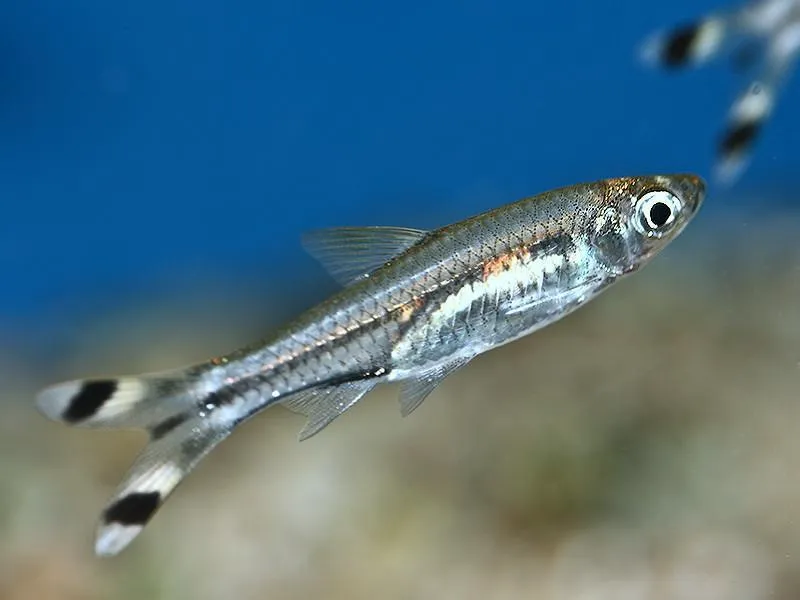
Scissortail Rasbora
Rasbora trilineata
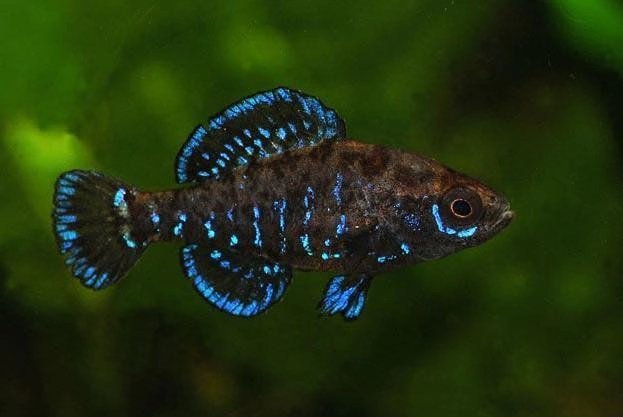
Pygmy Sunfish
Elassoma spp.
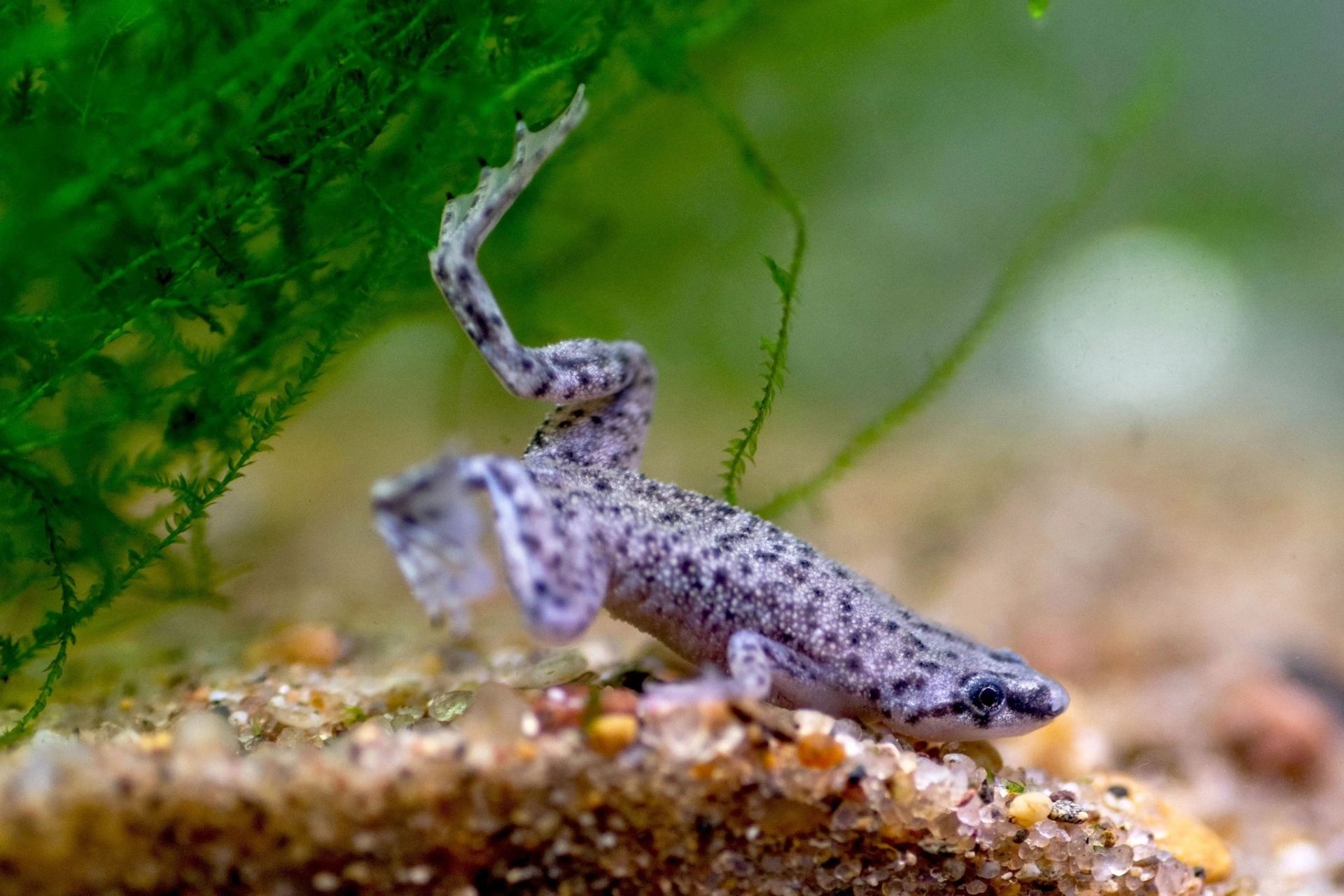
African Dwarf Frog
Hymenochirus boettgeri
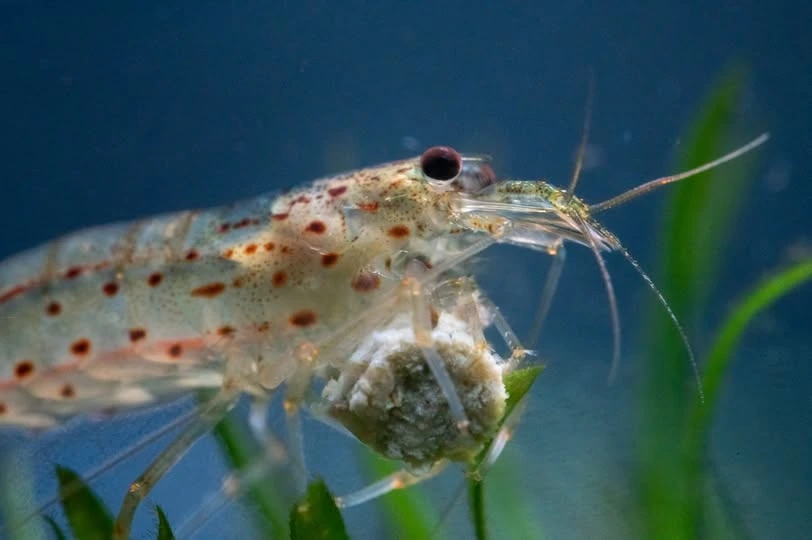
Amano Shrimp
Caridina multidentata
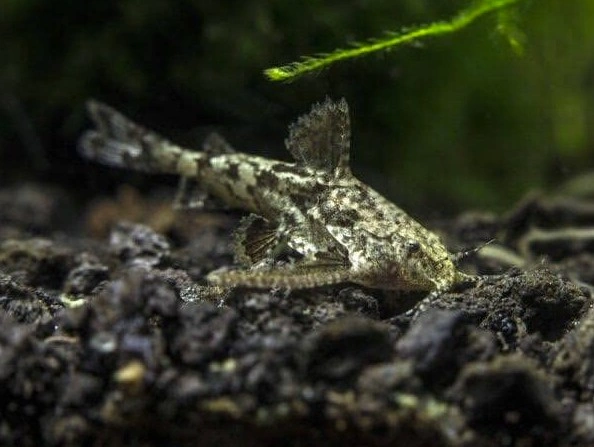
Asian Stone Catfish
Hara jerdoni
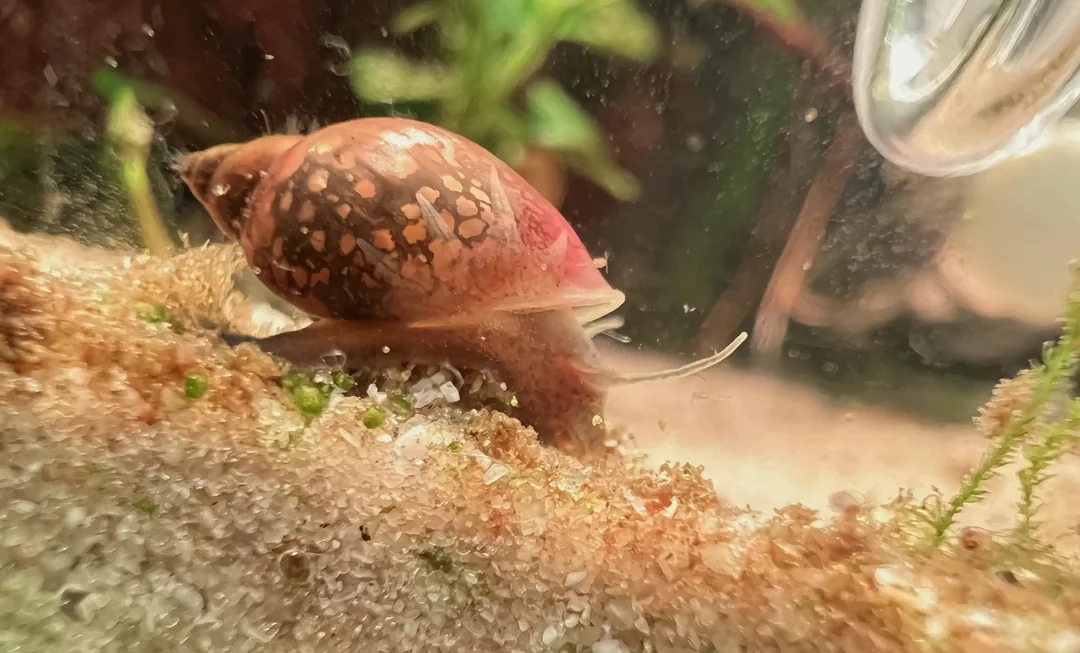
Bladder Snail
Physella acuta
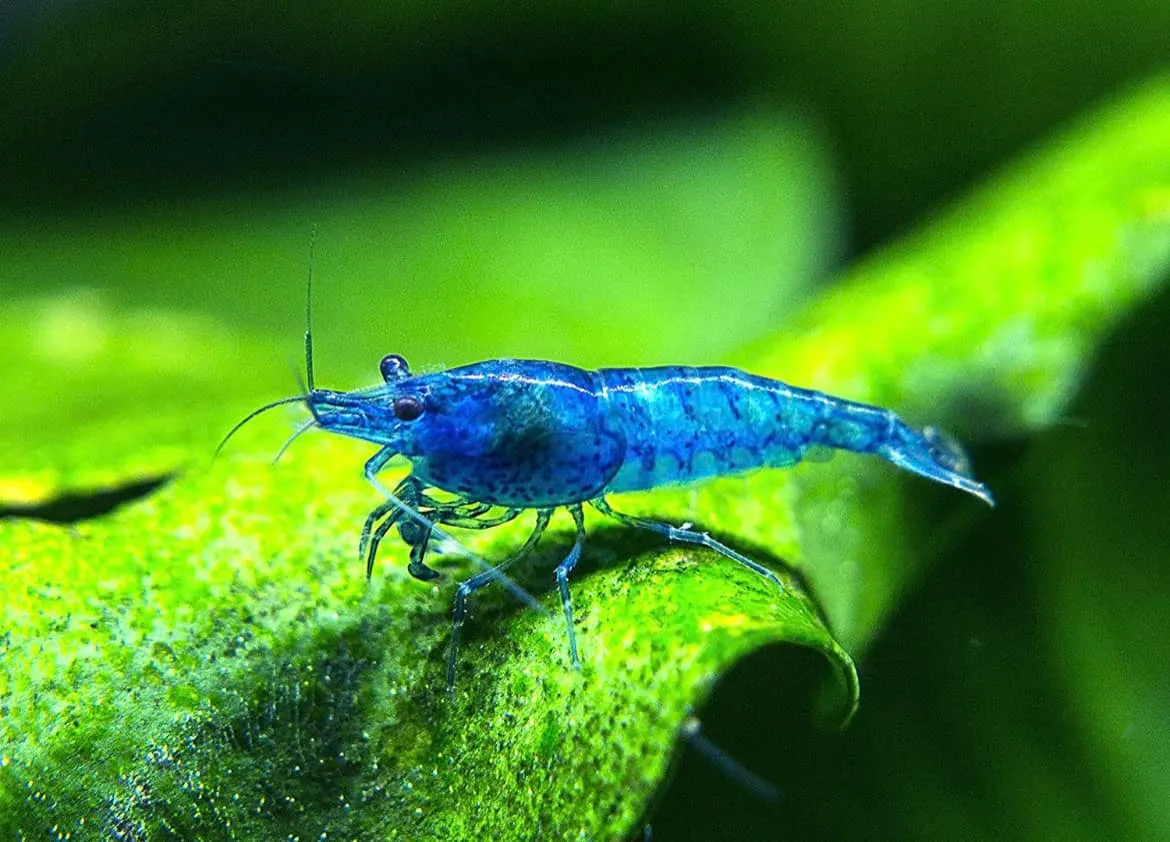
Blue Velvet Shrimp
Neocaridina davidi var. blue
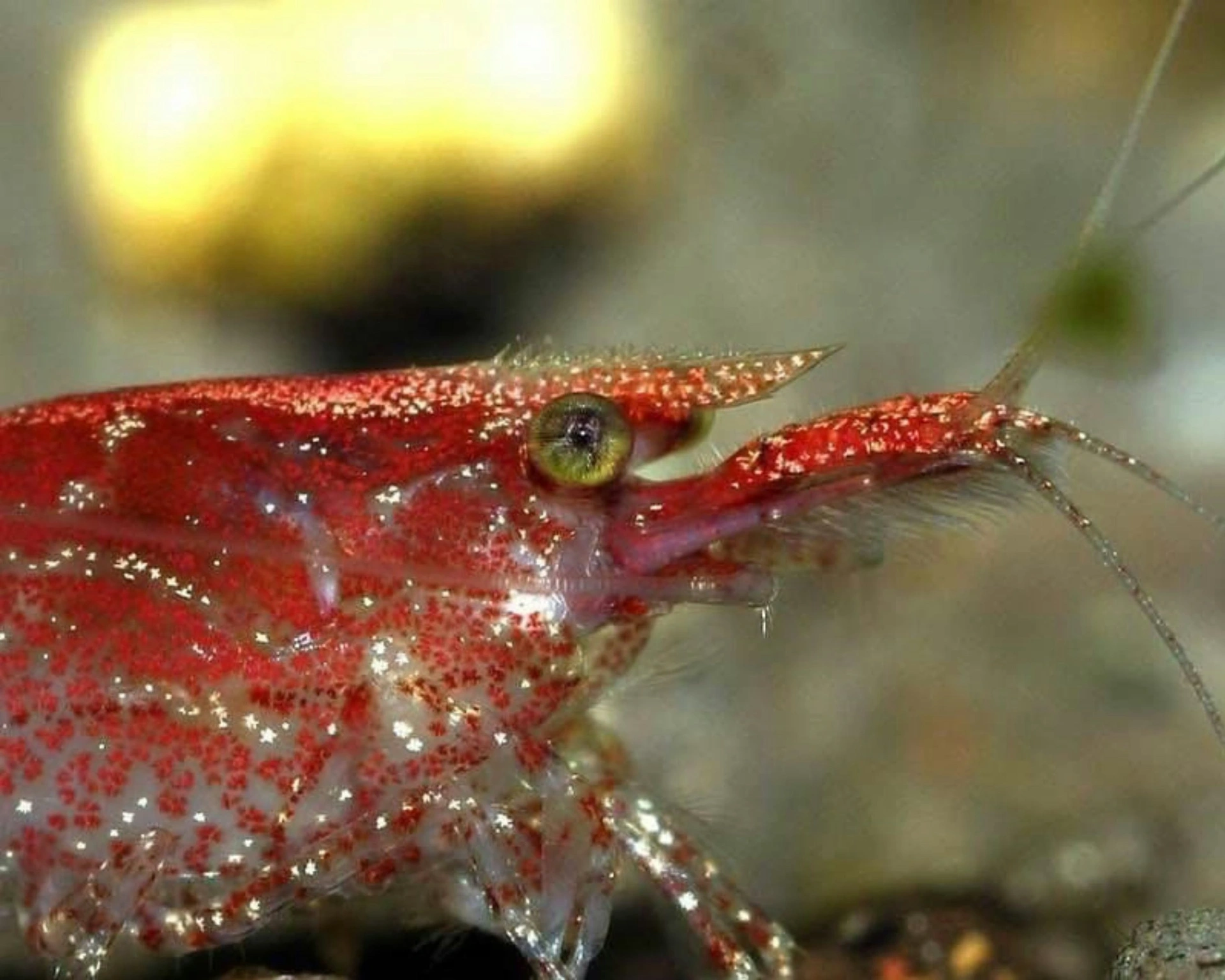
Cherry Shrimp
Neocaridina davidi
Ready to Add Scarlet Badis to Your Tank?
Use our free stocking calculator to check compatibility, bioload, and get personalized recommendations.