
Care Requirements
Adult Size
4.7" (12cm)
Min Tank
30 gal
Temperature
72-79°F
pH Range
6-7.5
Lifespan
5-7 years
Min Group
6+ fish
Diet
Omnivore
Swim Level
Middle
Bioload
3/10
Hardness
4-15 dGH
About Scissortail Rasbora
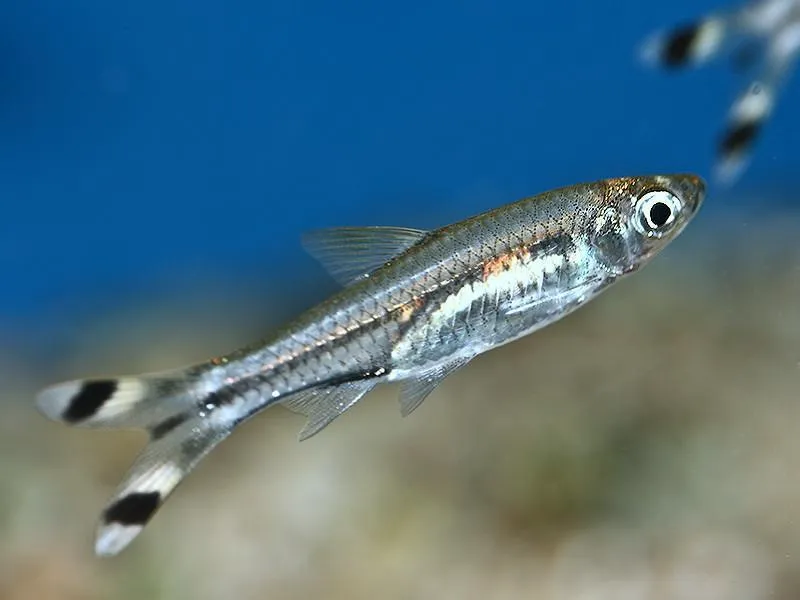
The Scissortail Rasbora is one of the most elegant and active schooling fish available in the freshwater aquarium hobby. Named for their deeply forked tail with distinctive black and white markings that opens and closes rhythmically as they swim—resembling scissors cutting—these fish create a mesmerizing display when kept in proper schools.
Growing to an impressive 6 inches (15 cm), Scissortail Rasboras are one of the largest commonly available rasbora species. Their size, combined with their relentless swimming activity, means they need spacious tanks with plenty of horizontal room. A school of Scissortails moving in coordinated formation through a large tank is a sight that rivals far more exotic species.
Despite their size, Scissortail Rasboras are peaceful community fish that won't bother appropriately sized tankmates. Their main compatibility consideration is their activity level and size—they can overwhelm very small or timid species simply through their energetic presence. For medium to large community tanks, they're an outstanding choice that brings constant movement and visual interest.
Natural Habitat & Origin
Scissortail Rasboras are found throughout Southeast Asia, including Thailand, Malaysia, Singapore, Sumatra, and Borneo. They inhabit flowing rivers, streams, and flooded forests with clear to slightly turbid water, typically in well-oxygenated environments with moderate current.
Their natural habitat features overhanging vegetation along riverbanks, providing shade and dropping insects into the water. Understanding their river-dwelling origins explains their need for swimming space and appreciation for moderate water flow in captivity. Replicating elements of this environment—open swimming areas with peripheral cover—brings out their best behavior.
Native Region
Southeast Asia - Thailand, Malaysia, Singapore, Sumatra, Borneo
Habitat Type
Flowing rivers, streams, and flooded forests with clear to slightly turbid water
Wild Water Conditions
Well-oxygenated water with moderate current, slightly acidic to neutral (pH 6.0-7.5)
Appearance & Varieties
Scissortail Rasboras are sleek, elongated fish reaching up to 6 inches (15 cm) in length. Their body is predominantly silver with a subtle golden sheen. The defining feature is their deeply forked caudal fin marked with bold black and white patterns—this tail creates the distinctive scissor-like motion that gives them their name.
A thin dark horizontal line runs along the midline of the body, and there may be subtle markings near the tail base. Females are rounder and deeper-bodied when full of eggs, while males are slimmer with slightly more intense coloration. Their fins are mostly transparent, drawing attention to the striking tail markings.
Tank Setup & Requirements
Quick Requirements Summary
Tank Size
Minimum Tank Size
30 gallons
Recommended Tank Size
40 gallons
Scissortail Rasboras require a minimum of 50 gallons (190 liters), with 75 gallons (285 liters) recommended for a comfortable school. Long tanks are essential—horizontal swimming space matters far more than height for these active swimmers.
Water Parameters
Temperature 72-82°F (22-28°C), pH 6.0-7.5, hardness 2-15 dGH. They're adaptable but prefer slightly soft, acidic conditions. Stability is more important than hitting exact values.
Substrate
Any substrate works—dark substrate shows off their silver coloration best. They don't interact much with the bottom.
Plants & Decorations
Plants along back and sides with large open swimming area in the center—this is essential. Driftwood and rocks around the perimeter create a river-like aquascape. Floating plants provide cover without reducing swimming space.
Filtration & Water Flow
Moderate to strong flow—they appreciate current mimicking their river habitat. A powerhead or strong filter output is beneficial. Good oxygenation is important.
Lighting
Moderate—not demanding. They look best under standard aquarium lighting that catches their silver scales and tail markings.
Diet & Feeding Guide
Diet Type
omnivore
Feeding Frequency
1-2x daily
Portion Size
What they consume in 2-3 minutes
Scissortail Rasboras are omnivores that feed on insects, insect larvae, small crustaceans, worms, and zooplankton in the wild. They're active, eager feeders that take food from the surface and mid-water with enthusiasm.
Best Foods for Scissortail Rasbora
- High-quality flakes — Good staple—they're eager surface feeders
- Small pellets/granules — Appropriate size for their mouths
- Frozen bloodworms — Excellent protein supplement
- Frozen brine shrimp — Readily accepted, good variety
- Live baby brine shrimp — Outstanding conditioning food
- Daphnia — Natural prey, promotes foraging behavior
Foods to Avoid
- Large pellets — Too big for their mouths despite their body size
- Poor quality foods — Dulls coloration and reduces health
Active feeders that eat from surface and mid-water. They're competitive eaters, so ensure food reaches slower bottom-dwelling tankmates. A varied diet maintains their health and silver sheen.
Behavior & Temperament
Scissortail Rasboras are peaceful, active schooling fish that are constantly on the move. Their defining behavior is the rhythmic opening and closing of their distinctively marked forked tail as they swim—creating the scissor-like motion that gives them their name. This is especially visible when they're swimming slowly or hovering.
A school creates mesmerizing synchronized movement, with the group turning and changing direction in unison. They're one of the larger rasboras, and a proper school of 8-12+ in a spacious tank is truly impressive. They're excellent jumpers, so a secure lid with no gaps is absolutely essential.
Tank Mates: Compatibility Guide
Compatible Tank Mates
Smaller relative, peaceful coexistence
Similarly active, robust enough for the energy
Large enough to not be intimidated
Robust gourami, different tank zone
Peaceful bottom dweller, won't compete
Similarly active, beautiful combination
Peaceful bottom dweller, different zone
Tank Mates to Avoid
Betta
Too much activity will stress bettas
Celestial Pearl Danio
Too small, will be intimidated and outcompeted
Sparkling Gourami
Too small and timid for this level of activity
Aggressive cichlids
Will harass and attack Scissortails
Common Pairing Questions
Can Scissortail Rasboras live with small tetras?
Generally yes with medium-sized tetras. Very small species like Green Neons might be intimidated by their size and activity. They won't hunt small fish but could outcompete them for food.
Are Scissortail Rasboras good dither fish?
Excellent dither fish for medium-sized shy cichlids. Their confident, active swimming helps nervous tankmates feel secure. Their size means they can handle slightly more assertive tankmates than smaller rasboras.
Breeding Scissortail Rasboras is moderately challenging in captivity. They're egg scatterers with no parental care—adults will readily eat eggs and fry if given the chance.
Set up a large breeding tank with soft, slightly acidic water and fine-leaved plants or spawning mops. Temperature around 78-82°F (26-28°C) and morning light often trigger spawning behavior. Males chase females actively, and 200-300 eggs are scattered among plants.
Remove adults immediately after spawning. Eggs hatch in 24-48 hours, and fry are light-sensitive—dim lighting helps survival. Feed infusoria for the first week, then graduate to baby brine shrimp. Soft water improves egg fertility rates.
Health Issues & Disease Prevention
Scissortail Rasboras are hardy, resilient fish that rarely develop health problems when given adequate space and clean water. Their main risks come from jumping injuries and stress from cramped conditions.
Common Diseases
| Disease | Symptoms | Treatment |
|---|---|---|
| Ich (White Spot Disease) | White spots on body, flashing against objects, clamped fins | Raise temperature gradually, use ich medication. Scissortails generally recover well with prompt treatment. |
| Columnaris | White/gray patches, frayed fins, mouth fungus | Antibacterial medication (Kanaplex, Furan-2), improve water quality, reduce stress. |
| Swim bladder issues | Difficulty swimming, floating or sinking abnormally | Fast for 2-3 days, feed blanched peas, improve water quality. Usually resolves with dietary adjustment. |
Signs of a Healthy Scissortail Rasbora
- Constant active swimming
- Bright silver coloration
- Distinctive, clear tail markings
- Schooling behavior with group
- Good appetite
- Intact, spread fins
Prevention Tips
- Secure lid with absolutely no gaps—they're excellent jumpers
- Provide adequate swimming space—cramped tanks cause stress
- Maintain stable water parameters with regular changes
- Keep in schools of 6+—solitary fish become stressed
- Quarantine new fish for 2 weeks before adding
- Varied diet maintains immune system health
- Avoid overcrowding—active fish need space
Frequently Asked Questions
Up to 6 inches (15cm) - one of the largest common rasboras. Don't be fooled by small juveniles at the store. They need a 50+ gallon tank as adults and should be kept in schools.
Their deeply forked tail with distinctive black and white markings opens and closes rhythmically when they swim, resembling scissors cutting. This motion is especially visible when they're swimming slowly.
Excellent community fish for medium to large tanks. They're peaceful and won't bother tankmates. However, their size and activity level means they need space and can overwhelm very small or timid species.
Minimum 6, ideally 8-12+. They're schooling fish that only display natural behavior in groups. A proper school swimming in unison is the main attraction of this species.
Generally yes, with medium-sized tetras. Very small tetras (like Green Neons) might be intimidated by their size and activity. They won't hunt small fish but could outcompete them for food.
Yes - they're excellent jumpers like most rasboras. A secure, tight-fitting lid with no gaps is essential. They often jump when startled or during active chasing.
Tips for Keeping Scissortail Rasbora
Pro Tips
- ✓The scissor tail motion is mesmerizing—position tank where you can watch from the side
- ✓One of the few rasboras that reaches impressive size—a proper school is stunning
- ✓Excellent dither fish for medium-sized shy cichlids
- ✓Their activity level actually helps circulate food through the tank
- ✓Long tanks are much better than tall tanks for this species
- ✓Strong current from filter outflow mimics their river habitat
- ✓Groups of 10+ create beautiful synchronized swimming displays
- ✓Hardy and long-lived—good investment for a community tank
Common Mistakes to Avoid
- ✗Tank too small—they need 50+ gallons as adults
- ✗Underestimating adult size—they grow to 6 inches
- ✗No secure lid—they WILL jump out
- ✗School too small—need 6+ for proper behavior
- ✗No swimming space—open areas are essential
- ✗Keeping with very small or timid fish—too boisterous
- ✗Expecting them to stay small like Harlequin Rasboras
- ✗Weak current—they prefer moderate flow
Sources
- FishBase — Accepted scientific name, maximum size and native range for Scissortail Rasbora.
Related Species You Might Like
View All Fish →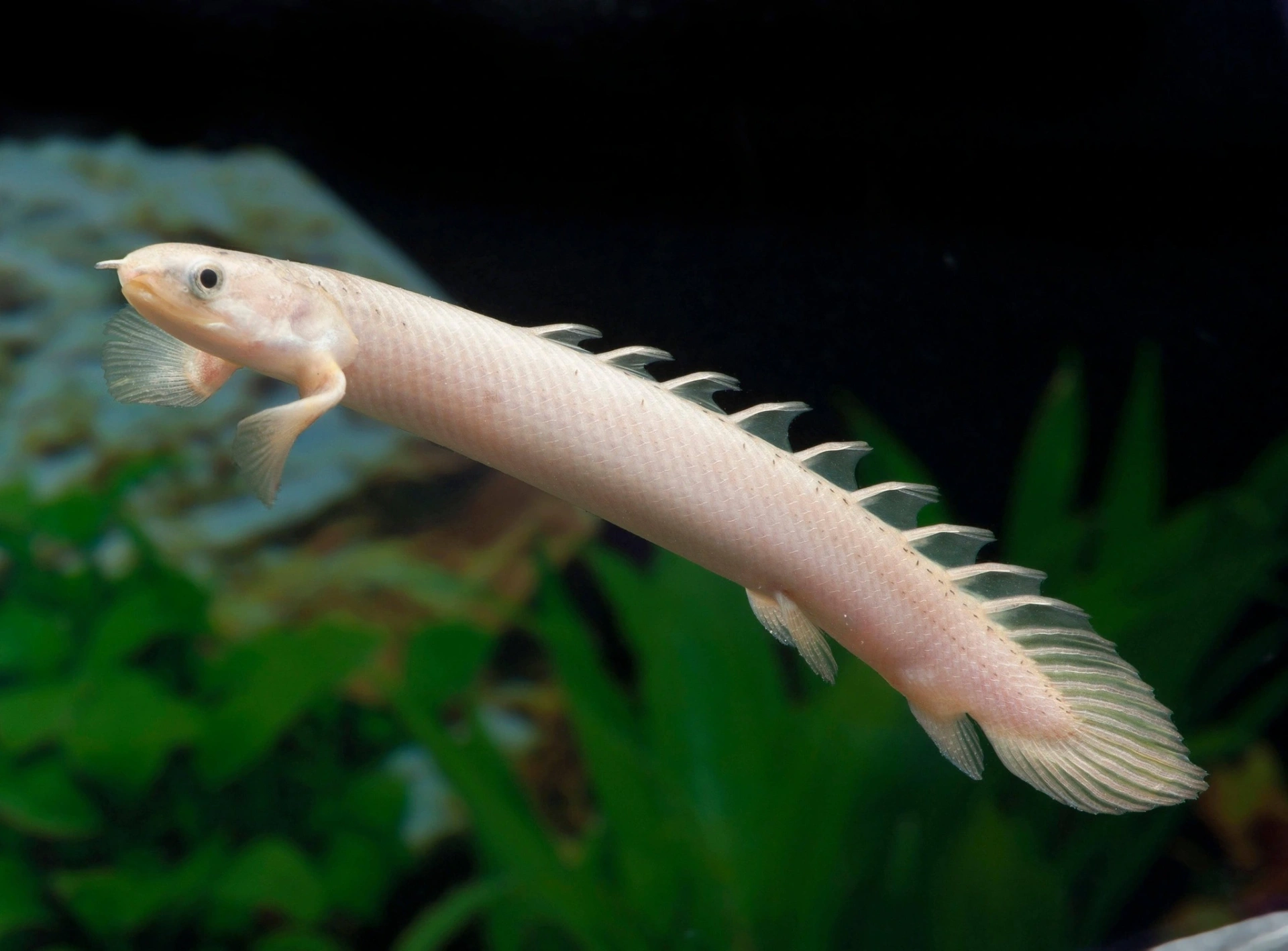
Senegal Bichir
Polypterus senegalus

Australian Rainbowfish
Melanotaenia splendida
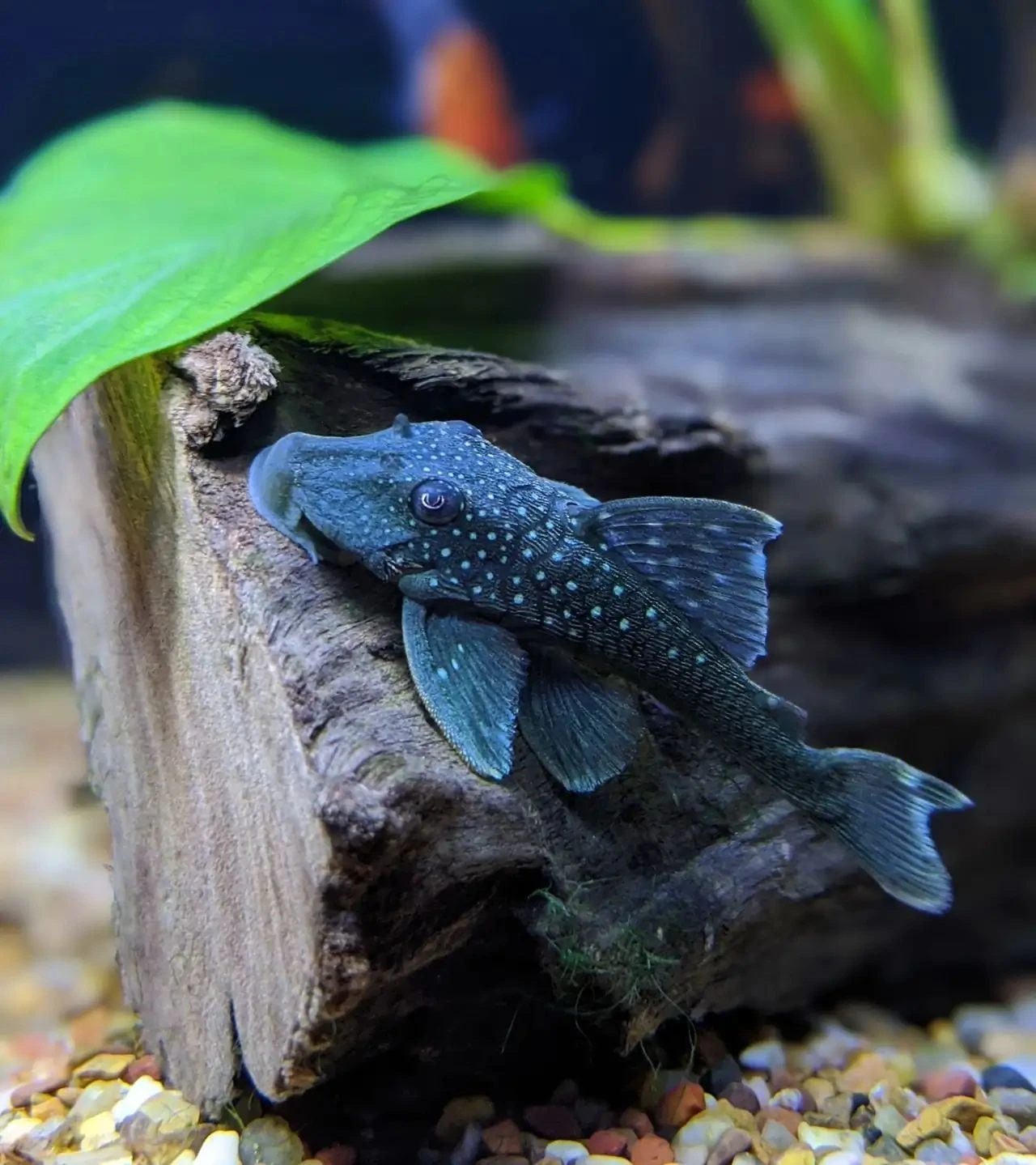
Blue Phantom Pleco
Hemiancistrus sp.
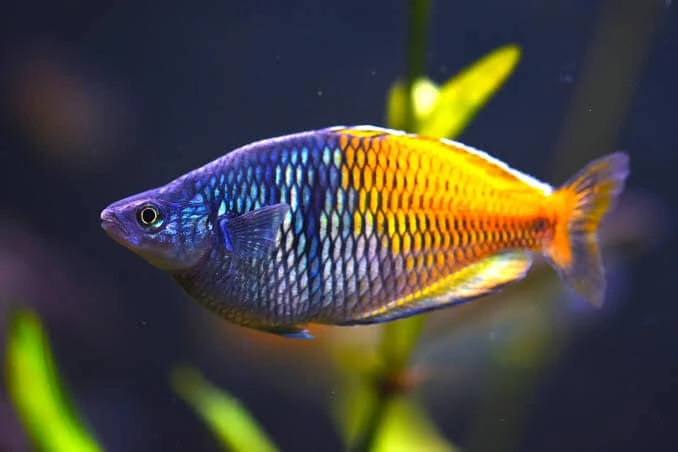
Boesemani Rainbowfish
Melanotaenia boesemani
Bristlenose Pleco
Ancistrus sp.
Celebes Rainbowfish
Marosatherina ladigesi

Congo Tetra
Phenacogrammus interruptus
Denison Barb
Sahyadria denisonii
Ready to Add Scissortail Rasbora to Your Tank?
Use our free stocking calculator to check compatibility, bioload, and get personalized recommendations.