
Care Requirements
Adult Size
0.4" (1cm)
Min Tank
5 gal
Temperature
72-82°F
pH Range
6.5-7.5
Lifespan
1-2 years
Min Group
3+ fish
Diet
Omnivore
Swim Level
Bottom
Bioload
1/10
Hardness
4-12 dGH
About Thai Micro Crab
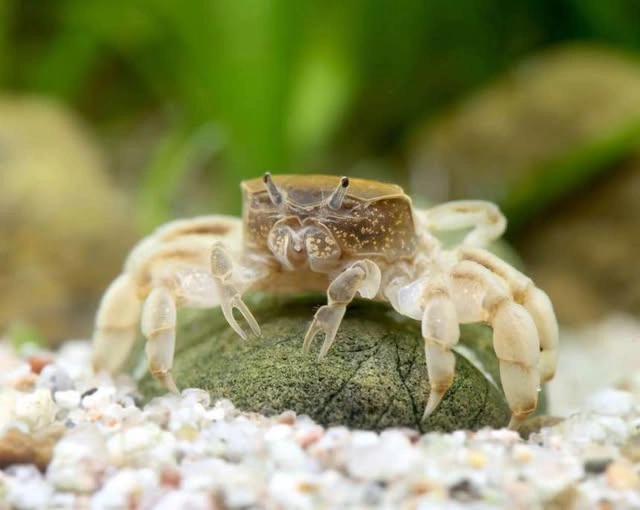
The Thai Micro Crab (Limnopilos naiyanetri) holds the distinction of being the smallest freshwater crab in the aquarium hobby, maxing out at just 1 cm (0.4 inches) across the carapace. Discovered in a single river system in central Thailand (the Tha Chin River), this remarkable little crustacean defies everything most people expect from a crab. It is fully aquatic, completely peaceful, shrimp-safe, and spends its time delicately filter-feeding from the water column with its feathery, hair-covered legs.
Unlike the semi-terrestrial crabs commonly sold in the hobby, Thai Micro Crabs never leave the water. They are true aquatic invertebrates that live their entire lives submerged, clinging to plants, moss, and driftwood. Their tiny size and translucent tan-grey coloration make them nearly invisible in a planted tank — most keepers describe them as 'ghost crabs' that appear and vanish among the vegetation.
These crabs are fascinating to watch during feeding. Rather than scavenging like most crabs, Thai Micro Crabs extend their setae-covered legs into the water current and fan for microscopic food particles — biofilm, microorganisms, and fine suspended matter. This filter-feeding behavior is more reminiscent of bamboo shrimp than typical crabs, and it's utterly captivating to observe under magnification.
Thai Micro Crabs are rated as intermediate rather than beginner due to their sensitivity to water quality fluctuations and their inability to breed in freshwater. Larvae require brackish conditions to develop, meaning wild-caught or commercially bred specimens are the only source. Their extreme shyness and nocturnal habits also mean you may go weeks without seeing them — patience and dense planting are essential.
Natural Habitat & Origin
Thai Micro Crabs are endemic to the Tha Chin River system in central Thailand, where they inhabit areas with moderate current among aquatic plants, submerged roots, and woody debris. Their natural habitat features soft, slightly acidic to neutral water with sandy substrates and dense vegetation. The river system where they're found passes through agricultural areas, and their extremely limited natural range makes them vulnerable to habitat changes. They cling to submerged surfaces in the current, extending their leg setae to filter-feed on passing microorganisms.
Native Region
Central Thailand (Tha Chin River)
Habitat Type
River system with moderate flow, submerged vegetation, and woody debris
Wild Water Conditions
Soft, slightly acidic to neutral freshwater with moderate current
Appearance & Varieties
Thai Micro Crabs are almost impossibly small — adults measure just 1 cm (0.4 inches) across the carapace, making them smaller than most freshwater snails. Their body is translucent tan-grey to light brown, often with faint mottling that provides excellent camouflage against driftwood and plant surfaces. The legs are long relative to body size and covered in fine setae (hair-like structures) that they use for filter-feeding. Unlike many crabs, their claws are tiny and not used aggressively. Males and females look similar, though females carrying eggs show a visible orange-tan mass under their abdomen.
Popular Varieties
| Variety | Description | Rarity |
|---|---|---|
| Wild Type | Translucent tan-grey with subtle mottling — the only form available as there are no selectively bred varieties. | Common (in specialty stores) |
Tank Setup & Requirements
Quick Requirements Summary
Tank Size
Minimum Tank Size
5 gallons
Recommended Tank Size
10 gallons
Thai Micro Crabs thrive in mature, densely planted nano tanks with stable water parameters. Because they are filter feeders, some water movement is beneficial — it carries food particles to their perches. However, strong currents will blow these tiny crabs off their holdings. The ideal setup mimics their natural habitat: lots of surfaces to cling to (moss, fine-leaved plants, driftwood) with gentle water flow.
Water Parameters
Temperature 22-28°C (72-82°F), pH 6.5-7.5, hardness 4-12 dGH. Stability is more important than hitting exact numbers — these tiny invertebrates are sensitive to fluctuations. Ammonia and nitrite must be zero at all times. Perform 10-15% weekly water changes with temperature-matched water.
Substrate
Fine sand or planted tank soil works well. The crabs spend most of their time on elevated surfaces (plants, moss, wood) rather than on the substrate itself, so substrate choice matters more for plants than for the crabs directly.
Plants & Decorations
Dense planting is essential — Java moss, Christmas moss, Subwassertang, and fine-leaved plants like Java fern and Anubias provide critical perching surfaces. Driftwood with moss attached creates ideal habitats. The more textured surfaces available, the more likely you are to actually see your crabs.
Filtration & Water Flow
Gentle sponge filtration is ideal — it creates mild current for filter-feeding while being safe for these tiny creatures. HOB or canister filters must have pre-filter sponges to prevent the crabs from being sucked in. Avoid strong powerheads.
Lighting
Low to moderate lighting supports plant growth without stressing the nocturnal crabs. They prefer shaded areas and will choose dimmer spots in the tank. Floating plants that create dappled shadows are ideal.
Diet & Feeding Guide
Diet Type
omnivore
Feeding Frequency
Daily supplementation recommended
Portion Size
Tiny amounts — powdered or liquid foods
Thai Micro Crabs are primarily filter feeders that capture microorganisms and fine particles from the water column using their setae-covered legs. In a mature, well-established aquarium with biofilm, they can sustain themselves on naturally occurring food. However, supplemental feeding ensures they thrive rather than merely survive. Their tiny mouths cannot handle large food particles — everything must be powder-fine or dissolved.
Best Foods for Thai Micro Crab
- Powdered spirulina — Dissolved in tank water, it creates a suspension of fine particles perfect for filter-feeding
- Liquid invertebrate food — Commercial products like Shrimp King Baby or similar — designed for filter-feeding invertebrates
- Biofilm — The most natural food source — mature tanks with driftwood and moss generate biofilm continuously
- Crushed algae wafers — Ground to fine powder and sprinkled near their hiding spots provides grazing opportunities
- Infusoria cultures — Live microorganisms that replicate their natural diet — excellent for supplementation
Foods to Avoid
- Large pellets or flakes — Mouths are too small to process — will decompose uneaten and foul the water
- Copper-containing supplements — Lethal to all crustaceans — check ingredient labels on any aquarium product
- Excessive powdered food — Overfeeding clouds water and causes bacterial blooms in small tanks
In a mature planted tank, Thai Micro Crabs often find enough biofilm to sustain themselves without supplemental feeding. Target-feed powdered foods near their known hiding spots using a pipette for best results. They will also graze on decomposing leaf litter.
Behavior & Temperament
Thai Micro Crabs are shy, nocturnal, and largely invisible during the day. They hide among moss, in plant roots, and under driftwood, emerging primarily at night or during feeding. Their most fascinating behavior is filter-feeding: they perch on a surface in the current, extend their legs, and fan their setae to capture passing food particles. They are completely non-aggressive — even toward much smaller shrimp. In groups, they may cluster together on favored perching spots. Healthy crabs are active at night, maintain steady coloration, and can be seen filter-feeding regularly. Signs of stress include remaining hidden at all times (even at night), loss of the faint coloring, and refusal to fan for food.
Tank Mates: Compatibility Guide
Compatible Tank Mates
Perfect companions — similar size, peaceful, and share habitat requirements
Peaceful coexistence — Amanos are too large to threaten micro crabs
Gentle algae eaters that completely ignore the tiny crabs
Peaceful snails that help maintain the tank without any risk to crabs
Small, peaceful fish unlikely to bother crabs hidden in dense planting
Tank Mates to Avoid
Any predatory fish
Even small fish like bettas may eat or harass these tiny crabs
Larger crabs or crayfish
Will hunt and eat micro crabs — massive size difference creates predation risk
Loaches
Bottom-dwelling predators that actively hunt small invertebrates in crevices
Cichlids
Any cichlid, even dwarfs, may view micro crabs as food
Common Pairing Questions
Can Thai Micro Crabs live with bettas?
It's risky. While the crabs' tiny size and nocturnal habits may help them avoid detection, bettas are curious predators that may eat them. Dense planting improves odds but doesn't eliminate risk.
Are they safe with shrimp?
Completely safe. Thai Micro Crabs are the most shrimp-safe crab in the hobby. They cannot harm even baby shrimp and often share the same moss colonies peacefully.
Can I keep them with other crab species?
Not recommended. Larger crabs will prey on micro crabs, and semi-terrestrial species require completely different setups.
Breeding Thai Micro Crabs in captivity is extremely difficult and rarely achieved. Females carry eggs under their abdomen, but the larvae require brackish water to develop — similar to Amano shrimp. In freshwater, newly hatched larvae die within days. The few successful breeding reports involve transferring berried females to brackish setups (SG 1.010-1.015) and raising larvae on phytoplankton. This makes captive breeding a project for experienced invertebrate breeders rather than casual hobbyists. Most specimens in the hobby are wild-caught from Thailand.
Health Issues & Disease Prevention
Thai Micro Crabs are sensitive to water quality fluctuations due to their tiny size. Ammonia and nitrite spikes that larger animals might tolerate can be lethal. They are also highly sensitive to copper, which is found in many fish medications and some plant fertilizers. Their small size makes visual health assessment difficult — behavioral observation (activity patterns, feeding) is the primary diagnostic tool. Molting occurs regularly, and failed molts indicate water quality or mineral deficiency issues.
Common Diseases
| Disease | Symptoms | Treatment |
|---|---|---|
| Failed molt | Crab stuck partially in old exoskeleton, immobility, death during molting | Ensure adequate mineral content (GH 4+), provide calcium sources. Prevention through stable, mineral-rich water is the only reliable approach. |
| Copper poisoning | Sudden lethargy, twitching, rapid death — often affects all crabs simultaneously | No cure. Prevention: never use copper-based medications, check all product ingredients, use RO water if tap water has copper pipes. |
| Bacterial infection | Cloudiness in body/joints, lethargy, brown discoloration | Improve water quality with frequent small water changes. Isolate if possible, though their tiny size makes treatment challenging. |
| Stress from parameter swings | Hiding constantly, not feeding, unusual positioning (upside down or on side) | Stabilize parameters gradually — avoid large water changes. Use drip acclimation for any water additions. |
Signs of a Healthy Thai Micro Crab
- Filter-feeding with extended legs
- Active movement at night
- Steady tan-grey coloration
- Regular molting
- Clustering with conspecifics on favorite perches
Prevention Tips
- Maintain rock-stable water parameters
- Never use copper-containing products
- Keep the tank mature with established biofilm
- Use sponge pre-filters on all intakes
- Acclimate extremely slowly — drip method over 2+ hours
Frequently Asked Questions
Yes — unlike most pet crabs, Thai Micro Crabs are 100% aquatic and never need to leave the water. They are the only commonly available freshwater crab that lives entirely underwater. No land area is needed, making them compatible with standard aquarium setups rather than paludariums.
This is completely normal. They are nocturnal, shy, and nearly invisible due to their 1 cm size and translucent coloring. Many keepers go weeks without spotting them, then suddenly see several at once. Using a flashlight with a red filter at night, feeding powdered food near their known hiding spots, and providing dense moss clusters (where they tend to congregate) all increase sighting frequency.
They cannot complete their reproductive cycle in freshwater. While females will carry eggs, the larvae require brackish water to develop. In pure freshwater, larvae die shortly after hatching. Successful captive breeding is extremely rare and requires specialized brackish rearing setups — this is a project for experienced invertebrate breeders.
Keep at least 3, ideally 5 or more. They are social creatures that cluster together on favored perching spots. Larger groups increase your chances of actually observing them, as more crabs means more activity. Their minuscule bioload means even a 5-gallon tank can support a group of 6-8 without issues.
No — Thai Micro Crabs are filter feeders and biofilm grazers that do not damage plants whatsoever. In fact, dense planting is essential for their wellbeing, providing the surfaces they need for perching and filter-feeding.
Tips for Keeping Thai Micro Crab
Pro Tips
- ✓Use a turkey baster or pipette to target-feed powdered food directly near their hiding spots.
- ✓Red-light flashlights let you observe nocturnal behavior without startling them.
- ✓Cholla wood covered in moss creates their absolute favorite microhabitat.
- ✓Count your crabs monthly during nighttime feeding — it's the only reliable census method.
Common Mistakes to Avoid
- ✗Expecting to see them regularly — they are near-invisible most of the time and this is normal.
- ✗Using strong filtration that sucks them in — sponge pre-filters are mandatory.
- ✗Adding them to immature tanks without biofilm — they need established surfaces to feed on.
- ✗Housing with any fish large enough to eat them — even 'peaceful' fish may prey on 1cm crabs.
- ✗Using copper-based medications in the tank — instantly lethal to all crustaceans.
Related Species You Might Like
View All Fish →
Threadfin Rainbowfish
Iriatherina werneri
African Dwarf Frog
Hymenochirus boettgeri
Amano Shrimp
Caridina multidentata
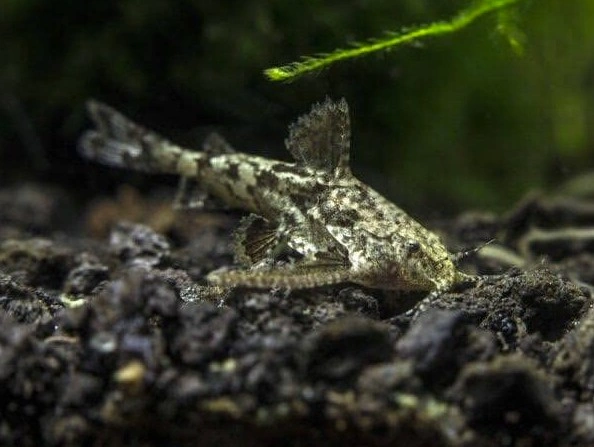
Asian Stone Catfish
Hara jerdoni
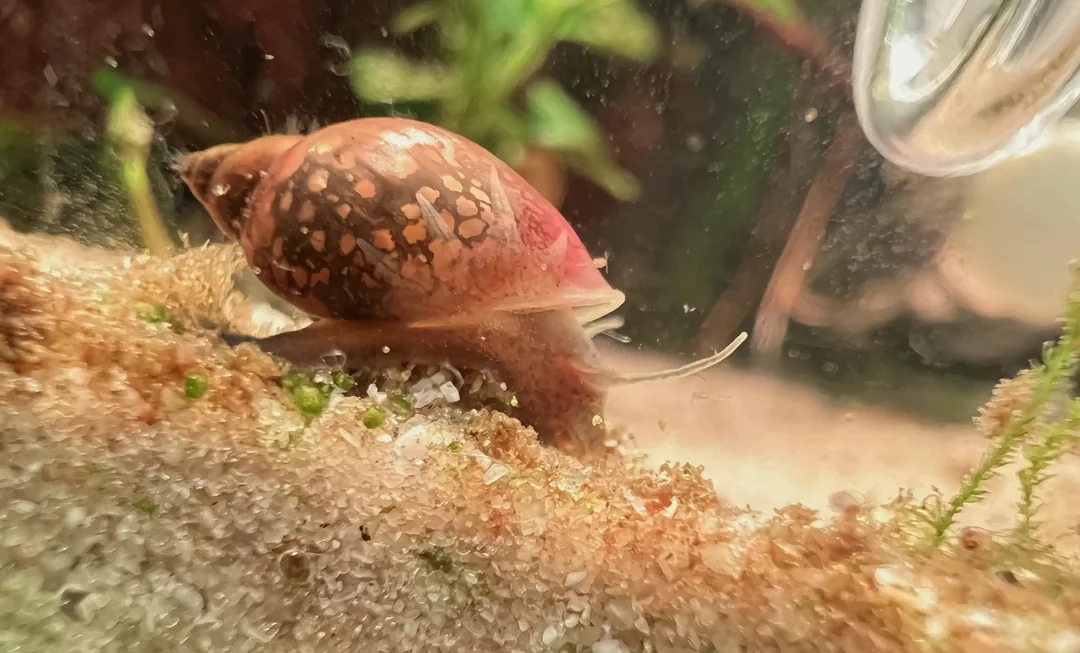
Bladder Snail
Physella acuta
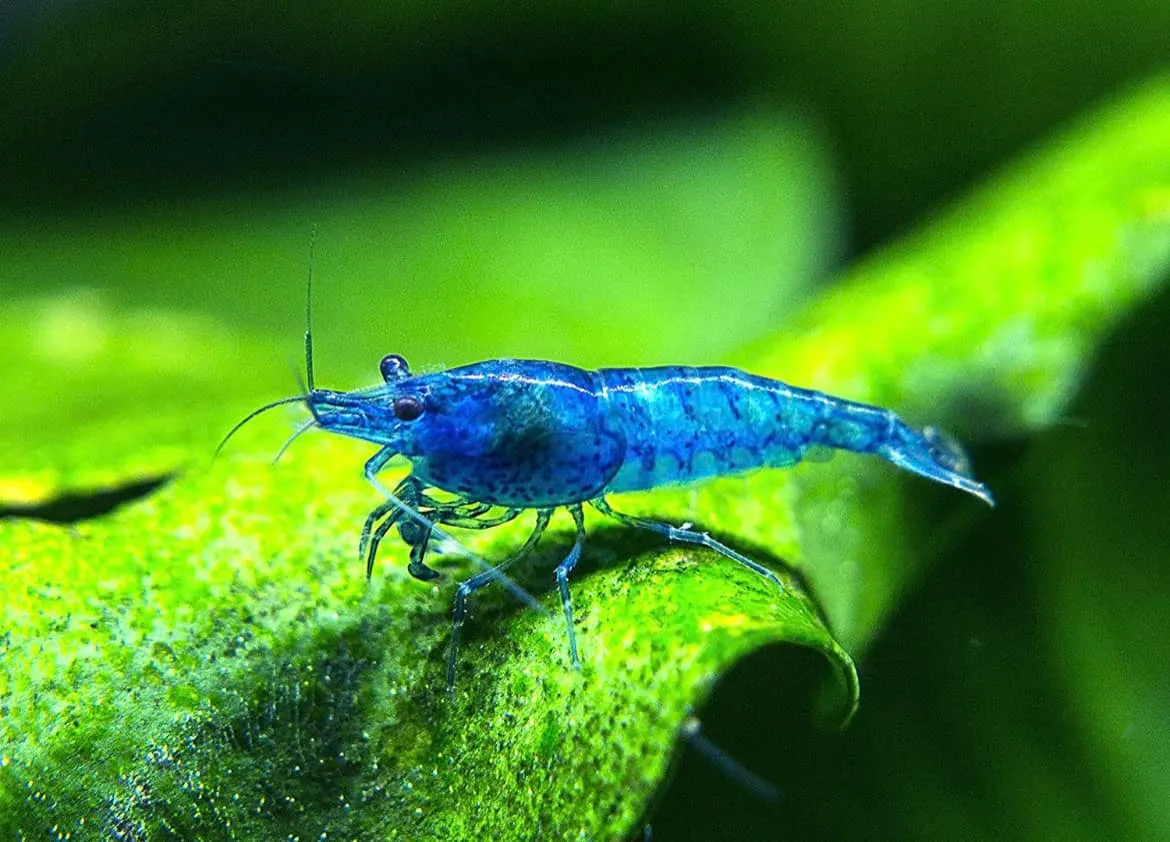
Blue Velvet Shrimp
Neocaridina davidi var. blue
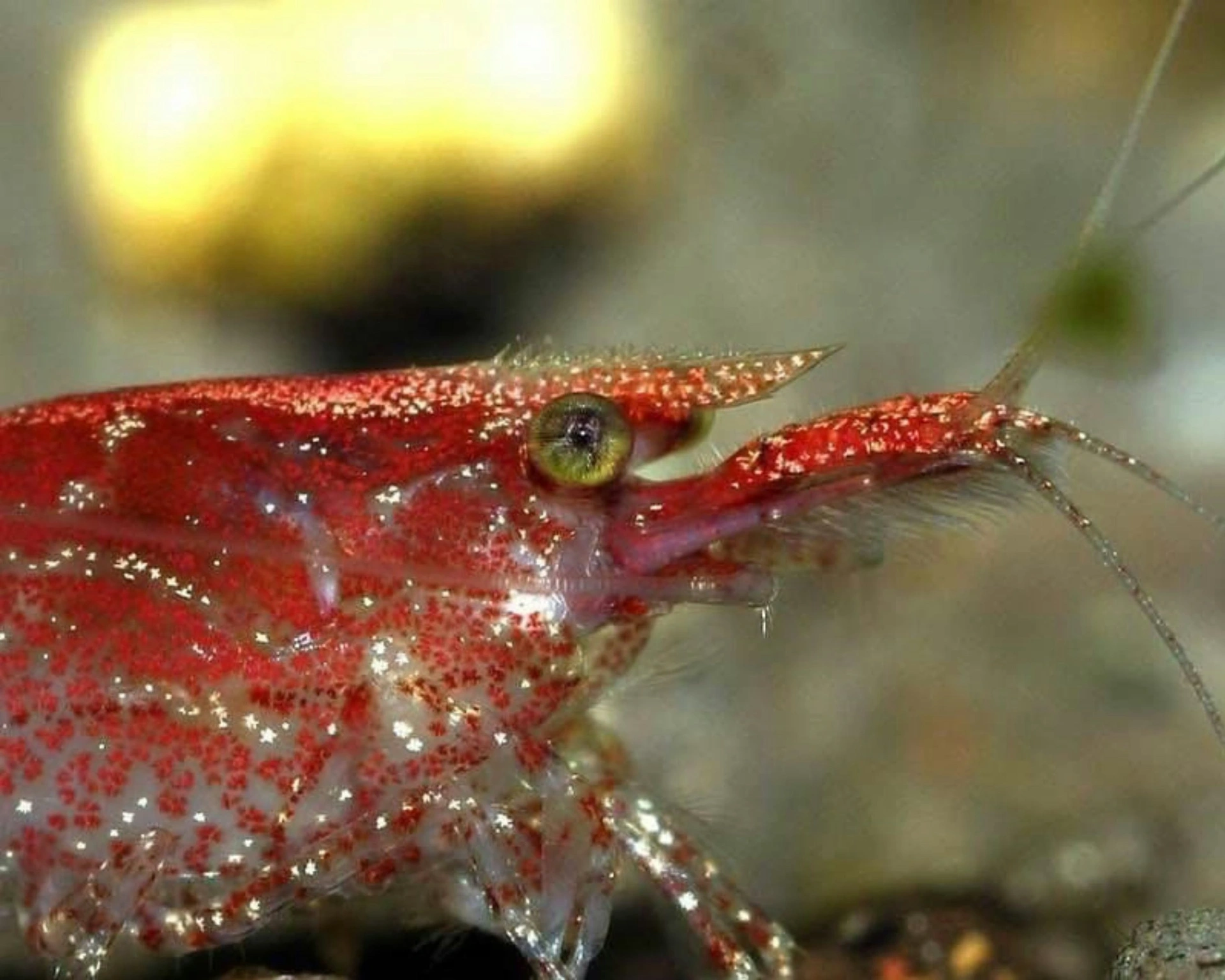
Cherry Shrimp
Neocaridina davidi
Chili Rasbora
Boraras brigittae
Ready to Add Thai Micro Crab to Your Tank?
Use our free stocking calculator to check compatibility, bioload, and get personalized recommendations.