
Care Requirements
Adult Size
2.0" (5cm)
Min Tank
20 gal
Temperature
75-86°F
pH Range
5.5-7.5
Lifespan
3-5 years
Min Group
6+ fish
Diet
Omnivore
Swim Level
Top
Bioload
1/10
Hardness
5-12 dGH
About Threadfin Rainbowfish
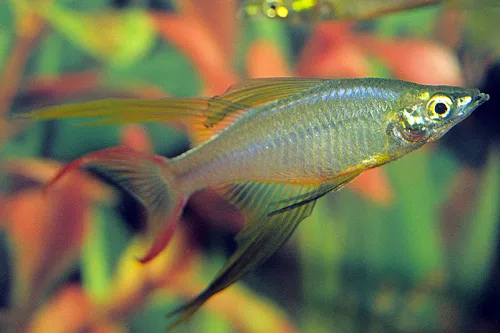
The Threadfin Rainbowfish is a small, delicate species renowned for the spectacular elongated finnage of mature males. Native to slow-moving waters of New Guinea and Northern Australia, these fish are among the most visually striking of all rainbowfish—males displaying with their flowing, threadlike fins rival any marine fish for sheer beauty.
However, this beauty comes with requirements. Threadfins are more delicate than most aquarium fish, with specific needs for gentle tankmates, calm water flow, and appropriately sized foods. They're not recommended for typical community tanks and do best in species-specific setups or with equally tiny, peaceful companions.
For aquarists willing to provide their specialized care, Threadfins offer one of the most rewarding displays in the freshwater hobby. Males performing courtship dances with fully spread fins are unforgettable.
Natural Habitat & Origin
Threadfin Rainbowfish inhabit slow-moving, heavily vegetated freshwater environments across New Guinea and Northern Australia. They're found in swamps, lily ponds, backwaters, and slow-moving streams—always in areas with abundant aquatic vegetation and minimal water flow.
Their native waters are often tannin-stained from decomposing organic matter, warm, and relatively soft. The calm, planted environments explain their need for gentle filtration and densely planted tanks in captivity.
Native Region
New Guinea and Northern Australia
Habitat Type
Slow-moving swamps, lily ponds, vegetated backwaters
Wild Water Conditions
Warm, soft to moderately hard, often tannin-stained, minimal current
Appearance & Varieties
Threadfin Rainbowfish are small, reaching only about 2 inches (5cm). Their body shape is typical of small rainbowfish, but the finnage of mature males is anything but typical. Males develop dramatically elongated rays on their dorsal and anal fins that trail behind like delicate threads—hence their common name.
Males are more colorful overall with subtle iridescent hues and their spectacular flowing fins. Females have normal short fins and duller coloration but are still attractive. The sexual dimorphism is dramatic and obvious even to beginners.
Tank Setup & Requirements
Quick Requirements Summary
Tank Size
Minimum Tank Size
20 gallons
Recommended Tank Size
20 gallons
Threadfin Rainbowfish can be kept in tanks as small as 15 gallons (60 liters), though 20 gallons provides more stability. The key isn't tank size but tank environment—they need calm, planted setups with appropriate tankmates (or none at all in species-only tanks).
Water Parameters
Temperature 75-86°F (24-30°C), pH 5.5-7.5, hardness 5-15 dGH. They prefer slightly soft to moderate water and do well with tannins from driftwood or leaves. Keep nitrates very low—under 15ppm preferred.
Substrate
Dark sand or fine gravel shows off their subtle coloration best. Avoid sharp substrates.
Plants & Decorations
Heavily planted tanks are essential—plants provide security, spawning sites, and the calm environment they need. Java Moss, Java Fern, Vallisneria, Cryptocorynes, and floating plants for shade all work well. Driftwood and leaf litter add to the natural aesthetic.
Filtration & Water Flow
Gentle flow is crucial—strong current damages their delicate fins and stresses them. Sponge filters are ideal. If using other filters, baffle output significantly. This is one of their most critical requirements.
Lighting
Moderate with shaded areas. Floating plants help diffuse light. Their subtle iridescence shows best under quality lighting without being harsh.
Diet & Feeding Guide
Diet Type
omnivore
Feeding Frequency
2-3x daily in small amounts
Portion Size
Tiny portions they can consume in 1-2 minutes
Threadfin Rainbowfish are micro predators with very small mouths. They need tiny, appropriately sized foods and are slow, delicate feeders easily outcompeted by more aggressive fish. This feeding challenge is a major reason they need specialized setups.
Best Foods for Threadfin Rainbowfish
- Crushed flakes — Crush standard flakes to powder-fine size
- Nano fish food — Foods specifically designed for tiny fish
- Frozen cyclops — Perfect small size, excellent nutrition
- Frozen baby brine shrimp — Appropriately sized protein source
- Live baby brine shrimp — Excellent conditioning food
- Vinegar eels/microworms — Ideal size for their tiny mouths
Foods to Avoid
- Large food particles — Cannot fit in their tiny mouths
- Standard-sized pellets — Too large to consume
- Aggressive feeders in tank — They're outcompeted and may starve
Their very small mouths require appropriately sized foods—crush flakes finely or use nano-specific foods. Multiple small feedings work better than fewer large ones. They're slow feeders easily outcompeted, which is why tankmate selection is critical.
Behavior & Temperament
Threadfin Rainbowfish are peaceful schooling fish with moderate activity levels—graceful rather than hyperactive. They occupy the middle to upper water column, drifting through planted areas.
Males are the stars, displaying with fully spread fins in courtship dances that are among the most beautiful displays in freshwater fishkeeping. They spar with each other using their impressive finnage, but this is harmless posturing.
Their peaceful, delicate nature means they need equally calm tankmates—or ideally, a species-only tank where their beauty can be fully appreciated without competition or stress.
Tank Mates: Compatibility Guide
Compatible Tank Mates
Other tiny peaceful fish
Only the most gentle species
Ember Tetras
Tiny, peaceful, similar needs
Celestial Pearl Danios
Small and non-competitive
Pygmy Corydoras
Tiny bottom-dwellers, non-competitive
Chili Rasboras
Micro fish with similar requirements
Dwarf Shrimp
Too small to bother adult shrimp
Otocinclus
Gentle algae eaters
Sparkling Gouramis
Small, peaceful surface dwellers
Tank Mates to Avoid
ANY fin nippers
Even mild nippers target their irresistible fins
Fast aggressive feeders
Will outcompete them for food
Large or boisterous fish
Stress them significantly
Most barbs and tetras
Too active and competitive
Standard community fish
Generally not suitable companions
Common Pairing Questions
Can Threadfin Rainbowfish live in a community tank?
Only with very carefully chosen tankmates—other tiny, peaceful species like ember tetras, pygmy cories, or dwarf shrimp. They're best in species-only tanks where their beauty can be appreciated without competition.
Why do my Threadfin males have damaged fins?
Any fin nipper in the tank—even 'mild' ones—will target their spectacular fins. Strong water flow also damages fins. They need no nippers whatsoever and gentle filtration to maintain perfect finnage.
Are Threadfin Rainbowfish worth the specialized care?
Absolutely—males displaying with their incredible flowing fins are among the most beautiful freshwater fish. For serious aquarists willing to provide proper conditions, they're centerpiece fish.
Threadfin Rainbowfish are moderate to breed, depositing adhesive eggs among fine-leaved plants like java moss. Males display with fully spread fins to attract females, and spawning occurs over several days with eggs scattered among vegetation.
Adults are less prone to eating eggs than some species but removal to a separate tank improves fry survival. Eggs hatch in 7-10 days, and fry are extremely tiny—smaller than many fish fry.
Fry require infusoria or other microscopic foods for an extended period (2+ weeks) before they can take baby brine shrimp. This extended tiny-food stage is challenging but manageable with preparation. Java moss provides excellent spawning substrate and some fry may survive with adults in heavily planted tanks.
Health Issues & Disease Prevention
Threadfin Rainbowfish are delicate fish that need stable, clean conditions. They're sensitive to poor water quality, fin damage, and stress from inappropriate tankmates. Meeting their specific requirements keeps them healthy and displaying.
Common Diseases
| Disease | Symptoms | Treatment |
|---|---|---|
| Ich | White spots, scratching | Raise temperature gradually, standard ich medication |
| Fin Rot | Deteriorating fins—devastating for males | Pristine water quality, antibacterial treatment, remove cause |
| Velvet | Gold dust appearance | Dim lights, copper-based medication |
| Stress-related illness | Faded color, hiding, not displaying | Address cause—water quality, tankmates, flow |
Signs of a Healthy Threadfin Rainbowfish
- Full, flowing fins on males
- Active displaying behavior
- Good appetite despite slow feeding
- Vibrant coloration
- Natural schooling behavior
Prevention Tips
- Quarantine new specimens for 2-3 weeks
- Maintain pristine water quality
- Zero fin nippers—no exceptions
- Gentle water flow only
- Appropriately sized foods
- Keep in groups of 6+ for security
Frequently Asked Questions
Their flowing fins make them targets for nippers, they have small mouths requiring tiny food, and they're slow feeders easily outcompeted. They need calm environments with appropriate tankmates.
Only with very carefully chosen tankmates—other tiny, peaceful species like ember tetras, pygmy cories, or dwarf shrimp. They're best in species-only tanks where their beauty can be appreciated.
No fin nippers whatsoever (even 'mild' ones), gentle water flow, pristine water quality, and adequate space. Damaged fins can regrow but never as perfectly as original.
Absolutely—males displaying with their incredible flowing fins are among the most beautiful freshwater fish. They're a centerpiece species when kept properly.
Tips for Keeping Threadfin Rainbowfish
Pro Tips
- ✓Species-only tanks showcase their incredible beauty best
- ✓Males displaying rival any marine fish for drama
- ✓Tiny foods are essential—they cannot eat normal-sized food
- ✓No fin nippers means NO fin nippers—even occasional nibblers
- ✓Gentle filtration is crucial—strong flow damages fins
- ✓Multiple males create competitive displays
- ✓Worth the specialized care for serious aquarists
Common Mistakes to Avoid
- ✗Keeping with ANY fin nippers—their fins are irresistible targets
- ✗Strong water flow—damages delicate fins
- ✗Food too large—they have tiny mouths
- ✗Fast aggressive tankmates—they're outcompeted for food
- ✗Small groups—need 6+ to feel secure and display
- ✗Poor water quality—very sensitive
- ✗Expecting them to thrive in typical community tanks
Sources
- FishBase — Accepted scientific name, maximum size and native range for Threadfin Rainbowfish.
Featured in Biotope Presets
Related Species You Might Like
View All Fish →
Three Spot Gourami
Trichopodus trichopterus
Dwarf Neon Rainbowfish
Melanotaenia praecox
Forktail Blue-Eye
Pseudomugil furcatus
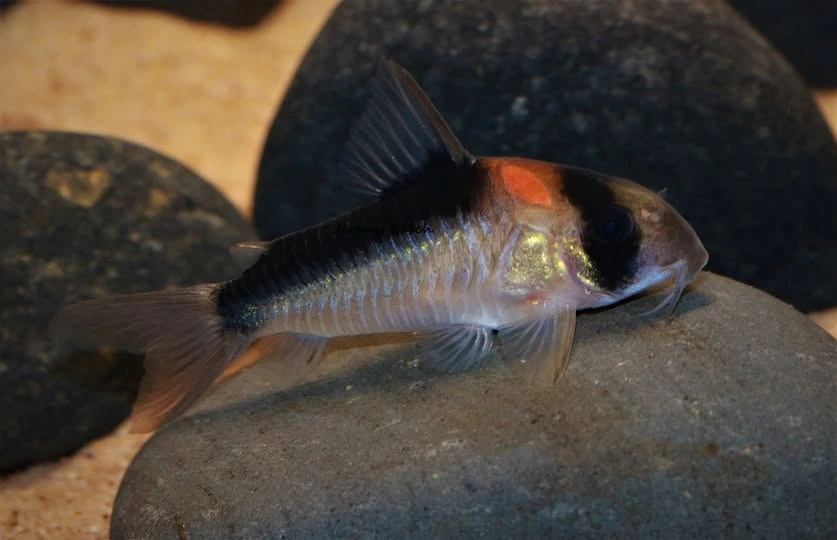
Adolfo's Corydoras
Corydoras adolfoi
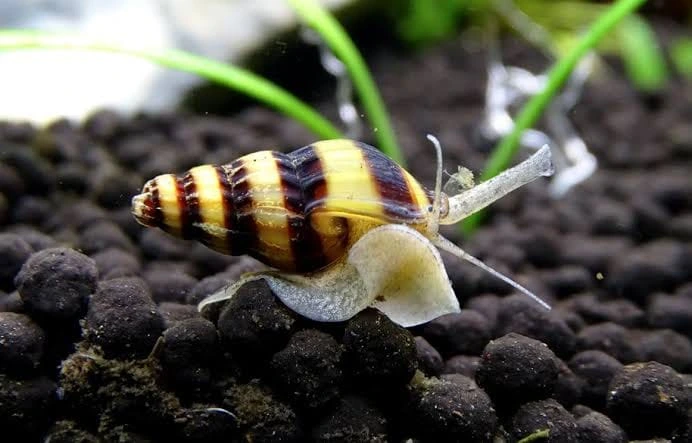
Assassin Snail
Clea helena
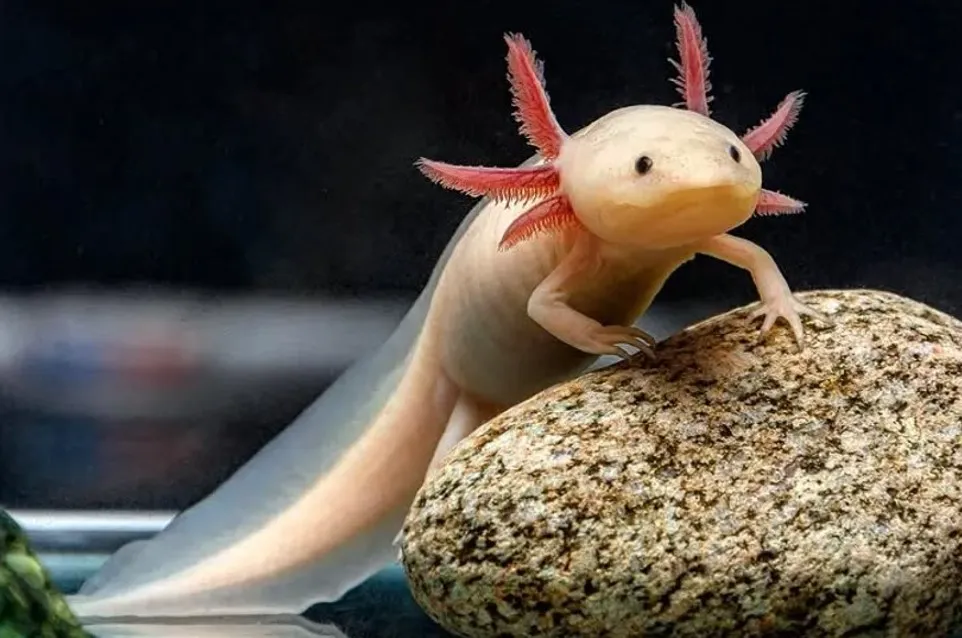
Axolotl
Ambystoma mexicanum
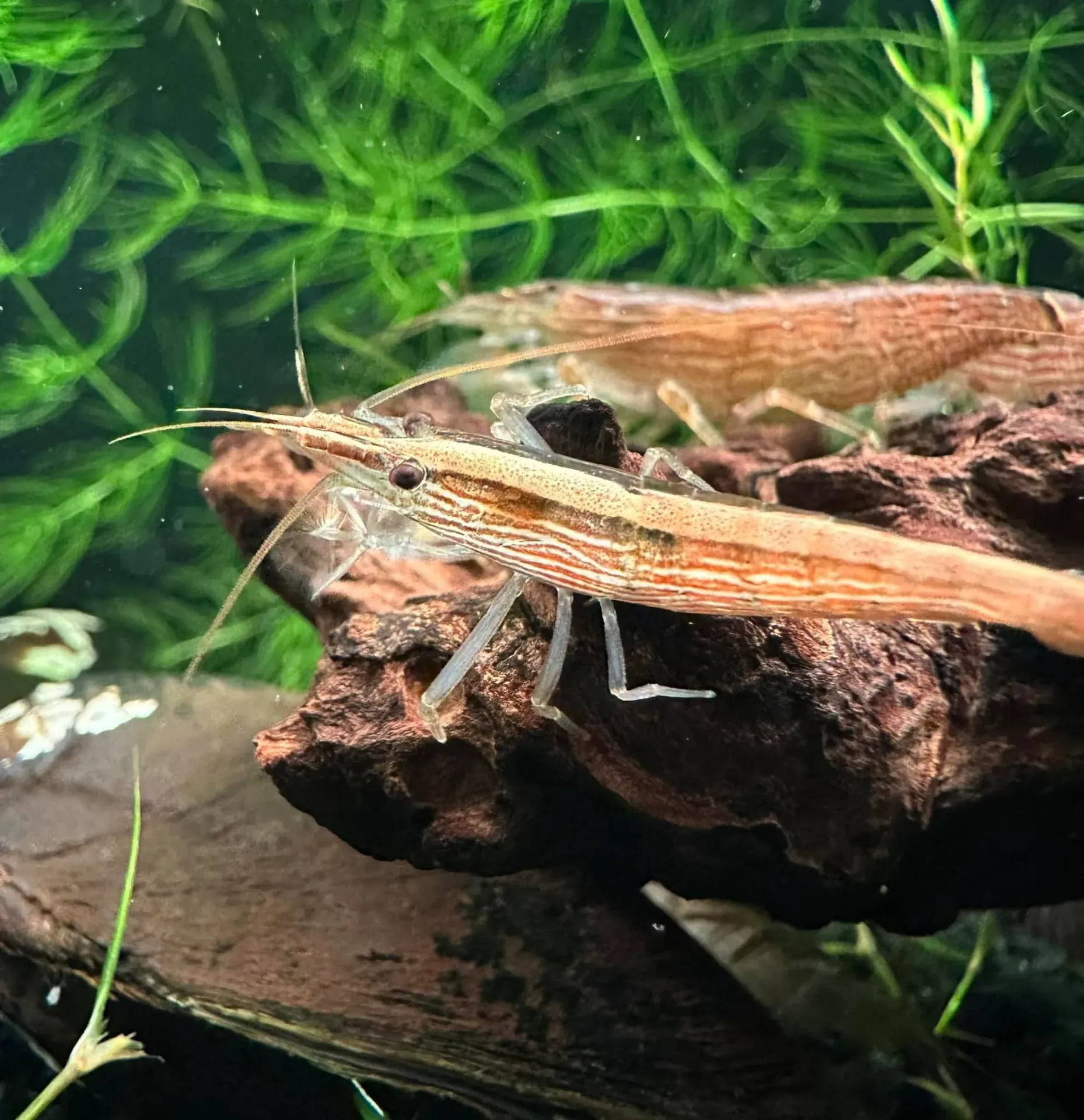
Bamboo Shrimp
Atyopsis moluccensis
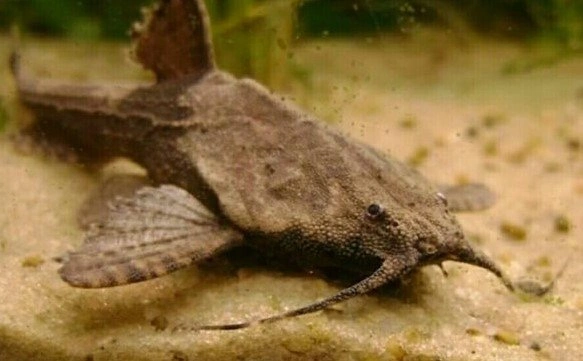
Banjo Catfish
Bunocephalus coracoideus
Ready to Add Threadfin Rainbowfish to Your Tank?
Use our free stocking calculator to check compatibility, bioload, and get personalized recommendations.