
Care Requirements
Adult Size
2.0" (5cm)
Min Tank
20 gal
Temperature
75-82°F
pH Range
7-8
Lifespan
2-3 years
Min Group
6+ fish
Diet
Omnivore
Swim Level
Top
Bioload
1/10
Hardness
8-18 dGH
About Forktail Blue-Eye
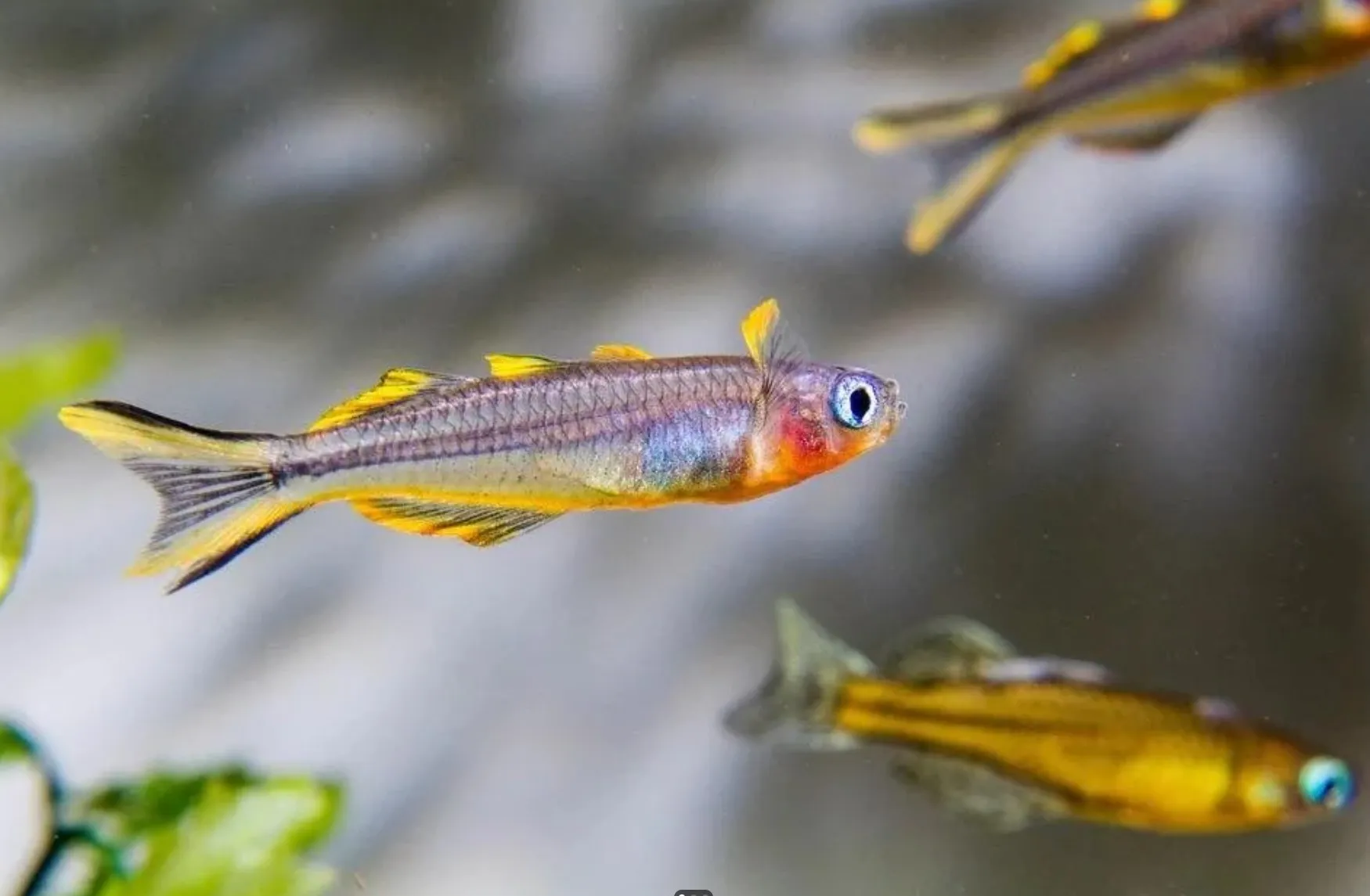
The Forktail Blue-Eye (Pseudomugil furcatus) is a small, brilliantly colored rainbowfish from Papua New Guinea. Males display striking yellow bodies with brilliant blue eyes and distinctively forked tail fins — features that give this species its common name. Despite their small size (2 inches), they're active, engaging fish that constantly display to each other. They prefer slightly alkaline, harder water, which sets them apart from many tropical species. With a shorter lifespan of 2-3 years, they're best enjoyed in breeding colonies where the population sustains itself.
Natural Habitat & Origin
Forktail Blue-Eyes are found in clear, fast-flowing mountain streams in the Eastern Highlands Province of Papua New Guinea, specifically streams flowing into the Musa and Kwagira Rivers. They inhabit well-oxygenated, slightly alkaline water with rocky and sandy substrates at temperatures cooler than typical tropical environments.
Native Region
Papua New Guinea — Eastern Highlands Province, streams flowing into Musa and Kwagira Rivers
Habitat Type
Clear, fast-flowing mountain streams with rocky and sandy substrates
Wild Water Conditions
Well-oxygenated, slightly alkaline water cooler than typical tropical environments
Appearance & Varieties
Forktail Blue-Eyes are small fish reaching about 2 inches (5cm). Males are the showstoppers with bright yellow bodies, brilliant iridescent blue eyes, and elongated, distinctively forked tail fins with yellow and black markings. Their pectoral fins are also elongated and tipped with yellow. Females are duller with rounded fins and less intense coloration. Males display with fully spread fins in competitive but harmless sparring, creating beautiful visual displays.
Tank Setup & Requirements
Quick Requirements Summary
Tank Size
Minimum Tank Size
20 gallons
Recommended Tank Size
30 gallons
Forktail Blue-Eyes are excellent for planted nano tanks (15+ gallons minimum, 20+ recommended). Long tanks with swimming space work best. Heavily planted tanks with fine-leaved plants provide spawning sites and security. Dark substrate shows off their colors beautifully. Moderate to strong flow with good oxygenation mimics their mountain stream habitat. They require slightly alkaline, harder water (pH 7.0-8.0) — different from many soft-water tropicals. Pristine water quality is essential as they're sensitive to pollution.
Water Parameters
Temperature 72-78°F (22-26°C), pH 7.0-8.0, hardness 10-20 dGH. Hard, alkaline water is key.
Substrate
Any — dark substrate shows off their colors well
Plants & Decorations
Heavily planted recommended. Java moss, fine-leaved stem plants, floating plants. Natural setup with driftwood. Leave open swimming areas in upper tank.
Filtration & Water Flow
Moderate flow with good oxygenation — they come from flowing streams
Lighting
Moderate to bright — promotes plant growth and displays their colors
Diet & Feeding Guide
Diet Type
Omnivore
Feeding Frequency
2-3 times daily in small amounts
Portion Size
Tiny amounts — very small mouths
Forktail Blue-Eyes have very small mouths requiring appropriately sized food. They primarily feed from the surface and mid-water on small insects, insect larvae, and zooplankton. Crushed flakes, micro pellets, and nano fish foods work as staples. Supplement with frozen cyclops, baby brine shrimp, and daphnia. Live foods like baby brine shrimp and grindal worms bring out the best color and display behavior. Multiple small feedings keep them active and colorful.
Best Foods for Forktail Blue-Eye
- Crushed flakes and micro pellets — Appropriately sized staple food
- Frozen cyclops and baby brine shrimp — Excellent supplementation
- Live baby brine shrimp — Triggers best display and coloration
- Daphnia — Good variety and nutrition
- Grindal worms and vinegar eels — Perfect live food size for tiny mouths
Foods to Avoid
- Large foods — They have very small mouths and can't eat standard-sized foods
- Poor quality foods — Sensitive fish need good nutrition for health and color
Very small mouths require appropriately sized food. They primarily feed from surface and mid-water. Multiple small feedings keep them active and colorful. Varied diet enhances their iridescent coloration.
Behavior & Temperament
Forktail Blue-Eyes are peaceful schooling fish that are constantly swimming, displaying, and interacting. Males display with fully spread fins in competitive but harmless sparring — one of the most beautiful behaviors in nano fishkeeping. Morning light triggers the most intense display behavior. They prefer hard, slightly alkaline water, which is different from many tropical fish. Despite their peaceful nature, they're active and engaging to watch. Their shorter lifespan (2-3 years) is normal for Pseudomugil species.
Tank Mates: Compatibility Guide
Compatible Tank Mates
Excellent pairing — may eat shrimplets but ignore adults
Perfect bottom-dwelling companion
Similar size and peaceful nature
Small rasboras
Chili Rasboras, Celestial Pearl Danios
Other Pseudomugil species
Can be kept with other blue-eyes
Tank Mates to Avoid
Large fish
Will eat or intimidate them
Aggressive species
Too small and peaceful to defend
Fin nippers
Males' extended fins are targets
Fish that outcompete for surface food
They feed primarily from surface
Common Pairing Questions
Can Forktail Blue-Eyes live with shrimp?
Yes! They're one of the best nano fish for shrimp tanks. They may eat newly hatched shrimplets but generally ignore adult shrimp.
Can they be kept with other rainbowfish?
With other small Pseudomugil species, yes. Larger rainbowfish will outcompete and intimidate them.
Forktail Blue-Eyes are easy, continuous spawners. Males display with spread fins and spawn among fine-leaved plants in the morning. They deposit 5-20 eggs daily in small batches over weeks rather than all at once. Eggs are tough and can be moved — remove spawning mops or plant clippings to a separate container for hatching. Incubation takes 14-21 days, which is longer than many fish. Fry are tiny and need infusoria or vinegar eels initially, then baby brine shrimp. Adults may eat eggs so separation is recommended for maximum yield.
Health Issues & Disease Prevention
Forktail Blue-Eyes are moderately hardy but sensitive to water quality. They require pristine conditions with low nitrates (< 10 ppm). They're susceptible to Ich, velvet disease, and mycobacteriosis. Good oxygenation is important as they come from flowing mountain streams. Healthy specimens display bright yellow coloration, visible blue eyes, active swimming, and males displaying with fully spread forked tails. Stress signs include faded color, clamped fins, hiding, and loss of display behavior.
Common Diseases
| Disease | Symptoms | Treatment |
|---|---|---|
| Ich (White Spot Disease) | White spots, flashing, clamped fins | Raise temperature gradually, half-dose medication due to small size |
| Velvet disease | Gold dust coating, lethargy, clamped fins | Quarantine, darken tank, appropriate medication |
| Mycobacteriosis | Wasting, curved spine, lethargy | No reliable cure — maintain excellent water quality for prevention |
Signs of a Healthy Forktail Blue-Eye
- Bright yellow coloration
- Blue eyes visible
- Active swimming
- Males displaying
- Eating well
- Forked tail fully spread
Prevention Tips
- Pristine water quality with very low nitrates
- Good oxygenation
- Quarantine all new fish
- Varied diet
- Stable water parameters
Frequently Asked Questions
Their eyes have a brilliant blue iridescence that's particularly striking. The 'Forktail' refers to the distinctively forked tail fins of the males. Both features make them unmistakable.
Only 2-3 years, which is shorter than many aquarium fish. This is normal for Pseudomugil species. Enjoy them while you have them, and breeding extends your colony's presence.
Yes — they prefer slightly alkaline (pH 7.0-8.0), moderately hard water. This is different from many tropical fish that prefer soft, acidic water. They come from limestone-influenced streams.
Excellent choice! At 2 inches they're perfect for 15-20 gallon planted nano tanks. A school of 10-12 creates beautiful activity and display behavior without overwhelming small tanks.
They need: a proper school (6+, preferably more), good health, appropriate water conditions, adequate lighting, and the presence of other males. Morning light often triggers display. Give them time to settle in.
Yes! They're one of the best nano fish for shrimp tanks. They may eat newly hatched shrimplets but generally ignore adult shrimp. Their water requirements often align with cherry shrimp.
Tips for Keeping Forktail Blue-Eye
Pro Tips
- ✓Morning light triggers the best display behavior
- ✓Multiple males = more display activity, not aggression
- ✓One of the best nano tank rainbowfish
- ✓Hard, alkaline water is key — not soft and acidic
- ✓They breed continuously — check plants for eggs if you want fry
- ✓Short lifespan means enjoying them now and keeping a breeding colony
- ✓Java moss is perfect for spawning and catching eggs
- ✓Great with shrimp in planted tanks
Common Mistakes to Avoid
- ✗Soft, acidic water — they need hard, alkaline conditions
- ✗School too small — need 6+ for display behavior
- ✗Too warm — they prefer cooler tropical temperatures (72-78°F)
- ✗Expecting long lifespan — 2-3 years is normal
- ✗Large food — they need tiny/crushed foods
- ✗Aggressive tankmates — they're small and peaceful
- ✗Low oxygen — they come from flowing streams
- ✗Not enough males — multiple males display beautifully
Sources
- FishBase — Accepted scientific name, maximum size and native range for Forktail Blue-Eye.
Related Species You Might Like
View All Fish →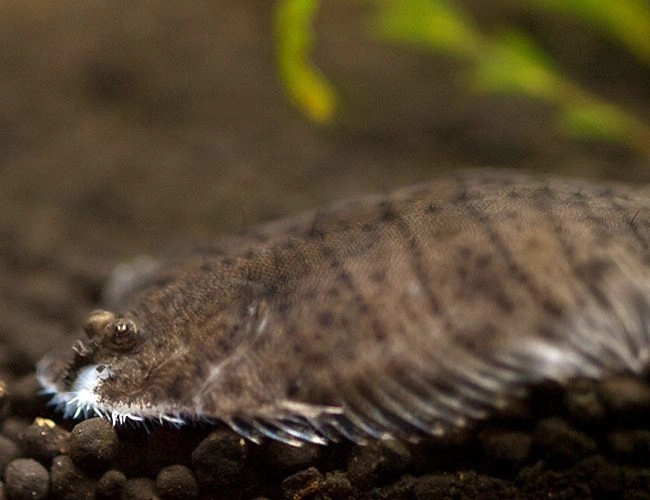
Freshwater Flounder
Brachirus spp. / Trinectes maculatus
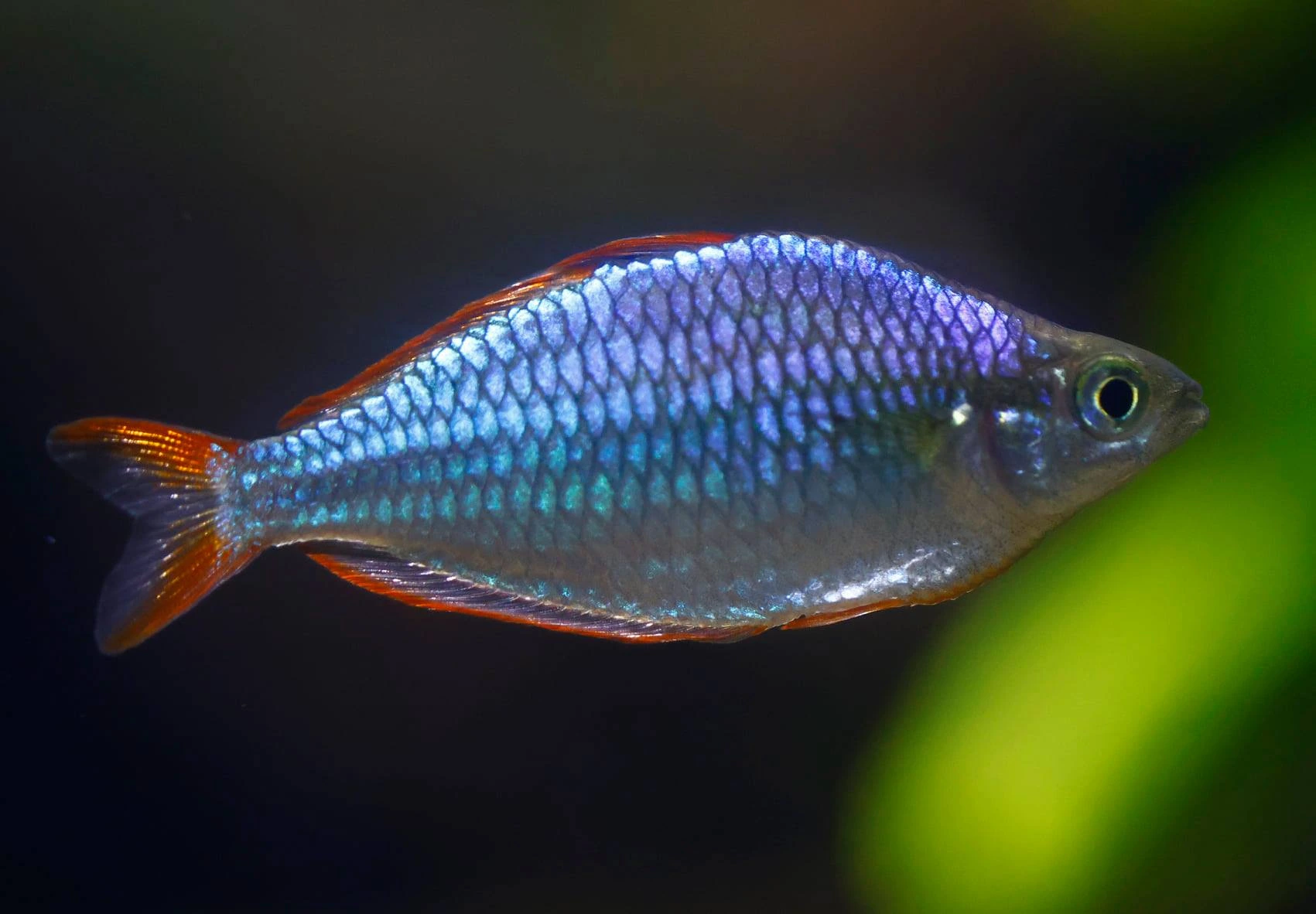
Dwarf Neon Rainbowfish
Melanotaenia praecox
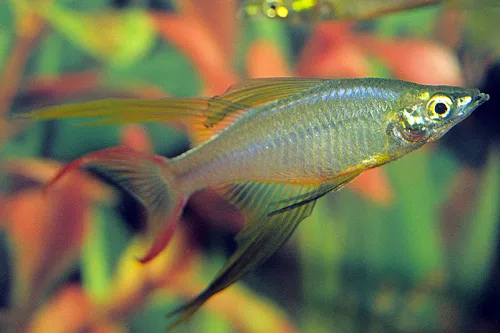
Threadfin Rainbowfish
Iriatherina werneri
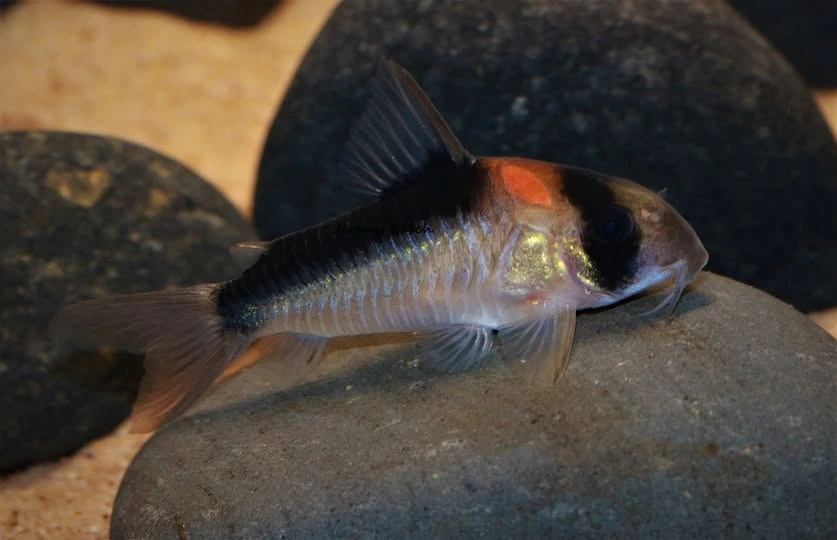
Adolfo's Corydoras
Corydoras adolfoi
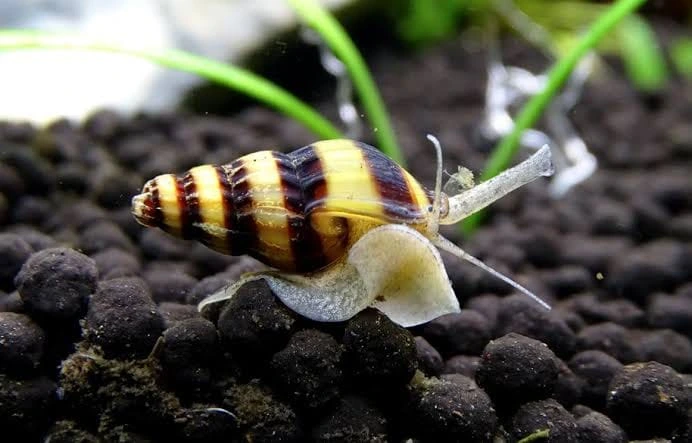
Assassin Snail
Clea helena
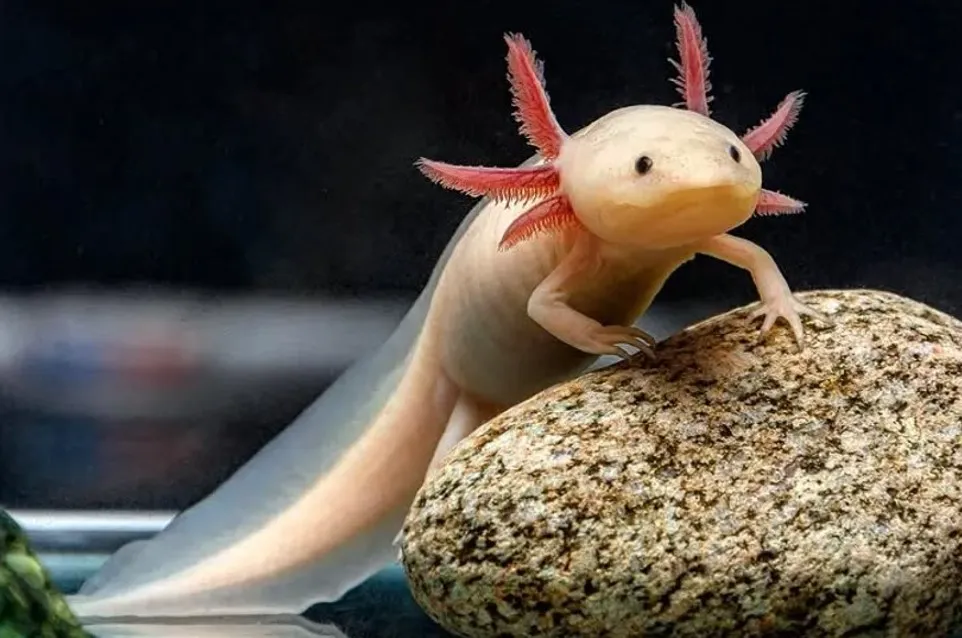
Axolotl
Ambystoma mexicanum
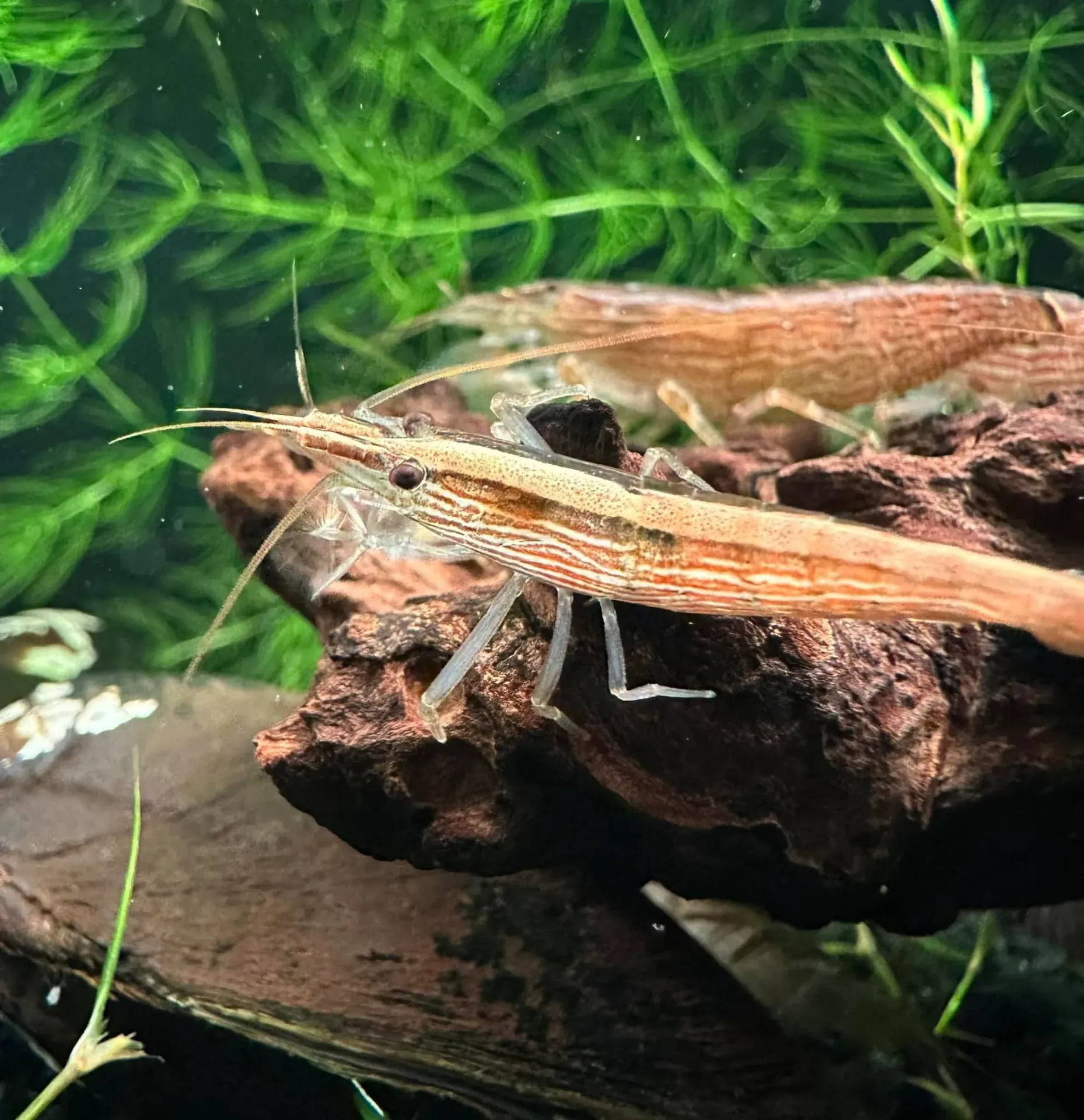
Bamboo Shrimp
Atyopsis moluccensis
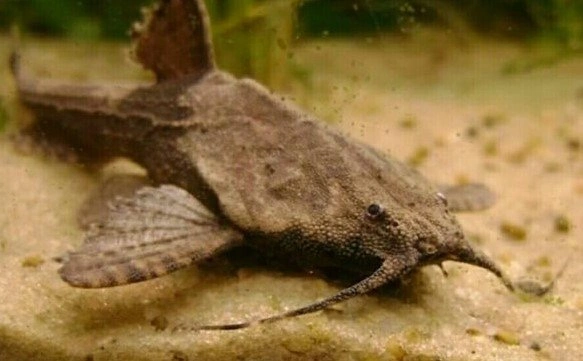
Banjo Catfish
Bunocephalus coracoideus
Ready to Add Forktail Blue-Eye to Your Tank?
Use our free stocking calculator to check compatibility, bioload, and get personalized recommendations.