
Care Requirements
Adult Size
2.4" (6cm)
Min Tank
20 gal
Temperature
75-82°F
pH Range
6.5-7.5
Lifespan
3-5 years
Min Group
6+ fish
Diet
Omnivore
Swim Level
Middle
Bioload
2/10
Hardness
5-15 dGH
About Dwarf Neon Rainbowfish
The Dwarf Neon Rainbowfish is a small, brilliantly colored species that serves as the perfect introduction to the rainbowfish family. Native to the Mamberamo River system in West Papua, Indonesia, these little gems pack all the color and personality of larger rainbowfish into a more manageable size.
What sets Dwarf Neons apart is their accessibility—they're smaller, hardier, and more adaptable than their larger cousins, making them ideal for aquarists new to rainbowfish. They also color up much faster than species like Boesemanis, with even juveniles showing attractive coloration.
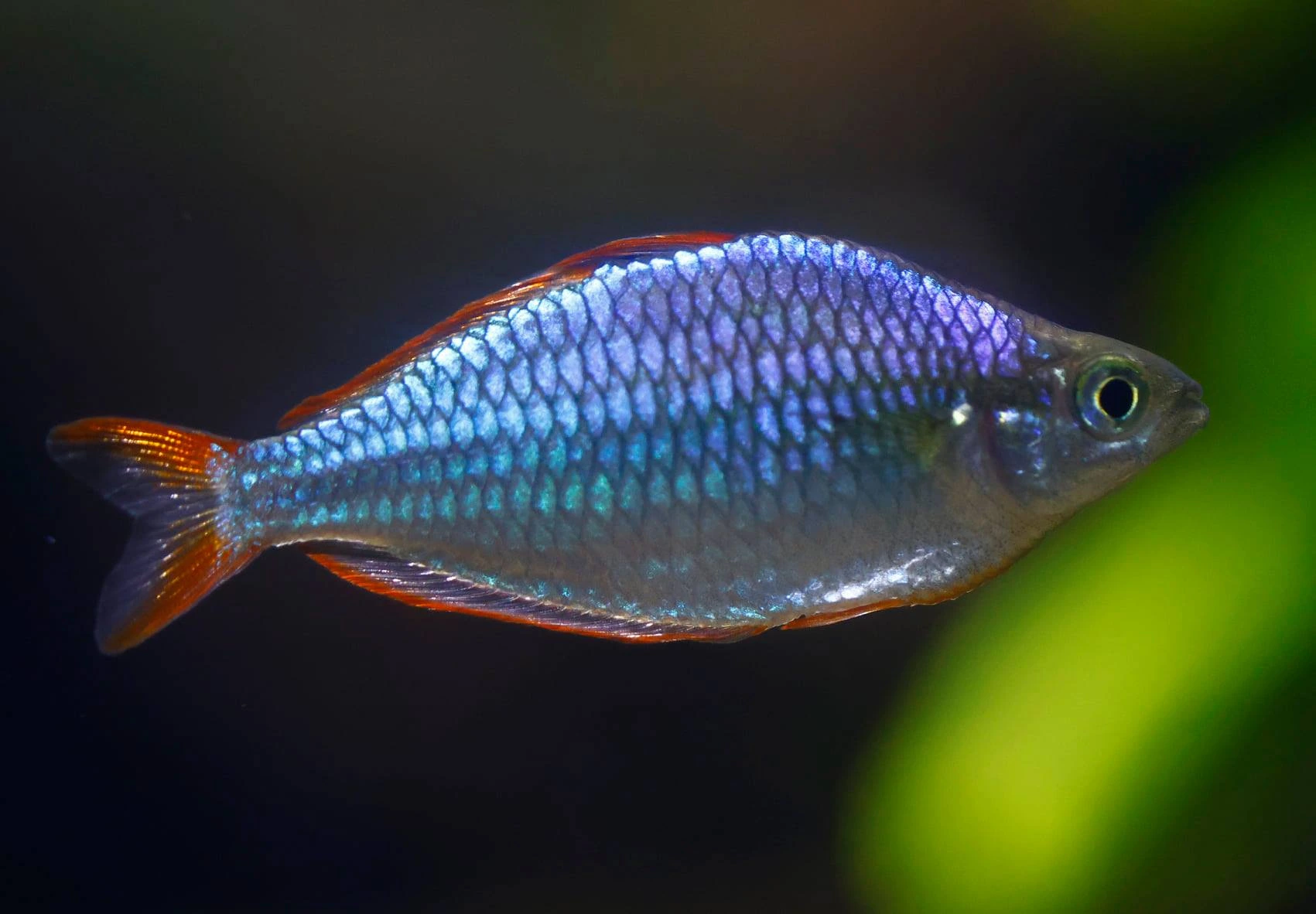
Their brilliant iridescent blue body flashes spectacularly in aquarium lighting, and males add red-orange fin edges while females sport yellow. This sexual dimorphism makes for an attractive display when keeping groups with both sexes.
Natural Habitat & Origin
In the wild, Dwarf Neon Rainbowfish inhabit the clear, fast-flowing tributaries and streams of the Mamberamo River system in West Papua, Indonesia. These waters feature dense vegetation along the banks and rocky or sandy substrates with good water flow.
Unlike the hard, alkaline-loving Boesemanis, Dwarf Neons come from waters with more moderate parameters. This makes them more adaptable in captivity—they thrive in a wider range of conditions while still preferring slightly hard, neutral to alkaline water.
Native Region
Indonesia - Mamberamo River system, West Papua
Habitat Type
Clear, fast-flowing tributaries and streams with dense vegetation
Wild Water Conditions
Moderate hardness, slightly alkaline (pH 6.5-7.8), warm temperatures
Appearance & Varieties
Dwarf Neon Rainbowfish are small, reaching only about 2.5 inches (6cm), making them much more suitable for moderate tank sizes than larger rainbowfish. Their body is a brilliant iridescent blue that catches light spectacularly, giving them a glowing, neon-like appearance.
The key to sexing is fin coloration—males have bright red-orange edges on their dorsal and anal fins, while females have yellow fin edges. Males are also slightly larger with more intense blue coloration and deeper bodies. Even juveniles show these differences, making sexing easier than with many fish.
Tank Setup & Requirements
Quick Requirements Summary
Tank Size
Minimum Tank Size
20 gallons
Recommended Tank Size
30 gallons
Dwarf Neon Rainbowfish need at least 20 gallons (75 liters) for a school, making them accessible for aquarists who can't accommodate the larger tanks that bigger rainbowfish require. Long tanks are still preferred over tall ones, as they're active horizontal swimmers.
Water Parameters
More adaptable than larger rainbowfish, tolerating pH 6.5-7.8 and moderate hardness (5-20 dGH). Temperature range of 75-82°F (24-28°C). While they prefer slightly hard, neutral to alkaline water, they adapt to a wider range than species like Boesemanis.
Substrate
Dark substrate enhances their iridescent blue coloration dramatically. Black sand or dark gravel makes their colors pop compared to light substrates.
Plants & Decorations
Plants provide security and potential spawning sites. Java Moss, Java Fern, Vallisneria, Anubias, and floating plants all work well. Include driftwood and rocks but leave plenty of open swimming space.
Filtration & Water Flow
Good filtration with moderate flow suits them well—they appreciate some current as active swimmers. Sponge filters work for smaller tanks, or standard HOB/canister filters with appropriate flow.
Lighting
Moderate lighting shows off their iridescence beautifully. Their blue coloration catches and reflects light spectacularly, making them especially attractive under quality LED lighting.
Diet & Feeding Guide
Diet Type
omnivore
Feeding Frequency
2x daily
Portion Size
What they consume in 2 minutes
Dwarf Neon Rainbowfish are enthusiastic omnivores with smaller mouths than larger rainbowfish. They're eager surface feeders that will accept a wide variety of appropriately sized foods.
Best Foods for Dwarf Neon Rainbowfish
- Micro pellets — Appropriately sized for smaller mouths
- Color-enhancing flakes — Brings out their brilliant blue iridescence
- Frozen bloodworms — Chopped smaller if needed, excellent treat
- Frozen brine shrimp — Natural color enhancement
- Daphnia — Perfect size and great for color
- Live baby brine shrimp — Excellent conditioning food
Foods to Avoid
- Large pellets — Too big for their smaller mouths
- Low-quality foods — Affects color and health
- Overfeeding — Small stomachs, excess pollutes water
Despite being smaller than other rainbowfish, they're still eager feeders. Use appropriately sized foods for their smaller mouths. Color-enhancing diet brings out their spectacular blue iridescence.
Behavior & Temperament
Dwarf Neon Rainbowfish are active, peaceful schooling fish that add constant movement and flashing color to the aquarium. They occupy the middle to upper water column and are always on the move.
Males display with flared fins, especially in morning light, competing with impressive shows of color. Both sexes are attractive—males with their red-orange fins and intense blue, females with yellow fins and slightly softer coloration.
One advantage over larger rainbowfish is that color develops quickly—even juveniles are attractive, unlike species that take over a year to color up.
Tank Mates: Compatibility Guide
Compatible Tank Mates
Other Small Rainbowfish
Excellent companions with similar needs
Tetras
Cardinal, neon, rummy-nose work well
Rasboras
Harlequin and similar peaceful species
Corydoras
Peaceful bottom-dwellers complement mid-water fish
Peaceful Barbs
Cherry barbs, smaller peaceful species
Livebearers
Guppies, platies, mollies
Dwarf Cichlids
Rams, apistos in larger tanks
Gouramis
Honey, dwarf gouramis
Tank Mates to Avoid
Large aggressive fish
Will stress or eat them
Very slow-moving fish
May be outcompeted for food
Fin nippers
Will damage fins and cause stress
Fish large enough to eat them
Obvious predation risk
Common Pairing Questions
Are Dwarf Neon Rainbowfish shrimp-safe?
Mostly—they usually ignore adult shrimp but may eat baby shrimp if they can catch them. Provide dense moss for shrimplet survival if keeping with breeding shrimp colonies.
Can Dwarf Neon Rainbowfish live with bettas?
Generally not recommended—they're active swimmers that may stress slower bettas, and their fin coloration might trigger aggression in some bettas.
Do I need both males and females?
Both sexes are attractive with different fin colors. Groups with both create the most natural behavior and impressive male displays. All-male groups work but may show more competition.
Dwarf Neon Rainbowfish are among the easiest rainbowfish to breed, making them excellent choices for first-time rainbowfish breeding projects. They're continuous spawners in good conditions, scattering adhesive eggs among fine-leaved plants over extended periods.
Males display intensely to females, showing off their bright fin coloration. Pairs deposit eggs on spawning mops or java moss, with spawning continuing over several days. Check plants regularly for eggs if breeding.
Remove eggs to a separate tank or in heavily planted tanks, some fry will survive with adults. Eggs hatch in 7-10 days, and fry are tiny but accept baby brine shrimp fairly quickly. They grow faster and color up sooner than larger rainbowfish species.
Health Issues & Disease Prevention
Dwarf Neon Rainbowfish are hardy and adaptable—among the easiest rainbowfish to keep healthy. They tolerate a wider range of conditions than larger species and are less demanding overall.
Common Diseases
| Disease | Symptoms | Treatment |
|---|---|---|
| Ich | White spots, scratching | Raise temperature gradually, standard ich medication |
| Velvet | Gold dust appearance | Dim lights, copper-based medication |
| Fin Rot | Frayed, deteriorating fins | Improve water quality, antibacterial treatment |
| Columnaris | White patches, cotton-like growths | Antibacterial medication, pristine water |
Signs of a Healthy Dwarf Neon Rainbowfish
- Brilliant blue iridescence
- Active swimming throughout tank
- Bright fin coloration (red for males, yellow for females)
- Good appetite
- Natural schooling behavior
Prevention Tips
- Quarantine new fish for 2 weeks
- Maintain good water quality with regular changes
- Keep in groups of 6+ for security
- Provide varied diet for optimal health
- Avoid extreme parameter swings
Frequently Asked Questions
Males have red-orange edges on their fins and more intense blue coloration. Females have yellow fin edges and are slightly smaller and less colorful. The difference is visible even in juveniles.
Yes—they're hardy, peaceful, beautiful, and more adaptable than larger rainbowfish. They're perfect for medium community tanks and don't require as strict water parameters.
They need at least 20 gallons for a school. While smaller than other rainbowfish, they're still active swimmers that need horizontal swimming space.
Males spar and display to establish hierarchy—this is normal and rarely causes harm. Ensure adequate group size (6+) and space to reduce intensity. It's usually just posturing.
Tips for Keeping Dwarf Neon Rainbowfish
Pro Tips
- ✓The best rainbowfish for smaller tanks and community setups
- ✓Color develops quickly unlike larger rainbowfish species
- ✓Males and females both attractive with different fin colors
- ✓One of the easiest rainbowfish to breed
- ✓Dark background and substrate make their blue pop
- ✓Morning viewing shows best colors during male displays
- ✓Hardy and adaptable—perfect introduction to rainbowfish
Common Mistakes to Avoid
- ✗Too small tanks—they need swimming room despite small size
- ✗Small groups—keep 6+ for natural schooling behavior
- ✗Gaps in tank lid—they jump
- ✗Low-quality diet—affects color significantly
- ✗Mixing with aggressive or nippy fish
- ✗Keeping only males—females are also beautiful
Sources
- FishBase — Accepted scientific name, maximum size and native range for Dwarf Neon Rainbowfish.
Related Species You Might Like
View All Fish →
Electric Blue Acara
Andinoacara pulcher hybrid

Australian Rainbowfish
Melanotaenia splendida
Boesemani Rainbowfish
Melanotaenia boesemani
Turquoise Rainbowfish
Melanotaenia lacustris
Forktail Blue-Eye
Pseudomugil furcatus
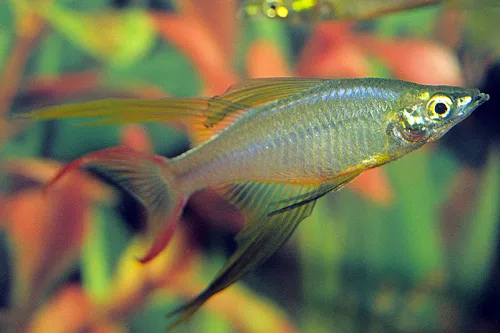
Threadfin Rainbowfish
Iriatherina werneri
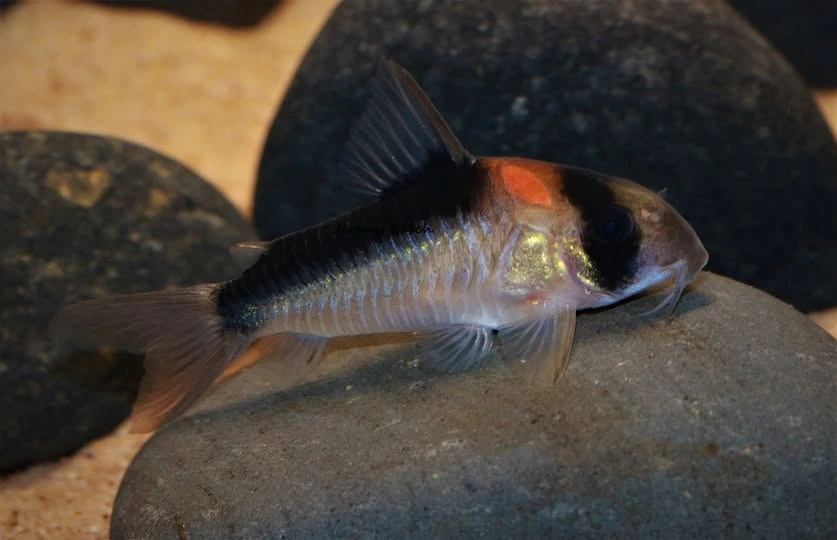
Adolfo's Corydoras
Corydoras adolfoi
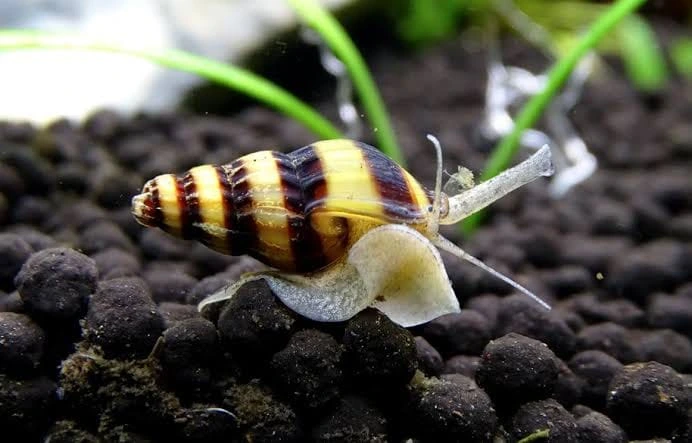
Assassin Snail
Clea helena
Ready to Add Dwarf Neon Rainbowfish to Your Tank?
Use our free stocking calculator to check compatibility, bioload, and get personalized recommendations.