
Care Requirements
Adult Size
4.7" (12cm)
Min Tank
40 gal
Temperature
68-77°F
pH Range
7-9
Lifespan
5-8 years
Min Group
6+ fish
Diet
Omnivore
Swim Level
Middle
Bioload
3/10
Hardness
10-25 dGH
About Turquoise Rainbowfish
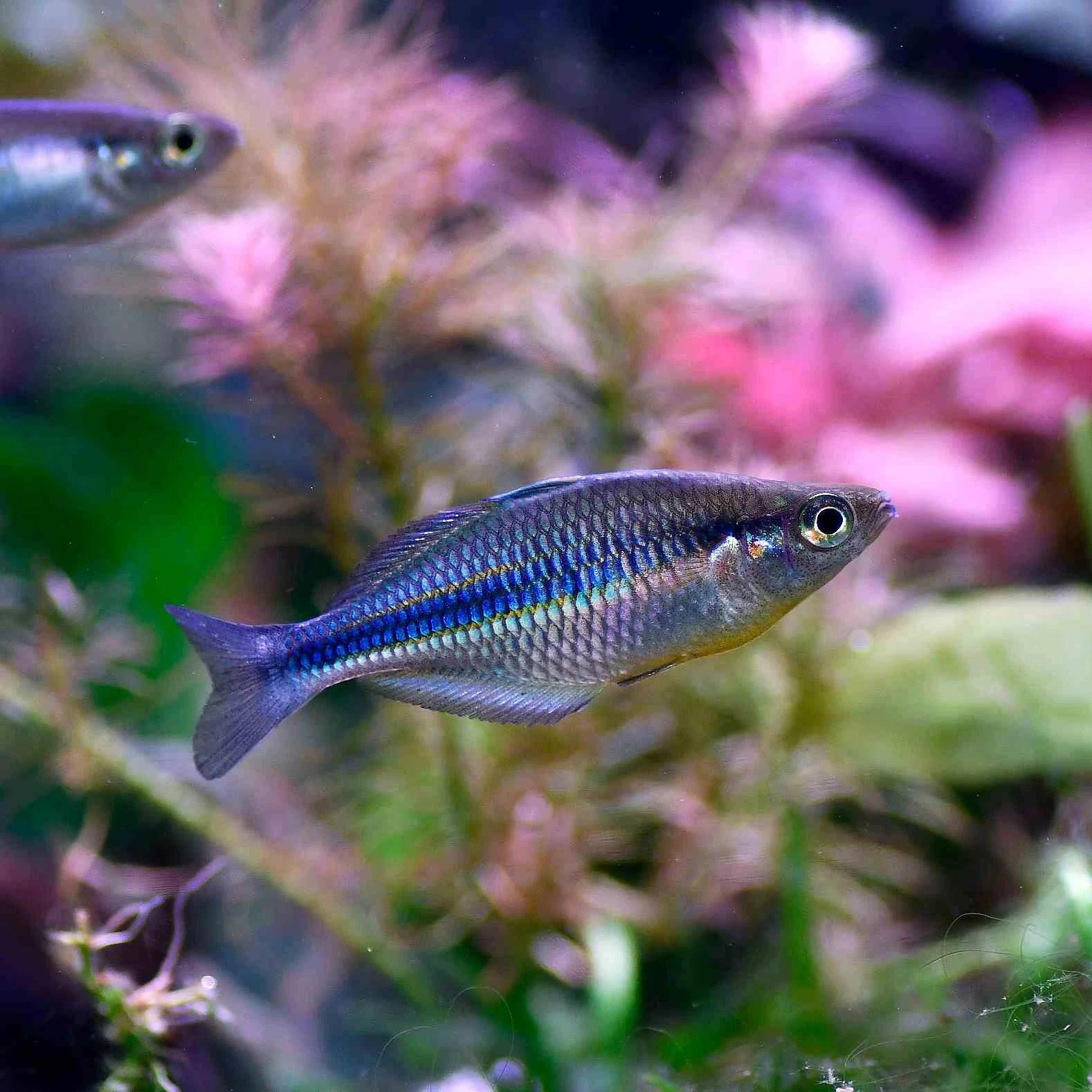
The Turquoise Rainbowfish, also known as the Lake Kutubu Rainbowfish, displays one of the most beautiful blue colorations in freshwater fish. Males develop an ethereal turquoise-blue that covers the upper body, transitioning to silver-white below — creating an effect reminiscent of the sky reflecting on water. This coloration is subtle yet striking, different from the bold patterns of some rainbowfish.
Endemic to Lake Kutubu in Papua New Guinea's highlands, this species has adapted to conditions somewhat unusual for tropical fish — cooler temperatures than most rainbowfish and hard, alkaline water. Understanding these requirements is key to successful keeping.
Lake Kutubu's isolation produced this unique species found nowhere else on Earth. Sadly, the introduction of Tilapia has devastated wild populations, earning them Vulnerable conservation status. Captive breeding programs and aquarium populations represent important genetic repositories for this threatened species.
Their care is straightforward once their preferences for cooler, harder water are understood. They're peaceful, active fish that work well in communities with compatible species.
Natural Habitat & Origin
Conservation status: Endangered (EN)
Turquoise Rainbowfish are endemic to Lake Kutubu, a highland lake in Papua New Guinea's Southern Highlands Province. This remote lake sits at approximately 800 meters elevation, resulting in cooler temperatures than lowland New Guinea waters. The lake's limestone geology produces hard, alkaline conditions quite different from typical tropical environments.
Lake Kutubu is a remarkable ecosystem hosting several endemic fish species found nowhere else. The clear water, limestone substrate, and cooler temperatures created conditions for unique evolutionary development. Unfortunately, introduced Tilapia have caused dramatic population declines.
The lake environment features clear water, rocky and sandy substrates, and aquatic vegetation along margins. Turquoise Rainbowfish occupy mid-water zones, forming schools in open areas while using vegetation for spawning and cover.
Conservation concern for wild populations is significant. The aquarium hobby plays a role in maintaining captive populations that preserve genetic diversity.
Native Region
Papua New Guinea — Lake Kutubu (endemic)
Habitat Type
Highland lake with clear, alkaline water
Wild Water Conditions
Cool (20-24°C), hard (10-20 dGH), alkaline (pH 8.0-9.0)
Appearance & Varieties
Male Turquoise Rainbowfish display beautiful sky-blue to turquoise coloration across the upper body, fading to silver-white on the lower flanks and belly. The color is iridescent, shifting with light and angle. During displays, the blue intensifies dramatically.
The body shows the typical deep rainbowfish profile, particularly pronounced in mature males. Two dorsal fins are edged with blue. The overall effect is elegant rather than flashy.
Females are less colorful, showing silver-olive base coloration with hints of blue iridescence. Sexual dimorphism is moderate but visible in mature fish.
Adults reach 4-5 inches (10-12 cm). Coloration intensifies with maturity, reaching its peak in fish 2+ years old.
Popular Varieties
| Variety | Description | Rarity |
|---|---|---|
| Standard/Wild-Type | Turquoise-blue males, silver-olive females. The only form available. Color intensity varies with condition, diet, and mood. | Uncommon |
Tank Setup & Requirements
Quick Requirements Summary
Tank Size
Minimum Tank Size
40 gallons
Recommended Tank Size
60 gallons
Turquoise Rainbowfish tanks must accommodate their preference for cooler, harder water than typical tropical setups. This limits tankmate options but creates appropriate conditions for these highland lake fish.
Water Parameters
Temperature 68-77°F (20-25°C), ideal 72-75°F. pH 7.0-9.0, ideal 7.5-8.5. Hardness 10-25 dGH. Cooler than most rainbowfish — they're highland lake fish. Hard, alkaline water is essential — they don't thrive in soft, acidic conditions.
Substrate
Limestone, coral sand, or aragonite can help maintain alkaline conditions. Otherwise, sand or gravel works.
Plants & Decorations
Prioritize swimming space for these active fish. Rocks and driftwood around edges. Choose hard-water tolerant plant species — Vallisneria, Java Fern, Anubias. Soft-water plants may struggle in their preferred conditions.
Filtration & Water Flow
Good filtration maintains water quality. Some current is appreciated. Standard community filtration works well.
Lighting
Not light-sensitive. Good lighting shows their turquoise coloration well.
Diet & Feeding Guide
Diet Type
omnivore
Feeding Frequency
Once or twice daily
Portion Size
Amount consumed within 2-3 minutes.
Turquoise Rainbowfish are omnivores accepting a wide variety of foods. Like other rainbowfish, they're enthusiastic feeders that rarely refuse food.
Best Foods for Turquoise Rainbowfish
- Quality flake food — Staple diet readily accepted.
- Color-enhancing foods — Foods containing spirulina and carotenoids help enhance blue coloration.
- Floating pellets — Quality pellets provide varied nutrition.
- Frozen bloodworms — Excellent protein source. Feed 2-3 times weekly.
- Frozen brine shrimp — Readily accepted. Provides variety.
- Vegetable matter — Spirulina-based foods, blanched vegetables. Provides fiber.
- Live foods — Daphnia, brine shrimp, mosquito larvae eagerly consumed.
Foods to Avoid
- Single food type exclusively — Variety maintains health. Include different food types regularly.
Cooler temperatures mean lower metabolism — they don't need as much food as warm-water species.
Behavior & Temperament
Turquoise Rainbowfish are active schooling fish that spend their time cruising through mid-water, displaying, and interacting with their group. Males display to females and rival males, intensifying coloration and spreading fins. Morning hours typically see the most impressive displays.
They're peaceful fish despite active displaying. Male competition involves ritualized displays rather than actual fighting. They coexist well with similarly peaceful species that tolerate their water requirements.
Schooling is best in groups of 6+, with more females than males reducing harassment.
Tank Mates: Compatibility Guide
Compatible Tank Mates
Rainbowfish tolerating similar conditions can be combined.
Livebearers appreciate the hard, alkaline conditions.
Adaptable plecos can adjust to harder water.
Tank Mates to Avoid
Soft-water species (most tetras, many Corydoras)
Incompatible with hard, alkaline conditions.
Very warm-water species
Their cooler preference (68-75°F) excludes species needing warmer temperatures.
Aggressive fish
Peaceful rainbowfish can be bullied.
Very small fish
May consume very small tankmates.
Turquoise Rainbowfish breed using typical rainbowfish methodology — egg scattering among fine-leaved plants over extended periods. Maintaining hard, alkaline water throughout breeding and fry rearing is important.
Eggs hatch in approximately 7-10 days. Fry require tiny foods initially — infusoria, then baby brine shrimp.
Health Issues & Disease Prevention
Turquoise Rainbowfish are hardy when their water chemistry requirements are met. Most health issues stem from inappropriate conditions — particularly soft, acidic water.
Common Diseases
| Disease | Symptoms | Treatment |
|---|---|---|
| Water Chemistry Stress | Faded color, lethargy, loss of appetite. Common in soft, acidic water. | Adjust water chemistry to appropriate hardness (10+ dGH) and pH (7.5+). |
| Ich | White spots on body, flashing, clamped fins. | Raise temperature within tolerance (to 25-26°C maximum). Commercial medications. |
| Columnaris | White patches, frayed fins, rapid progression. | Antibacterial medication. Improve conditions. |
| Temperature Stress | Lethargy, faded color. From keeping too warm. | Reduce temperature to appropriate range (68-75°F). |
Signs of a Healthy Turquoise Rainbowfish
- Vibrant turquoise coloration (males)
- Active swimming
- Good appetite
- Displaying behavior
Prevention Tips
- Maintain hard, alkaline water
- Keep temperatures cooler than typical tropicals
- Provide adequate swimming space
- Feed varied diet
- Choose compatible tankmates
Frequently Asked Questions
They evolved in Lake Kutubu, a highland lake with hard, alkaline water at cooler temperatures. Their physiology is adapted to these specific conditions. Soft, acidic, warm water stresses them.
Males develop beautiful sky-blue to turquoise coloration across the upper body. The color is iridescent, shifting with light. During displays, the blue intensifies dramatically.
Yes — Vulnerable. Introduced Tilapia have devastated wild populations in Lake Kutubu. Captive breeding helps preserve genetic diversity.
Generally not ideal — most tetras prefer soft, acidic water while Turquoise Rainbowfish need hard, alkaline conditions. Choose hard-water tolerant tankmates instead.
Cooler than typical tropicals — 68-77°F (20-25°C), ideal around 72-75°F. They're highland fish not adapted to high temperatures.
Tips for Keeping Turquoise Rainbowfish
Pro Tips
- ✓Match them with other hard-water species — livebearers, Australian rainbowfish, some rift lake cichlids.
- ✓Use limestone or aragonite to maintain alkalinity if your tap water is soft.
- ✓Morning viewing captures best displays when males compete.
- ✓Cooler temperatures mean lower metabolism — feed accordingly.
Common Mistakes to Avoid
- ✗Keeping in soft, acidic water — stress and health problems.
- ✗Maintaining high tropical temperatures — they're highland fish.
- ✗Combining with soft-water species — chemistry incompatibility.
- ✗Tank too small — need 40+ gallons.
Sources
- FishBase — Accepted scientific name, maximum size and native range for Turquoise Rainbowfish.
- IUCN Red List — Endangered conservation assessment for Melanotaenia lacustris.
Related Species You Might Like
View All Fish →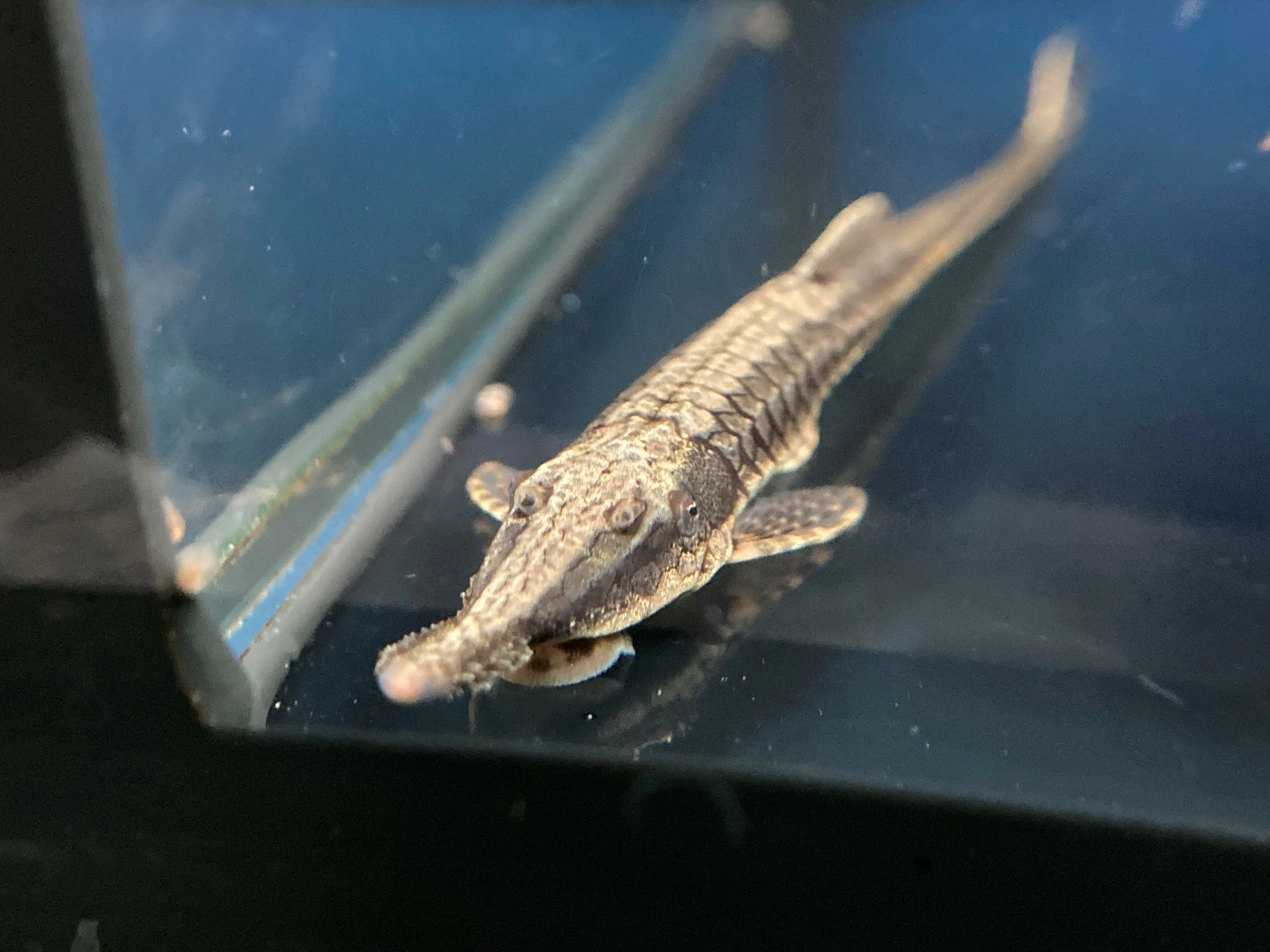
Twig Catfish
Farlowella acus

Australian Rainbowfish
Melanotaenia splendida
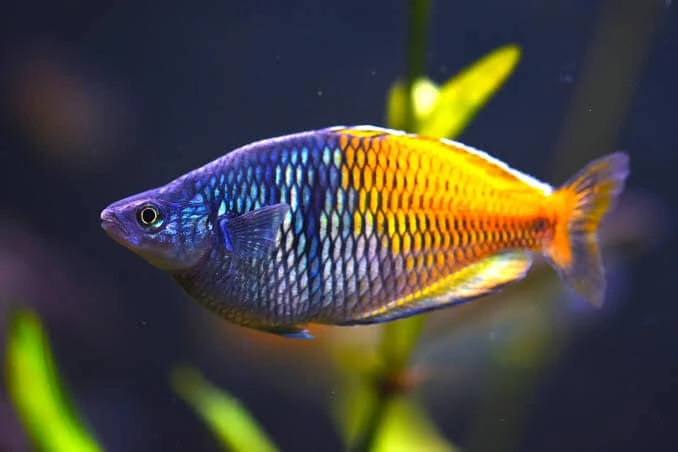
Boesemani Rainbowfish
Melanotaenia boesemani
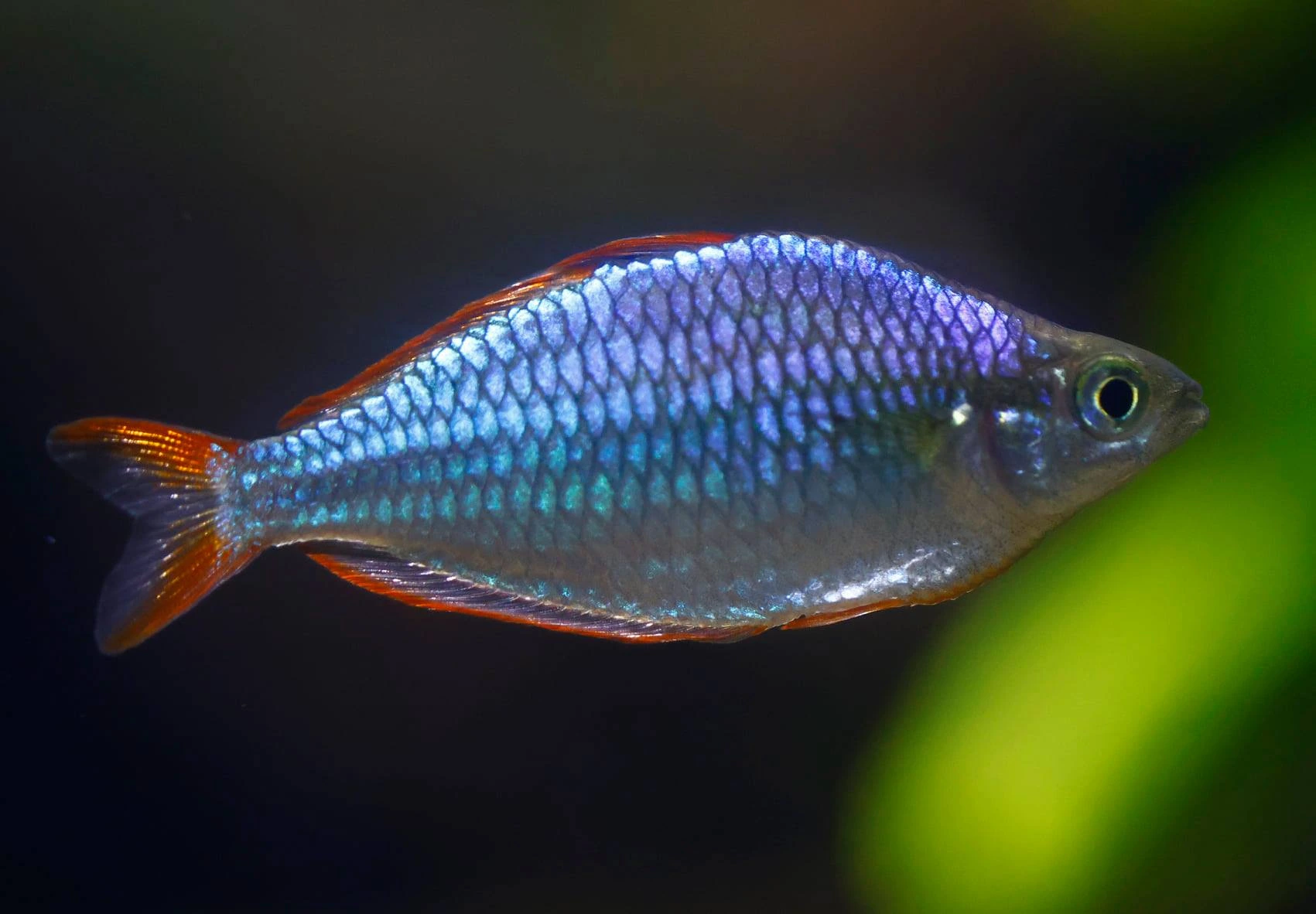
Dwarf Neon Rainbowfish
Melanotaenia praecox
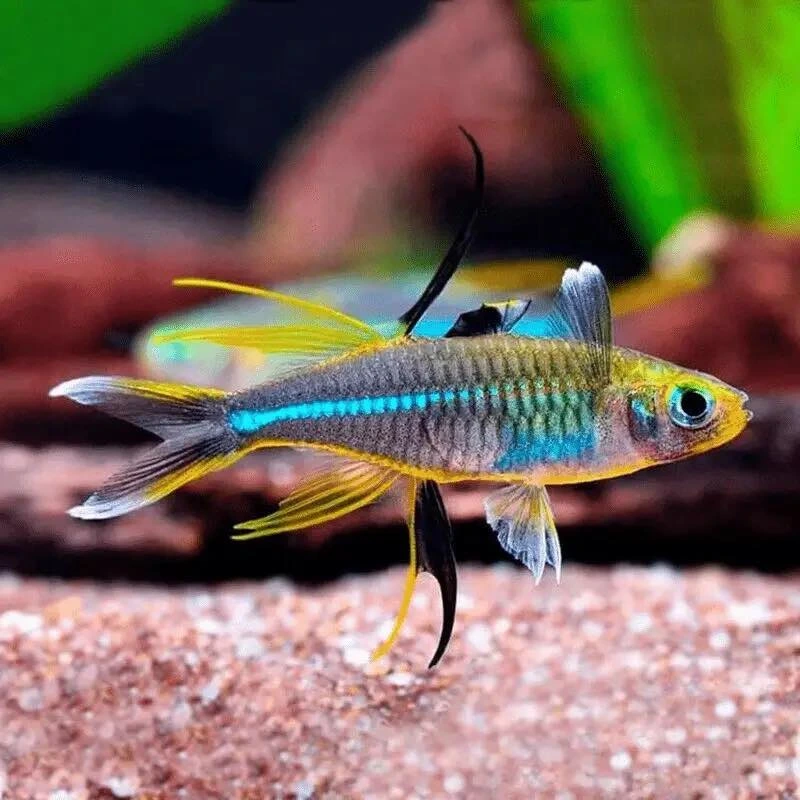
Celebes Rainbowfish
Marosatherina ladigesi
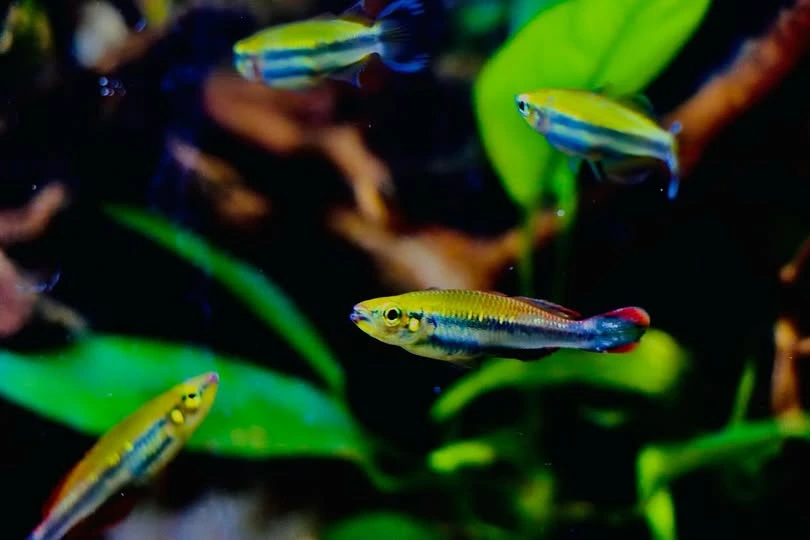
Madagascar Rainbowfish
Bedotia madagascariensis
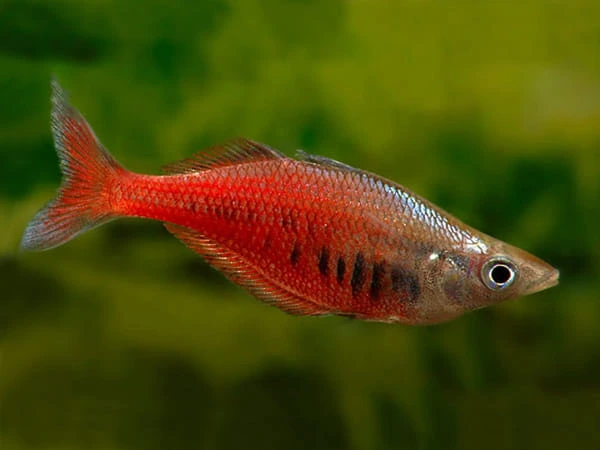
Red Rainbowfish
Glossolepis incisus
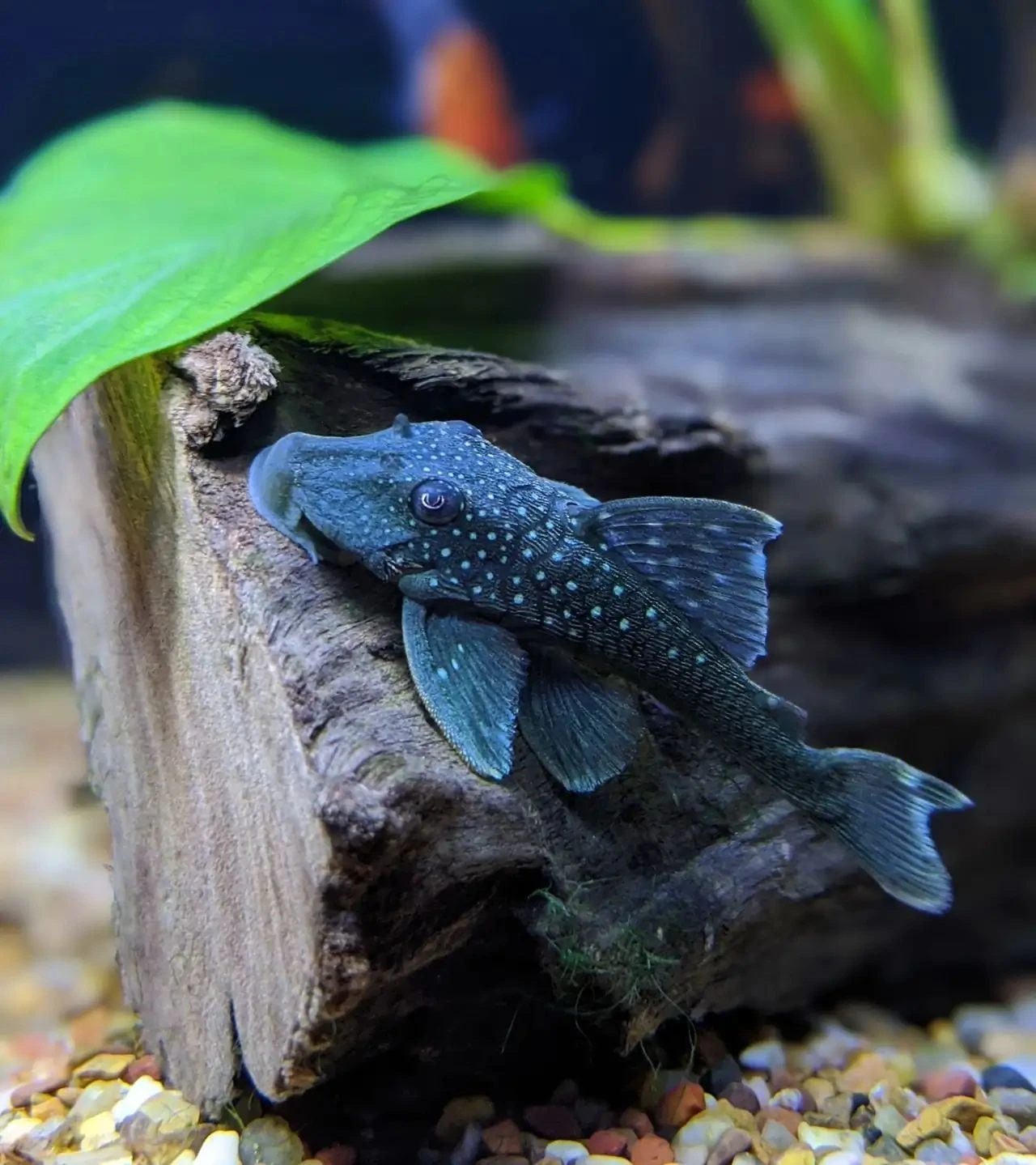
Blue Phantom Pleco
Hemiancistrus sp.
Ready to Add Turquoise Rainbowfish to Your Tank?
Use our free stocking calculator to check compatibility, bioload, and get personalized recommendations.