
Care Requirements
Adult Size
17.7" (45cm)
Min Tank
110 gal
Temperature
72-82°F
pH Range
6.5-7.5
Lifespan
10-15 years
Min Group
Can be kept alone
Diet
Omnivore
Swim Level
Bottom
Bioload
9/10
Hardness
4-15 dGH
About Common Pleco
The Common Pleco is perhaps the most misunderstood fish in the aquarium trade. Sold in pet stores as tiny 2-3 inch juveniles with claims they'll 'keep your tank clean,' these armored catfish actually grow to an impressive 18-24 inches (45-60 cm) and produce enormous amounts of waste—far more than they could ever clean up.
This disconnect between marketing and reality has made Common Plecos one of the most frequently surrendered fish to rescues and stores. Many unsuspecting beginners buy them for small tanks, only to find themselves with a massive, messy fish within 2-3 years that requires a 75-125 gallon setup to thrive.
Despite this troubled relationship with the hobby, Common Plecos are remarkable fish when properly housed. They're incredibly hardy, can live 15-20+ years with good care, and display fascinating nocturnal behaviors. Their unique armored bodies, intricate patterning, and distinctive sucker mouths make them impressive specimens for those prepared for their needs.
The key to successfully keeping a Common Pleco is simple: only purchase one if you already have (or are committed to providing) a very large aquarium with excellent filtration, driftwood for their digestive needs, and a long-term care plan.
Natural Habitat & Origin
Common Plecos originate from the fast-flowing rivers and streams of the Amazon and Orinoco river basins in South America. These waters feature rocky substrates with plenty of submerged logs, caves formed by root systems, and strong currents that maintain high oxygen levels.
In their natural habitat, plecos spend daylight hours hidden in caves and beneath logs, emerging at night to graze on algae, biofilm, and decomposing plant matter. The wood they rasp isn't just for feeding—it's essential for their digestive system, providing fiber that they cannot obtain from other food sources.
Understanding this wild lifestyle explains much about their aquarium needs: dark hiding spots, driftwood for rasping, excellent water flow and oxygenation, and an appreciation for nocturnal activity patterns.
Native Region
South America - Amazon and Orinoco river basins
Habitat Type
Fast-flowing rivers and streams with rocky substrates, submerged logs, and caves
Wild Water Conditions
High oxygen, strong currents, warm water (72-82°F), pH 6.5-7.5
Appearance & Varieties
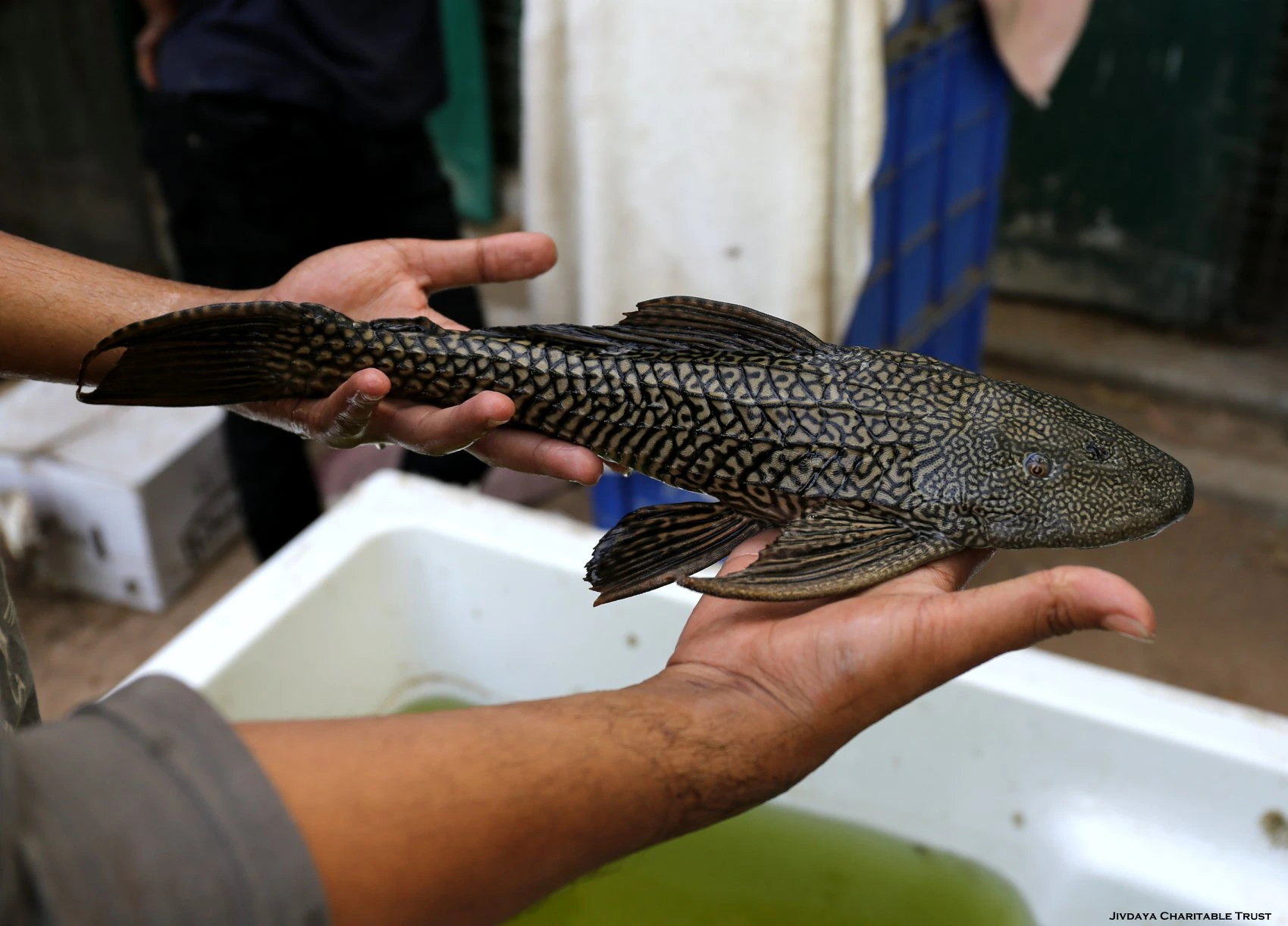
The Common Pleco has a flattened, elongated body covered in bony plates called scutes—essentially armor that protects them from predators and rough river bottoms. Their coloring is typically a mottled pattern of brown, gray, and black spots on a lighter base, providing excellent camouflage against rocky substrates.
Their most distinctive feature is the large, sucker-like mouth positioned on the underside of their head, designed for clinging to surfaces and rasping algae, biofilm, and wood. Small odontodes (tooth-like projections) cover their gill covers and pectoral fins, with males typically developing larger, more prominent odontodes.
Juveniles display more vivid spotted patterns that often fade somewhat with age. Adults develop a more elongated body shape and can appear quite different from the small, compact juveniles sold in stores—another factor contributing to buyer surprise at their ultimate size.
Popular Varieties
| Variety | Description | Rarity |
|---|---|---|
| Wild Type | Standard brown/gray spotted pattern | Common |
| Albino | Cream/yellow body with pink eyes | Common |
| Leopard | More distinct, larger spots | Uncommon |
Tank Setup & Requirements
Quick Requirements Summary
Tank Size
Minimum Tank Size
110 gallons
Recommended Tank Size
150 gallons
Providing proper housing for a Common Pleco is where many keepers fall short. These are not fish for small tanks—period. A 75-gallon tank is the absolute minimum for an adult, with 125+ gallons strongly recommended. The tank must be structurally sound, as a 125-gallon tank weighs over 1,000 pounds when filled.
Water Parameters
Common Plecos are adaptable to a range of parameters: temperature 72-82°F (22-28°C), pH 6.5-7.5, hardness 4-20 dGH. Stability matters more than hitting exact numbers. Ammonia and nitrite must be zero; nitrates should stay below 40 ppm, which requires diligent maintenance given their massive bioload.
Substrate
Sand or smooth gravel is ideal, protecting their ventral surface as they rest on the bottom. Avoid sharp-edged substrates that could damage their undersides.
Plants & Decorations
CRITICAL: Multiple large pieces of driftwood are absolutely essential—not for decoration, but for their digestive health. They constantly rasp wood for fiber without which they develop serious digestive issues. Also provide large caves and hiding spots for daytime rest. Smooth rocks add structure. Plants must be extremely hardy; soft plants will be uprooted or eaten.
Filtration & Water Flow
Massively oversized filtration is non-negotiable. Common Plecos are among the messiest fish in the hobby, producing waste equivalent to 3-4 large goldfish. Use canister filters or sump systems rated for 8-10x tank volume. For adult plecos in 125-gallon tanks, FX6 or similar high-capacity filters are standard. Multiple filters are even better.
Lighting
Low to moderate lighting suits their nocturnal nature. They're most active after lights out and prefer dimmer daytime conditions. If using bright lights for plants, ensure plenty of shaded hiding spots.
Diet & Feeding Guide
Diet Type
omnivore
Feeding Frequency
Once daily, evening preferred (nocturnal feeders)
Portion Size
What they consume overnight
Despite their reputation as 'algae eaters,' Common Plecos are actually omnivores with a preference for plant matter. They absolutely cannot survive on tank algae alone—this is one of the biggest myths in fishkeeping. Dedicated, regular feeding is essential for their health.
Best Foods for Common Pleco
- Algae wafers — Large wafers designed for plecos—main staple
- Sinking herbivore pellets — Spirulina-based pellets provide essential nutrition
- Blanched vegetables — Zucchini, cucumber, spinach, kale—feed 3-4x weekly
- Driftwood — ESSENTIAL for digestion—they must have wood to rasp constantly
- Sweet potato & carrots — Blanched treats they love
- Repashy gel foods — Excellent supplemental nutrition
- Occasional protein — Bloodworms, shrimp occasionally for balanced diet
Foods to Avoid
- Relying on tank algae alone — Will not sustain them—they need dedicated feeding
- High-protein carnivore diets — Not suited to their digestive system
- Overfeeding — Worsens already-massive bioload
Feed after lights out when they're most active. Always ensure driftwood is present—without it, plecos develop fatal digestive problems. Blanched vegetables should be weighted down and any uneaten portions removed after 12-24 hours. Contrary to popular belief, plecos don't clean tanks—they make them messier.
Behavior & Temperament
Common Plecos are primarily nocturnal, spending daylight hours hidden in caves or beneath driftwood. After lights out, they become active, emerging to graze surfaces throughout the tank. Their constant rasping of driftwood is not only normal but essential to their health.
They're generally peaceful toward other species but become increasingly territorial with their own kind as they mature. Adult plecos can engage in serious fights over territory, making single-specimen keeping the safest approach. They may occasionally suck the slime coat from slow-moving, flat-sided fish like discus or large angelfish—a rare but documented behavior.
Despite their tank-cleaning reputation, plecos actually increase tank maintenance needs substantially. They're fascinating fish to observe at night, and many keepers enjoy watching their nocturnal activities with moonlight LEDs.
Tank Mates: Compatibility Guide
Compatible Tank Mates
Works the glass and wood while the gourami holds mid-water
Severum
Large peaceful cichlid, good match in big tanks
Large Tetras
Congo Tetras, Buenos Aires Tetras—too big to bother
Rainbowfish
Active mid-dwellers, don't compete for space
Barbs
Tiger Barbs, Tinfoil Barbs—active and unbothered
Silver Dollars
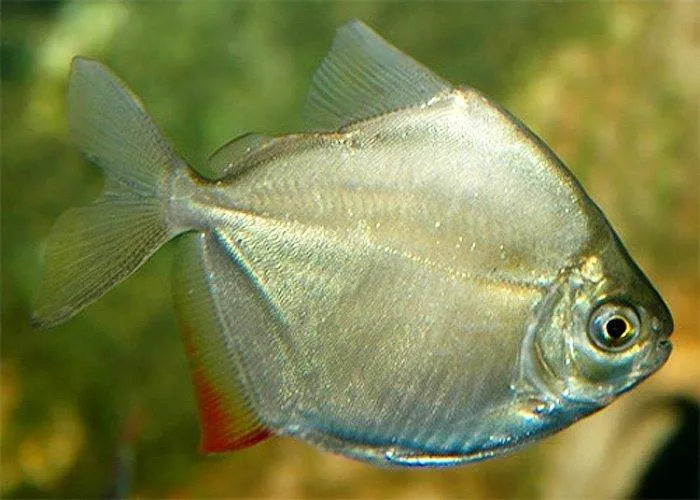
Peaceful herbivores, similar needs
Gouramis
Peaceful, different water column
Large Catfish
Other large catfish that aren't territorial plecos
Tank Mates to Avoid
Other Large Plecos
Territorial fights, especially between adults
Discus
May suck their slime coat; temperature overlap but risky
Goldfish
Temperature incompatibility + slime coat issues
Slow-moving flatfish
Risk of slime coat damage from rasping
Very Small Fish
May be accidentally consumed by large adults
Common Pairing Questions
Can Common Plecos live with goldfish?
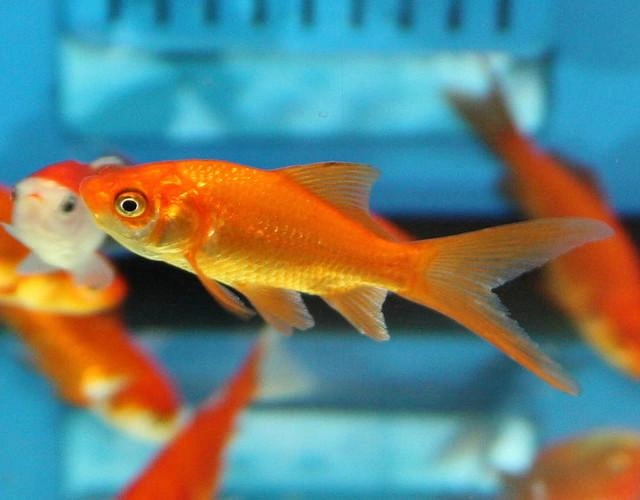
Not recommended. Temperature requirements are incompatible—goldfish prefer cooler water (65-72°F) while plecos need warmer (72-82°F). More concerningly, plecos may suck the slime coat off slow-moving goldfish, causing injury and stress. Keep them separate.
Can I keep multiple Common Plecos together?
Generally not advised. Adults become territorial and can injure each other in fights. If attempting, provide an extremely large tank (200+ gallons) with multiple caves and hiding spots so each can claim territory. Same-species aggression is a real concern.
Will my pleco eat my other fish?
Not actively—they're not predators. However, they may rasp the slime coat off slow-moving, flat-bodied fish like discus, causing stress and injury. Very small fish could theoretically be accidentally consumed by large adults, but this is rare.
Breeding Common Plecos in home aquariums is virtually impossible and should not be attempted. In the wild, they spawn in deep burrows dug into riverbanks during the rainy season, with males guarding the eggs. Commercial breeding operations use massive ponds, hormonal treatments, and specialized facilities.
The vast majority of Common Plecos in the trade are either wild-caught or commercially bred in Asian or South American farms. Home breeding would require pond-like setups of 500+ gallons with extensive cave systems—impractical for virtually all hobbyists.
Sexing is extremely difficult even for experts. Males may develop larger odontodes on gill covers and pectoral fins, but differences are subtle and unreliable. Focus your efforts on providing excellent care for a single specimen rather than breeding attempts.
Health Issues & Disease Prevention
Common Plecos are remarkably hardy fish when their basic needs are met—proper tank size, driftwood access, good diet, and excellent filtration. Most health issues stem from inadequate care rather than inherent fragility.
Common Diseases
| Disease | Symptoms | Treatment |
|---|---|---|
| Ich (White Spot Disease) | White spots covering body and fins, scratching against surfaces, lethargy | Gradually raise temperature to 82-86°F, add aquarium salt (if no sensitive tankmates), use ich medication. Plecos can tolerate most ich treatments. |
| Fin/Tail Rot | Ragged, deteriorating fins, redness at fin base, progressive damage | Improve water quality immediately—often caused by poor conditions. Antibacterial medications if severe. Pristine water is both prevention and cure. |
| Bloat/Constipation | Swollen belly, lethargy, loss of appetite, floating issues | Ensure driftwood access (digestive fiber), feed blanched vegetables, reduce protein, fast for 2-3 days. Prevention: proper diet with wood and vegetables. |
| Stress from Poor Water Quality | Lethargy, loss of appetite, rapid breathing, faded color, staying at surface | Massive water change (50%+), address filtration issues, test parameters. Often fatal if prolonged. |
Signs of a Healthy Common Pleco
- Active grazing at night
- Constantly rasping driftwood
- Good body weight—not sunken
- Clear eyes
- Intact fins without damage
- Normal breathing rate
Prevention Tips
- ALWAYS provide driftwood—non-negotiable for digestive health
- Massive filtration rated 8-10x tank volume
- Weekly 50%+ water changes for adults
- Proper tank size from the start (75+ gallons minimum)
- Varied diet with vegetables and algae wafers
- Quarantine new fish 2-3 weeks
Frequently Asked Questions
18-24 inches (45-60cm) is typical, with some reaching even larger. They're often sold as 2-3 inch juveniles with no size warning. This is the #1 pleco sold to beginners who don't realize it will outgrow their tank in 2-3 years.
No. This is the biggest myth in fishkeeping. While they eat some algae, they produce ENORMOUS amounts of waste—far more than they clean. They need dedicated feeding and massive filtration. They make tanks dirtier, not cleaner.
75 gallons ABSOLUTE minimum for adult, 125+ gallons strongly recommended. They're sold to people with 10-20 gallon tanks who then can't rehome them. Consider Bristlenose Plecos (6 inches) instead for smaller tanks.
Only temporarily as a very small juvenile. They'll outgrow it in 1-2 years. This is borderline fish abuse. Get a Bristlenose Pleco (max 6 inches) or Otocinclus (2 inches) instead for 20 gallon tanks.
Common Plecos MUST have driftwood to rasp for fiber and proper digestion. Without it, they develop digestive issues and shortened lifespans. It's not optional decor—it's a dietary requirement.
Contact local aquarium clubs, fish stores, or aquarium societies about rehoming. Some stores accept surrenders. NEVER release into the wild (illegal and ecological disaster). This is why research before buying is critical.
Tips for Keeping Common Pleco
Pro Tips
- ✓MOST COMMONLY MIS-SOLD FISH IN THE HOBBY
- ✓Usually marketed as 'algae eaters for small tanks'—this is FALSE
- ✓If you want a pleco for smaller tanks, get Bristlenose (6"), NOT Common
- ✓Bioload equivalent to 3-4 large goldfish
- ✓Can live 20+ years with proper care
- ✓Driftwood is MANDATORY, not optional
- ✓Adults need 50% weekly water changes minimum
- ✓Most surrendered fish at rescues and stores
- ✓Consider them a long-term commitment like a dog
- ✓Only buy if you have 125+ gallon setup ready
Common Mistakes to Avoid
- ✗BUYING FOR TANKS UNDER 75 GALLONS—the #1 problem
- ✗Believing they'll 'stay small' in small tanks (they won't)
- ✗Expecting them to survive on algae alone
- ✗Not providing driftwood (digestive disaster)
- ✗Inadequate filtration for their massive bioload
- ✗Mixing with goldfish (temperature + slime coat issues)
- ✗Buying juveniles with no plan for adult size
- ✗Thinking they'll 'clean the tank' (opposite is true)
- ✗Not researching before impulse purchase
- ✗Releasing into wild when they outgrow tank (ILLEGAL + ecological damage)
Sources
- FishBase — Accepted scientific name, maximum size and native range for Common Pleco.
Related Species You Might Like
View All Fish →
Compressiceps
Altolamprologus compressiceps

Acei Cichlid
Pseudotropheus acei
Common Goldfish
Carassius auratus
Rope Fish
Erpetoichthys calabaricus
Silver Dollar
Metynnis argenteus
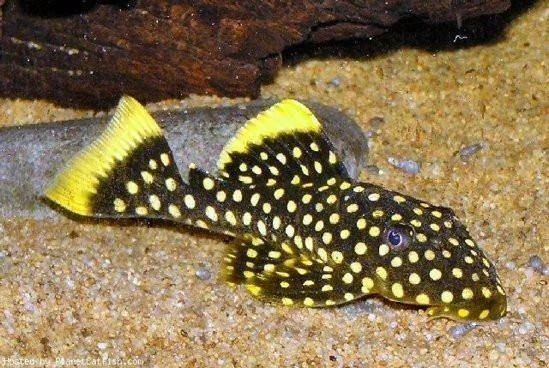
Gold Nugget Pleco
Baryancistrus xanthellus
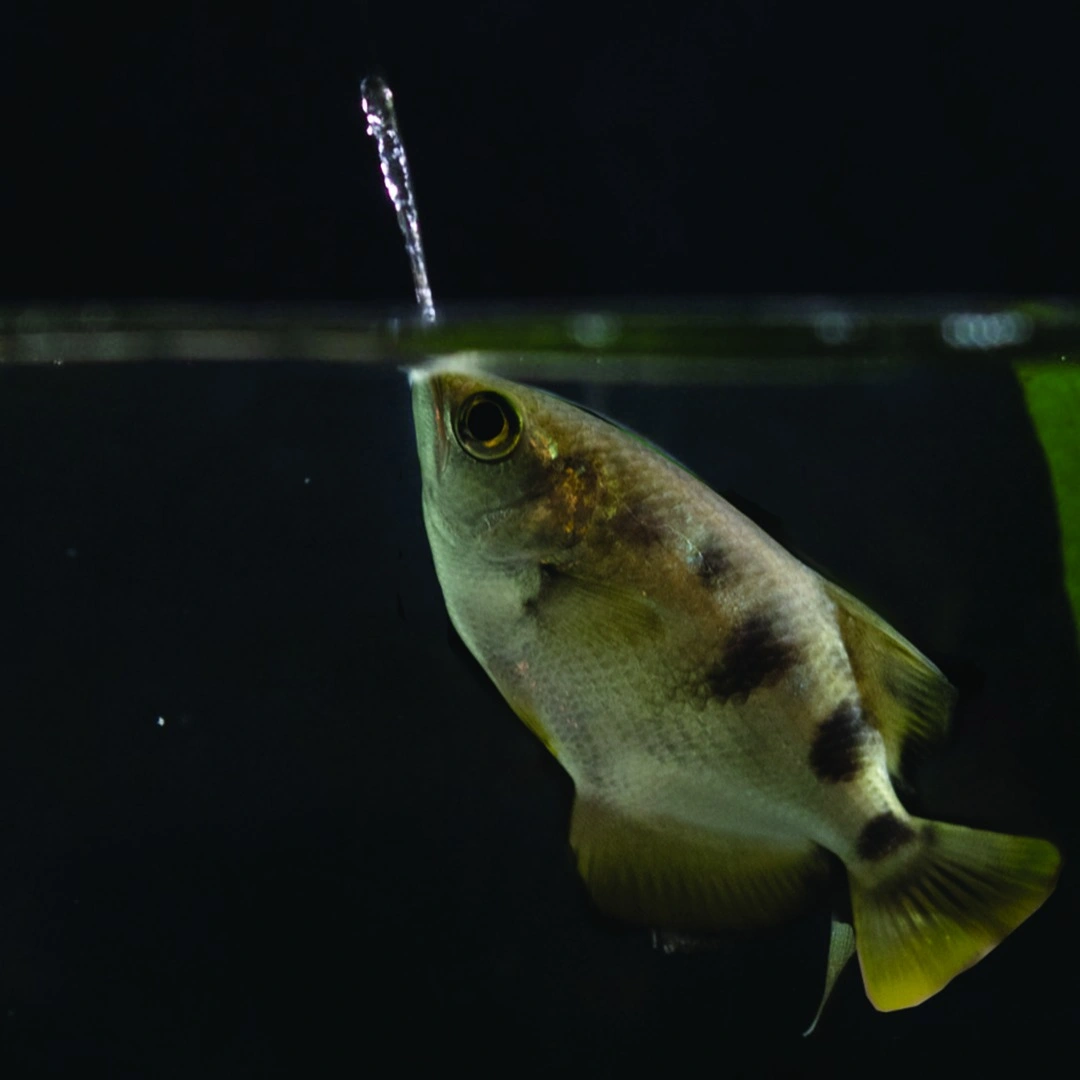
Archer Fish
Toxotes jaculatrix

Bumblebee Cichlid
Pseudotropheus crabro
Ready to Add Common Pleco to Your Tank?
Use our free stocking calculator to check compatibility, bioload, and get personalized recommendations.