
Care Requirements
Adult Size
1.6" (4cm)
Min Tank
10 gal
Temperature
73-79°F
pH Range
6-7.5
Lifespan
3-5 years
Min Group
6+ fish
Diet
Carnivore
Swim Level
Top
Bioload
1/10
Hardness
2-10 dGH
About Clown Killifish
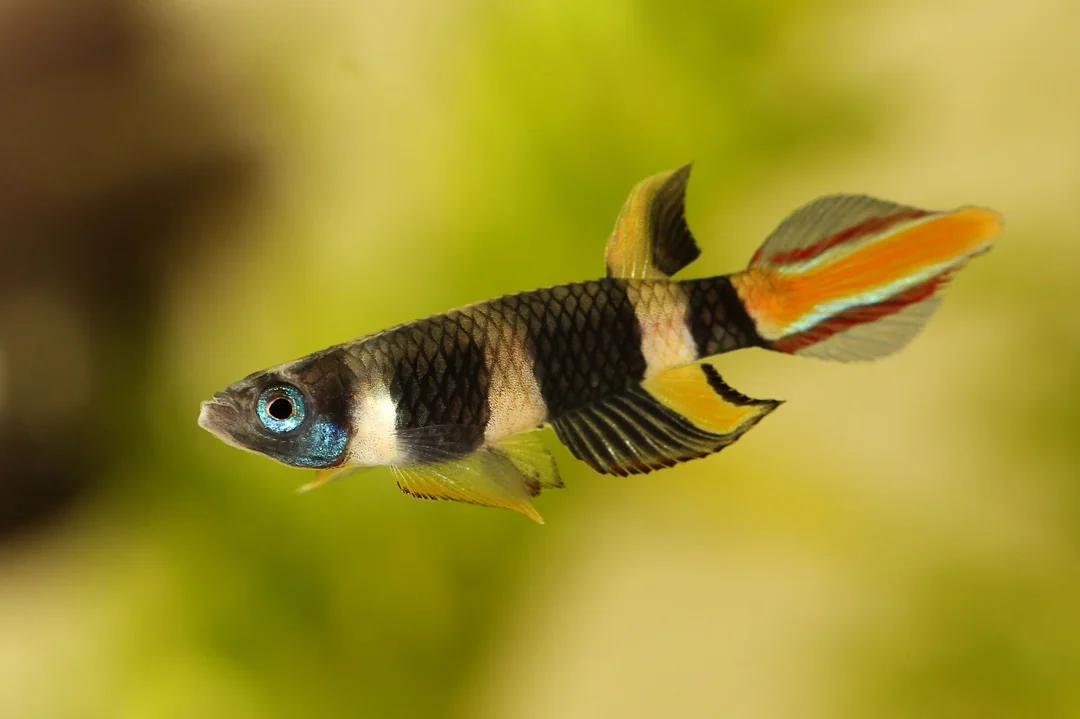
The Clown Killifish is a tiny gem of a fish — at just 1.5 inches (4cm), they pack remarkable beauty into a miniature package. Their cream-colored body features bold black vertical bands, and males sport a spectacular flame-shaped tail with red, orange, and blue coloration. This 'rocket tail' pattern makes them instantly recognizable and endlessly attractive.
As surface dwellers, Clown Killifish spend virtually all their time in the top inch of water. They're adapted to hunting insects and tiny invertebrates at the water's surface in their native West African streams. This surface-dwelling nature means they occupy tank space most fish ignore, making them excellent additions to communities lacking top-dwelling species.
Despite their beauty, Clown Killifish have specific requirements that make them intermediate-level fish. They need small foods (their mouths are tiny), calm tankmates that won't outcompete them, and covered tanks to prevent jumping. They're not difficult once you understand their needs, but they're not throw-them-in-any-tank fish either.
Their peaceful temperament and small size make them perfect for nano tanks and planted aquariums. A group of Clown Killifish hovering just below floating plants is genuinely beautiful — their coloration and unique tail shape create a display unlike any other common aquarium fish.
Natural Habitat & Origin
Clown Killifish inhabit slow-moving streams, swamps, and forest pools throughout West Africa, primarily in Guinea, Liberia, and Sierra Leone. These waters are typically shaded by forest canopy, soft, acidic, and rich in surface vegetation and leaf litter.
They live at the water's surface, hunting tiny insects and invertebrates that land on or fall into the water. Floating plants and overhanging vegetation are characteristic of their natural habitat, providing both hunting grounds and protection from above.
The slow, calm waters of their native habitat explain their need for peaceful tanks without strong current. They're not adapted for fighting against flow or competing with aggressive feeders.
Native Region
West Africa — Guinea, Liberia, Sierra Leone
Habitat Type
Forest streams, swamps, and pools with surface vegetation
Wild Water Conditions
Soft, acidic (pH 6.0-7.0), warm, slow-moving or still
Appearance & Varieties
Clown Killifish display bold patterning on a tiny body. The base color is cream to pale yellow with 4-5 prominent black vertical bands creating the 'clown' pattern. Fins are colorful, particularly in males.
Males are the showpieces — their caudal (tail) fin extends into a dramatic flame or rocket shape with bands of red, orange, yellow, and blue. The dorsal fin is also colorful. Females have less dramatic finnage and subtler coloration but retain the attractive banded pattern.
At maximum size of 1.5 inches (4cm), they're among the smallest killifish commonly available. This tiny size combined with their surface-dwelling nature means they're often overlooked in busy tanks — plan viewing angles accordingly.
Popular Varieties
| Variety | Description | Rarity |
|---|---|---|
| Standard/Wild-Type | Cream body with black bands, males with flame-colored rocket tail. The only commonly available form. Color intensity varies with diet and condition. | Uncommon |
Tank Setup & Requirements
Quick Requirements Summary
Tank Size
Minimum Tank Size
10 gallons
Recommended Tank Size
15 gallons
Clown Killifish tanks should provide calm surface water with floating plants. Their surface-dwelling nature and tiny size drive most setup considerations.
Water Parameters
Prefer soft, slightly acidic water matching their West African origins. Temperature 23-26°C (73-79°F), pH 6.0-7.5, hardness 2-10 dGH. They adapt to moderate hardness but do best in softer conditions.
Substrate
Surface dwellers that spend virtually no time near substrate. Choose based on other tank inhabitants or aesthetics. Dark substrates show off their coloration when viewed from above.
Plants & Decorations
Floating plants are critical — they provide security, hunting surfaces, and spawning sites. Amazon Frogbit, Salvinia, Water Lettuce are all excellent. Below-surface decorations matter less but contribute to overall tank health.
Filtration & Water Flow
They need calm surface water — strong filter outputs disturb their habitat. Sponge filters are ideal. If using HOB or canister filters, baffle the output significantly. Surface agitation should be minimal.
Lighting
Floating plants naturally diffuse lighting, creating the dappled conditions they prefer. Standard aquarium lighting works when filtered through floating plants. Avoid harsh, direct lighting on the surface.
Diet & Feeding Guide
Diet Type
carnivore
Feeding Frequency
2-3 small feedings daily
Portion Size
Very small amounts at the surface. Multiple small feedings suit their feeding style better than one large meal.
Clown Killifish are micro-predators with tiny mouths. They eat small insects and invertebrates at the water's surface in the wild. Their feeding requirements reflect this — they need appropriately small foods and generally won't compete effectively with aggressive feeders.
Best Foods for Clown Killifish
- Baby brine shrimp (live or frozen) — Ideal size for their tiny mouths. Should be a staple food.
- Daphnia (small) — Triggers natural hunting behavior. Live daphnia float at the surface.
- Micro worms — Tiny live food perfect for these small fish. Easy to culture at home.
- Crushed flakes (high quality) — Some individuals accept finely crushed flakes. Not all will eat dry foods.
- Vinegar eels — Extremely small live food suitable for fry and adults.
- Mosquito larvae — Natural surface food they'd encounter in the wild.
Foods to Avoid
- Large foods — Their mouths are tiny — standard pellets and large frozen foods are impossible to eat.
- Sinking foods only — Surface dwellers that rarely descend. Food must float or be delivered at the surface.
- Fast-feeding situations — They're slow, deliberate feeders easily outcompeted by aggressive tankmates.
Use a pipette or turkey baster to deliver small foods directly to the surface. This ensures food stays where they feed.
Behavior & Temperament
Clown Killifish are peaceful, somewhat shy fish that spend their time hovering just below the water's surface. They move slowly and deliberately, hunting tiny prey at the surface film.
Males display to each other with flared fins, showing off their colorful tails. This displaying rarely escalates to actual aggression — they're genuinely peaceful fish. Multiple males can coexist in appropriately sized tanks.
They're not schooling fish in the traditional sense but are social and do better in groups. A group of 6+ allows natural social behavior. Jumping is a real risk — tight-fitting lids are mandatory.
Tank Mates: Compatibility Guide
Compatible Tank Mates
Bottom dwellers that won't compete for surface food or space.
Peaceful algae eaters occupying different zone and eating different foods.
Tiny peaceful species that works well in similar setups.
Small enough and peaceful enough to coexist.
Tank Mates to Avoid
Active or aggressive fish
Will outcompete them for food and stress them with activity.
Large fish
May view tiny Clown Killifish as food.
Tiger Barb
Their elaborate tails make them targets for fin nippers.
Fast aggressive feeders
Clown Killifish are slow feeders that lose every competition.
Common Pairing Questions
Can Clown Killifish live with shrimp?
Adults are usually safe; shrimplets may be eaten. In heavily planted tanks, enough shrimplets typically survive to maintain the population.
Can Clown Killifish live with Bettas?
Not recommended — both occupy the surface and Bettas may see the colorful tails as a rival. Bettas also create competition for surface food.
Clown Killifish breed readily in aquariums — they're among the easier killifish to spawn. They're plant spawners, depositing eggs among floating plant roots over extended periods rather than in single spawning events. Unlike annual killifish, they don't require drying periods. Eggs hatch in 10-14 days. Fry are tiny and require infusoria or paramecium initially, graduating to baby brine shrimp as they grow.
Health Issues & Disease Prevention
Clown Killifish are relatively hardy when their specific needs are met. Most issues stem from inappropriate tank conditions — strong current, aggressive tankmates, or inadequate food size.
Common Diseases
| Disease | Symptoms | Treatment |
|---|---|---|
| Starvation | Sunken belly, faded color, lethargy. Common when food is too large or competition prevents eating. | Ensure appropriately small foods reach them. Feed baby brine shrimp and similar tiny foods. |
| Velvet (Oodinium) | Gold or rust-colored dust on body, clamped fins, rapid breathing. | Raise temperature slightly, darken tank, treat with copper-based medication. |
| Ich (White Spot Disease) | Small white spots on body and fins, flashing against objects. | Raise temperature to 28°C gradually. Use commercial ich medication. |
| Jumping | Fish found outside tank — dead or dying. | Prevention only — tight-fitting lids with no gaps. |
Signs of a Healthy Clown Killifish
- Hovering actively near surface
- Good coloration with visible bands
- Males displaying colorful tails
- Feeding readily on small foods
- Clear eyes and intact fins
Prevention Tips
- Provide floating plants for security
- Keep tight-fitting lid with no gaps
- Feed appropriately small foods
- Maintain calm water surface
- Choose peaceful, non-competitive tankmates
- Keep in groups of 6+
Frequently Asked Questions
Intermediate difficulty. They have specific requirements — small foods, calm surface water, floating plants, and tight lids — but aren't difficult once you understand their needs. Not ideal first fish, but accessible to aquarists with some experience.
Yes — they're notorious jumpers. Tight-fitting lids with absolutely no gaps are mandatory. They leap at insects in the wild and will jump through any opening.
Small live and frozen foods — baby brine shrimp, daphnia, micro worms. Their mouths are tiny, so food must be appropriately small. Some accept finely crushed flakes, but live and frozen foods should be the staple.
Groups of 6 or more. They're social and display better behavior in groups. Multiple males can coexist — they display to each other but rarely fight seriously.
No — unlike some killifish, Clown Killifish are non-annual with typical lifespans of 3-5 years. They don't require egg drying periods and breed continuously.
Essentially yes. Floating plants provide the security, hunting surfaces, and spawning sites they need. Without floating plants, they're stressed and often hide.
Adults are usually safe; shrimplets may be eaten. In heavily planted tanks, enough shrimplets typically survive to maintain the population.
Usually insufficient floating plant cover, too much water movement, or aggressive tankmates. They need calm surface water with plenty of floating plants to feel secure.
Tips for Keeping Clown Killifish
Pro Tips
- ✓Floating plants are mandatory, not optional — Amazon Frogbit, Salvinia, or Water Lettuce should cover a significant portion of the surface.
- ✓Feed at the surface specifically using a pipette or turkey baster to deliver small foods directly.
- ✓Check your lid for gaps obsessively — any gap around filter intakes or heater cords is an escape route.
- ✓Culture live foods like baby brine shrimp and micro worms for best results.
Common Mistakes to Avoid
- ✗Keeping without floating plants — results in stressed, hiding fish.
- ✗Leaving gaps in the lid — they jump through remarkably small openings.
- ✗Feeding foods too large for their mouths — causes starvation despite feeding.
- ✗Keeping with aggressive or fast feeders — they lose every competition.
- ✗Strong water flow at the surface — causes stress and inability to feed.
Sources
- FishBase — Accepted scientific name, maximum size and native range for Clown Killifish.
Related Species You Might Like
View All Fish →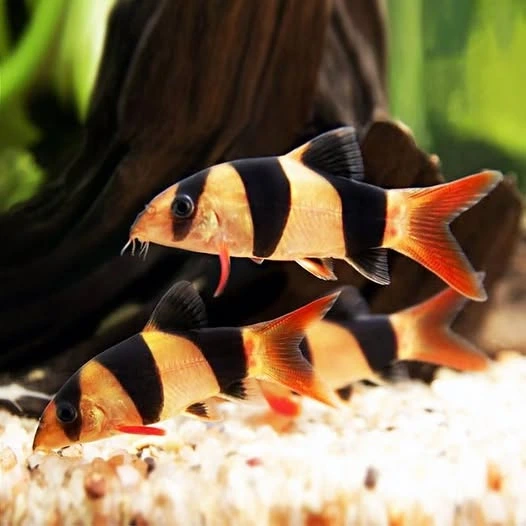
Clown Loach
Chromobotia macracanthus
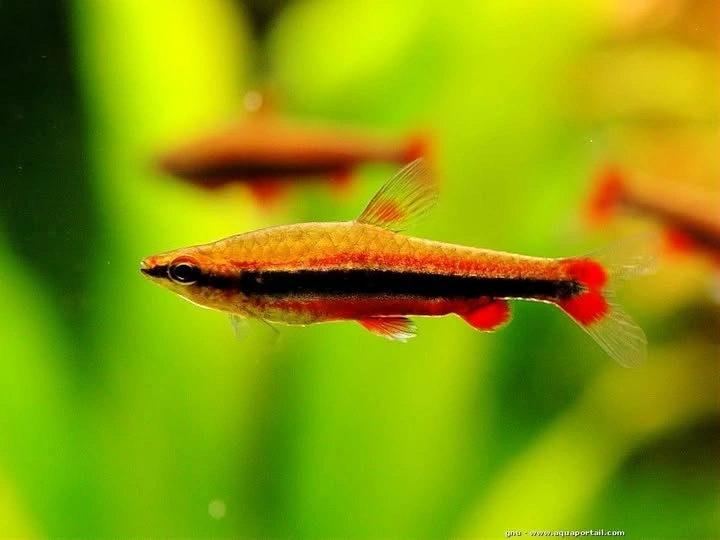
Golden Pencilfish
Nannostomus beckfordi
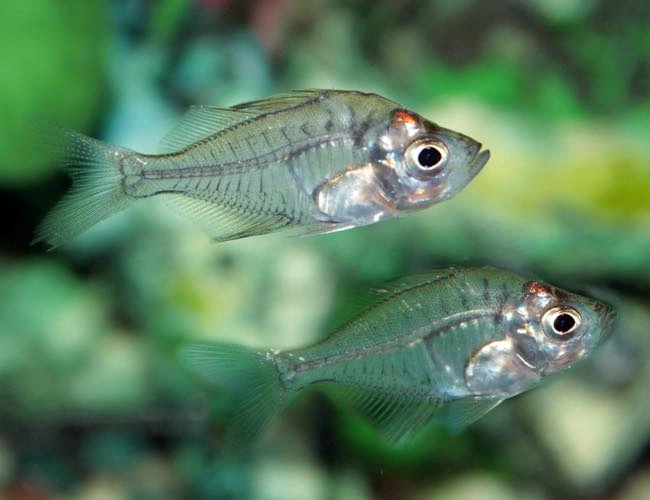
Indian Glassfish
Parambassis ranga
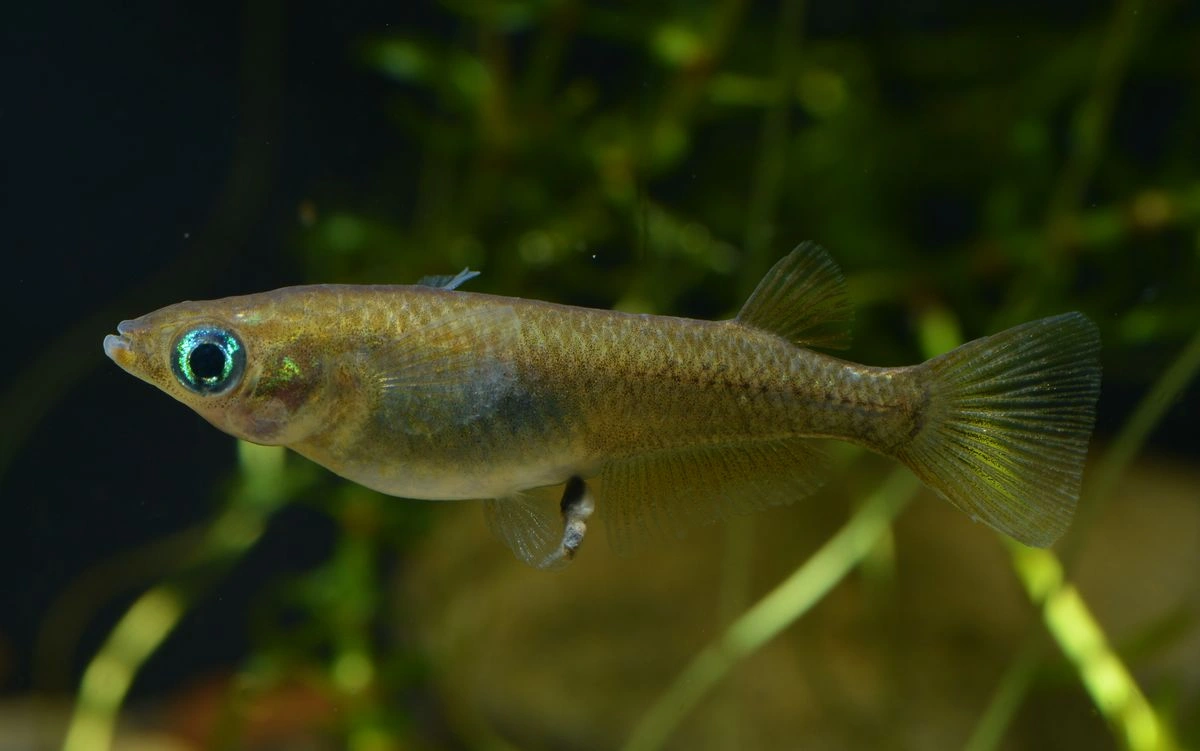
Japanese Rice Fish
Oryzias latipes
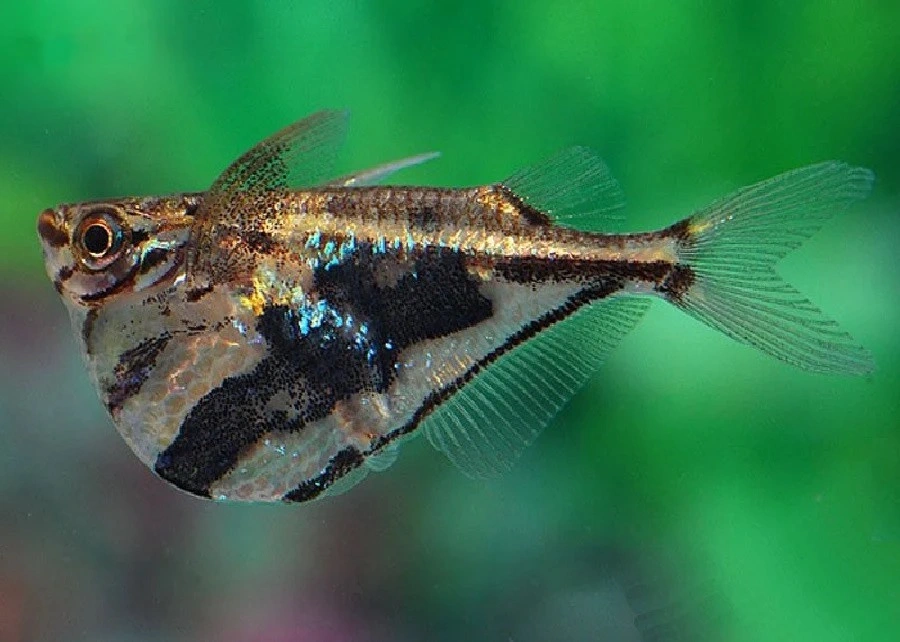
Marbled Hatchetfish
Carnegiella strigata
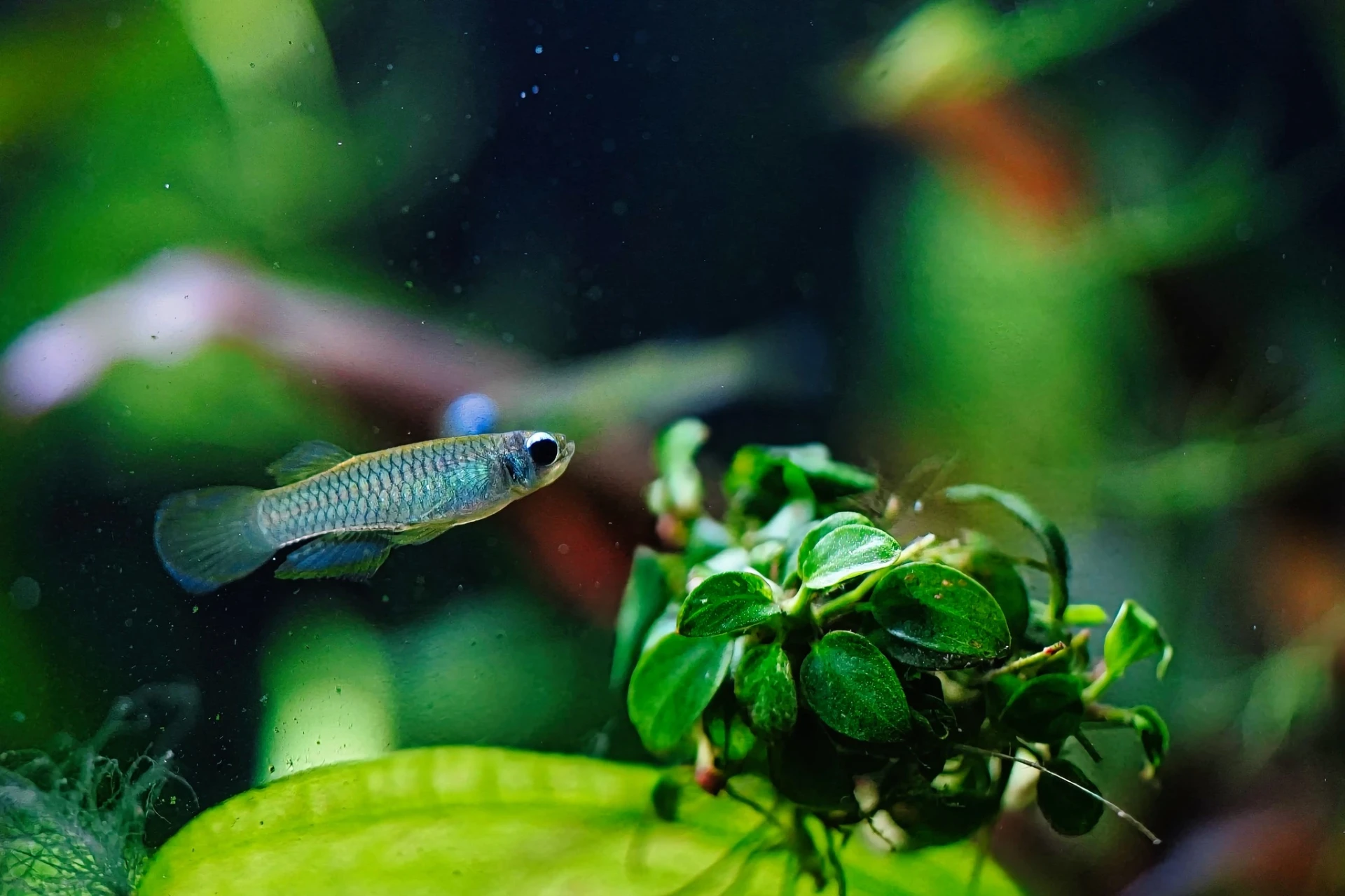
Norman's Lampeye
Poropanchax normani
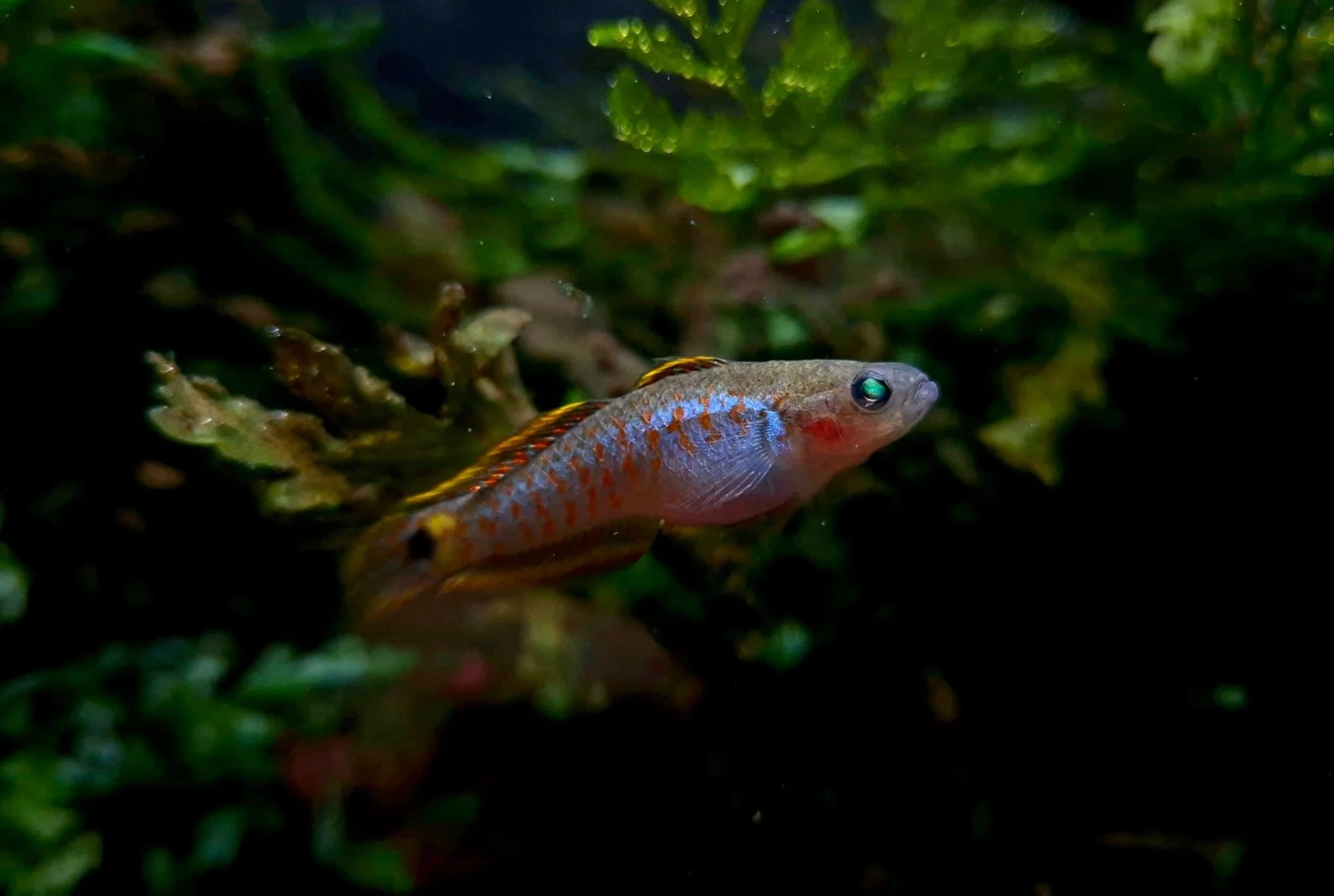
Peacock Gudgeon
Tateurndina ocellicauda
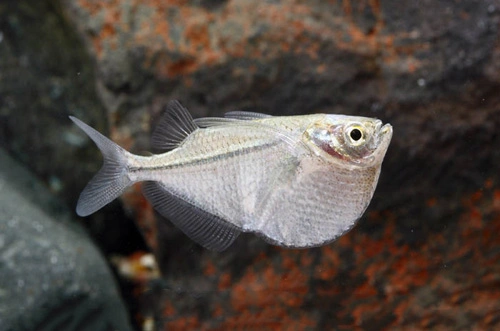
Silver Hatchetfish
Gasteropelecus sternicla
Ready to Add Clown Killifish to Your Tank?
Use our free stocking calculator to check compatibility, bioload, and get personalized recommendations.