
Care Requirements
Adult Size
1.6" (4cm)
Min Tank
20 gal
Temperature
75-82°F
pH Range
5.5-7.5
Lifespan
2-5 years
Min Group
6+ fish
Diet
Carnivore
Swim Level
Top
Bioload
1/10
Hardness
2-12 dGH
About Marbled Hatchetfish
Hatchetfish are the only freshwater fish capable of true powered flight — not merely gliding like flying fish, but actually flapping their enlarged pectoral fins to propel themselves through the air. Their chest muscles comprise up to 25% of body weight, powering wing-like pectorals that beat rapidly during flight. This unique ability evolved to escape predators, allowing flights of several meters.
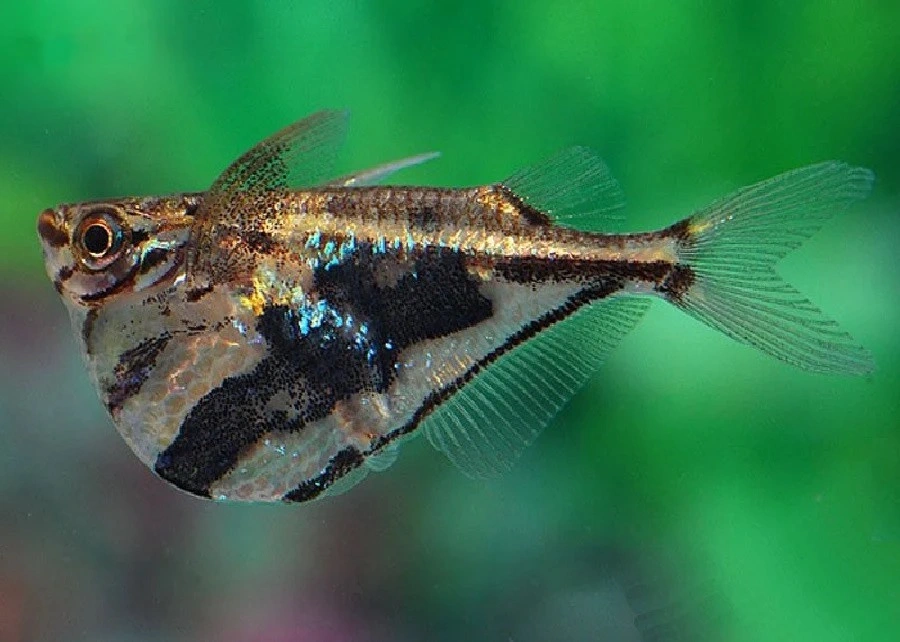
The Marbled Hatchetfish (Carnegiella strigata) is the most popular species, displaying the group's distinctive body shape: extremely deep, laterally compressed body resembling a hatchet blade, with the 'blade' formed by the expanded chest housing flight muscles. Their marbled pattern of dark brown/black on silver provides camouflage when viewed from below.
In aquariums, their flight ability creates one absolute requirement: tight-fitting lids with no gaps. Startled hatchetfish launch themselves with surprising force, and any escape route becomes a death sentence. More hatchetfish die from jumping than any other cause.
They're strict surface dwellers, occupying only the top inch or two of water. They hover at the surface, watching for floating insects and fallen prey items. This surface specialization means they never compete with mid-water or bottom-dwelling fish but also means they only accept floating foods.
Natural Habitat & Origin
Marbled Hatchetfish inhabit slow-moving forest streams and flooded areas across the Amazon basin, particularly in Peru and Guyana. They occupy exclusively surface habitat beneath forest canopy, where leaves and vegetation overhang the water.
Their natural environment features soft, acidic, tannin-stained water with minimal current. Overhanging vegetation provides both food sources (falling insects) and protection from aerial predators.
Wild diet consists primarily of terrestrial insects and invertebrates falling onto the water surface — ants, flies, spiders, and similar prey. They're specialized surface predators watching from below for vibrations indicating fallen food.
Their flight ability serves predator escape. When threatened by fish below, they launch into the air, flying several meters before splashing down in a different location.
Native Region
South America — Amazon basin, Peru, Guyana
Habitat Type
Forest streams, flooded areas, beneath canopy
Wild Water Conditions
Warm (24-28°C), soft, acidic, tannin-stained, minimal current
Appearance & Varieties
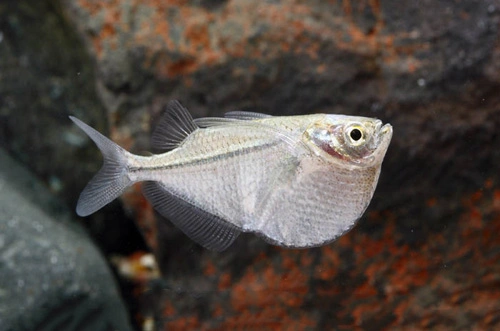
The Marbled Hatchetfish body shape is unmistakable — a dramatic lateral compression creating the 'hatchet blade' profile. The deep chest houses enlarged muscles powering their pectoral fins. Adult size is approximately 1.5 inches (4 cm). Body coloration is silver with a marbled pattern of dark brown to black irregular lines and spots.
The pectoral fins are large and wing-like, positioned high on the body. These modified fins beat rapidly during flight. The adipose fin is absent in Carnegiella species.
Sexing is difficult — no reliable external differences exist.
Popular Varieties
| Variety | Description | Rarity |
|---|---|---|
| Standard/Wild-Type | Silver body with marbled brown/black pattern. The only form available — no selectively bred varieties exist as they're wild-caught. | Common |
Tank Setup & Requirements
Quick Requirements Summary
Tank Size
Minimum Tank Size
20 gallons
Recommended Tank Size
30 gallons
Hatchetfish setup must prioritize escape prevention and surface habitat. Their specialized lifestyle requires specific accommodations.
Water Parameters
Temperature 24-28°C (75-82°F), pH 5.5-7.5 (prefer acidic), hardness 2-12 dGH (prefer soft). Most are wild-caught and prefer soft, acidic water. More sensitive to water quality than many species — maintain excellent conditions with regular water changes.
Substrate
Any substrate works — they never visit the bottom. Substrate choice is irrelevant to hatchetfish; choose based on other inhabitants or aesthetic preference.
Plants & Decorations
Keep the surface accessible — tall decorations breaking the surface interfere with swimming. Some floating cover provides security but leave significant open surface area. A TIGHT-FITTING LID WITH NO GAPS is absolutely essential — more hatchetfish die from jumping than any other cause. Cover every opening around filter tubes, heater cords, and airline tubing.
Filtration & Water Flow
Good filtration is essential for water quality, but surface agitation must be minimal. They live at the surface — strong ripples disturb their habitat. Sponge filters work well.
Lighting
Subdued lighting preferred. Floating plants naturally create dappled conditions like their forest habitat. Bright unshaded lighting causes stress.
Diet & Feeding Guide
Diet Type
carnivore
Feeding Frequency
2-3 times daily in small amounts
Portion Size
What they consume while food floats. Their feeding window is brief — once food sinks, it's unavailable. Multiple small feedings work better than single large ones.
Hatchetfish are surface-feeding carnivores eating only floating foods. Their specialized feeding ecology requires specific accommodation.
Best Foods for Marbled Hatchetfish
- Floating flakes and micro pellets — Foods that remain at the surface long enough for consumption.
- Frozen foods (surface-fed) — Bloodworms, daphnia, brine shrimp — excellent if fed so they float briefly at surface.
- Live insects (flightless fruit flies) — Most natural diet. Dropped onto surface, they trigger strong feeding response.
- Mosquito larvae — Surface-dwelling larvae are perfect natural food. Highly nutritious.
- Freeze-dried bloodworms — Float at surface and are readily accepted.
Foods to Avoid
- Sinking foods — They NEVER descend to eat. Food that sinks is wasted.
- Fast-sinking frozen foods — Once foods sink past the top half-inch, hatchetfish ignore them.
In community tanks, ensure surface food reaches them before mid-water fish intercept it. Their feeding window is brief — once food sinks, it's gone for them.
Behavior & Temperament
Hatchetfish behavior centers on their exclusive surface occupation. They hover at or just below the surface, rarely venturing more than an inch deep. Their eyes are positioned to watch both above (for predators) and below (for food).
Their flight ability — true powered flight, not gliding — is triggered by perceived threats. Sudden movements, shadows, loud noises, or tankmates approaching from below can trigger escape attempts. Flights are powerful and sudden.
Schooling behavior is loose but present. They cluster in groups at the surface. Groups of 8-12 show more natural behavior. They're not aggressive — purely peaceful surface dwellers.
Their sensitivity to disturbance makes them unsuitable for high-traffic areas or tanks with boisterous mid-water fish.
Tank Mates: Compatibility Guide
Compatible Tank Mates
Occupy mid-water, not competing for surface territory. Peaceful.
Bottom dwellers leaving surface undisturbed.
Calm mid-water fish sharing preference for peaceful setups.
Occupy lower levels, peaceful enough not to startle hatchetfish.
Peaceful algae eaters that ignore surface zone.
Different zone, peaceful, mouths too small for adult shrimp.
Tank Mates to Avoid
Surface-feeding fish
Competition for surface food and territory creates stress.
Tiger Barb
Activity startles hatchetfish triggering jump responses.
Large or aggressive fish
Perceived predation threat causes chronic stress and jumping.
Surface-aggressive species
Any fish that chases near surface threatens hatchetfish.
Common Pairing Questions
Can hatchetfish actually fly?
Yes — true powered flight, not just gliding. Their enlarged pectoral muscles power wing-like fins that beat rapidly.
Can I keep hatchetfish with bettas?
Generally yes — but monitor for aggression since bettas are territorial at the surface.
Marbled Hatchetfish breeding is difficult and rarely achieved in home aquariums. Most specimens are wild-caught. Very soft, acidic water (pH 5.5-6.0) and live insect conditioning are required. Sexing is essentially impossible externally.
Health Issues & Disease Prevention
Hatchetfish are more sensitive than many tropical fish, particularly to water quality. Most are wild-caught and may carry parasites. Quarantine and careful acclimation are important.
Common Diseases
| Disease | Symptoms | Treatment |
|---|---|---|
| Ich | White spots on body and fins, scratching, clamped fins. | Raise temperature to 82°F gradually, add aquarium salt. Medicate conservatively — they're sensitive. |
| Internal parasites (wild-caught) | Weight loss despite eating, stringy feces, wasting. | Anti-parasitic medication (praziquantel, levamisole). Common in newly-imported specimens. |
| Bacterial infections | Fin rot, body fungus, redness, lethargy. | Improve water quality, antibacterial medication. |
| Stress-related decline | Faded color, hiding, refusal to eat. | Address environmental stressors: water quality, tankmate issues, inadequate cover. |
| Jump injuries/deaths | Fish found outside tank or with trauma from impact. | Prevention only — tight-fitting lids with no gaps. Most common cause of death. |
Signs of a Healthy Marbled Hatchetfish
- Surface position maintained
- Active feeding on floating foods
- Normal body shape
- Clear coloration
- Schooling behavior
Prevention Tips
- TIGHT-FITTING LID — non-negotiable
- Quarantine wild-caught specimens
- Maintain excellent water quality
- Acclimate slowly
- Avoid startling them
- Provide calm tankmates
Frequently Asked Questions
Yes — Marbled Hatchetfish are the only freshwater fish capable of true powered flight. Their enlarged pectoral muscles (up to 25% of body weight) power wing-like fins that beat rapidly. They can fly several meters to escape predators.
Jumping is their predator escape response — when startled, they launch instinctively. Sudden movements, shadows, loud noises, or approaching tankmates trigger this response. Without a tight lid, they jump out and die. Lids must have NO GAPS.
Only floating foods — they're strict surface feeders that never descend to eat. Feed floating flakes, freeze-dried foods, and frozen foods presented at the surface. Live insects (flightless fruit flies) are excellent enrichment.
Intermediate difficulty. They're sensitive to water quality and require tight-fitting lids, but aren't exceptionally demanding otherwise. The main challenges are preventing jumping and ensuring surface-floating food reaches them.
This is abnormal and indicates serious stress or illness. Healthy hatchetfish ALWAYS occupy the surface. Check water parameters, look for disease symptoms, and assess tankmate behavior immediately.
Generally yes — different surface zones and peaceful natures usually allow coexistence. However, monitor for aggression since bettas are territorial at the surface.
Tips for Keeping Marbled Hatchetfish
Pro Tips
- ✓Cover EVERY gap — not just the main opening. Check around filter tubes, heater cords, and airline tubing.
- ✓Approach tanks slowly and quietly to avoid triggering jump responses.
- ✓Feed flightless fruit flies for natural behavior — cultures are inexpensive and easy to maintain.
- ✓Quarantine wild-caught specimens for 2-4 weeks, treating prophylactically for internal parasites.
Common Mistakes to Avoid
- ✗Inadequate lid coverage — escaped fish found dead outside tank.
- ✗Feeding sinking foods — starvation despite apparent feeding.
- ✗Keeping in high-traffic areas — constant startle responses.
- ✗Boisterous tankmates — chronic stress from disturbance.
- ✗Strong surface current — difficulty maintaining position at surface.
Sources
- FishBase — Accepted scientific name, maximum size and native range for Marbled Hatchetfish.
Related Species You Might Like
View All Fish →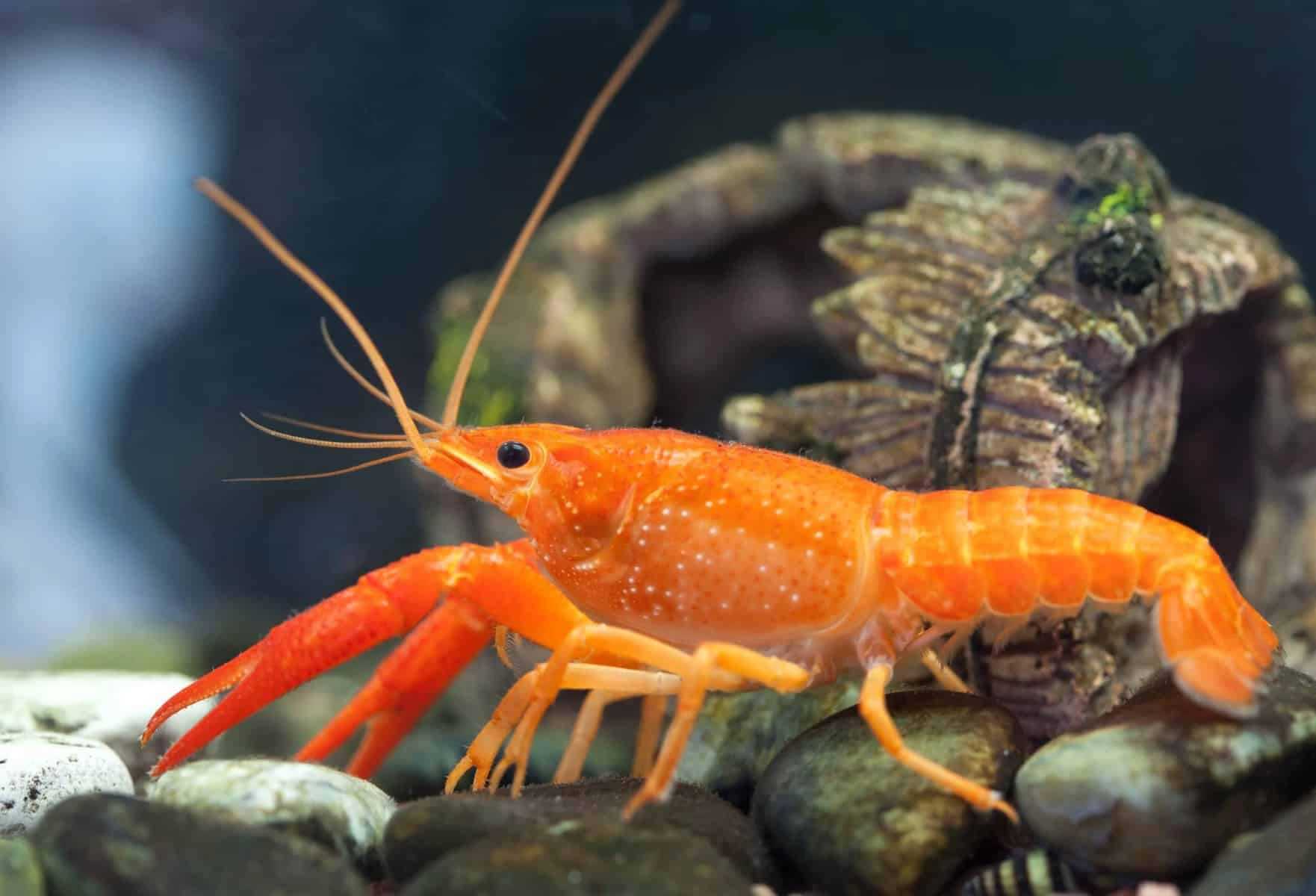
Mexican Dwarf Crayfish
Cambarellus patzcuarensis
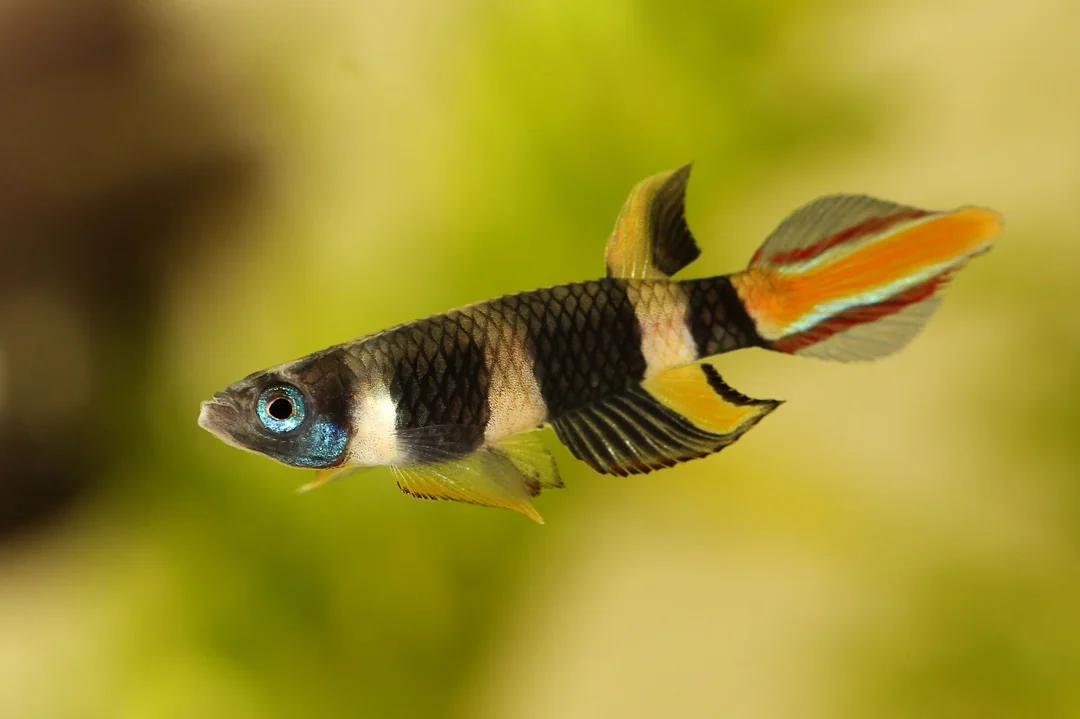
Clown Killifish
Epiplatys annulatus
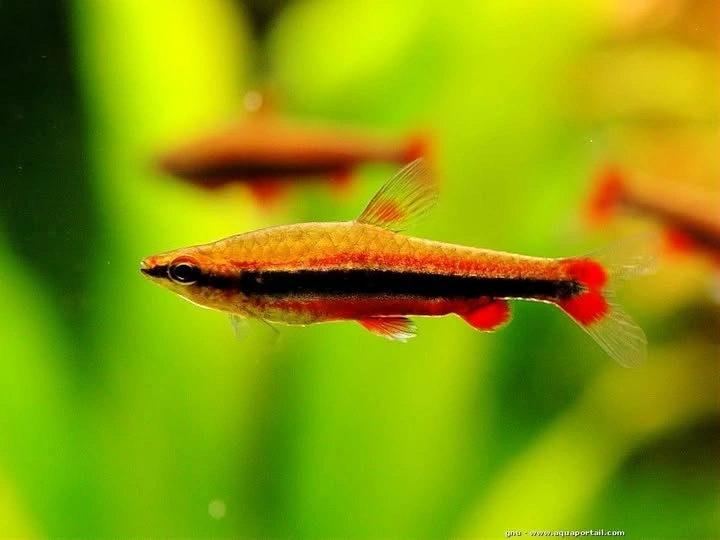
Golden Pencilfish
Nannostomus beckfordi
Indian Glassfish
Parambassis ranga
Japanese Rice Fish
Oryzias latipes
Norman's Lampeye
Poropanchax normani
Peacock Gudgeon
Tateurndina ocellicauda
Silver Hatchetfish
Gasteropelecus sternicla
Ready to Add Marbled Hatchetfish to Your Tank?
Use our free stocking calculator to check compatibility, bioload, and get personalized recommendations.