Footprint matters more than gallons
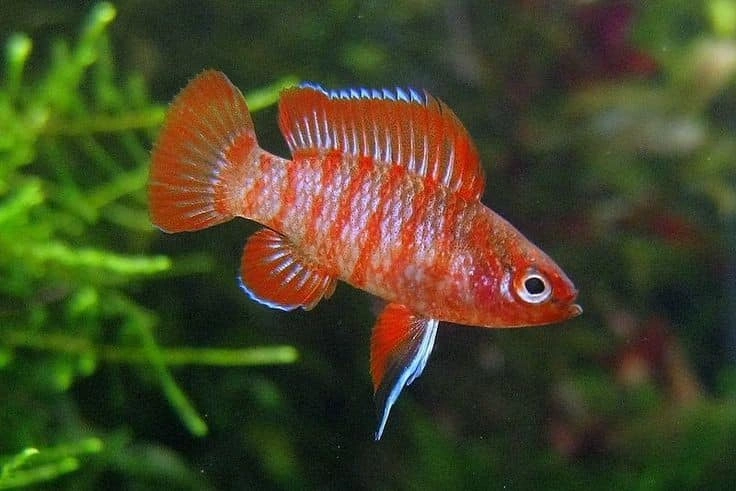
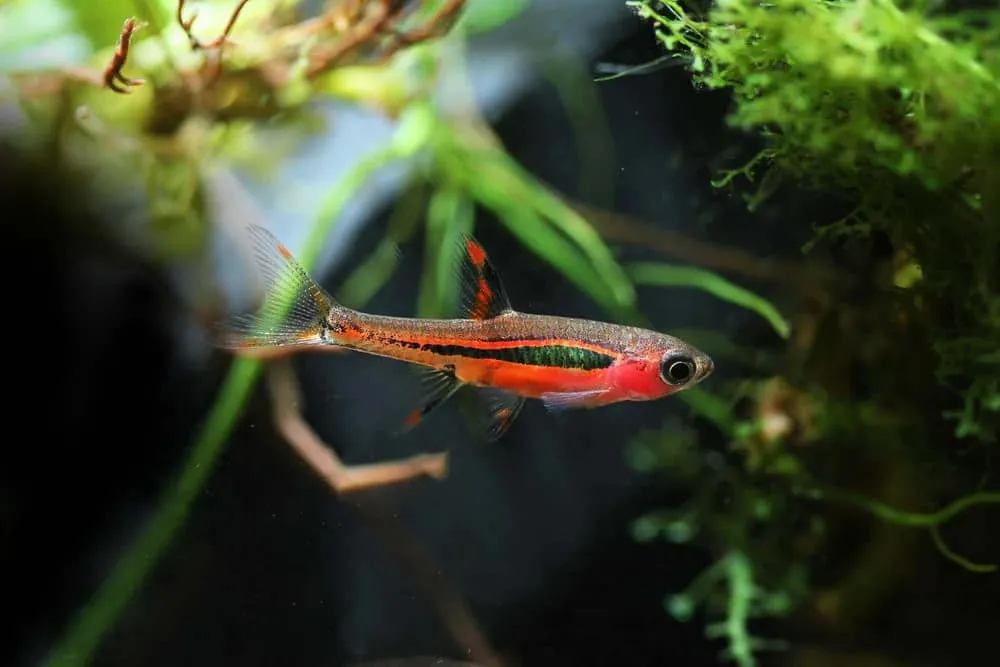
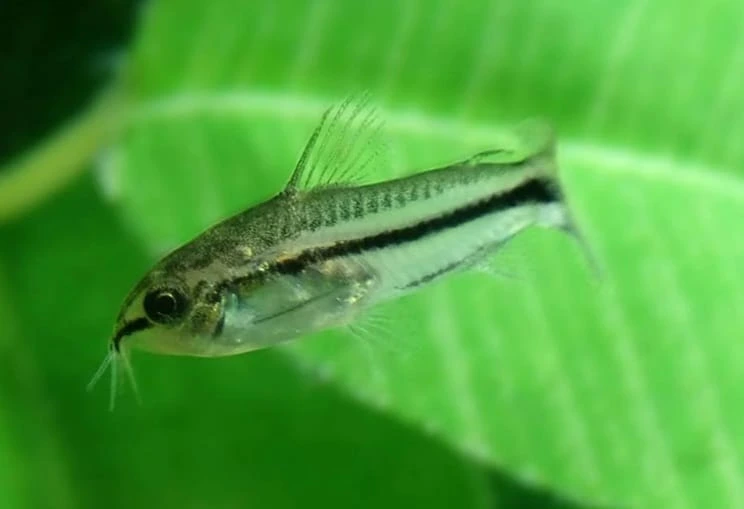
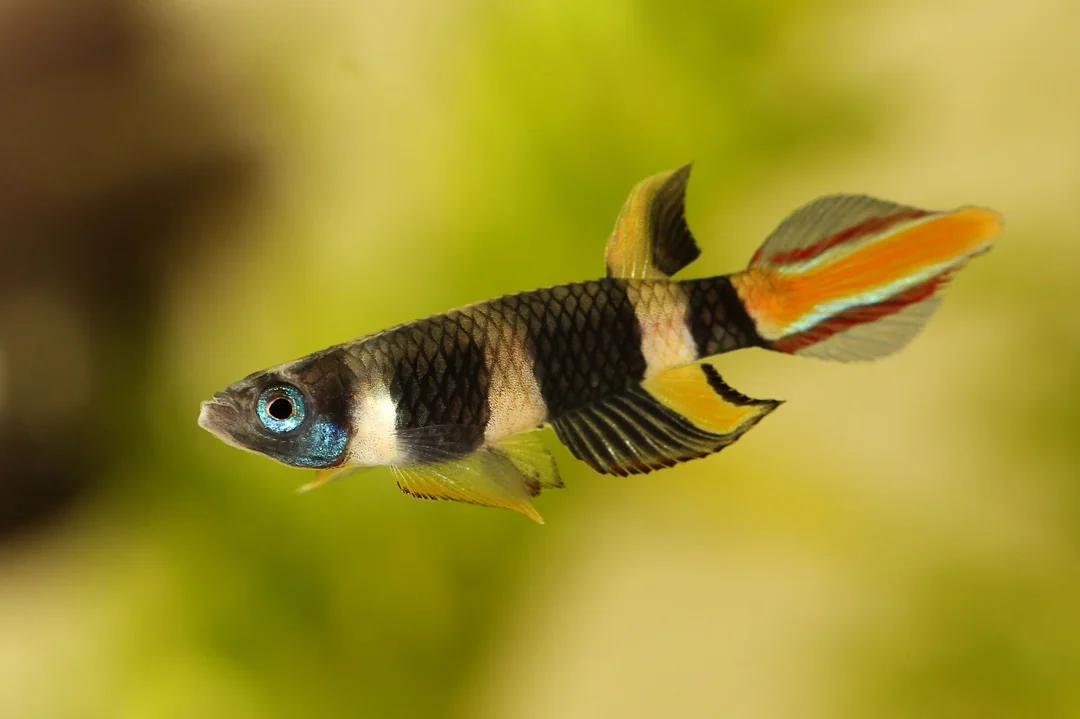
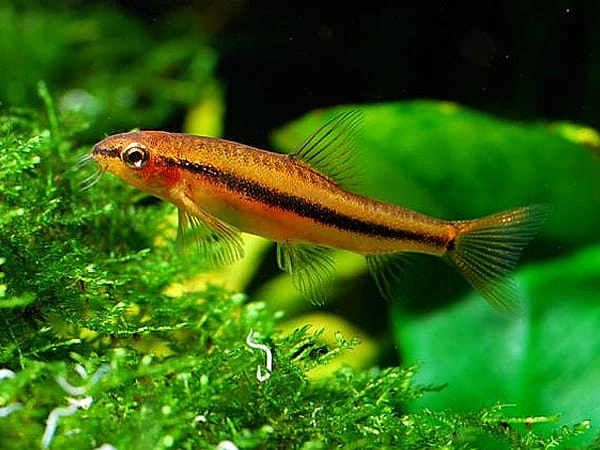
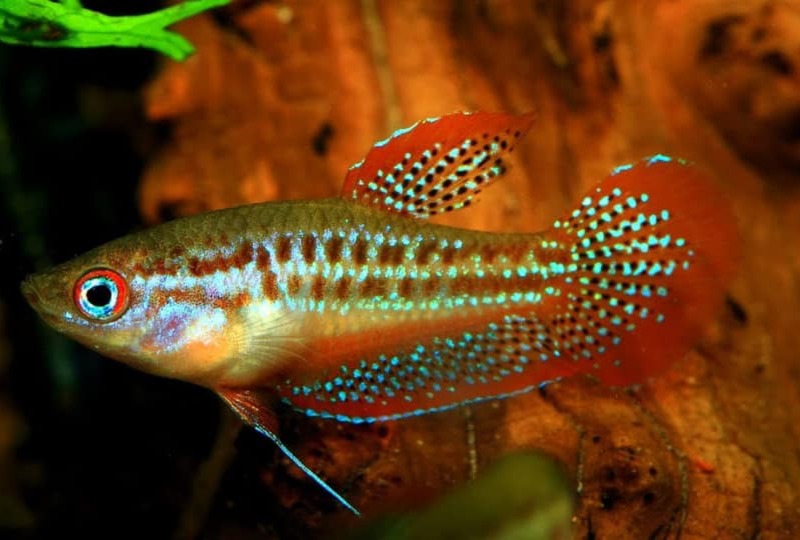
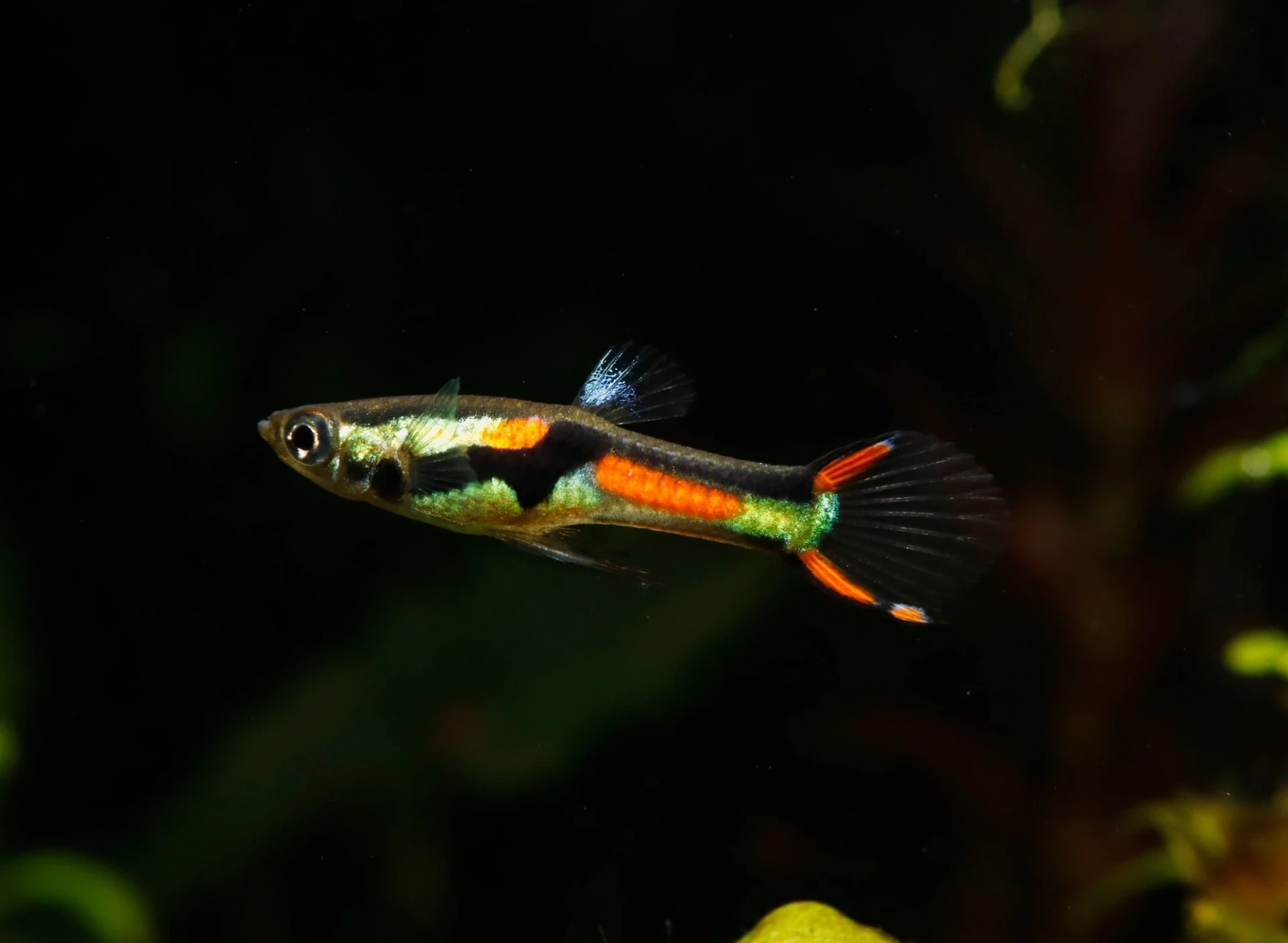
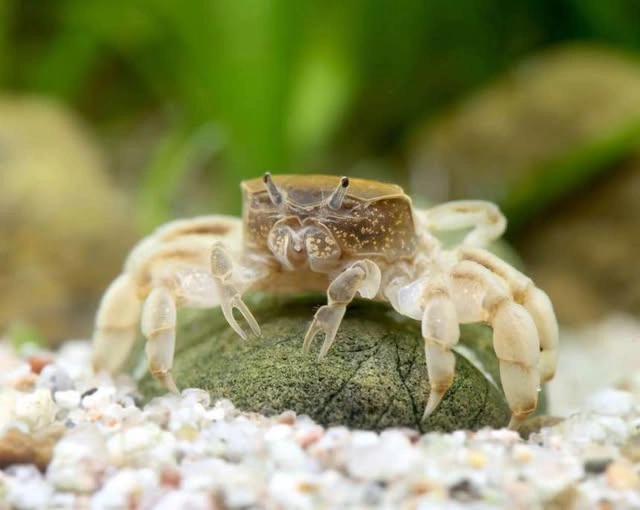
A 40-litre cube and a 40-litre long tank are not equivalent for nano fish. Active mid-water swimmers (chili rasboras, embers, CPDs, Endler's) need horizontal length to school and cruise. Bottom species (scarlet badis, pygmy corys, thai micro crabs) care about floor area and hiding spots. Read the min-tank column below as a floor for a real group, not a solo specimen.
Mature the tank before you buy
Most nano species are wild-caught or barely one generation from the wild and cannot survive the ammonia and nitrite spikes of a new tank. Cycle for four to six weeks with plants, filter media from an established tank if you can, and add nano fish only once ammonia and nitrite read zero and nitrate is climbing steadily. This one habit prevents most of the "my chili rasboras died" stories on forums.
Group size is not optional
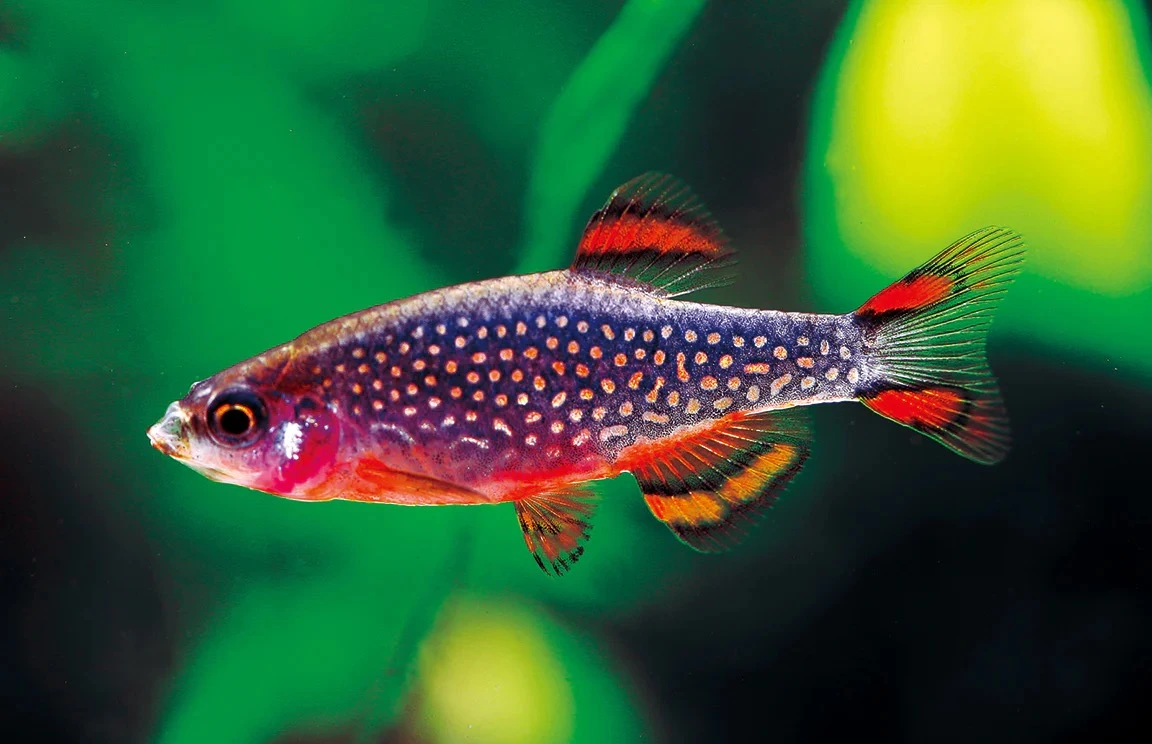
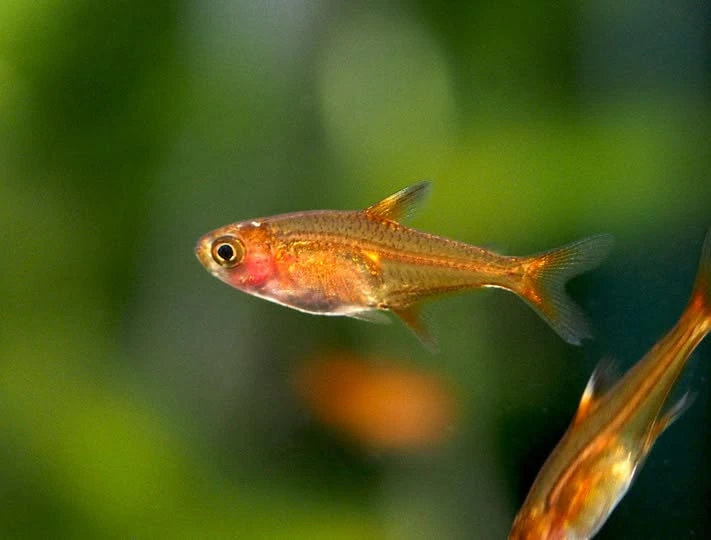
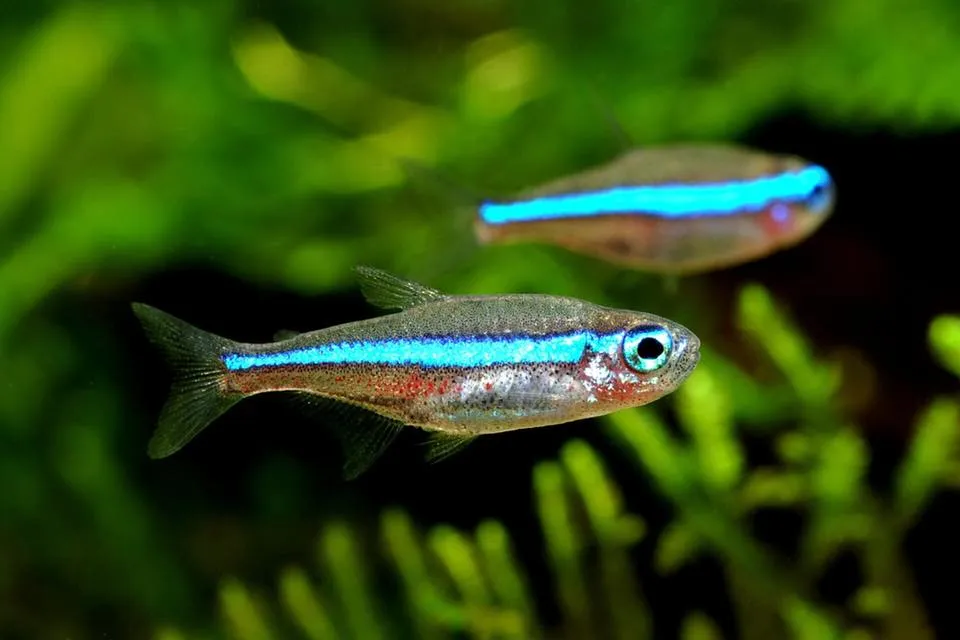
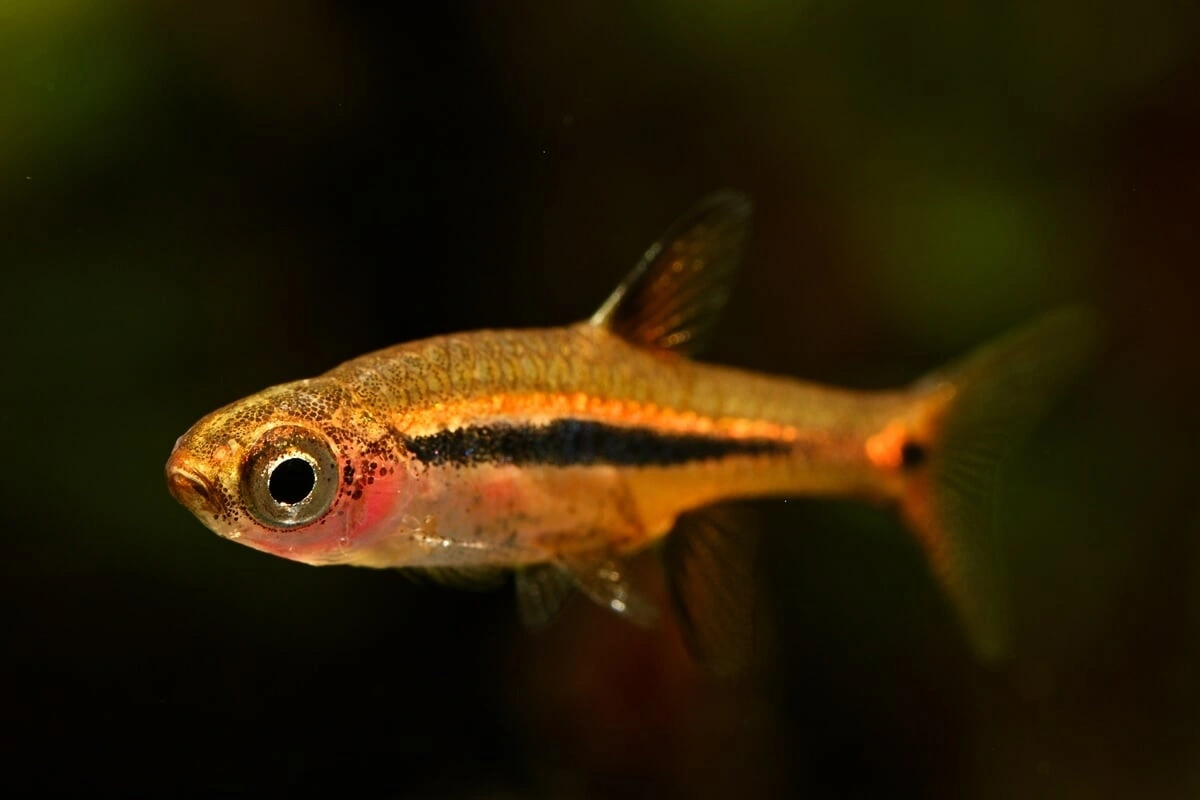
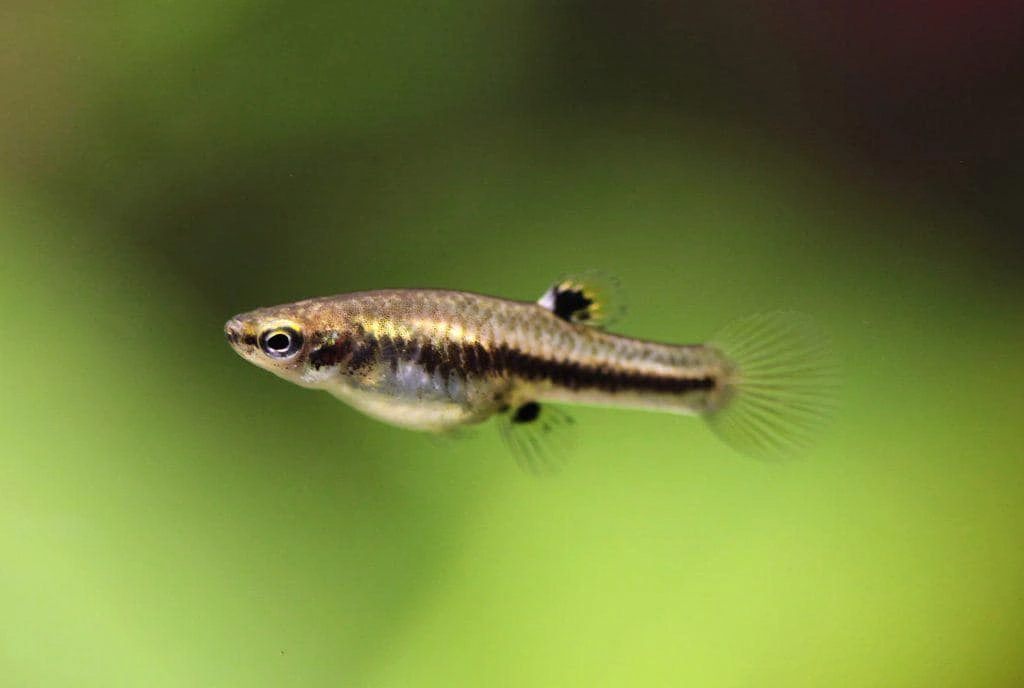
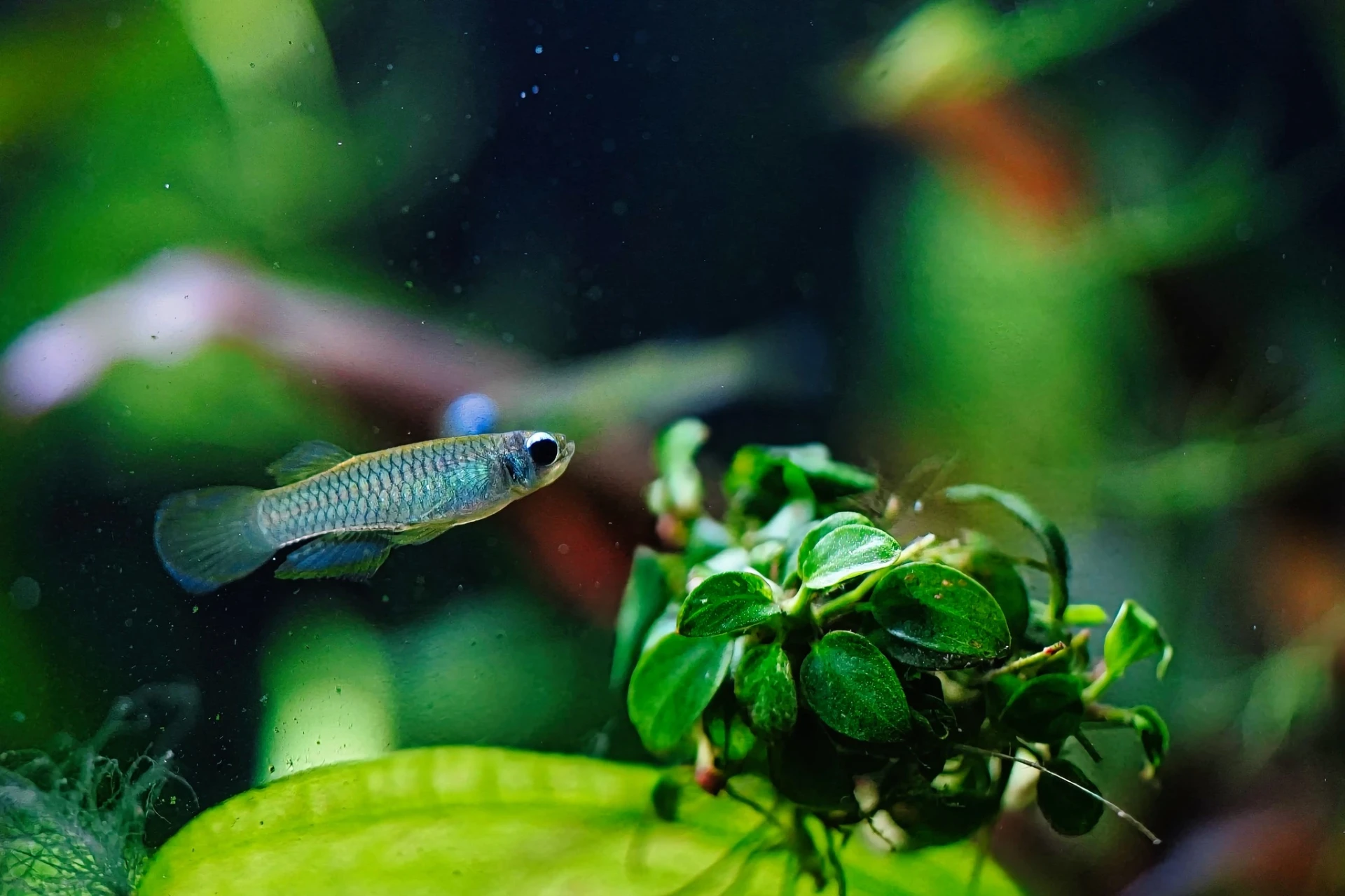
Chili rasboras, CPDs, ember tetras, exclamation point rasboras and Norman's lampeyes look and behave nothing like themselves in groups of three. Buy 10–15 of a single species instead of six of two — nano fish are cheap, and the tank looks ten times better with one dense school than with a scattered mix.
Match temperament to tankmates
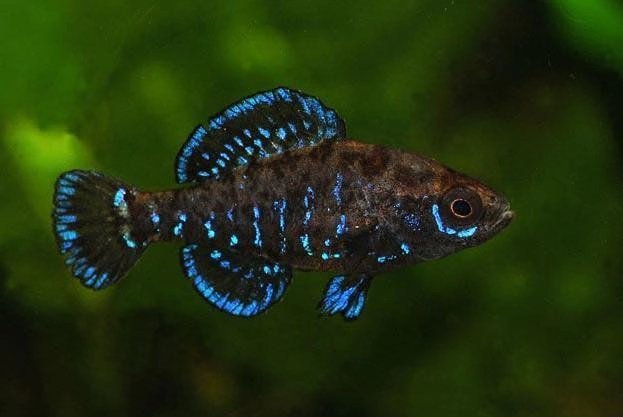
Most nanos on this list are shrimp-safe and fin-safe, but there are exceptions. Scarlet badis and pygmy sunfish will hunt baby shrimp and refuse dry food — feed live or frozen. Endler's and least killifish are livebearers and will multiply fast unless males are kept alone. Sparkling gouramis are territorial toward each other — one male per 40 L of footprint.
Feed small, feed often
Nano fish have tiny mouths and short digestive tracts. Micro-pellets, crushed flake, live baby brine, microworms, cyclops and daphnia work; standard community pellets are too big and go to waste on the substrate. Two small feedings a day beat one large one, and a well-planted tank with biofilm and infusoria will fill in the gaps.