Adult size is the whole decision
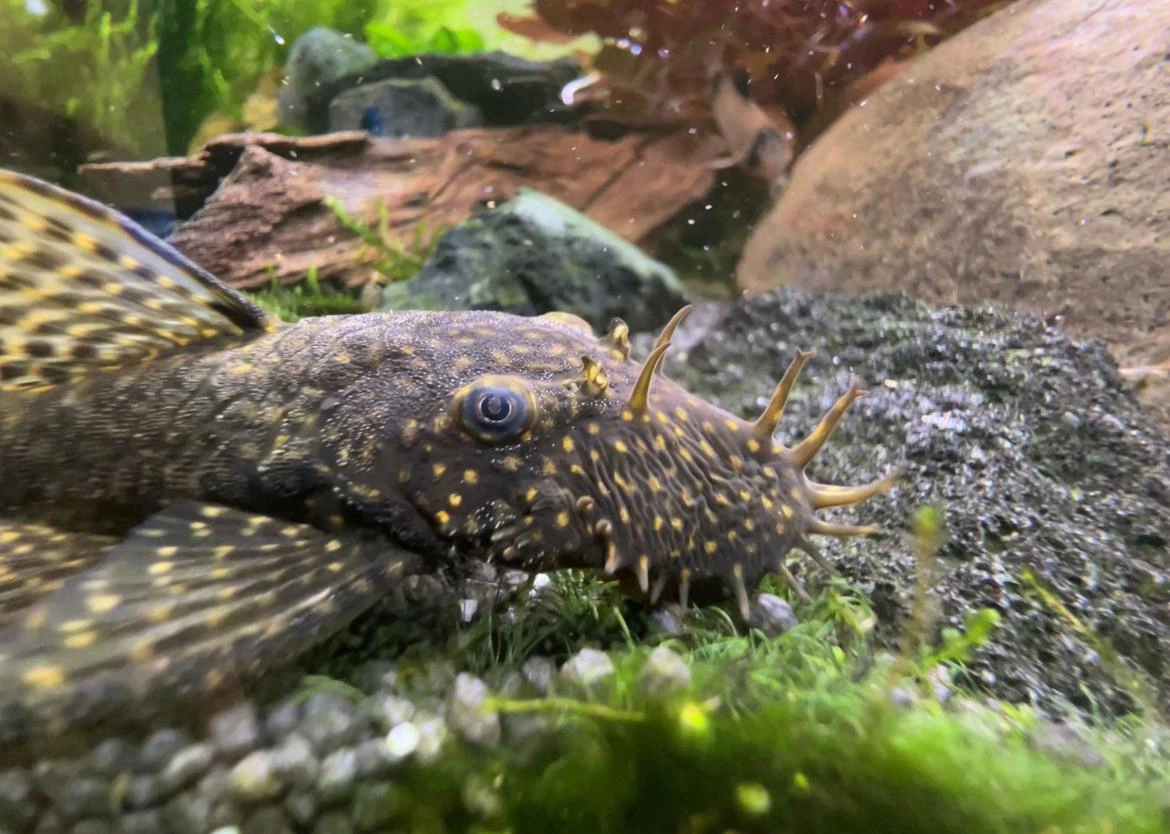
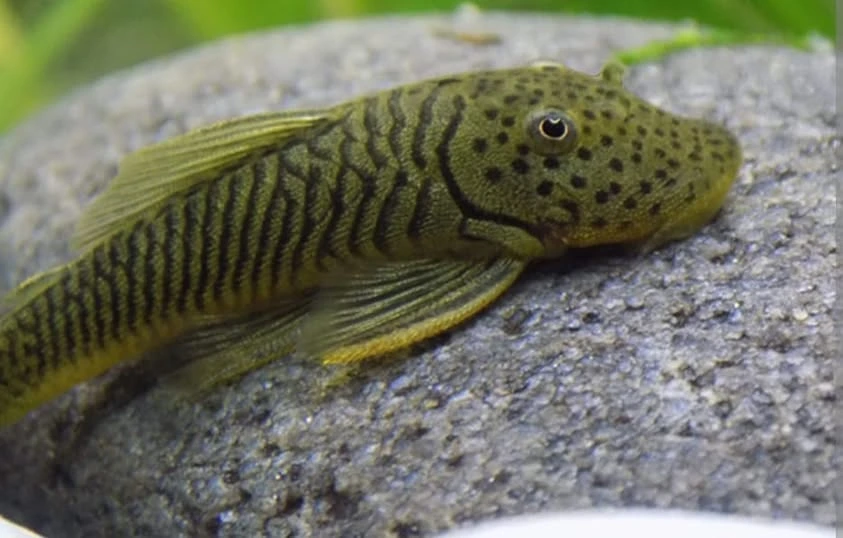
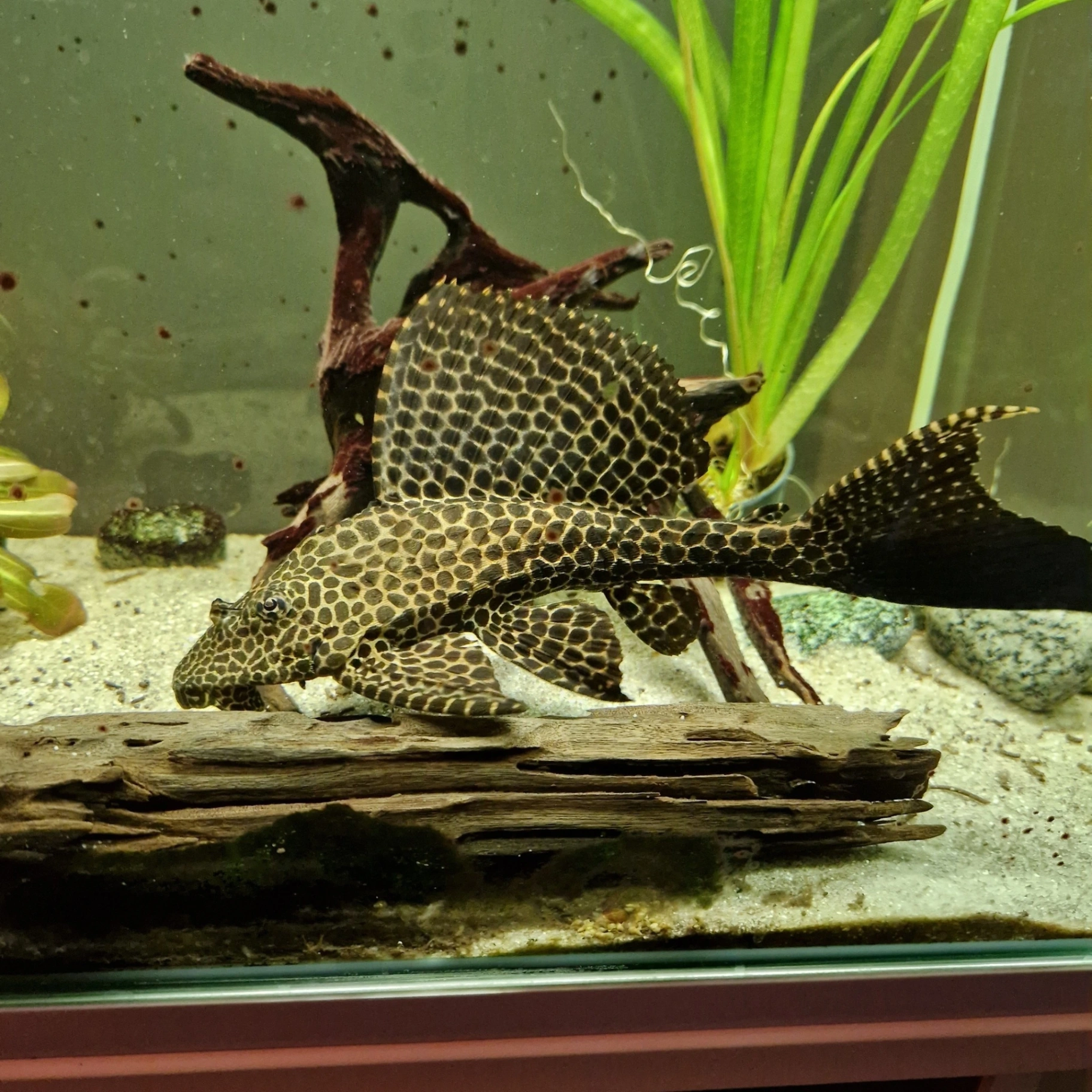
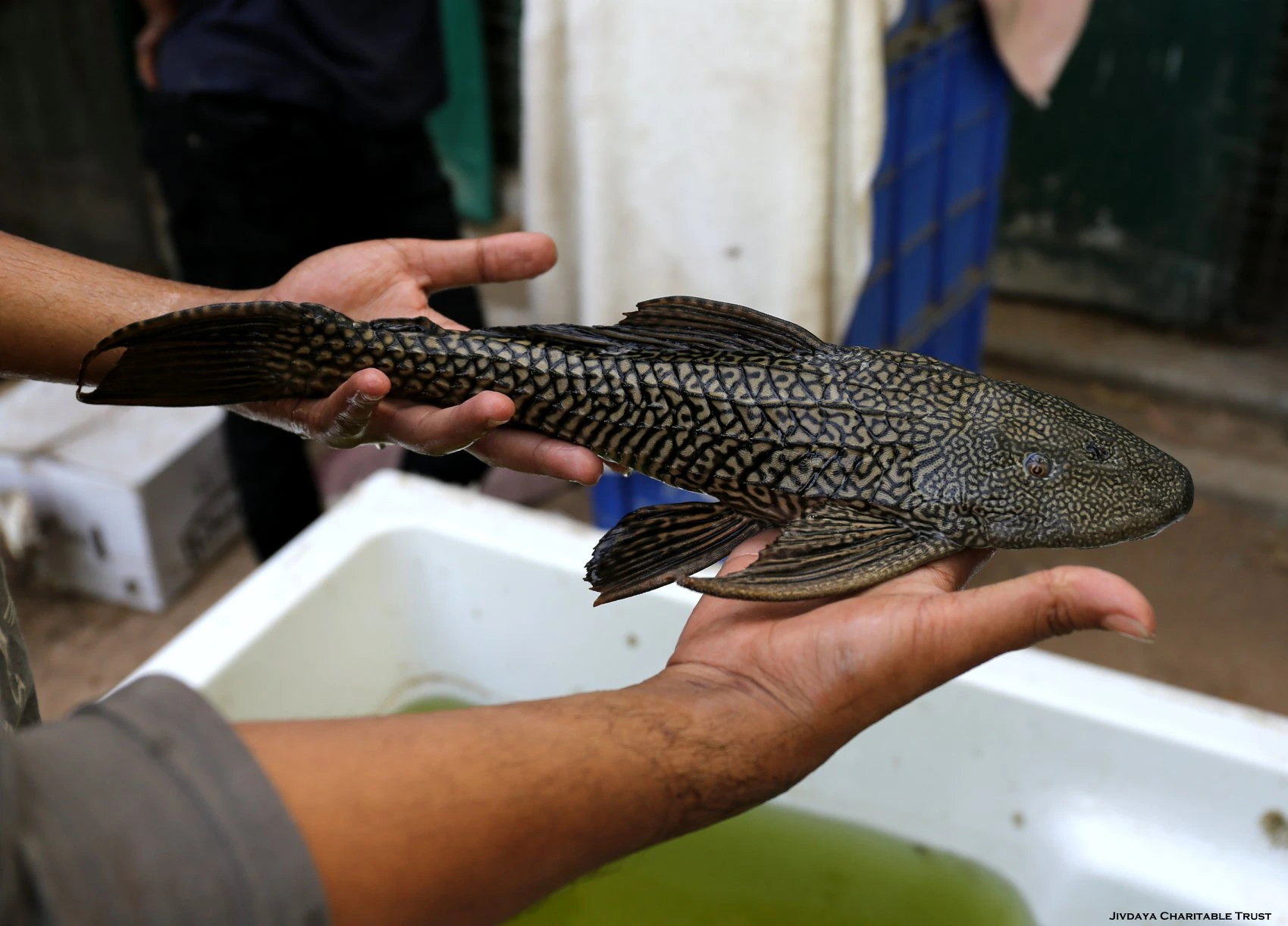
The bristlenose pleco tops out around 12 cm and lives happily in a 100 L community tank. The common pleco reaches 45 cm — the length of a chihuahua — and needs a 600 L+ tank to live out its 15+ year lifespan. A sailfin gets even bigger. Buying a 6 cm juvenile pleco at the shop tells you nothing; look up the adult size before you pay, not after.
Wood-eating vs algae-grazing vs meat-eating
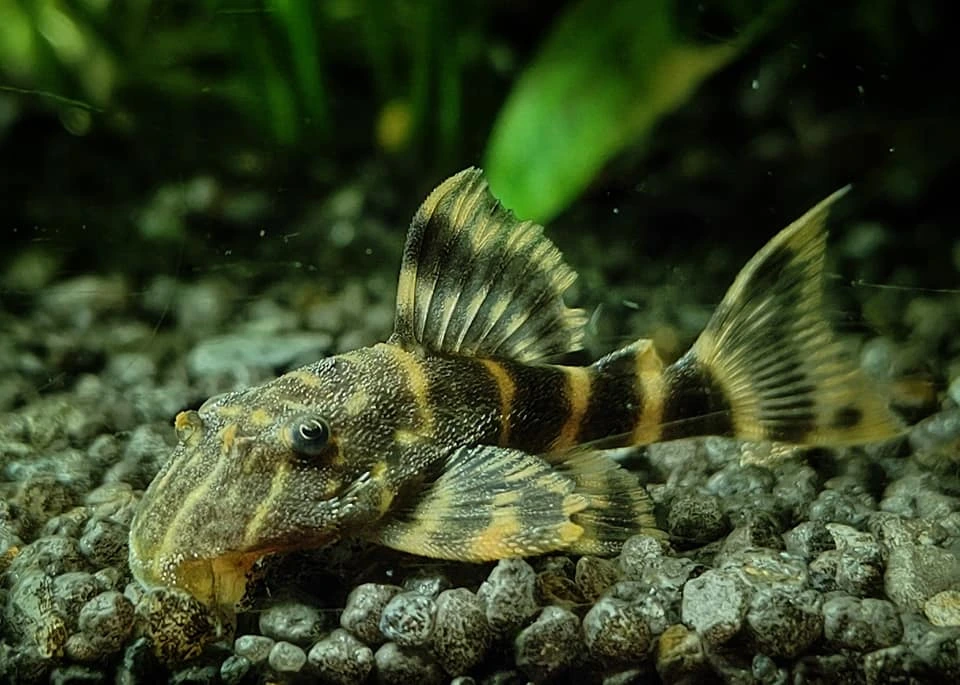
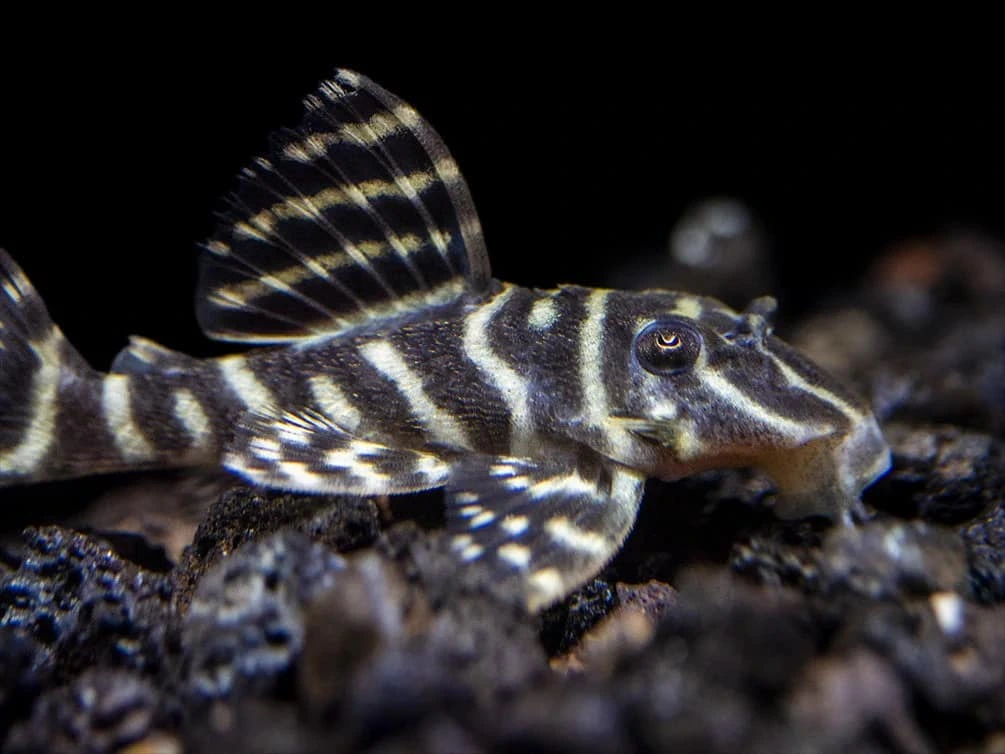
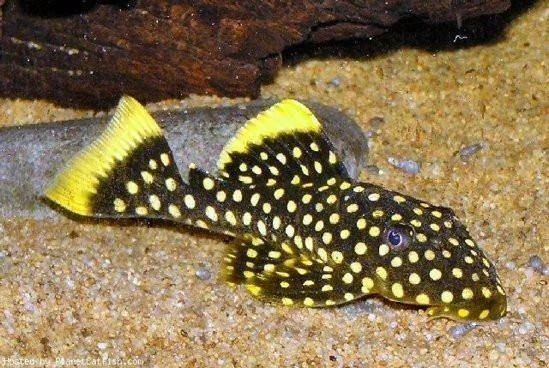
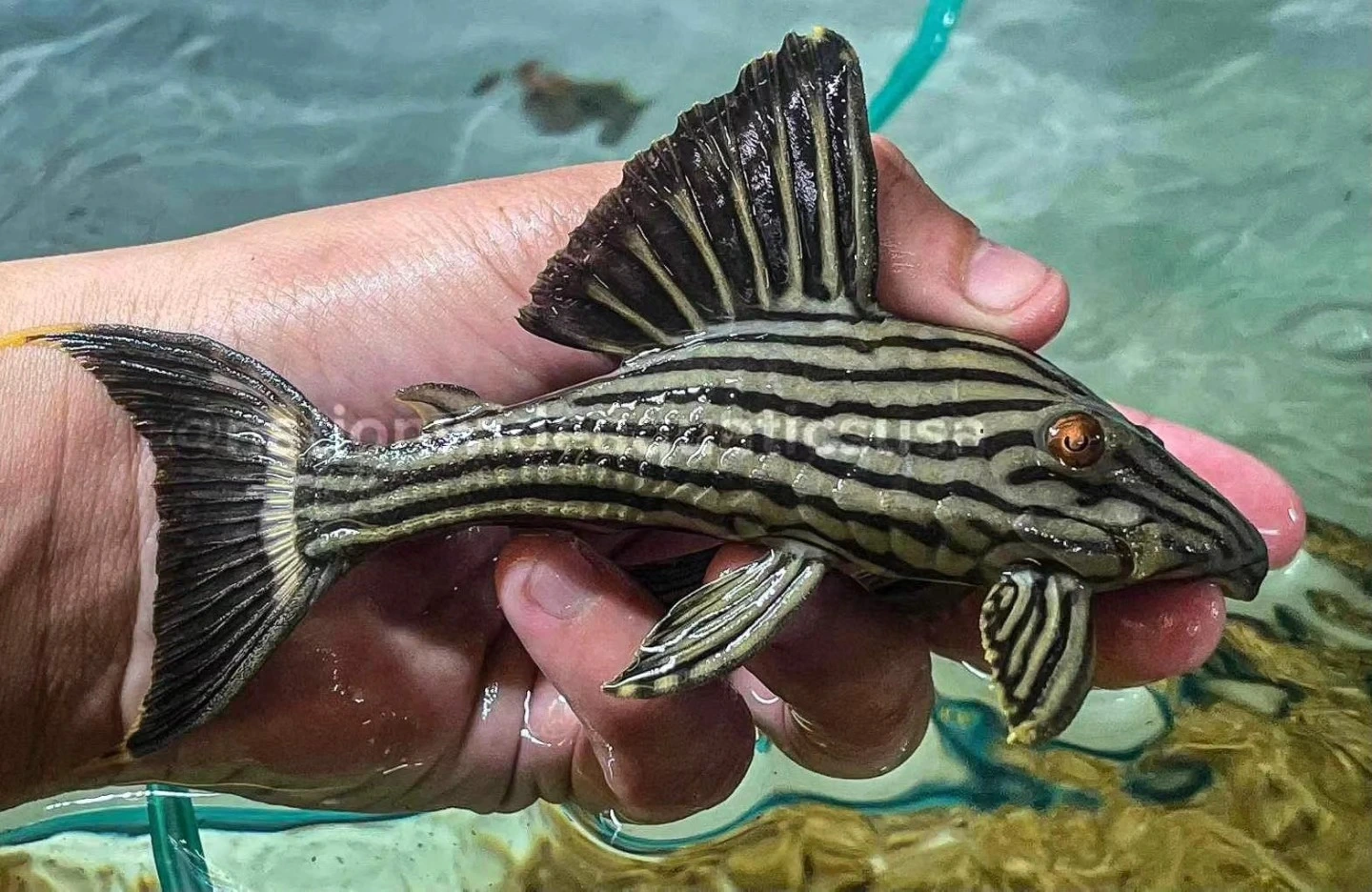
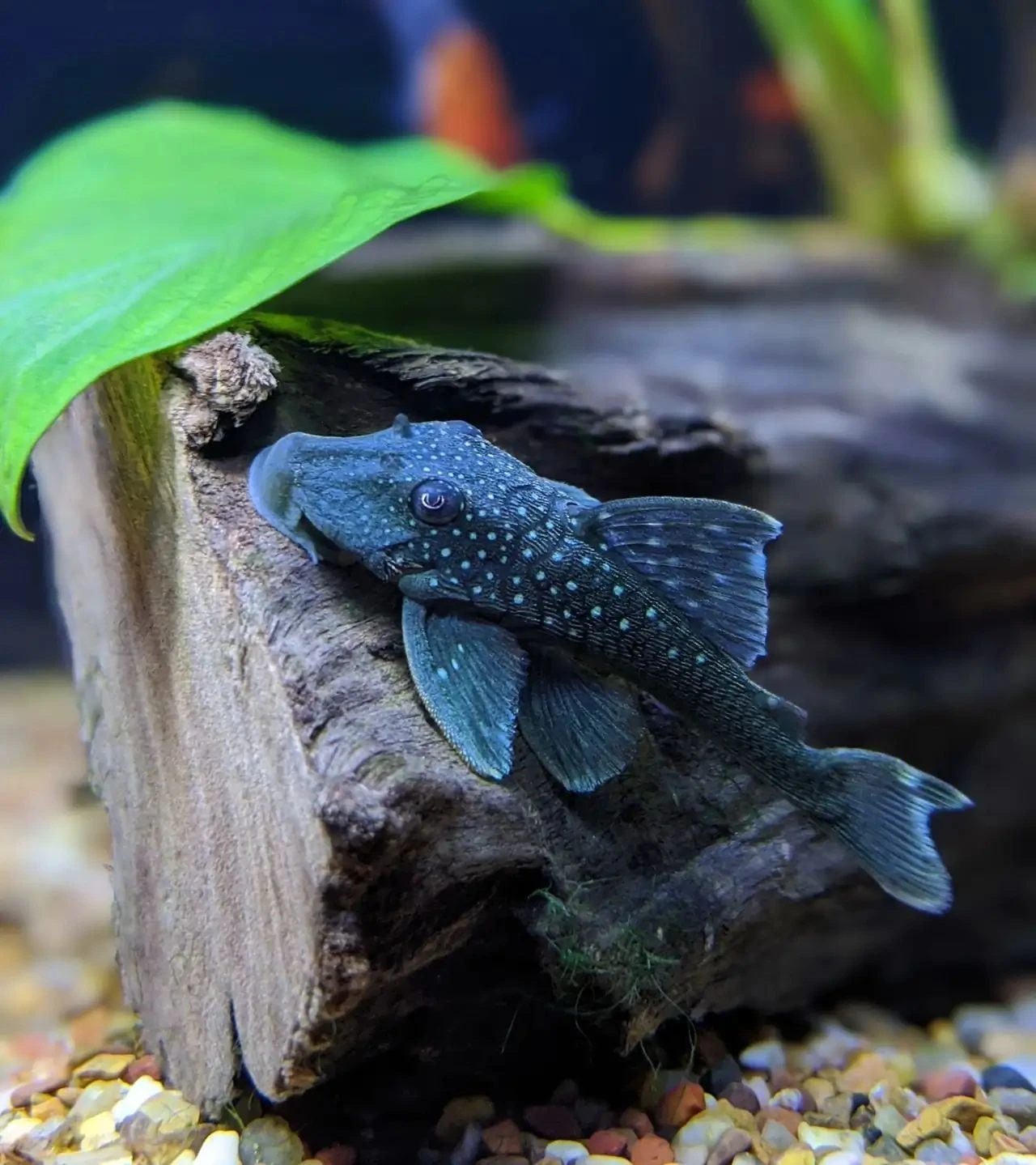
Clown, royal and blue phantom plecos are Panaqolus/Panaque genus — they need driftwood in the tank to graze and digest properly. Bristlenose, rubber lip and common plecos are generalist grazers that need algae wafers, blanched veg and biofilm. Zebra and gold nugget plecos are largely carnivorous — sinking pellets, frozen bloodworm and shrimp. Feeding the wrong diet is the second-most-common cause of pleco death after undersized tanks.
Water flow and oxygen — not optional
Every pleco on this list evolved in high-flow, oxygen-saturated South American rivers. Zebras, blue phantoms and gold nuggets especially need strong current from a powerhead or spraybar plus a well-oxygenated surface. Slow, murky, warm community tanks kill them slowly through low dissolved oxygen — the fish looks fine for months, then dies overnight.
Cave, driftwood, and line-of-sight
Plecos are nocturnal, territorial and cave-spawning. Each adult needs one cave sized to its body plus a piece of driftwood it can hide behind. Two males of the same species in one tank will fight — often to the death — regardless of tank size unless there are broken sightlines and multiple caves per fish. Plan the hardscape before the fish.
Rare ≠ better
Zebra plecos (L046) can cost hundreds and are the most Instagram-friendly, but they are also the most demanding: cool, fast, soft water; carnivorous diet; and hyper-sensitive to nitrate. A well-kept bristlenose in a planted community tank is a far more successful pleco for 95% of hobbyists than a stressed zebra in a mediocre setup.