
Care Requirements
Adult Size
16.9" (43cm)
Min Tank
125 gal
Temperature
72-86°F
pH Range
6.5-7.5
Lifespan
10-15 years
Min Group
Can be kept alone
Diet
Herbivore
Swim Level
Bottom
Bioload
5/10
Hardness
2-15 dGH
About Royal Pleco
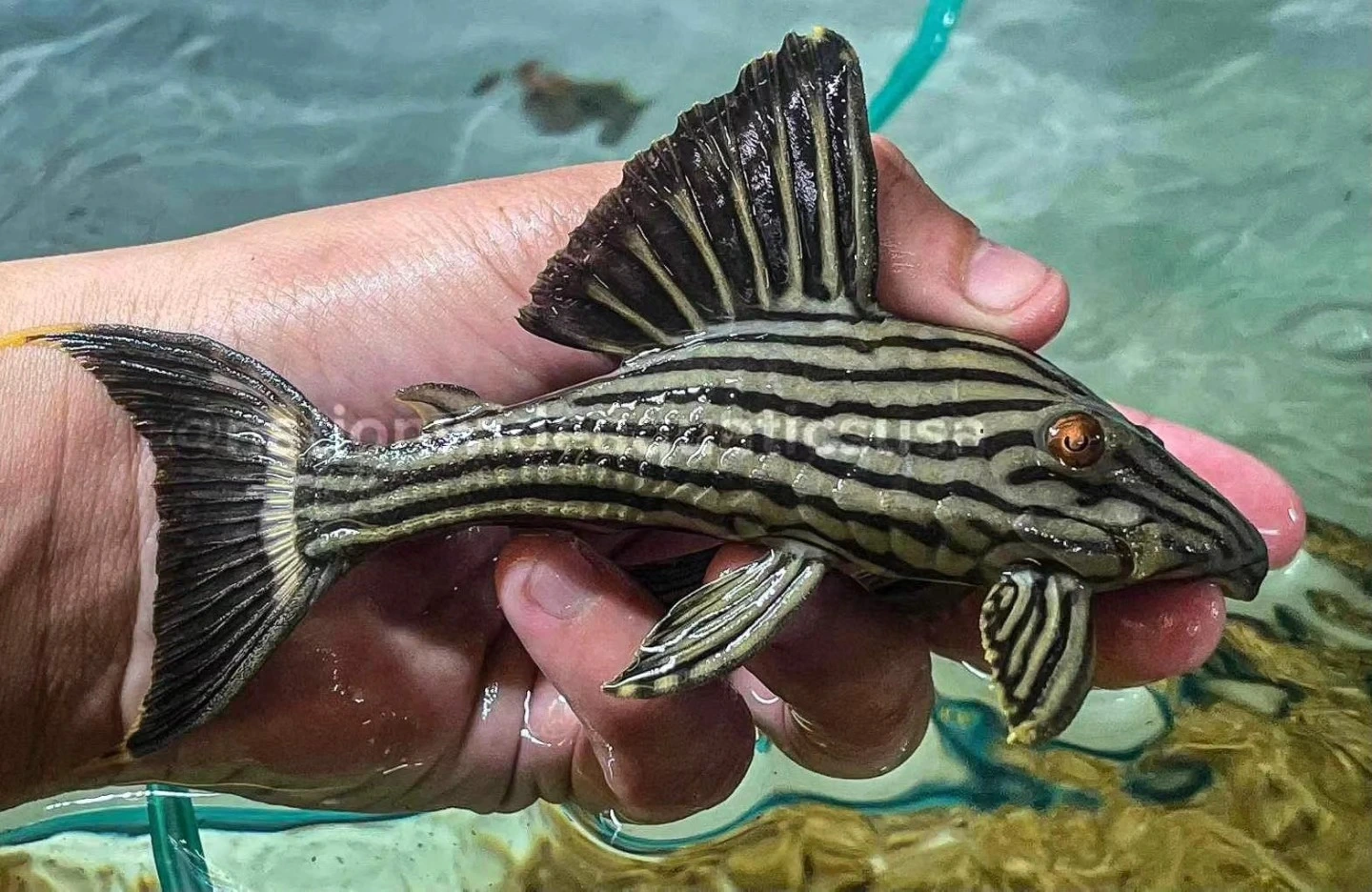
The Royal Pleco is one of the most dramatic plecos available — bold black and cream striping combined with red eyes create an immediately striking appearance. At up to 17 inches (43cm), they're substantial fish that command attention in any tank large enough to house them properly.
What sets Royal Plecos apart from most plecos is their diet: they're true wood-eaters. While many plecos rasp on driftwood occasionally, Royals actually digest wood as a primary food source. Their specialized gut bacteria break down cellulose, extracting nutrition from what most animals can't process. This makes driftwood not just decoration but essential equipment.
Their wood-eating habit creates significant waste — partially digested wood produces substantial debris. Combined with their large size, Royal Plecos have high bioloads requiring robust filtration and frequent maintenance. They're not difficult fish, but they're demanding in terms of equipment and upkeep.
Royal Plecos are territorial with other bottom-dwellers, especially other plecos. They establish caves or driftwood as territory and defend these areas. This aggression rarely extends to mid-water fish, but tank layout must provide adequate territory to avoid constant conflict.
Natural Habitat & Origin
Royal Plecos inhabit the Orinoco and Magdalena river basins of Colombia and Venezuela. They live in areas with abundant submerged wood — fallen trees, branches, and root tangles that provide both food and shelter.
These rivers have soft, slightly acidic water with moderate current. The wood-rich environment is essential to their ecology — they've evolved to exploit a food source most fish ignore. In the wild, they spend daylight hours hidden in wood tangles, emerging at night to feed.
Their natural habitat features warm temperatures and relatively low visibility from tannins leached from wood. Recreating these conditions — abundant driftwood, warm soft water, dim lighting — produces the most natural behavior.
Native Region
Colombia and Venezuela — Orinoco and Magdalena river basins
Habitat Type
Rivers and tributaries with abundant submerged wood
Wild Water Conditions
Soft, slightly acidic (pH 6.5-7.0), warm, moderate current
Appearance & Varieties
Royal Plecos display bold patterning that justifies their regal name. The body is covered in alternating black/dark brown and cream/tan stripes running horizontally. These stripes extend onto the fins, creating a cohesive dramatic appearance. Red eyes provide striking contrast against the striped body.
Their body shape is typical pleco — flattened ventrally with a large head, sucker mouth, and armored plates. The dorsal fin is large and sail-like when erect. Spoon-shaped teeth adapted for rasping wood distinguish them from most plecos.
Adults reach 17 inches (43cm), making them among the larger commonly available plecos. Growth is slow — they may take 5+ years to reach full size. Juveniles show the same patterning as adults but more intense contrast.
Popular Varieties
| Variety | Description | Rarity |
|---|---|---|
| L190 (Standard Royal) | The most common form with bold black and cream striping. What most sellers mean by 'Royal Pleco.' | Uncommon |
| L027 (Thunder Line/Platinum Royal) | Related species/variant with finer striping and sometimes lighter base color. Often sold under the Royal Pleco name. | Uncommon |
| Various Panaque species | Multiple Panaque species are sold as 'Royal Pleco.' All are wood-eaters with similar care requirements. L-numbers help identify specific variants. | Varies |
Tank Setup & Requirements
Quick Requirements Summary
Tank Size
Minimum Tank Size
125 gallons
Recommended Tank Size
150 gallons
Royal Pleco tanks must accommodate their size, wood-eating habits, and territorial nature. Driftwood isn't optional — it's food.
Water Parameters
Temperature 22-30°C (72-86°F), pH 6.5-7.5, hardness 2-15 dGH. Prefer soft, slightly acidic water matching their native rivers. Tolerant of moderate hardness. Warmer temperatures (78-82°F) encourage activity and appetite. Excellent water quality essential due to high bioload.
Substrate
Sand or smooth gravel protects their underside as they move along the bottom. Sand allows natural foraging behavior. Avoid sharp substrates that could cause abrasions.
Plants & Decorations
Abundant driftwood is essential — it's their primary food source, not decoration. Malaysian driftwood, mopani, and other dense hardwoods work well. Provide multiple large pieces. Caves or overhangs for hiding during day. Hardy plants like Anubias and Java Fern attached to driftwood work well. They won't eat plants but large specimens may dislodge poorly anchored ones.
Filtration & Water Flow
Heavy-duty filtration — overfilter significantly. Their wood-based diet produces enormous waste. Filter for 2-3x the tank volume. Canister filters with frequent media cleaning recommended. Good oxygenation important.
Lighting
Subdued lighting preferred. Nocturnal fish that prefer dim conditions. Bright lighting drives them into hiding. Floating plants or limited lighting encourages daytime activity.
Diet & Feeding Guide
Diet Type
herbivore
Feeding Frequency
Continuous access to driftwood; supplement 3-4 times weekly
Portion Size
Large wafers or vegetable pieces appropriate to their size. Driftwood should be permanent fixture, not rationed.
Royal Plecos are specialized wood-eaters — one of the few fish that actually digest wood fiber. While they accept other foods, driftwood must be present as their primary food source. Their gut bacteria require continuous wood consumption to remain healthy.
Best Foods for Royal Pleco
- Driftwood (essential) — Primary food source — they rasp wood continuously and actually digest it. Must always be available. Dense hardwoods like Malaysian driftwood preferred.
- Sinking algae wafers — Accepted as supplemental food. Spirulina-based wafers provide additional nutrition. Feed several times weekly but don't replace wood.
- Blanched vegetables — Zucchini, cucumber, and squash are accepted. Provide variety and additional fiber. Blanch to soften, weight to sink.
- Repashy gel foods (wood-eater formulas) — Specialty gel foods designed for wood-eating plecos. Good supplemental option containing wood fiber.
- Occasional protein — Small amounts of frozen bloodworms or shrimp occasionally. They're primarily herbivores but accept some protein.
Foods to Avoid
- High-protein diets — They're wood-eaters, not carnivores. Excessive protein causes digestive issues.
- Tanks without driftwood — Cannot be kept healthily without wood to eat. Their specialized gut requires continuous wood consumption.
Royal Plecos require driftwood as their primary food source — it's not optional. Supplement with algae wafers and vegetables, but wood must always be available for them to rasp.
Behavior & Temperament
Royal Plecos are primarily nocturnal, spending daylight hours hidden in caves or under driftwood. At night they emerge to rasp on wood surfaces, often producing audible scraping sounds. In dim tanks, they may become more active during the day.
They're territorial with other bottom-dwellers, particularly other plecos. A Royal Pleco establishes a cave or driftwood section as personal territory and defends it. This defense can be aggressive — locked-jaw wrestling matches occur between territorial plecos. Providing multiple distinct territories reduces conflict.
Despite bottom-dweller aggression, they're peaceful toward mid-water fish. Tetras, rasboras, and similar community fish are ignored. They're simply defending floor space, not aggressive generally.
Their wood-rasping behavior is constant when active. You'll see (and hear) them working on driftwood surfaces. This produces significant waste that must be managed through filtration and water changes.
Tank Mates: Compatibility Guide
Compatible Tank Mates
Large peaceful community fish
Fish occupying mid-water are ignored. Silver Dollars, larger tetras, peaceful cichlids work well.
Severums, Geophagus, and similar peaceful cichlids make good companions. Different feeding niches.
Large catfish (with space)
With adequate tank size and multiple territories, other large catfish can coexist.
Clown Loaches occupy different niches and are generally ignored. Need very large tanks for both species.
Tank Mates to Avoid
Other plecos (small tanks)
Territorial aggression toward other bottom-dwellers. Only combine in very large tanks with distinct territories.
Small fish
While not predatory, their size can accidentally harm small fish. Stick with robust tankmates.
Aggressive cichlids
Large aggressive cichlids may harass them. Avoid aggressive species.
Bottom-dwellers without adequate space
Any bottom-dwelling fish in inadequate space faces territorial aggression.
Common Pairing Questions
Can Royal Plecos live with other plecos?
In very large tanks with multiple distinct territories, yes. In typical tanks, they're territorial and aggressive toward other bottom-dwellers.
Do Royal Plecos get along with Oscars?
Generally yes — Oscars occupy different zones and the two can coexist in sufficiently large tanks (200+ gallons).
Royal Plecos have been bred in captivity but rarely in home aquariums. They're cave spawners requiring very large caves, mature adults, and specific conditions.
Breeding requires a bonded pair in an extremely large tank (200+ gallons) with appropriate cave structures. Males develop more pronounced odontodes (cheek spines) and broader heads. Conditioning involves heavy feeding and water changes simulating rainy season.
Females deposit eggs in caves guarded by males. Eggs hatch in 5-7 days; fry absorb yolk sacs before free-swimming. Raising fry requires very small wood pieces or specialized fry foods.
Most aquarists don't attempt breeding due to space requirements and slow maturation.
Health Issues & Disease Prevention
Royal Plecos are hardy when their specific needs are met. Most problems trace to inadequate diet (no wood), poor water quality (insufficient filtration), or stress from territorial conflict.
Common Diseases
| Disease | Symptoms | Treatment |
|---|---|---|
| Malnutrition/Starvation | Sunken belly, lethargy, faded color, refusing food. Often from lack of driftwood. | Ensure abundant driftwood is available. Supplement with algae wafers and vegetables. |
| Ich (White Spot Disease) | Small white spots on body and fins, flashing against objects. | Raise temperature to 30°C. Use half-dose ich medication — scaleless areas are sensitive. |
| Bacterial Infections | Red streaks, ulcers, fin erosion, cloudy eyes. | Usually secondary to poor water quality. Improve conditions immediately. Treat with antibacterial if needed. |
| HITH (Hole in the Head) | Pitting erosion around head and lateral line. | Often linked to poor diet or water quality. Improve diet variety, ensure wood availability. Metronidazole may help. |
Signs of a Healthy Royal Pleco
- Active wood rasping
- Full belly
- Clear red eyes
- Intact fins and smooth skin
- Good coloration with clear striping
- Normal nocturnal activity patterns
Prevention Tips
- Always provide abundant driftwood — it's food, not decoration
- Overfilter significantly to handle bioload
- Perform regular large water changes
- Provide adequate territory to reduce aggression
- Keep water warm (78-82°F)
- Maintain soft, slightly acidic conditions
Frequently Asked Questions
Yes — they're true xylivores (wood-eaters) with specialized gut bacteria that digest cellulose. Driftwood is their primary food source, not just something they rasp for algae. They must have continuous access to wood for proper health.
Up to 17 inches (43cm) in aquariums, potentially larger in the wild. Growth is slow — they may take 5+ years to reach full size. Plan tank size for adult dimensions from the start.
In very large tanks with multiple distinct territories, yes. In typical tanks, they're territorial and aggressive toward other bottom-dwellers. Most keepers house them as the only pleco.
Most commonly: no driftwood available (they need it), poor water quality, or stress from inadequate territory. They're also nocturnal — they may be eating at night.
A lot — partially digested wood creates significant debris. Their bioload is much higher than similarly-sized fish eating normal diets. Robust filtration and frequent water changes are essential.
Dense hardwoods like Malaysian driftwood, mopani, and similar. Soft woods break down too fast. Provide multiple large pieces — they'll go through it over time.
Toward other bottom-dwellers, yes — they defend territory. Toward mid-water fish, no — they ignore them completely.
Only temporarily as a juvenile. Adults need 125+ gallons minimum. They grow slowly, but planning for adult size from the start avoids stressful upgrades.
Tips for Keeping Royal Pleco
Pro Tips
- ✓Driftwood is food, not decoration — budget for replacing driftwood as they consume it over months/years.
- ✓Overfilter aggressively — filter for 2-3x tank volume and expect more frequent cleaning than typical setups.
- ✓Dim lighting brings them out — they're nocturnal and hide in bright tanks.
- ✓Listen for them — their wood-rasping is audible and confirms they're healthy and feeding normally.
Common Mistakes to Avoid
- ✗Keeping without driftwood — starvation and declining health.
- ✗Underestimating filtration needs — poor water quality from excessive waste.
- ✗Housing in too-small tanks — stunted growth and inability to establish proper territory.
- ✗Multiple plecos without adequate space — territorial fighting causing injury.
- ✗Expecting them to clean algae — they're wood-eaters, not algae-eaters.
Sources
- FishBase — Accepted scientific name, maximum size and native range for Royal Pleco.
Related Species You Might Like
View All Fish →
Rubber Lip Pleco
Chaetostoma formosae
Black Ghost Knifefish
Apteronotus albifrons
Fire Eel
Mastacembelus erythrotaenia

Frontosa
Cyphotilapia frontosa
Iridescent Shark
Pangasianodon hypophthalmus
Sailfin Pleco
Pterygoplichthys gibbiceps

Bala Shark
Balantiocheilos melanopterus
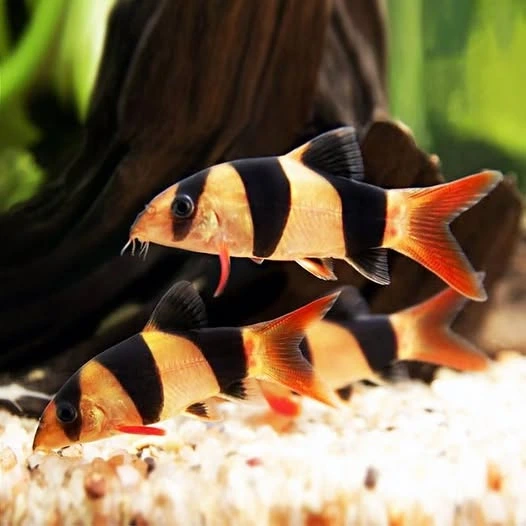
Clown Loach
Chromobotia macracanthus
Ready to Add Royal Pleco to Your Tank?
Use our free stocking calculator to check compatibility, bioload, and get personalized recommendations.