
Care Requirements
Adult Size
19.7" (50cm)
Min Tank
150 gal
Temperature
73-86°F
pH Range
6.5-8
Lifespan
15-20 years
Min Group
Can be kept alone
Diet
Omnivore
Swim Level
Bottom
Bioload
5/10
Hardness
4-20 dGH
About Sailfin Pleco
The Sailfin Pleco is one of the most commonly sold — and most commonly regretted — fish in the aquarium trade. Cute 2-3 inch juveniles in store tanks give no hint of the 18-20 inch monsters they become. More Sailfin Plecos end up surrendered to rescues, released illegally, or dying in inadequate tanks than probably any other fish.
This isn't because they're bad fish. Sailfin Plecos are actually hardy, peaceful, and attractive with their leopard-spotted pattern and impressive sail-like dorsal fin. They're easy to keep if you have the space. The problem is that space requirement: adults need 150+ gallon tanks minimum, and most buyers have no idea what they're purchasing.
Their hardiness contributes to the problem — they survive in undersized tanks long enough for owners to become attached before the space crisis becomes critical. A Sailfin Pleco can live stunted and stressed in a 55-gallon for years, which isn't survival so much as prolonged suffering.
For aquarists with genuinely large tanks, Sailfin Plecos are rewarding fish. They're peaceful, hardy, long-lived (15-20 years), and effective at consuming excess food and some algae. Just understand what you're committing to: two decades of caring for a fish the size of a house cat.
Natural Habitat & Origin
Sailfin Plecos originate from the Amazon and Orinoco river basins across Brazil, Peru, and Ecuador. They inhabit slow-moving tributaries, floodplains, and areas with submerged wood and vegetation. Their adaptability to various conditions explains their hardiness in aquariums.
In the wild, they play important ecological roles processing detritus and helping cycle nutrients. They're generalist feeders consuming algae, biofilm, detritus, and some plant material.
Their native waters range from soft and acidic to moderately hard, with temperatures varying seasonally. This flexibility makes them tolerant of various aquarium conditions — one of their genuinely positive traits.
Native Region
Brazil, Peru, Ecuador — Amazon and Orinoco river basins
Habitat Type
Slow rivers, tributaries, and floodplains
Wild Water Conditions
Variable — soft to moderately hard, slightly acidic to neutral, warm
Appearance & Varieties
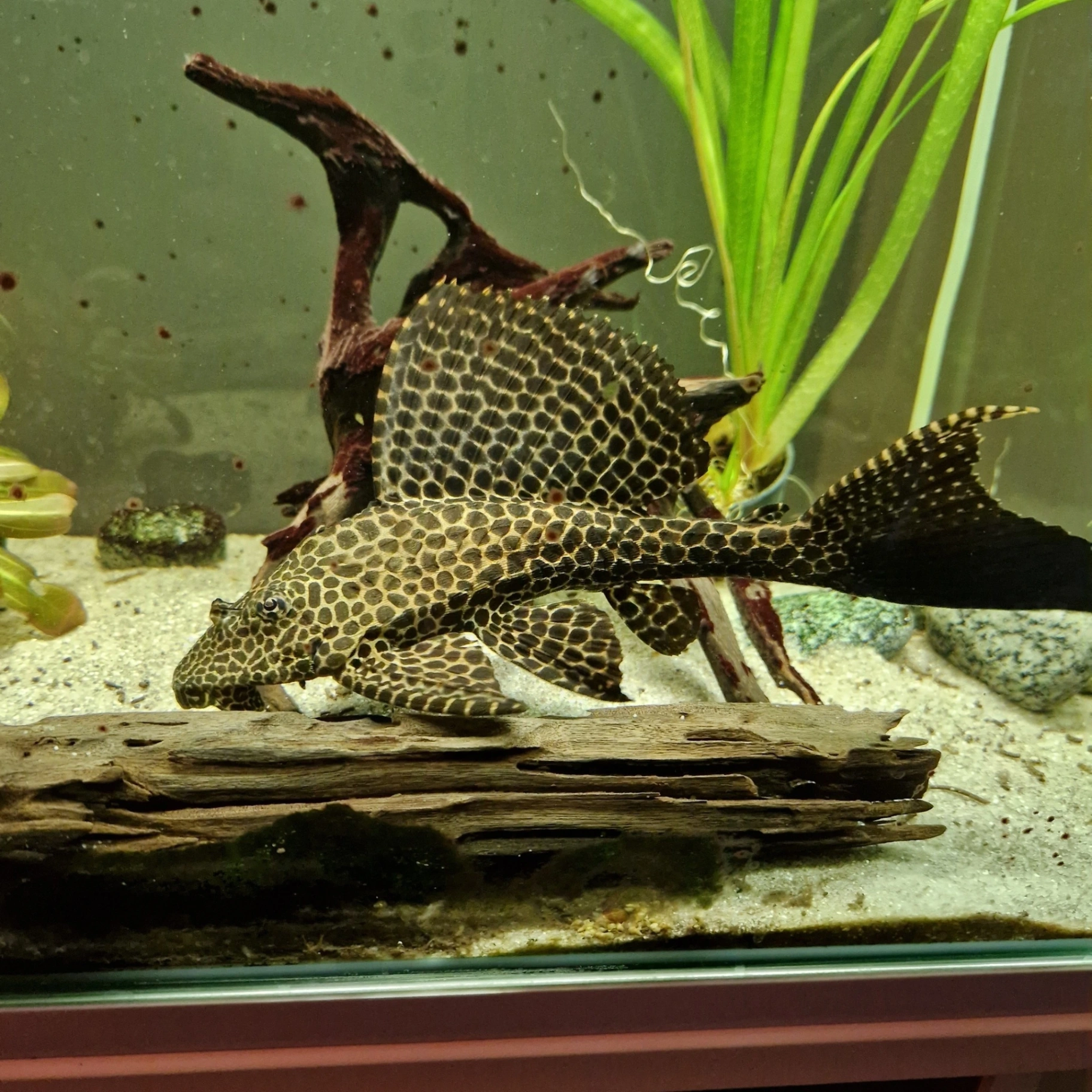
Sailfin Plecos display attractive leopard-like patterning — dark spots on a lighter brown/tan background covering the body and fins. The namesake dorsal fin is large and sail-like, particularly impressive when erect.
Their most notable feature is size: adults reach 18-20 inches (45-50cm) and weigh several pounds. Body shape is typical pleco but scaled up — flattened, armored, with large head and sucker mouth.
Juveniles are deceptively small and cute, typically sold at 2-4 inches. Growth rate is relatively fast for plecos — they can reach a foot within 2-3 years under good conditions.
Popular Varieties
| Variety | Description | Rarity |
|---|---|---|
| Standard Leopard Pattern | Dark spots on tan/brown background. The typical form sold in stores. Pattern varies individually. | Common |
| Albino | Cream/white body with faint pattern visible. Red eyes. Less common than standard. | Uncommon |
Tank Setup & Requirements
Quick Requirements Summary
Tank Size
Minimum Tank Size
150 gallons
Recommended Tank Size
200 gallons
Sailfin Pleco tanks must accommodate their eventual enormous size. Planning for the adult from day one avoids stressful, expensive upgrades later.
Water Parameters
Temperature 23-30°C (73-86°F), pH 6.5-8.0, hardness 4-20 dGH. Extremely adaptable — one of their genuinely positive traits. They tolerate wide parameter ranges. Stability matters more than hitting specific values. Water quality is important due to their high bioload.
Substrate
Sand or smooth gravel. Their size means they push substrate around. Smooth substrates are gentler on their underside and practical for maintenance.
Plants & Decorations
Large caves, driftwood, and open swimming floor. Provide hiding spots appropriately sized for a large fish — PVC pipes, large driftwood arrangements. They need floor space to move. Robust plants only — Anubias, Java Fern on driftwood survive better. Don't expect a planted tank aesthetic with adult Sailfins.
Filtration & Water Flow
Heavy-duty filtration for high bioload. Multiple canister filters or sump filtration recommended. Overfilter significantly. Their waste production challenges most standard setups.
Lighting
Any — they're adaptable. Standard aquarium lighting is fine. They may be more active in dimmer conditions but tolerate various lighting.
Diet & Feeding Guide
Diet Type
omnivore
Feeding Frequency
Daily for juveniles; every other day for adults
Portion Size
Adults can eat surprisingly large amounts — several large algae wafers or a whole zucchini slice. Adjust based on waste production.
Sailfin Plecos are omnivorous generalists eating algae, biofilm, detritus, and opportunistic protein. They're easy to feed and not picky — one of their genuinely positive traits.
Best Foods for Sailfin Pleco
- Sinking algae wafers — Staple food — use large wafers appropriate to their size. Adults can consume multiple large wafers per feeding.
- Blanched vegetables — Zucchini, cucumber, squash, lettuce, peas — they'll eat most vegetables. A whole zucchini slice makes appropriate adult portion.
- Sinking pellets — Large cichlid pellets or catfish pellets accepted. Good for protein supplementation.
- Driftwood — They rasp on driftwood and benefit from the fiber, though not true wood-eaters like Panaque species.
- Frozen foods — Bloodworms, shrimp, and similar accepted for variety. They're opportunistic omnivores.
Foods to Avoid
- Floating foods only — Bottom-feeders that won't surface. Everything must sink to reach them.
- Underfeeding — Large fish needing substantial food. Don't expect them to survive on tank algae alone.
Sailfin Plecos are easy to feed and accept almost any sinking food. They produce more waste than they clean — don't rely on them as cleanup crew. Feed substantial portions appropriate to their large size.
Behavior & Temperament
Sailfin Plecos are peaceful, primarily nocturnal fish that spend days hiding and nights foraging. They're not aggressive toward tankmates, though their size alone can be intimidating.
They move slowly and deliberately most of the time, with occasional sudden bursts. At night, they actively patrol the tank rasping surfaces for food. This foraging behavior produces significant waste.
As they grow, their bulk becomes apparent. Adults can knock over unsecured decorations, uproot plants, and generally rearrange tanks through sheer mass rather than aggression.
They're surprisingly personable for large fish. Many recognize their keepers and become interactive at feeding time.
Tank Mates: Compatibility Guide
Compatible Tank Mates
Large peaceful community fish
Fish too large to be accidentally harmed by their bulk. Silver Dollars, larger cichlids, large barbs.
Oscars and similar large cichlids coexist well. Different feeding zones, mutual respect.
Large catfish
Other large peaceful catfish can share space in appropriately sized tanks.
Bichirs and other prehistoric fish
Similar size range and peaceful coexistence in monster fish setups.
Tank Mates to Avoid
Small fish (in certain setups)
While not predatory, their size can accidentally harm small fish.
Aggressive fish that target plecos
Despite size, they're peaceful and don't defend themselves well against persistent aggression.
Multiple large plecos (small tanks)
Only in very large tanks. Territorial disputes occur in cramped conditions.
Common Pairing Questions
Can Sailfin Plecos live with Oscars?
Yes — they're classic tankmates in large South American setups. Both are peaceful toward each other and occupy different zones.
Will a Sailfin Pleco outgrow my tank?
Almost certainly, unless you have 150+ gallons. They reach 18-20 inches and need proportional space.
Sailfin Plecos are bred commercially in outdoor ponds but rarely breed in home aquariums. They're burrow spawners requiring deep substrate and very large spaces.
Commercial breeding involves large ponds where males excavate burrows in banks. This setup is impractical for home aquarists.
Virtually all aquarium specimens come from commercial farms rather than home breeding.
Health Issues & Disease Prevention
Sailfin Plecos are hardy fish that rarely develop health problems when given adequate space and water quality. Most issues stem from inadequate tank size or poor filtration.
Common Diseases
| Disease | Symptoms | Treatment |
|---|---|---|
| Stunting/Growth Issues | Disproportionately small for age, compressed body shape, lethargy. | Result of inadequate tank size. Move to appropriate tank (150+ gallons). Damage may be permanent if severe. |
| Ich (White Spot Disease) | Small white spots on body, flashing against objects. | Raise temperature gradually. Use half-dose medication. They're hardy and respond well to treatment. |
| Bacterial Infections | Red streaks, ulcers, fin erosion. | Usually from poor water quality due to high bioload. Improve filtration and water changes. Treat with antibacterial if needed. |
| Nutritional Deficiency | Sunken belly, poor growth, faded coloration. | Improve diet variety. They need substantial, regular feeding — not just tank algae. |
Signs of a Healthy Sailfin Pleco
- Active nocturnal foraging
- Full belly
- Clear eyes
- Intact fins
- Good coloration
- Appropriate growth rate
Prevention Tips
- Provide adequate tank size from the start
- Overfilter significantly for their bioload
- Feed substantial, varied diet
- Don't rely on them for tank cleaning
- Plan for 20-year commitment
- Never release unwanted fish into waterways
Frequently Asked Questions
18-20 inches (45-50cm) in aquariums. The cute 3-inch baby in the store becomes a fish the size of a house cat within 3-5 years.
Only temporarily as a small juvenile. Adults need 150+ gallons minimum. Don't buy one without appropriate space.
They eat some algae but produce far more waste than they clean. They're not cleaning crews — expect to clean up after them.
Profit and ignorance. Stores sell cute juveniles without informing buyers about adult size. Please research before buying any fish.
Contact local aquarium societies, fish rescues, or specialty stores. NEVER release into local waterways — they're invasive and harm native ecosystems.
15-20 years under proper conditions. This is a long-term commitment. Consider this lifespan before purchasing.
No — they're peaceful fish. Their size can be intimidating, but they don't attack tankmates.
Different species often sold interchangeably. Both get huge. Sailfins have more dorsal fin rays (10+) versus Commons (7 or fewer). Care is similar.
Tips for Keeping Sailfin Pleco
Pro Tips
- ✓Don't buy one unless you have 150+ gallons ready — 'I'll upgrade later' rarely happens.
- ✓They produce more waste than they clean — budget for heavy filtration and frequent water changes.
- ✓Consider pond keeping in warm climates — outdoor ponds provide the space they need.
- ✓Commit to 20 years — buying a juvenile means housing it for decades.
Common Mistakes to Avoid
- ✗Buying based on juvenile size — shock when they rapidly outgrow the tank.
- ✗Keeping in undersized tanks — stunted, stressed fish with shortened lifespan.
- ✗Underestimating bioload — crashed water quality from inadequate filtration.
- ✗Expecting tank cleaning — they create more mess than they clean.
- ✗Releasing unwanted fish — environmental damage from invasive species. Never release aquarium fish.
Sources
- FishBase — Accepted scientific name, maximum size and native range for Sailfin Pleco.
Related Species You Might Like
View All Fish →
Salt and Pepper Corydoras
Corydoras habrosus
Iridescent Shark
Pangasianodon hypophthalmus

Bala Shark
Balantiocheilos melanopterus
Clown Loach
Chromobotia macracanthus
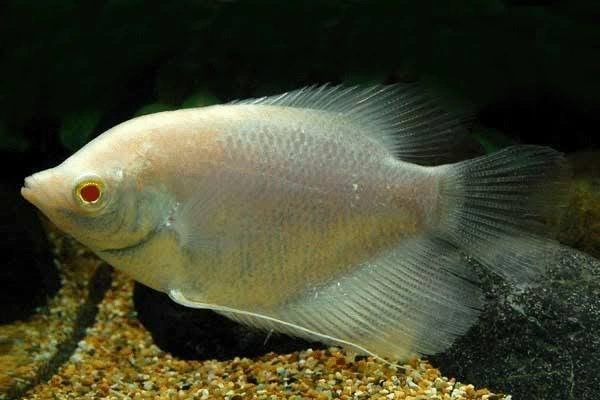
Giant Gourami
Osphronemus goramy
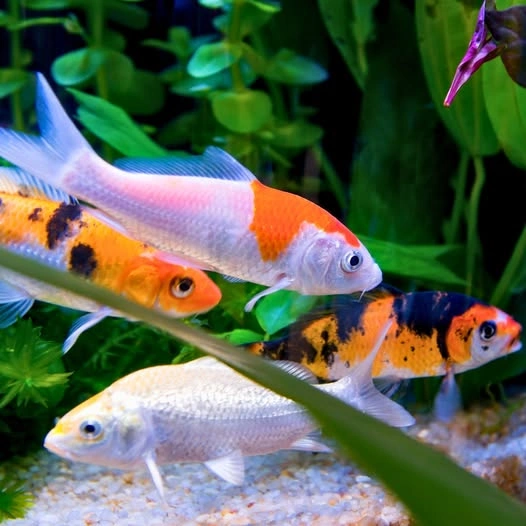
Koi
Cyprinus rubrofuscus
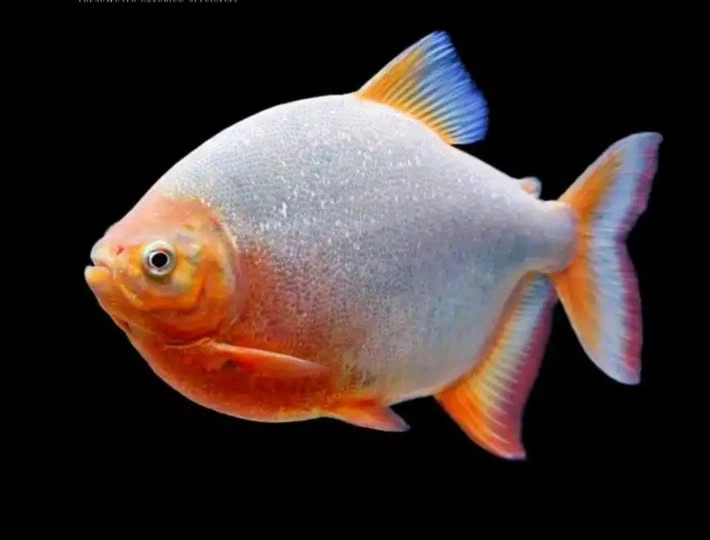
Pacu
Colossoma macropomum
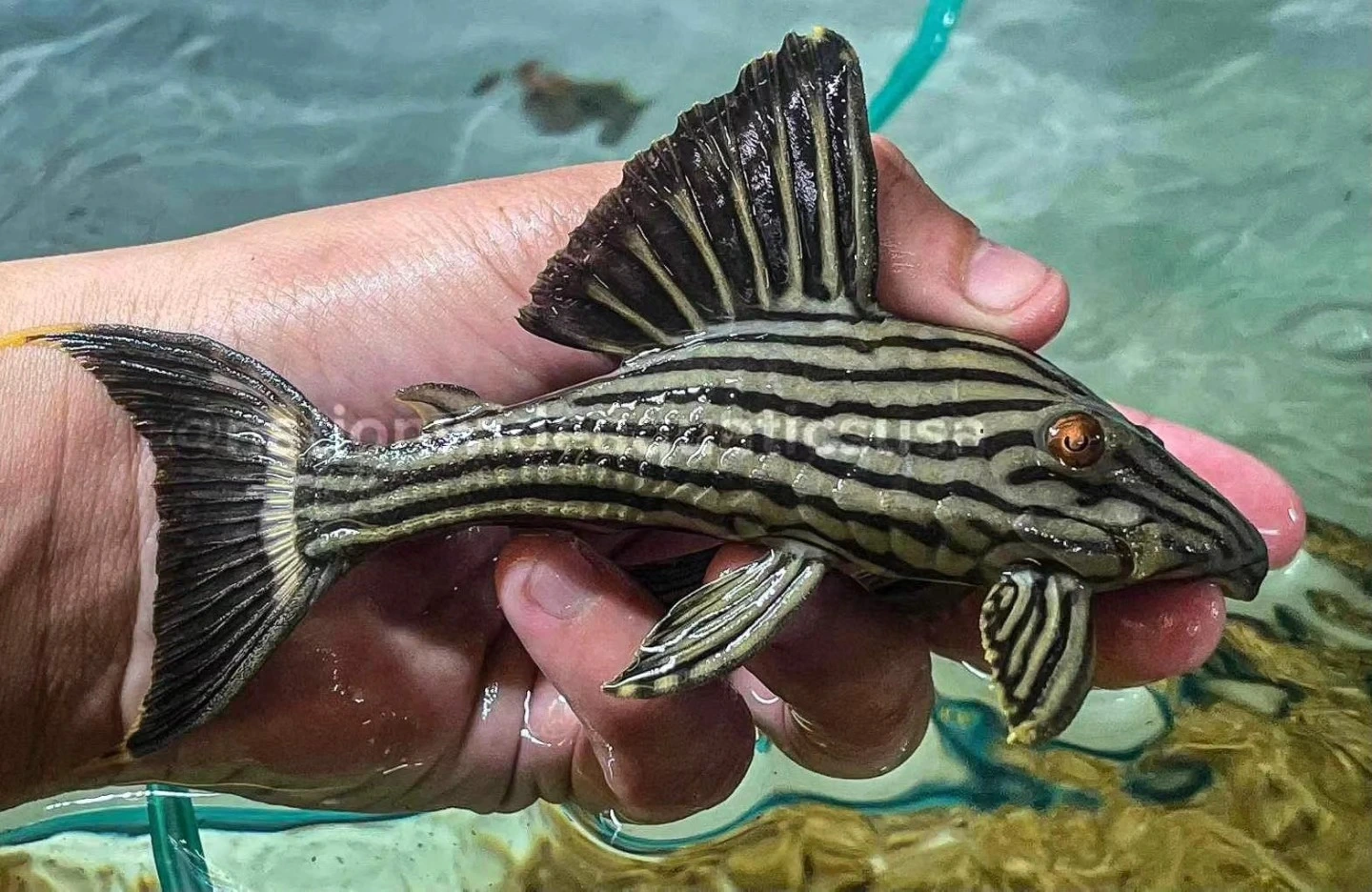
Royal Pleco
Panaque nigrolineatus
Ready to Add Sailfin Pleco to Your Tank?
Use our free stocking calculator to check compatibility, bioload, and get personalized recommendations.