Identify the algae first
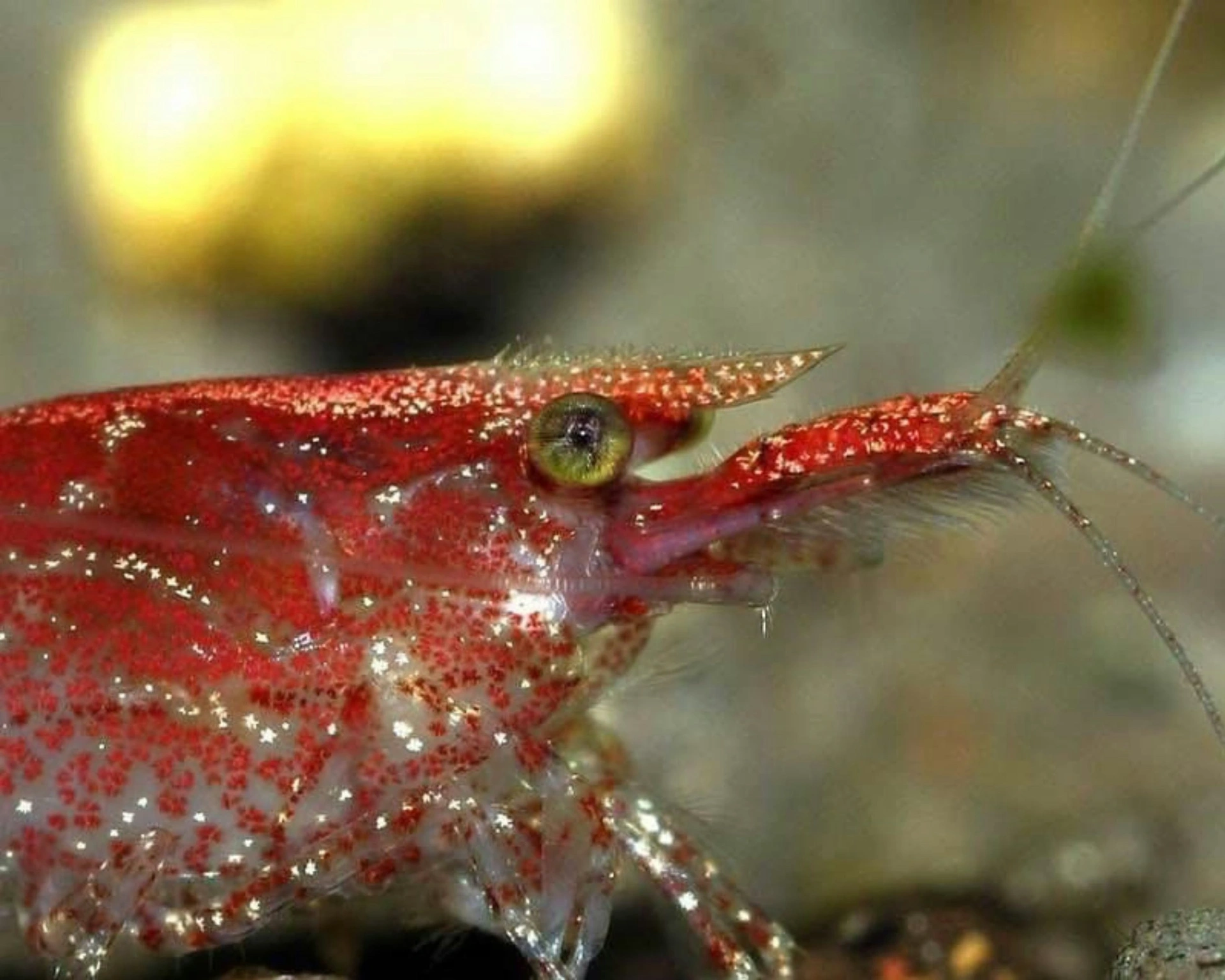
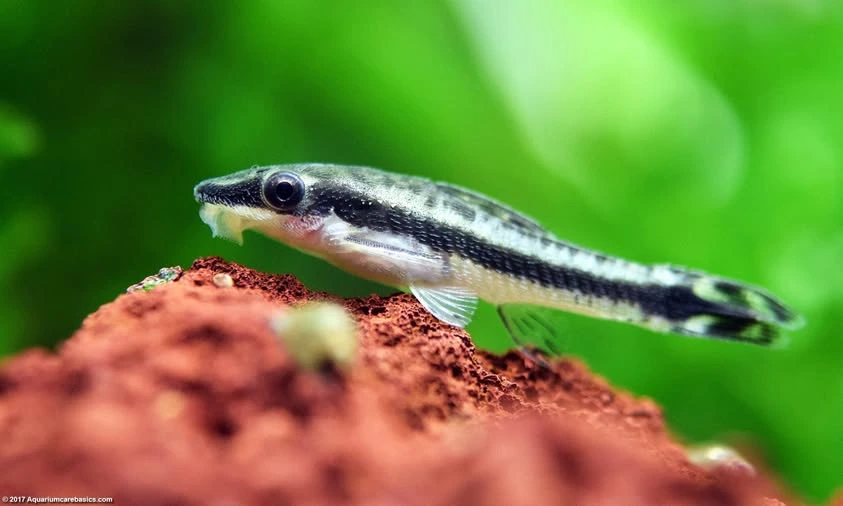
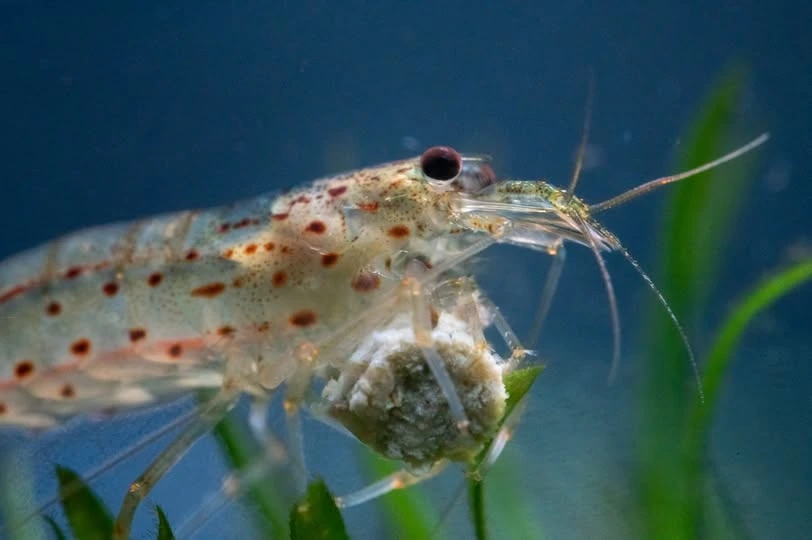
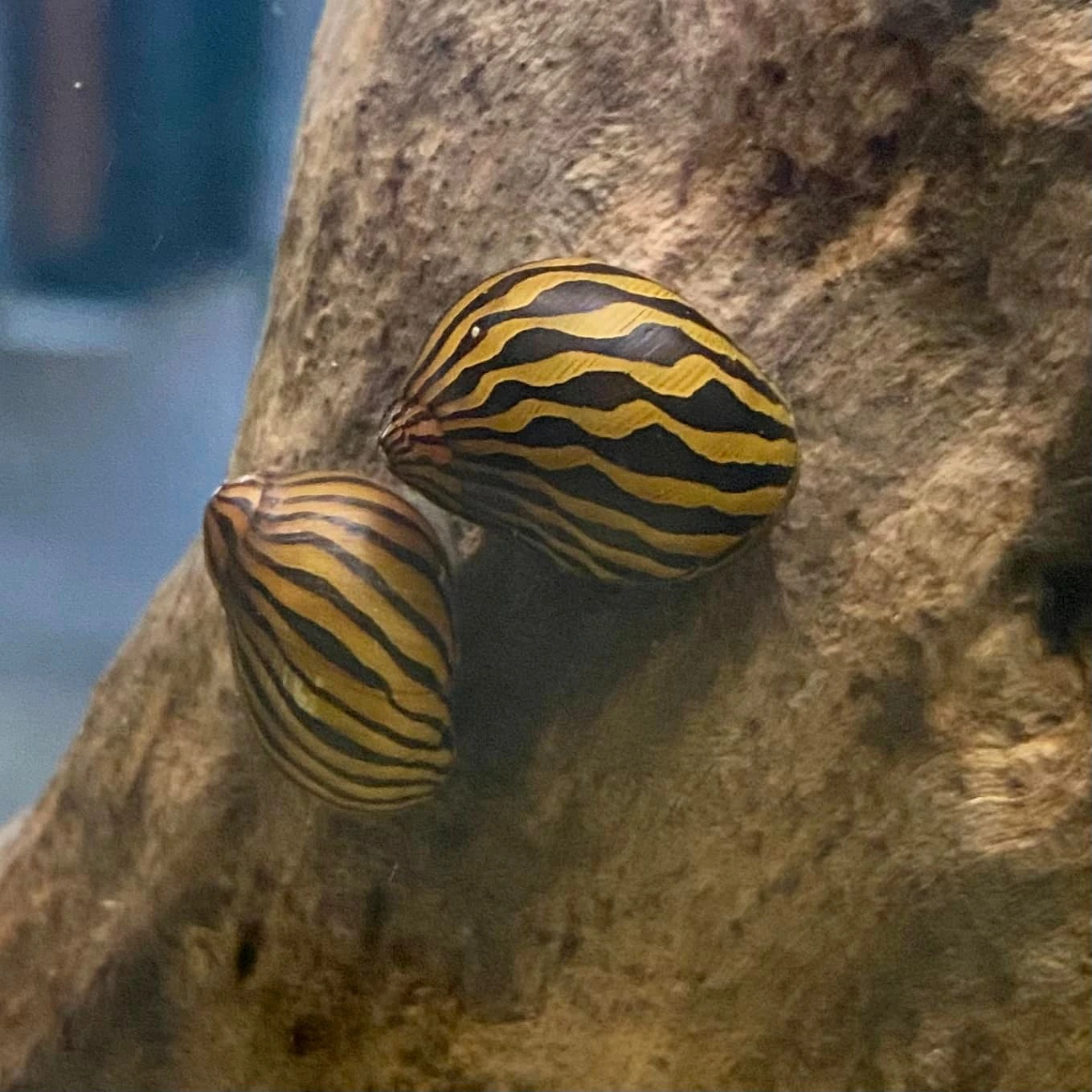
Soft green film on glass and leaves is what otos, nerites and amanos eat. Brown diatoms on a new tank vanish under otos and nerites within days. Green spot algae on glass needs a scraper or a nerite. Green hair and thread algae are amano shrimp and bristlenose territory. Black beard algae is not really eaten by anything reliably — it needs CO2, flow and light fixed. Match the crew to the problem instead of hoping.
Algae eaters still need feeding
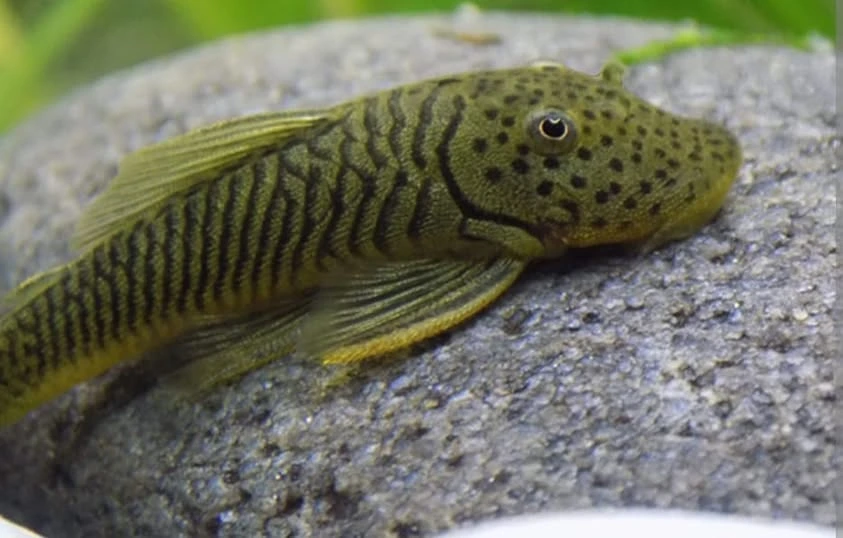
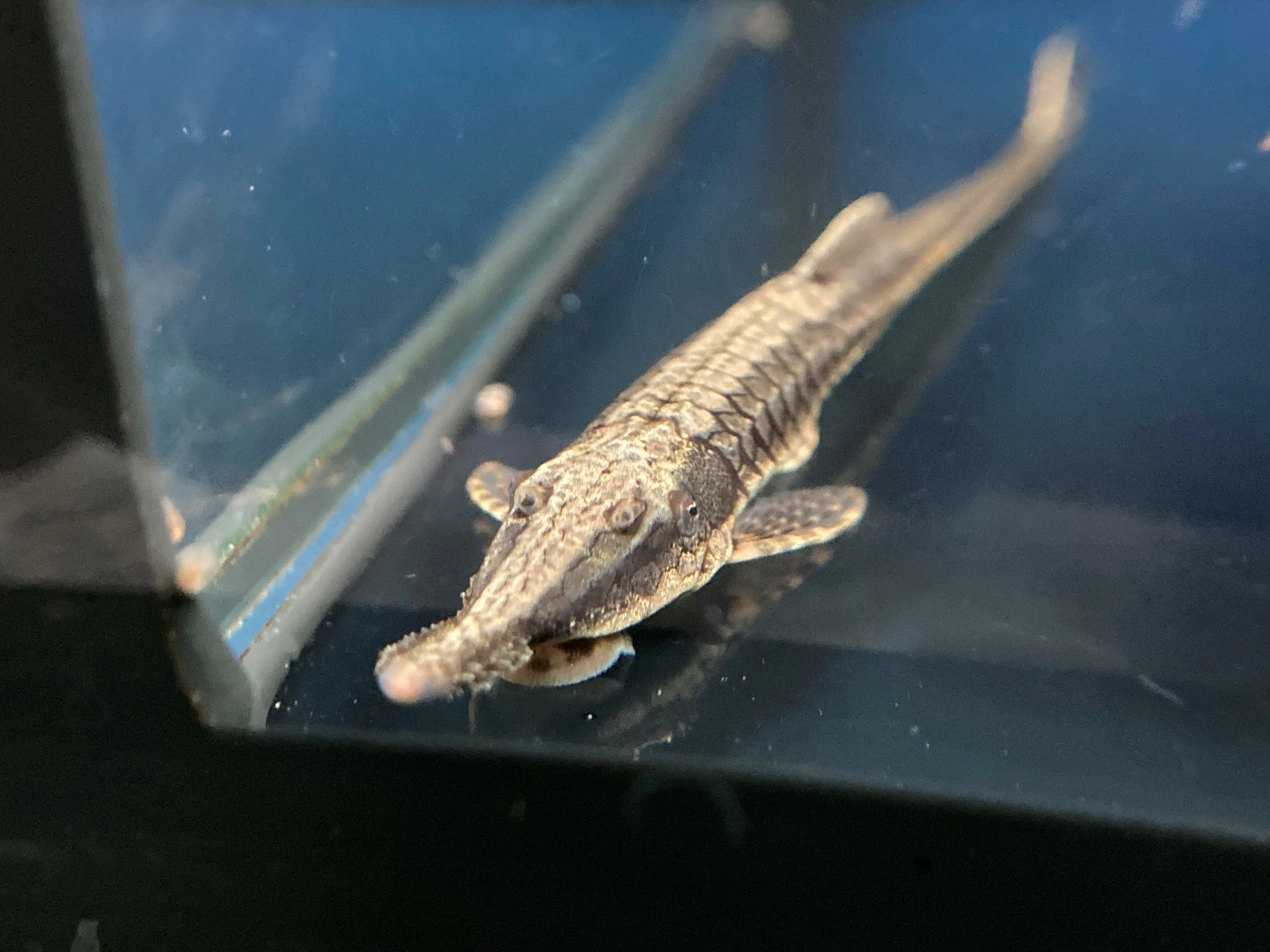
The single biggest cause of algae-eater deaths is expecting them to survive on tank algae alone. A mature tank produces enough biofilm for a small oto or nerite group, but bristlenose, twig cats, rubber lip plecos and amanos all need supplemental food — sinking algae wafers, blanched cucumber, zucchini and repashy. Feed once a day after lights-out and remove uneaten food within 12 hours.
Watch the bioload, not just the diet
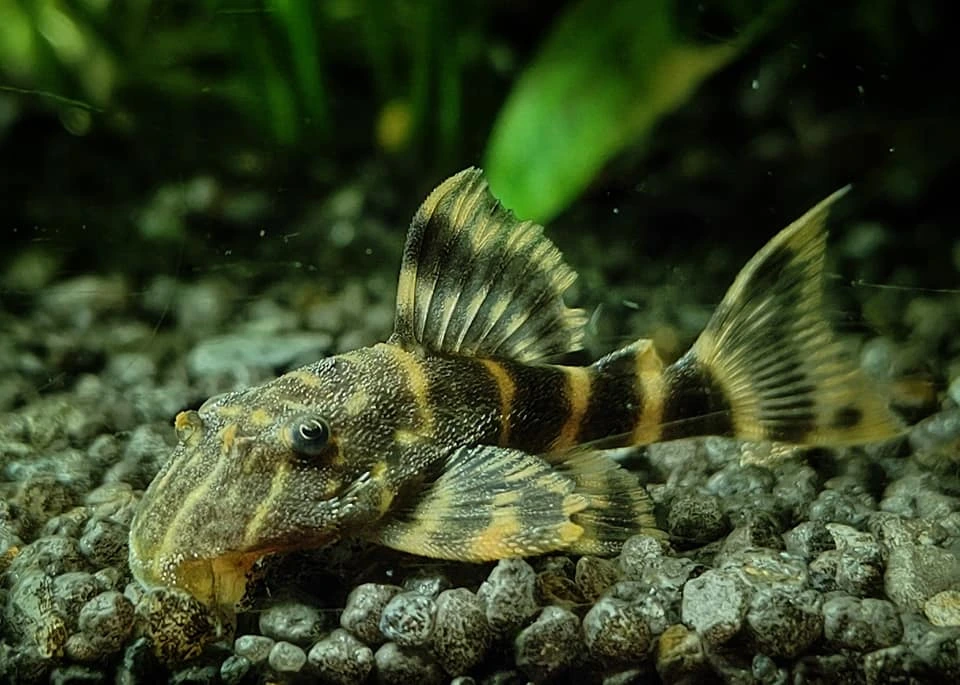
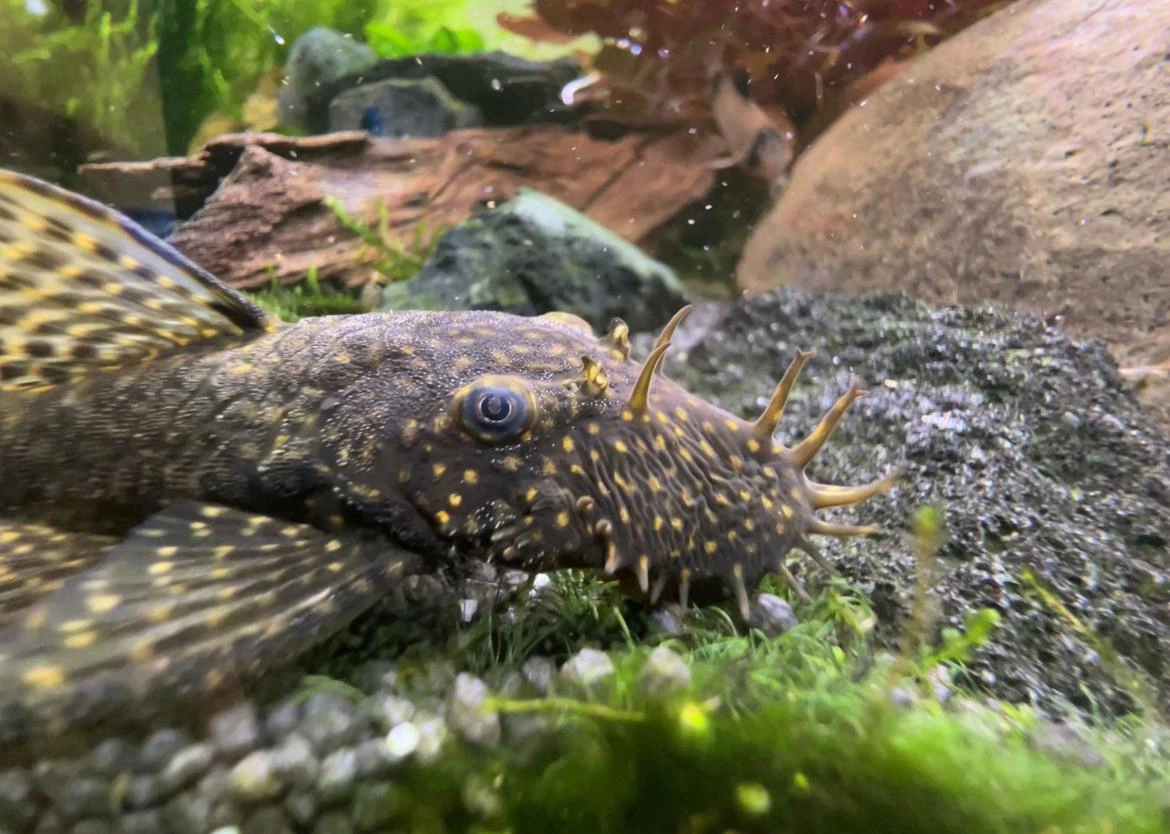
A common pleco eats algae for the first few months, then stops touching it and produces the bioload of ten neon tetras. Bristlenose stay under 12 cm and are the ONLY plecostomus that belongs in a standard community tank. Everything on this list is bioload-appropriate for the tank size in the min-tank column — don't add a full cleanup crew to a nano and expect it to compensate for skipped water changes.
Peaceful ≠ shrimp-safe or plant-safe
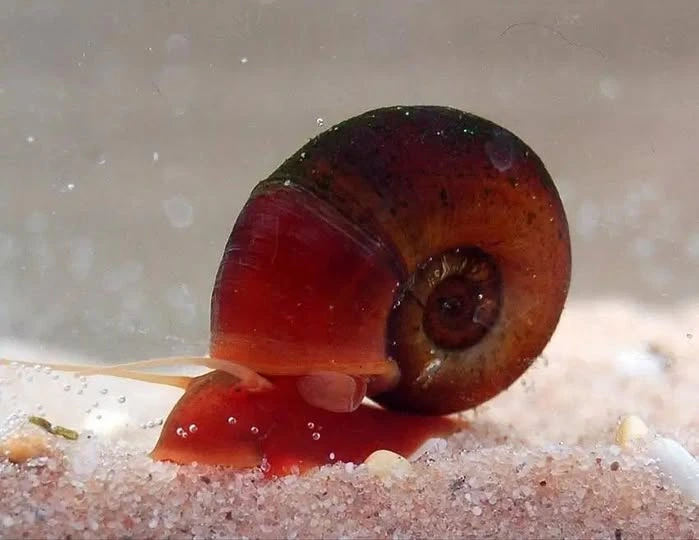
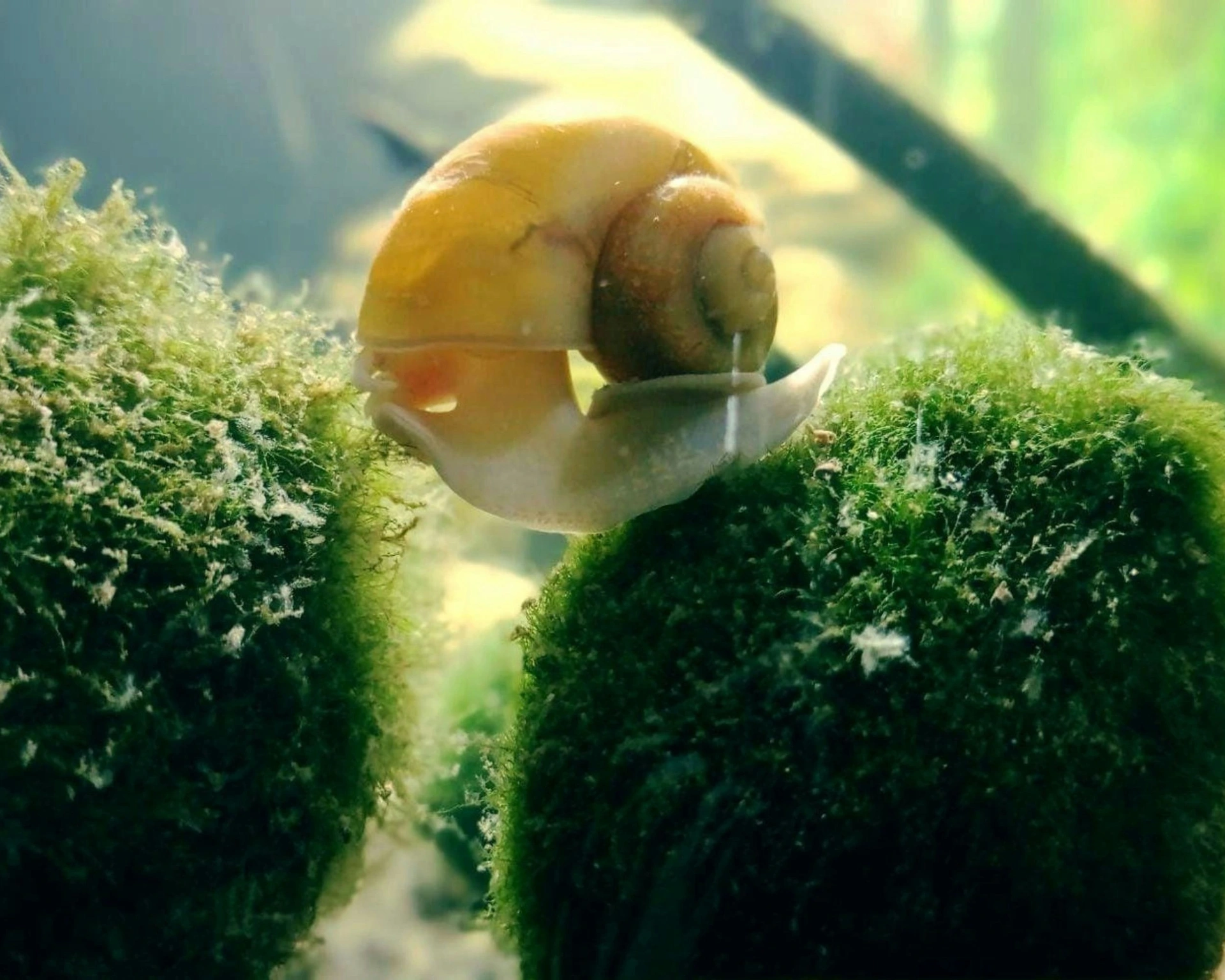
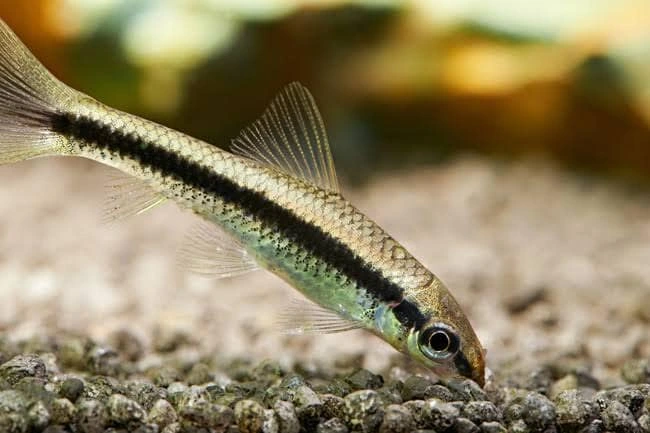
Nerite snails will lay hard white eggs everywhere but won't reproduce in freshwater — the eggs are cosmetic only. Mystery snails ignore healthy plants but will eat soft new growth if underfed. Amanos won't touch plants but will scavenge shrimp fry. Siamese algae eaters get territorial with age and shouldn't share a tank with slow, long-finned fish. Read each entry below before mixing.
Fix the light and nutrient balance too
No cleanup crew keeps up with 10-hour light periods, phosphate-rich fish food surplus and inconsistent water changes. Cut the photoperiod to 6–7 hours, reduce feedings, add live fast-growing plants (hornwort, floaters) to outcompete algae, and only then add an algae crew as maintenance rather than a rescue team.