Stocking Guide
    16 min read

    Best Fish for a 125 Gallon Tank

    34 species that reward you for going big — the tank size where "dream fish" become practical realities.

    A 125-gallon represents the threshold where serious fishkeeping begins. Six feet of swimming length. Nearly 500 liters of water volume. The stability to keep demanding species without walking a tightrope. Fish that were "technically possible" in smaller tanks now have room to behave naturally, breed successfully, and live out their full lifespans. Oscar pairs work here. Clown loaches have a permanent home. Bala sharks can finally school properly. This guide covers 34 species that justify the investment — along with honest assessments of what still doesn't fit, even at this size.

    Schooling Fish

    Six feet of tank length transforms schooling behavior. Fast swimmers like giant danios and bala sharks can build genuine momentum. Large schools create wall-to-wall movement that smaller tanks simply cannot replicate. This is where you stop counting fish and start appreciating the collective effect.

    Bala shark swimming at the bottom of an aquarium, looking for food
    Moderate

    Bala Shark

    Balantiocheilos melanopterus

    Finally appropriate — these active schoolers need every inch of a 6-foot tank to thrive.

    14"School: 5-672-82°F
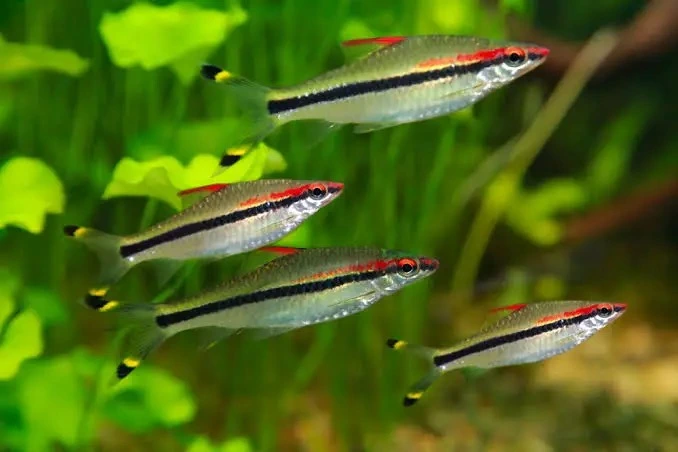
    A group of denison barbs swimming in an aquarium
    Moderate

    Denison Barb

    Sahyadria denisonii

    Torpedo-shaped rockets with a red racing stripe — mesmerizing in groups of 10+.

    5"School: 10+65-77°F
    Congo tetra swimming in an aquarium
    Moderate

    Congo Tetra

    Phenacogrammus interruptus

    Full-grown males with developed finnage need this space — anything smaller stunts them.

    3"School: 12-1575-82°F
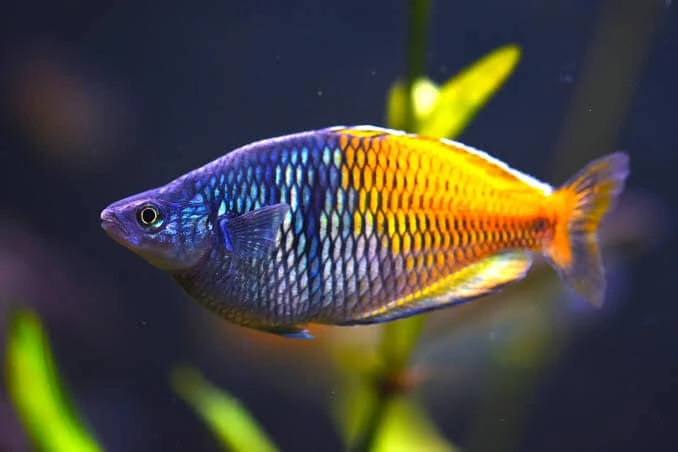
    Boesemani rainbow fish swimming in an aquarium slowly
    Moderate

    Boesemani Rainbowfish

    Melanotaenia boesemani

    A school of 15 creates a living gradient of blue and orange across the tank.

    4"School: 12-1575-86°F
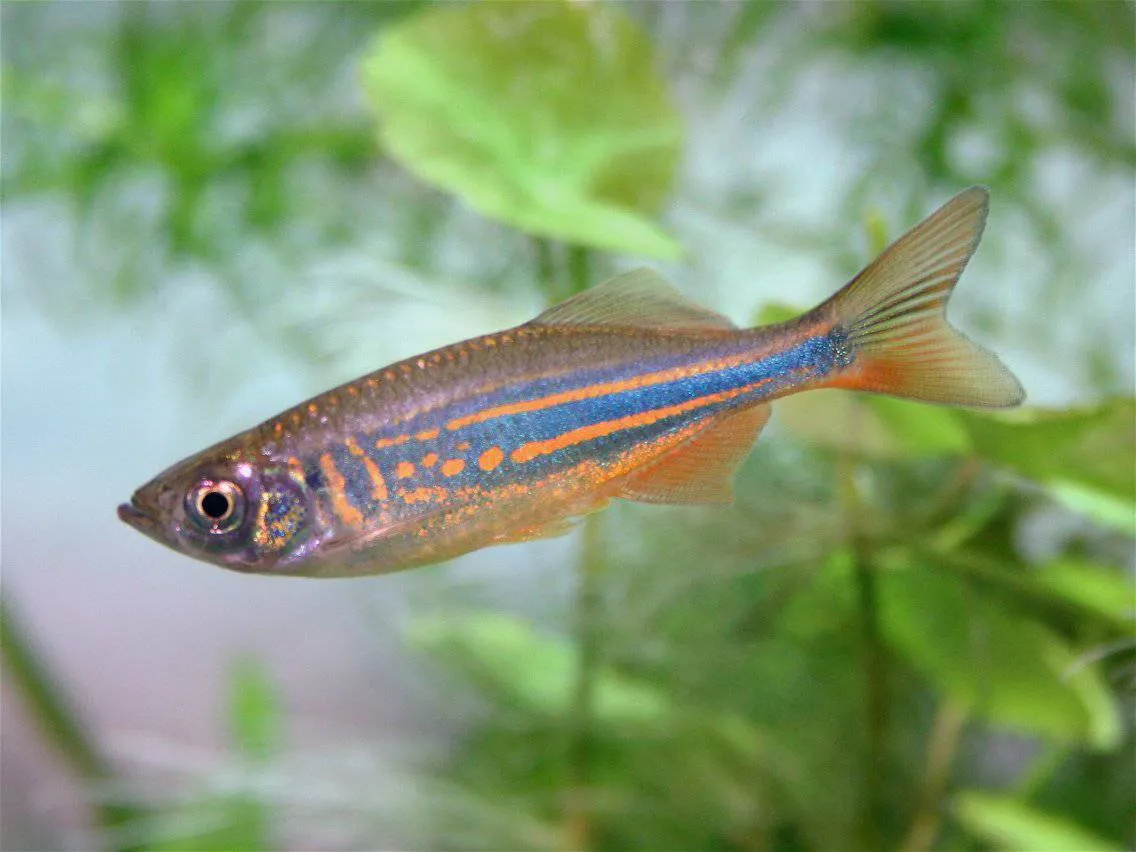
    A single giant danio swimming in an aquarium
    Easy

    Giant Danio

    Devario aequipinnatus

    Tireless sprinters that use every foot of horizontal space — secure that lid.

    4"School: 10-1272-81°F
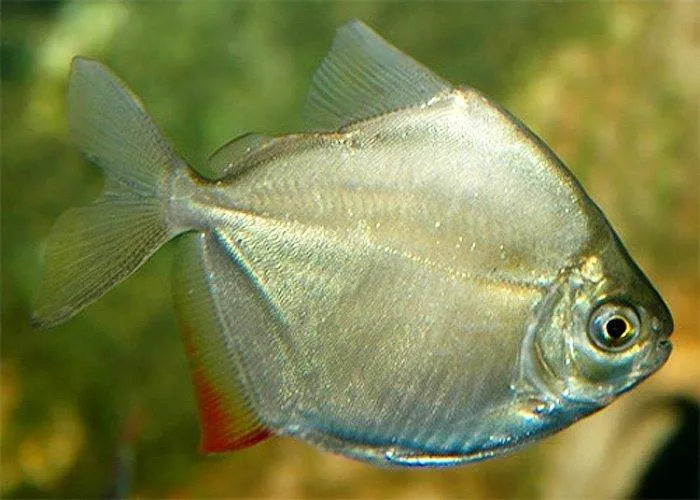
    Silver dollar fish swimming in an aquarium
    Easy

    Silver Dollar

    Metynnis argenteus

    Peaceful vegetarians that school beautifully — keep 6+ and protect your plants.

    6"School: 6+75-82°F
    Buenos Aires tetra swimming at the bottom of an aquarium
    Easy

    Buenos Aires Tetra

    Hyphessobrycon anisitsi

    Robust enough to hold their own with semi-aggressive tankmates — plant destroyers though.

    3"School: 10-1264-82°F
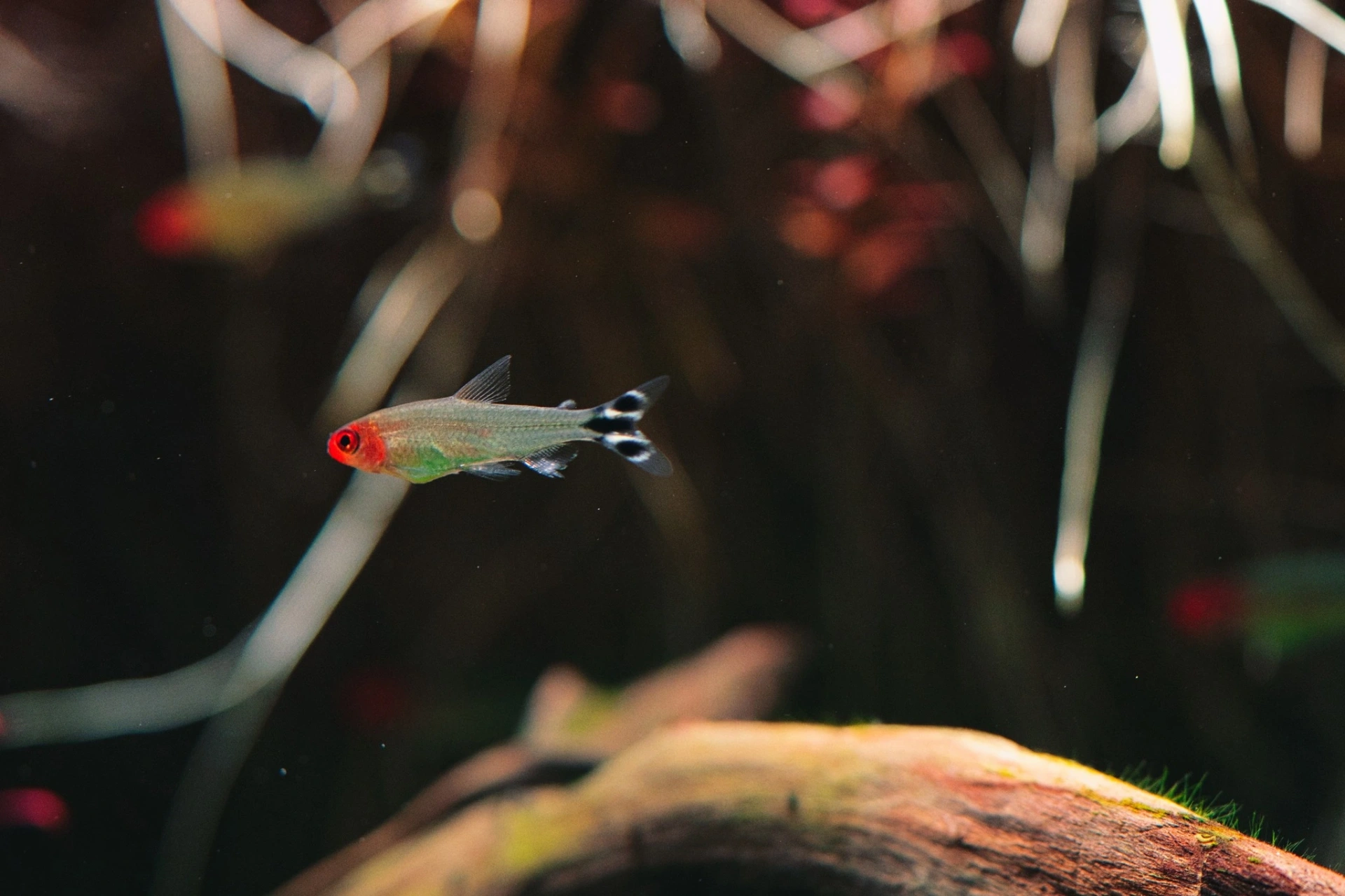
    Rummy nose tetra swimming in an aquarium
    Easy

    Rummy-Nose Tetra

    Hemigrammus rhodostomus

    A school of 25+ creates one of the hobby's most iconic displays — the synchronized swimming never gets old.

    2"School: 20-2572-82°F
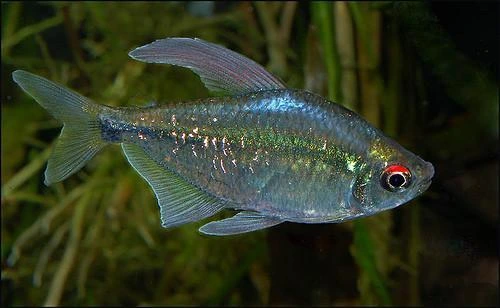
    A diamond tetra swimming at the bottom of an aquarium
    Easy

    Diamond Tetra

    Moenkhausia pittieri

    Reflective scales catch light from every angle — criminally underrated in large schools.

    2.5"School: 12-1572-82°F
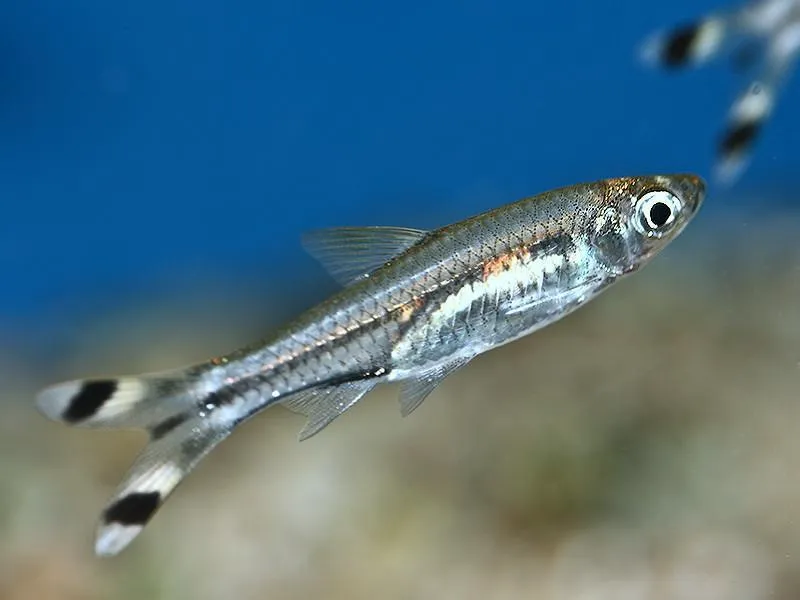
    Scissortail rasbora swimming in an aquarium
    Easy

    Scissortail Rasbora

    Rasbora trilineata

    The flicking tail motion creates a hypnotic rhythm when 20 fish move together.

    3.5"School: 12-1573-78°F

    Centerpiece Fish

    This is the tank size where dream fish become daily reality. Oscar pairs without constant warfare. Discus groups with room to establish hierarchy. Cichlids that would terrorize smaller setups becoming manageable community members. The 125 delivers on promises smaller tanks can only hint at.

    Black and orange oscar swimming in an aquarium
    Moderate

    Oscar

    Astronotus ocellatus

    A bonded pair finally works here — watching their interactions rivals keeping a pet dog.

    14"School: 1 pair74-81°F
    Blue discus swimming in an aquarium
    Advanced

    Discus

    Symphysodon spp.

    A proper group of 8 establishes natural hierarchy without the stress of cramped quarters.

    6"School: 6-882-88°F
    Yellow severum swimming in an aquarium
    Moderate

    Severum

    Heros severus

    Keep multiple pairs — the extra space lets subordinate fish escape without injury.

    8"School: 2 pairs75-84°F
    Orange blood parrot cichlid swimming in an aquarium
    Moderate

    Blood Parrot Cichlid

    Hybrid

    A group of 5-6 creates entertaining social dynamics — their personalities really emerge here.

    8"School: 5-676-80°F
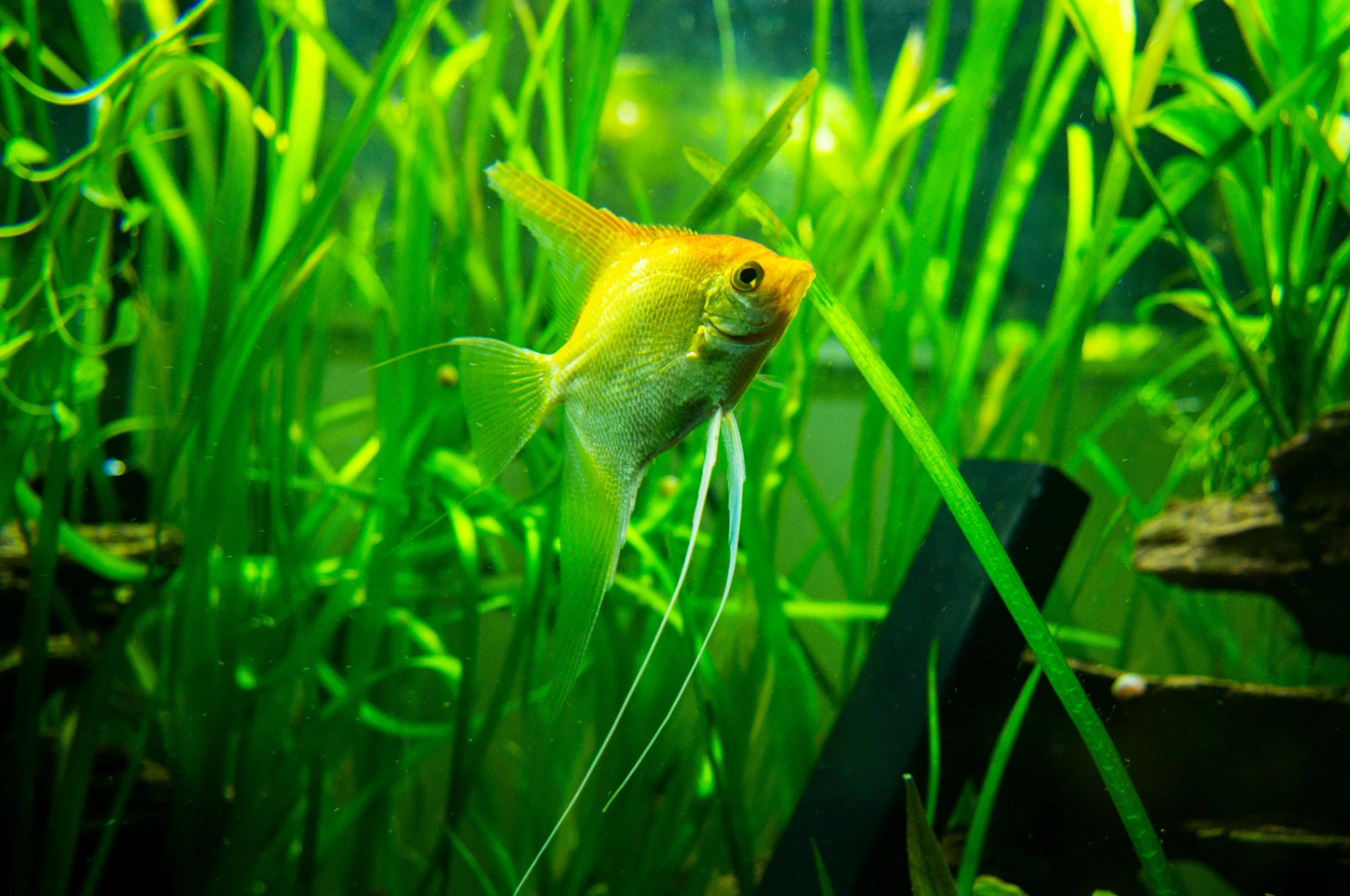
    Yellow Angelfish swimming near the surface among aquatic plants
    Moderate

    Angelfish

    Pterophyllum scalare

    Room for 8+ means natural pair formation without culling — let them sort themselves out.

    6"School: 6-876-84°F
    Firemouth cichlid swimming near aquarium driftwood
    Easy

    Firemouth Cichlid

    Thorichthys meeki

    Multiple pairs can coexist — the throat-flaring displays become entertainment rather than crisis.

    6"School: 2 pairs75-86°F
    Electric blue acara swimming near aquarium plants
    Moderate

    Electric Blue Acara

    Andinoacara pulcher

    One of few cichlids peaceful enough for community life even when breeding.

    6"School: 1 pair72-82°F
    Jack Dempsey cichlid swimming in an aquarium
    Moderate

    Jack Dempsey

    Rocio octofasciata

    Finally enough space for this classic American cichlid — still aggressive but manageable solo.

    10"School: 172-86°F
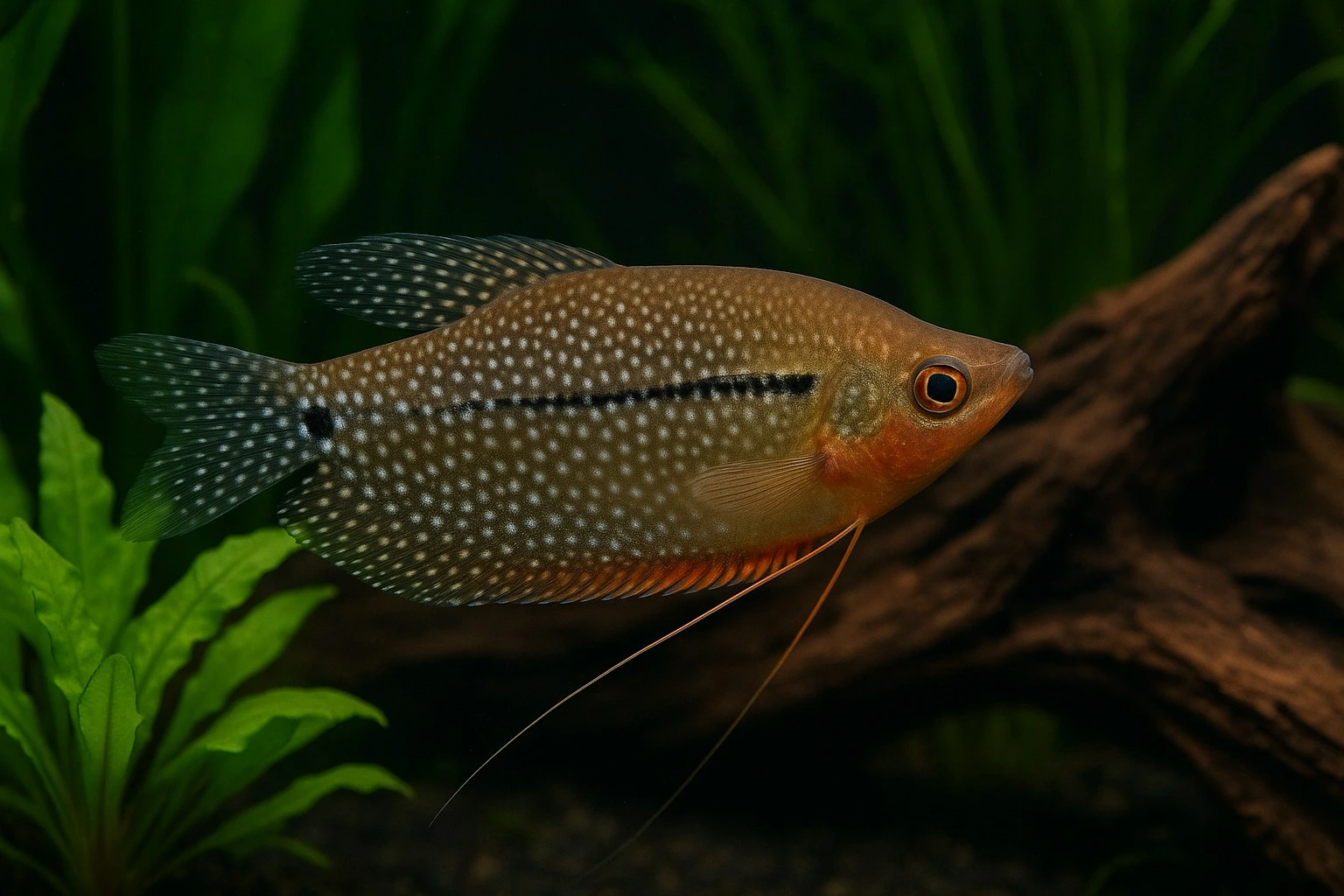
    Pearl Gourami swimming in the middle of an aquarium
    Easy

    Pearl Gourami

    Trichopodus leerii

    Keep a harem — one male with multiple females eliminates the squabbling of male pairs.

    4.5"School: 3-477-82°F
    Keyhole cichlid swimming in an aquarium
    Easy

    Keyhole Cichlid

    Cleithracara maronii

    Among the most peaceful cichlids — perfect for communities where aggression must stay minimal.

    4"School: 2-372-82°F

    Bottom Dwellers

    The 6-foot footprint creates a substrate landscape worth populating. Clown loaches finally have a forever home. Catfish species that outgrow smaller tanks become permanent residents. Build a proper bottom-dwelling community instead of token cleanup crew.
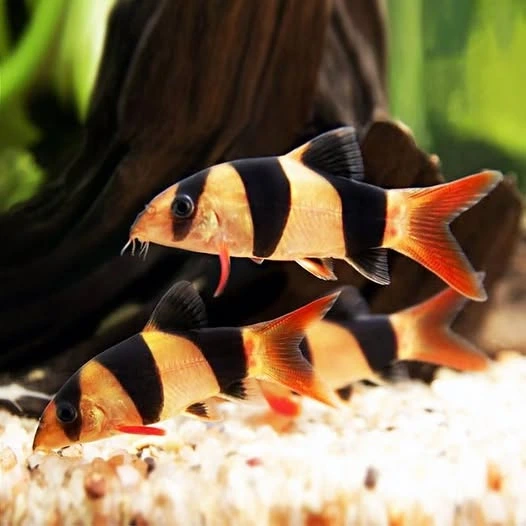
    Two Clown Loaches swimming at the bottom of an aquarium
    Moderate

    Clown Loach

    Chromobotia macracanthus

    This is their permanent address — keep 5+ and watch them pile into sleeping heaps.

    12"School: 5+77-86°F
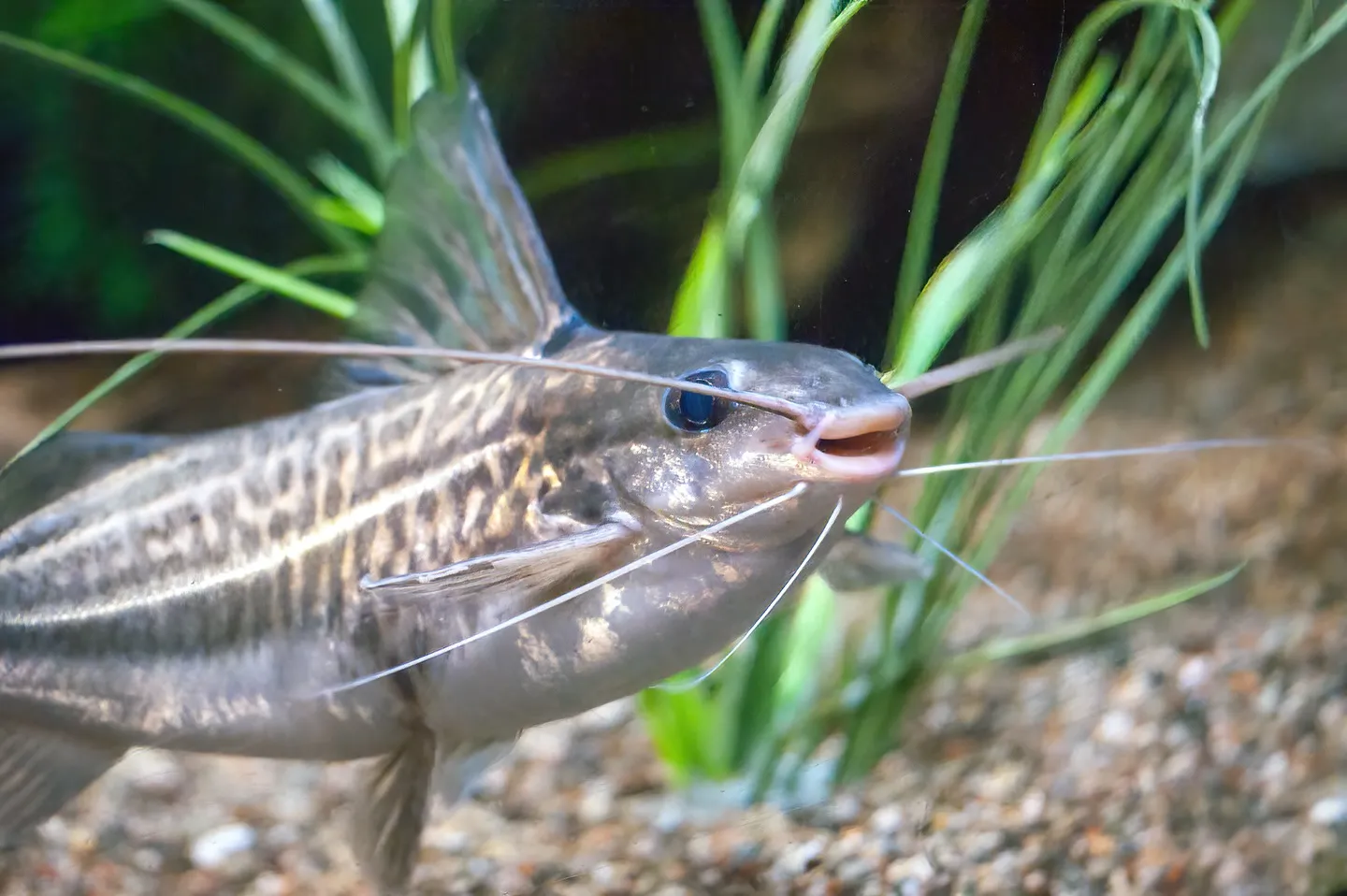
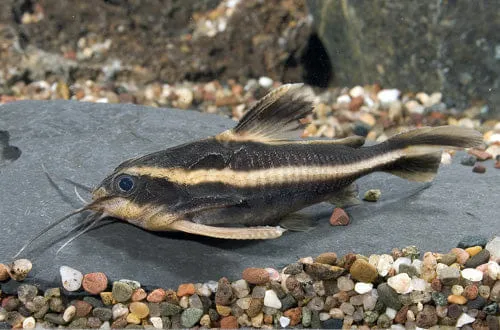
    Striped raphael catfish laying on a rock in an aquarium
    Easy

    Striped Raphael Catfish

    Platydoras armatulus

    Armored tanks that live 20+ years — nocturnal but surprisingly active once comfortable.

    8"School: 1-275-86°F
    Pictus catfish slowly swimming in an aquarium
    Moderate

    Pictus Catfish

    Pimelodus pictus

    Keep a shoal of 5 — they become bold, active, and visible during daylight hours.

    5"School: 575-81°F
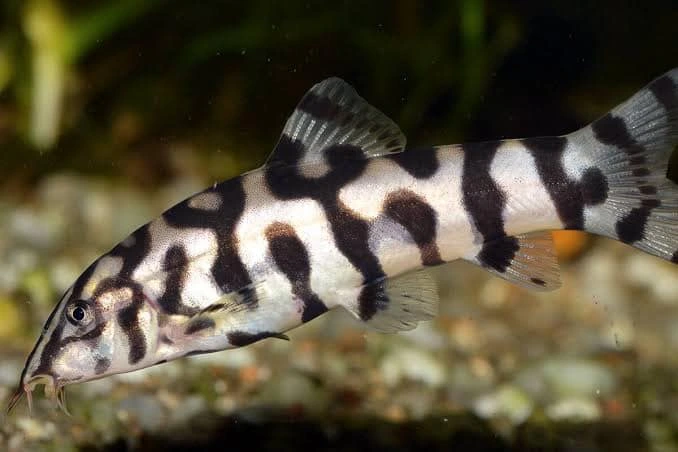
    Yoyo loach swimming in an aquarium
    Moderate

    Yoyo Loach

    Botia almorhae

    Snail-eating machines with genuine personality — their antics provide daily entertainment.

    5"School: 675-86°F
    Two weather loaches laying at the bottom of an aquarium
    Easy

    Weather Loach

    Misgurnus anguillicaudatus

    Becomes increasingly active before storms — a living barometer with a friendly disposition.

    8"School: 2-350-77°F
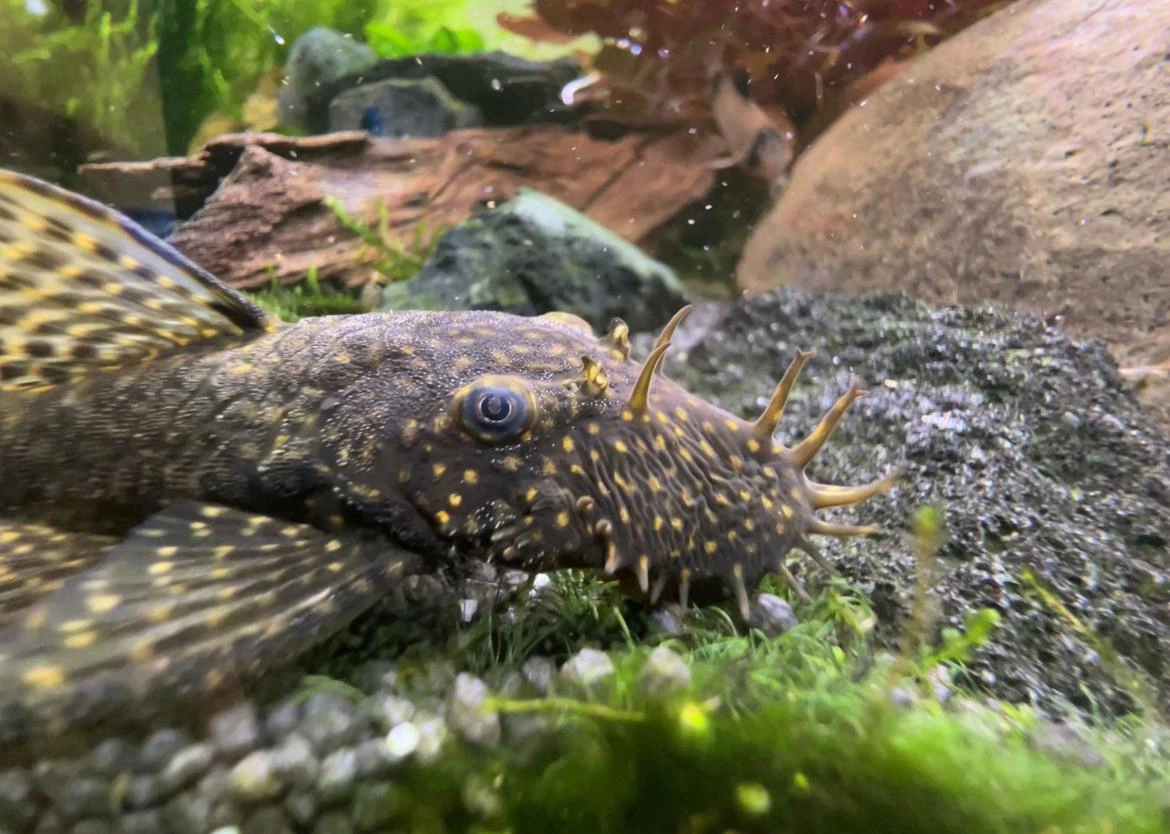
    Bristlenose pleco laying at the bottom of an aquarium
    Easy

    Bristlenose Pleco

    Ancistrus sp.

    Keep several — they divide territory peacefully and tackle algae from multiple fronts.

    5"School: 2-373-81°F
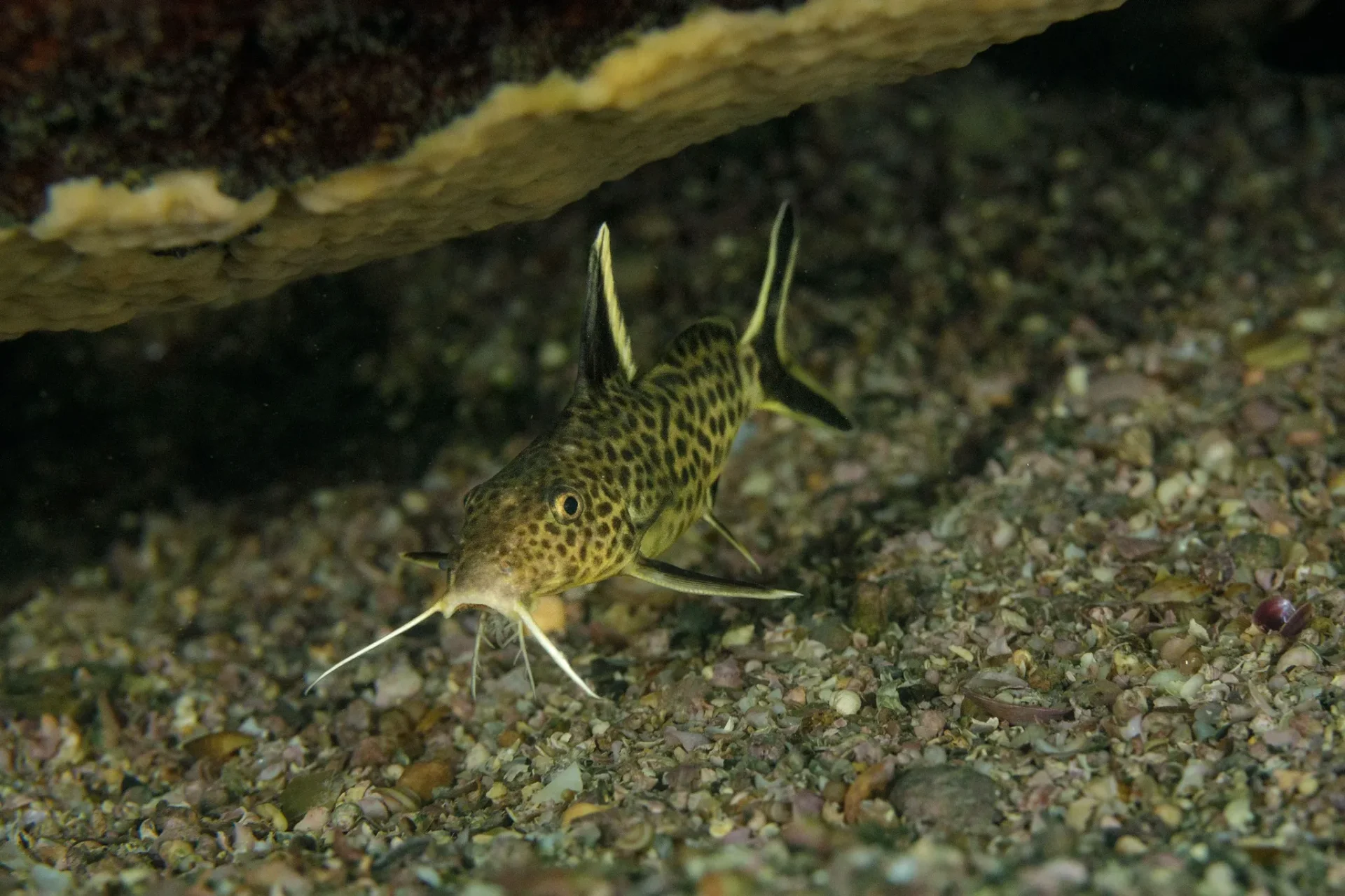
    Synodontis petricola swimming near aquarium substrate
    Moderate

    Synodontis Petricola

    Synodontis petricola

    Spotted squeakers that thrive in groups — more active and visible than many catfish.

    4"School: 4-675-82°F
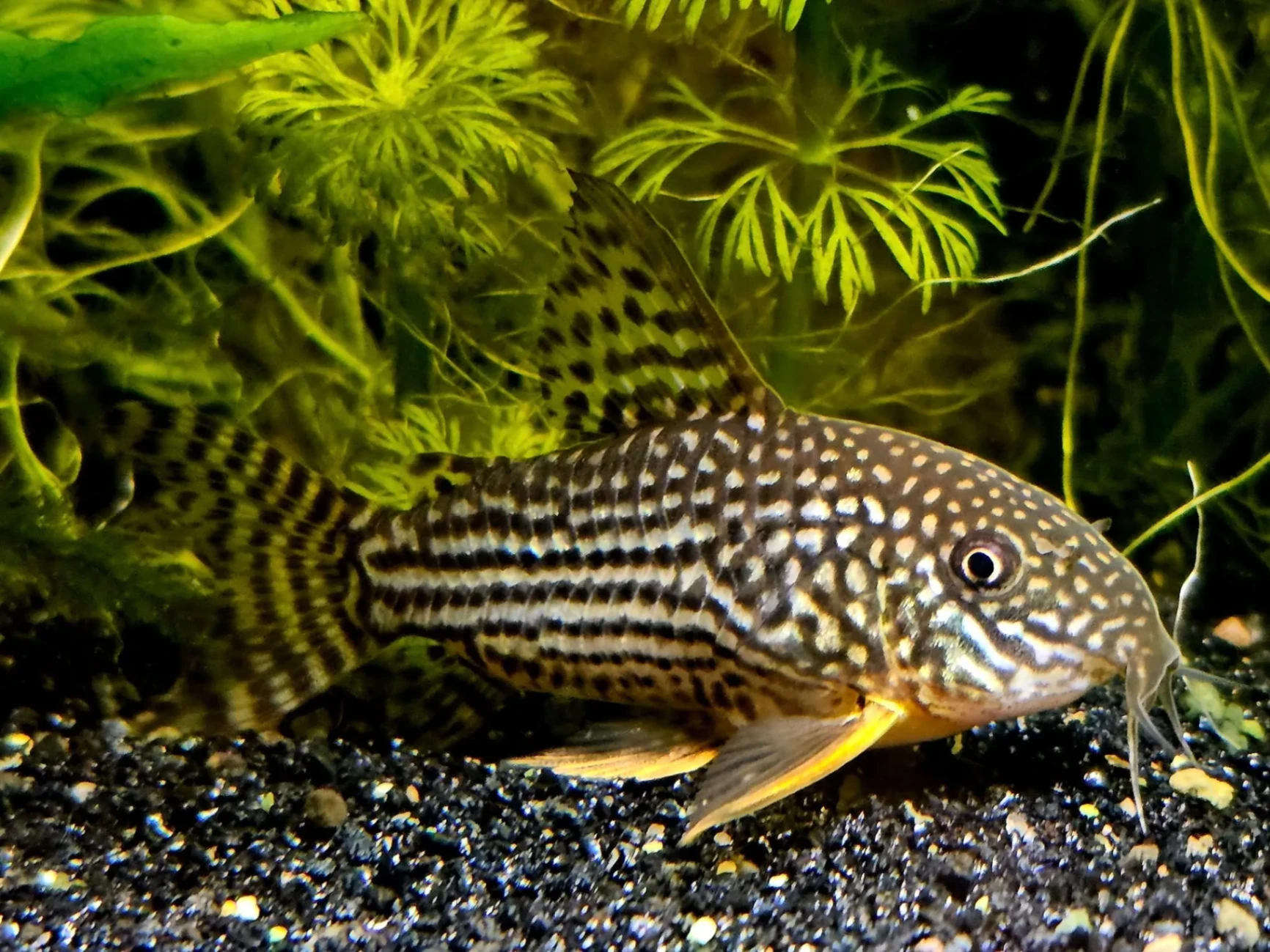
    Corydoras sterbai laying at the bottom of an aquarium near aquatic plants
    Easy

    Corydoras Sterbai

    Corydoras sterbai

    Handles warm water for discus tanks — keep 12+ for constant substrate activity.

    2.5"School: 12+75-82°F

    Livebearers

    At 125 gallons, livebearer colonies become self-sustaining ecosystems. Natural predation controls population. Multiple generations coexist. What starts as a handful of fish becomes a dynamic, ever-changing community.

    Red swordtail swimming in an aquarium
    Easy

    Swordtail

    Xiphophorus hellerii

    Males develop dramatic tail extensions — multiple males coexist without constant chasing.

    5"School: 8-1072-82°F
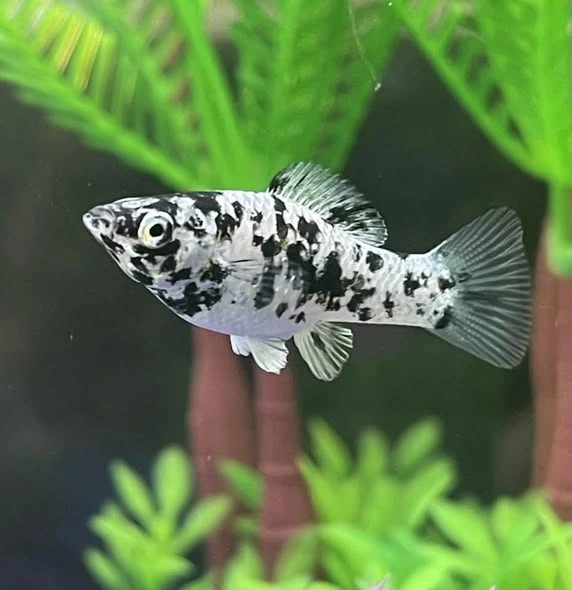
    White large molly with black spots swimming near aquarium plants
    Easy

    Molly

    Poecilia sphenops

    Sailfin varieties reach their genetic potential — the full display is worth the hard water.

    4"School: 8-1072-82°F
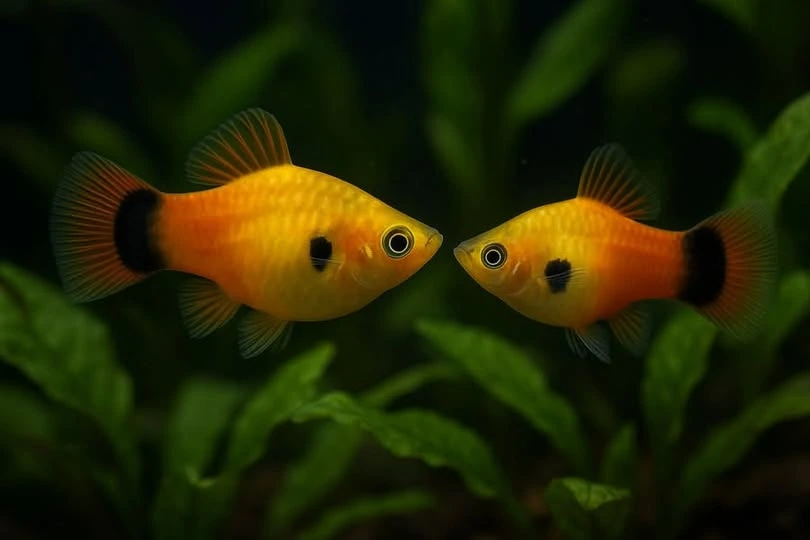
    Two orange platies swimming in aquarium plants
    Easy

    Platy

    Xiphophorus maculatus

    Population explosions get absorbed by larger tankmates — self-regulating color in motion.

    2.5"School: 10-1270-80°F
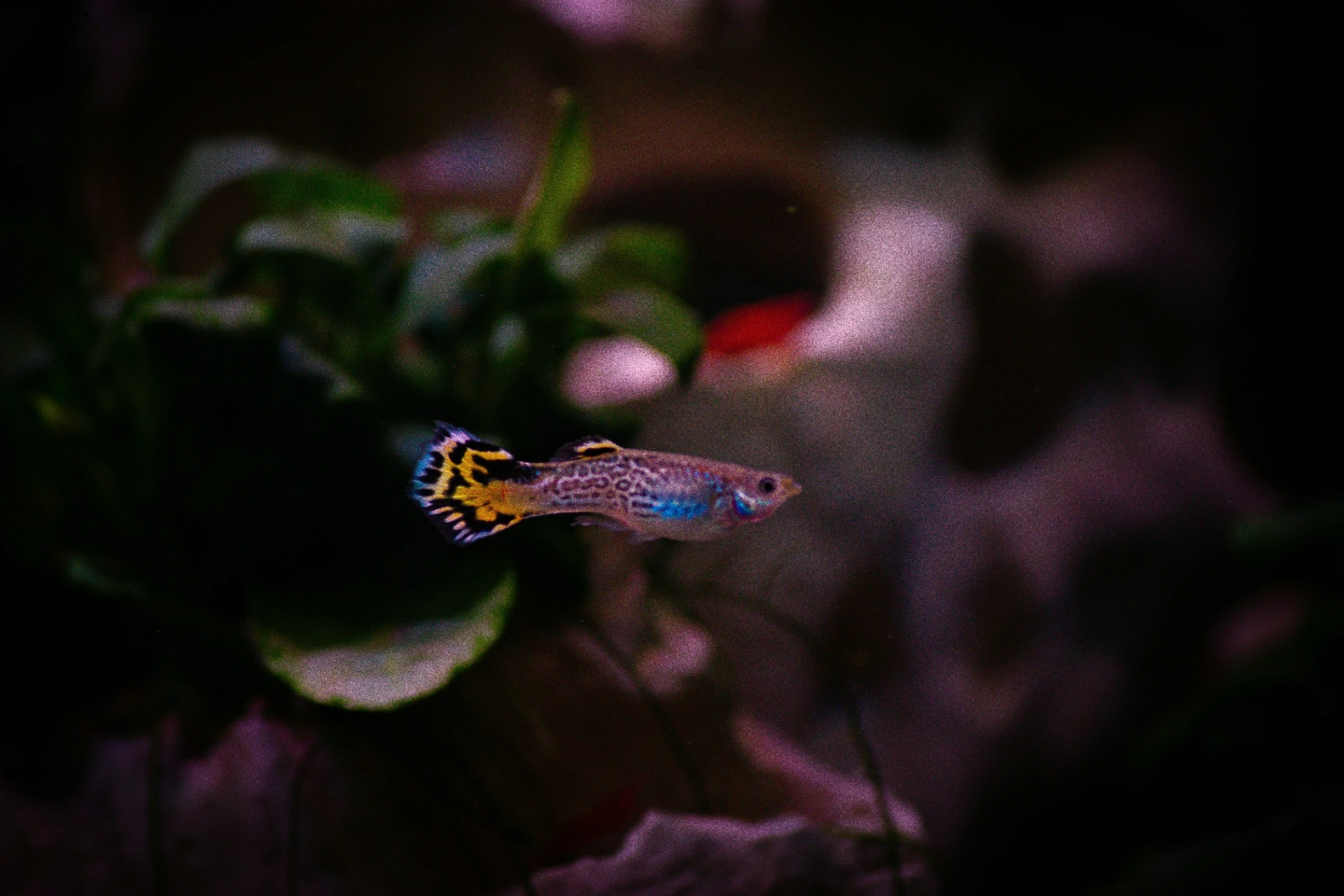
    Yellow female tiger guppy fish swimming in aquarium
    Easy

    Guppy

    Poecilia reticulata

    Fancy varieties add flickering color throughout the water column — prolific but manageable here.

    2"School: 15-2072-82°F

    Invertebrates

    Large tanks support large invertebrate populations and larger species. Filter feeders have adequate food supply. Snail crews tackle increased algae without making a dent in bioload. Consider them essential infrastructure.
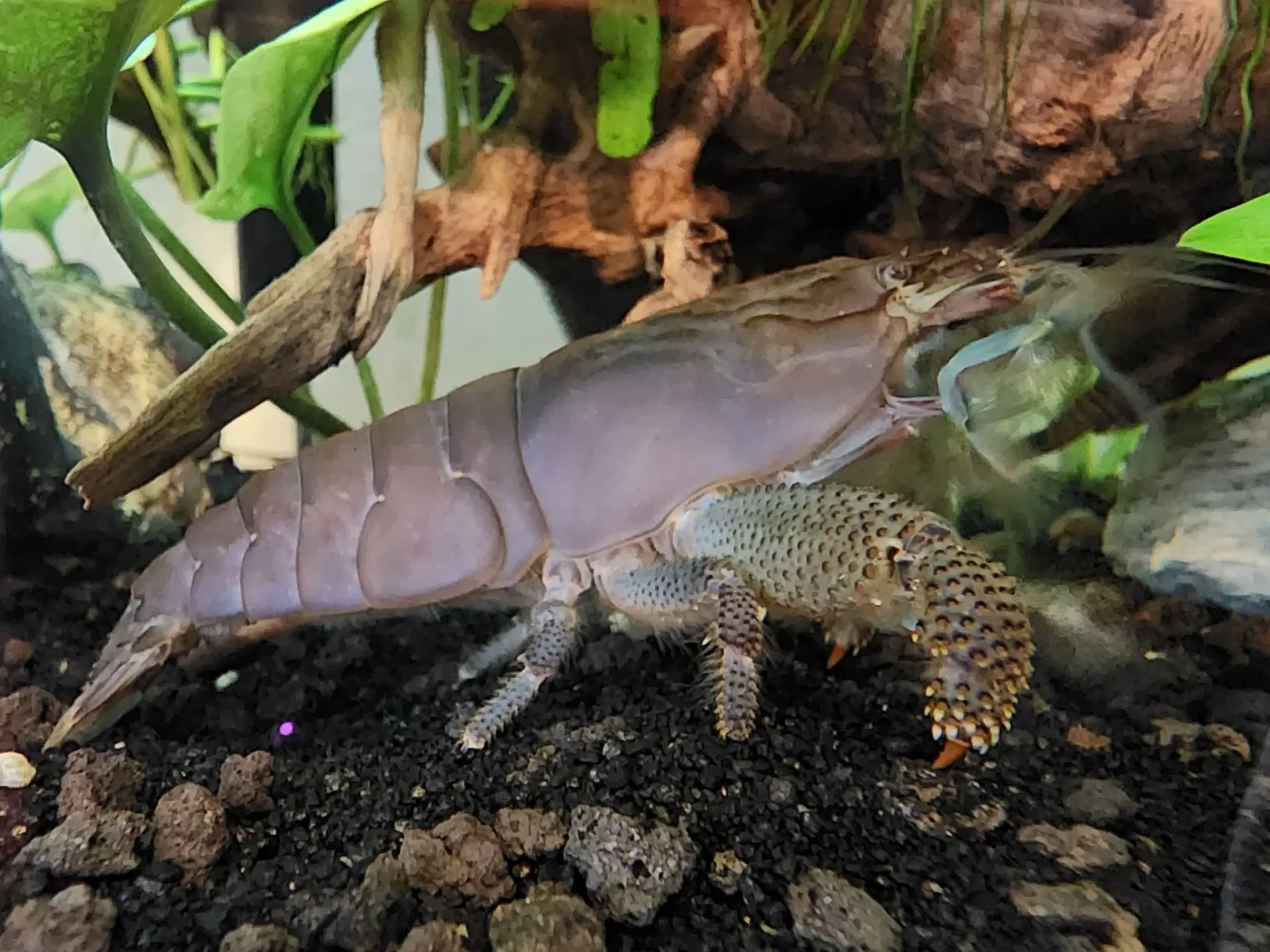
    Vampire shrimp eating algae at the bottom of an aquarium
    Moderate

    Vampire Shrimp

    Atya gabonensis

    Impressive size and peaceful nature — multiple specimens can stake out different current zones.

    5"School: 2-374-84°F
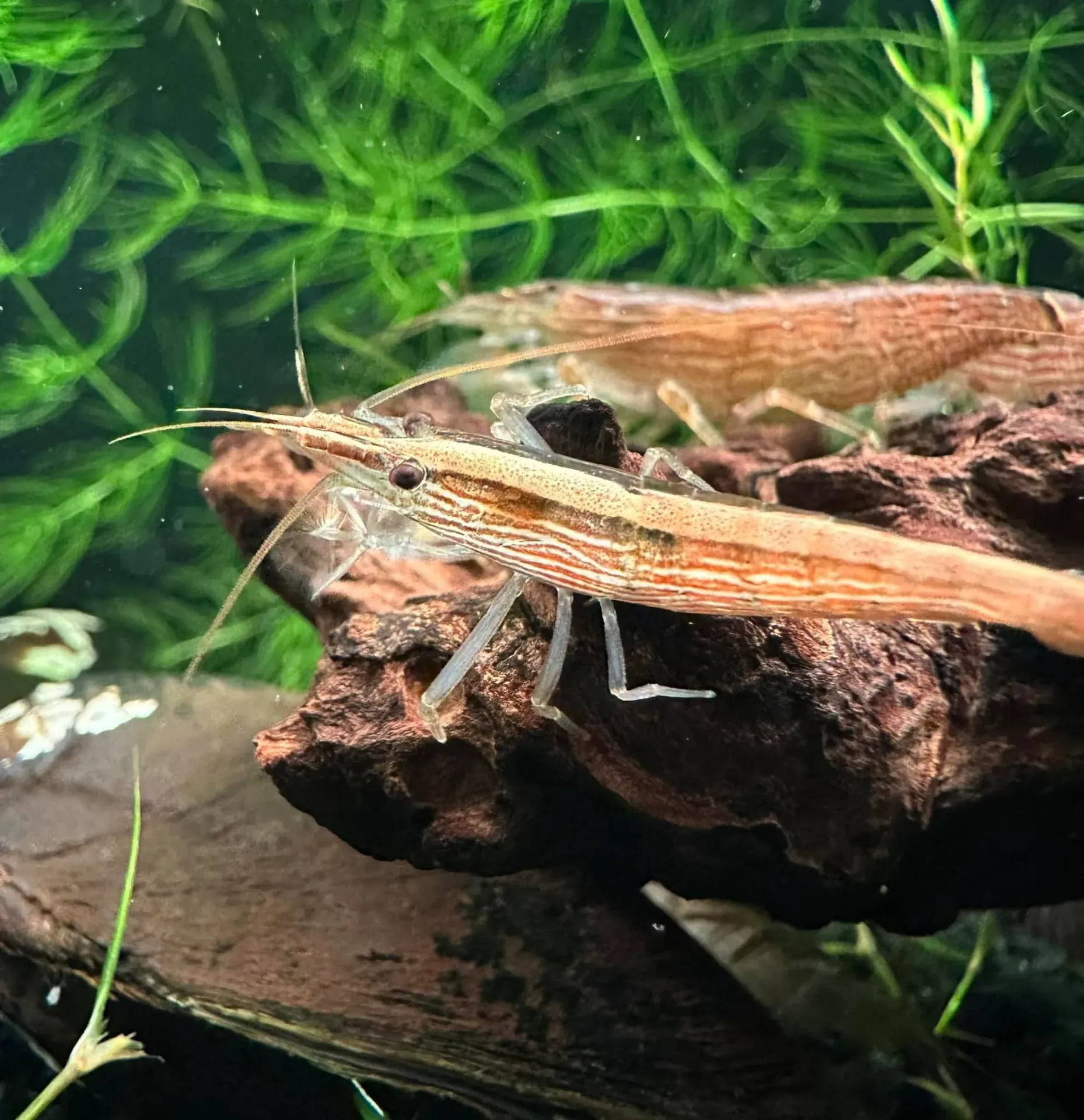
    A group of bamboo shrimp standing on aquarium driftwood
    Moderate

    Bamboo Shrimp

    Atyopsis moluccensis

    Position powerheads strategically and watch them fan food from the flow all day.

    3"School: 3-475-82°F
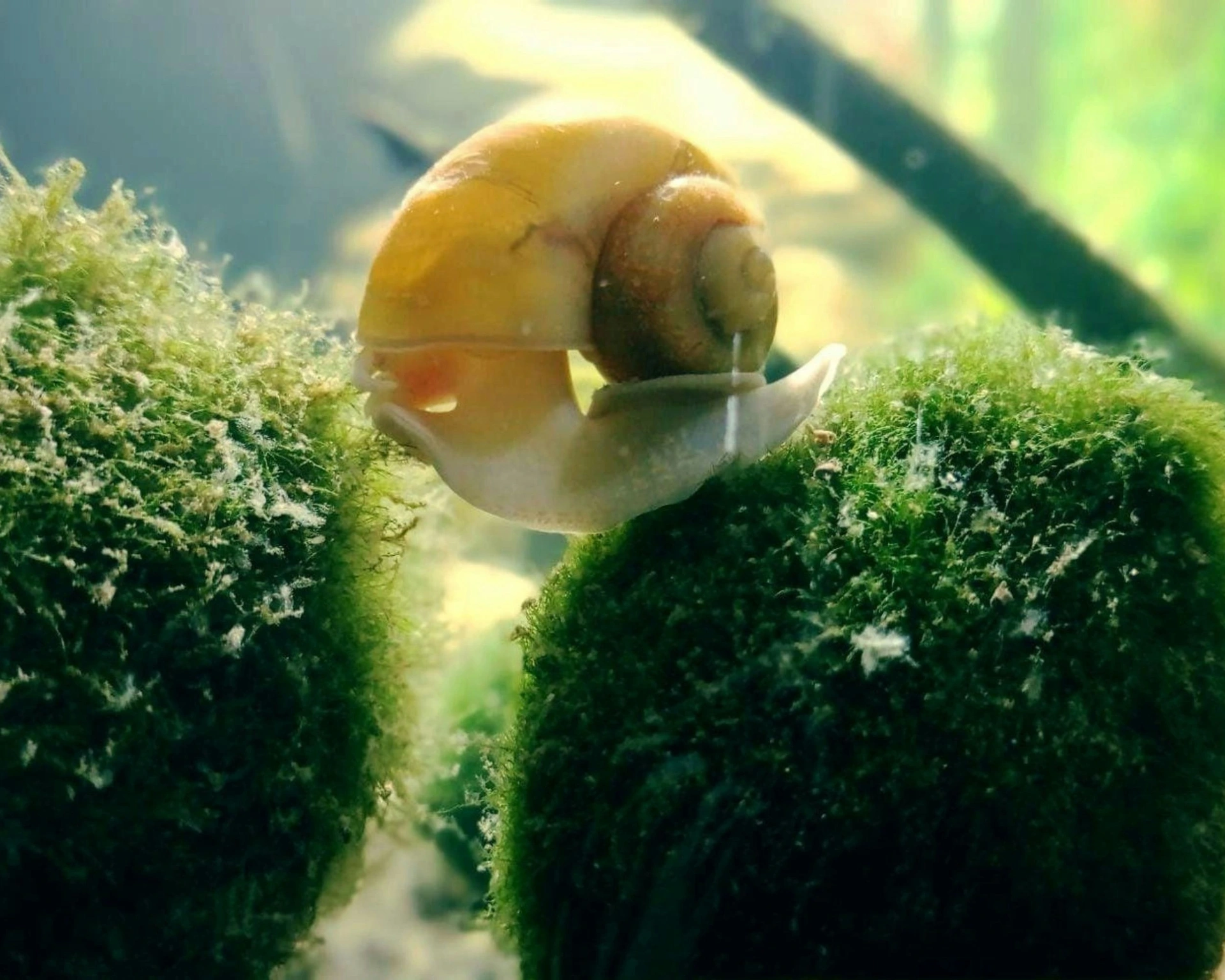
    A yellow mystery snail walking on a marimo moss ball in an aquarium
    Easy

    Mystery Snail

    Pomacea bridgesii

    A crew of 6-8 handles cleanup duty beautifully — eggs above waterline make population control easy.

    2"School: 6-868-82°F
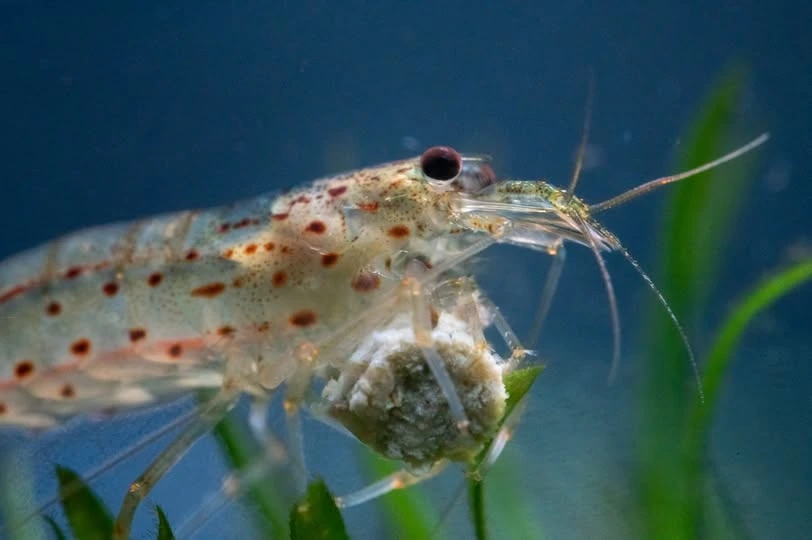
    Amano shrimp eating a piece of algae wafer at the bottom of an aquarium
    Easy

    Amano Shrimp

    Caridina multidentata

    An army of 20 provides serious algae control — large enough to avoid most predation.

    2"School: 15-2070-80°F

    Stocking Combinations That Work

    A 125-gallon rewards ambitious combinations. These setups leverage the space to keep fish that simply wouldn't coexist at smaller scales — proven configurations from experienced keepers.

    Oscar Power Couple

    Intermediate

    1 pair Oscar + 6 Silver Dollars + 1 Striped Raphael Catfish + 1 Bristlenose Pleco

    Oscars bond for life when it works. Silver dollars are fast enough to avoid trouble and too large to eat. Heavy filtration mandatory.

    Discus Dream

    Advanced

    8 Discus + 20 Rummy-Nose Tetras + 12 Corydoras Sterbai + 8 Amano Shrimp

    84-86°F, RO water, 50% weekly changes. The holy grail of freshwater — demanding but spectacular.

    New World Cichlid Community

    Intermediate

    1 Jack Dempsey + 1 pair Severum + 1 pair Firemouth Cichlid + 8 Giant Danios + 2 Bristlenose Plecos

    Line-of-sight breaks with driftwood and rocks. Danios keep cichlids from fixating. Watch for pair formation.

    Schooling Spectacular

    Intermediate

    6 Bala Sharks + 10 Denison Barbs + 15 Congo Tetras + 6 Clown Loaches

    Maximum movement — the tank becomes living art. Strong current, excellent oxygenation, secure lid.

    Fish to Avoid in a 125 Gallon Tank

    Even 125 gallons has hard limits. These species are sold to large tank owners but belong in significantly bigger setups — or aren't suitable for home aquariums at all.

    Common Pleco15"+

    Waste production overwhelms even large tanks.

    Arowana24"+

    Needs 250+ gallons and specialized lid design.

    Redtail Catfish48"+

    Grows to 4 feet within 2-3 years.

    Pacu30"+

    Requires pond-sized housing despite pet store claims.

    Iridescent Shark48"+

    Another pet store monster needing commercial tanks.

    Giant Gourami18"+

    Eats tankmates and needs 200+ gallons solo.

    Fahaka Puffer18"

    Extremely aggressive, bites through heaters.

    Ornate Bichir24"

    Needs more floor space than 125 provides.

    Multiple Oscar Pairs14" each

    Two pairs will fight endlessly regardless of space.

    Shovelnose Catfish24"+

    Grows too large and eats tankmates.

    How Many Fish Can You Keep?

    125 gallons
    473 liters
    72 × 18 inches
    footprint
    40-60 fish
    typical community

    Stocking a 125 ranges from "one oscar pair with cleanup crew" to "75 small tetras and corydoras" — species selection matters infinitely more than fish count. A discus group of 8 is fully stocked. A tetra community can number in the dozens. The key variables are bioload, territorial needs, and activity level — not arbitrary inch-per-gallon calculations. Run your planned combination through the calculator for species-specific guidance that accounts for real-world compatibility.

    Setup Tips for a 125 Gallon Tank

    🏠

    Location Matters

    Over 1,200 lbs filled — ground floor on slab is ideal. Perpendicular to floor joists if upper level. Get this wrong and you're moving a full tank later.

    🔌

    Dedicated Circuit

    Multiple heaters, canister filters, powerheads, and lights draw serious amperage. A dedicated 20-amp circuit prevents tripped breakers during peak draw.

    🧹

    Maintenance Access

    Leave 12+ inches on all sides. You'll need to reach the bottom, service equipment, and perform water changes regularly — cramped access becomes a maintenance nightmare.

    🌀

    Circulation Strategy

    Six feet creates dead spots without planning. Use powerheads or spray bars to ensure water moves through the entire tank — stagnant corners become problem zones.

    Ready to stock your 125 gallon?

    Check compatibility, bioload, and tank capacity for your exact setup.