
Care Requirements
Adult Size
4.7" (12cm)
Min Tank
55 gal
Temperature
72-79°F
pH Range
6-7.5
Lifespan
8-10 years
Min Group
3+ fish
Diet
Omnivore
Swim Level
Bottom
Bioload
4/10
Hardness
5-15 dGH
About Pictus Catfish
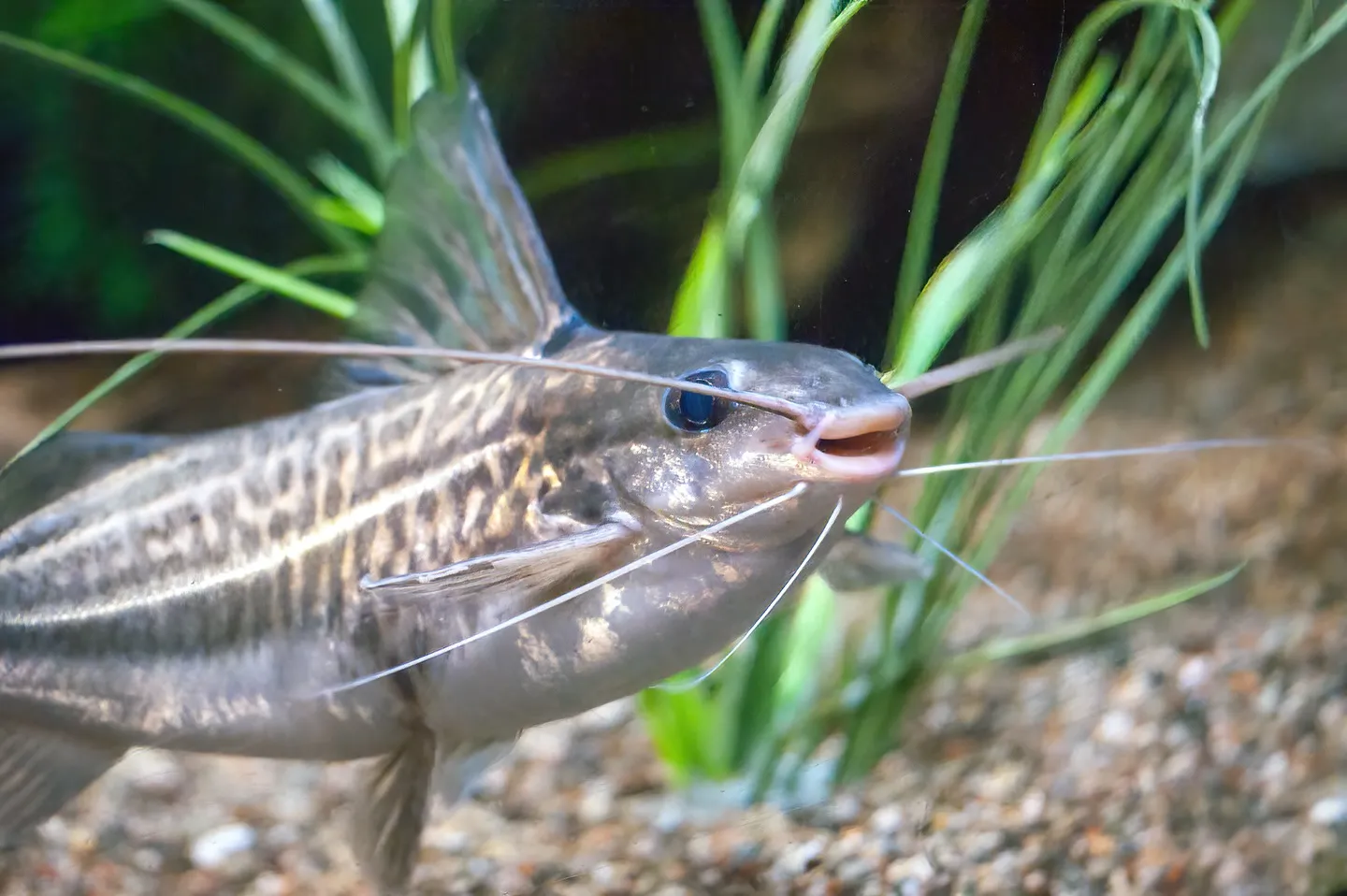
The Pictus Catfish is one of the most popular and attractive catfish in the aquarium hobby. With their striking spotted pattern, long flowing barbels, and unusually active nature, they're a far cry from the stereotype of catfish as sedentary bottom-dwellers.
What sets Pictus Catfish apart from most catfish is their activity level. While many catfish species spend most of their time resting, Pictus are almost constantly on the move—cruising the tank, exploring, and hunting. They're most active in the evening and night but remain visible during the day.
Two critical things to know: First, their dorsal and pectoral fin spines contain mild venom that makes stings painful—never handle them directly or use nets. Second, they're active predators that will eat any fish small enough to fit in their surprisingly large mouths.
Natural Habitat & Origin
Pictus Catfish are native to the Amazon and Orinoco River basins in Colombia, Peru, Brazil, and Venezuela. They inhabit warm, fast-flowing rivers and tributaries with rocky substrates and plenty of structure.
In the wild, they're found in groups among rocks, roots, and debris where they hunt at night. The fast-flowing water of their natural habitat explains their preference for good water movement and high oxygen levels in aquariums. Their long barbels are adapted for navigating and finding food in murky conditions.
Native Region
Amazon and Orinoco River basins (Colombia, Peru, Brazil, Venezuela)
Habitat Type
Fast-flowing rivers and tributaries with rocky substrates
Wild Water Conditions
Warm (72-82°F), moderate hardness, neutral to slightly acidic
Appearance & Varieties
Pictus Catfish are immediately recognizable by their silver body covered in black spots, giving rise to their 'polka dot' nickname. They reach about 5 inches (12 cm) in aquariums and have the typical pimelodid catfish shape—elongated body with a forked tail.
Their most striking features are their extremely long barbels, which can extend back beyond their tail fin. These sensitive whiskers are used to navigate and detect food in murky water. Their fins are transparent with black spotting, and their spines are notably sharp—handle with extreme caution.
Tank Setup & Requirements
Quick Requirements Summary
Tank Size
Minimum Tank Size
55 gallons
Recommended Tank Size
75 gallons
Pictus Catfish need adequate space for their active swimming behavior and should be kept in groups. Their sensitive barbels require smooth substrate.
Water Parameters
Temperature 72-82°F (22-28°C), pH 6.5-7.5, hardness 5-15 dGH. They appreciate good water movement and high oxygen levels.
Substrate
Sand or fine smooth gravel is essential—protects their sensitive barbels. Sharp or rough substrates will damage barbels, leading to erosion and infection.
Plants & Decorations
Live plants are fine—they don't eat plants. Driftwood, rocks, PVC pipes, and caves provide essential hiding spots. Ensure all surfaces are smooth—sharp edges can damage their scaleless bodies.
Filtration & Water Flow
Strong filtration with good flow—they come from fast-flowing rivers and appreciate current. High oxygen levels important. They produce moderate bioload.
Lighting
Subdued preferred—they're crepuscular/nocturnal. Provide shaded areas where they can retreat from bright light.
Diet & Feeding Guide
Diet Type
omnivore
Feeding Frequency
Once daily, preferably after lights out
Portion Size
They have large appetites for their size
Pictus Catfish are omnivores with carnivorous tendencies. They're active predators that will eat anything they can catch and fit in their mouths.
Best Foods for Pictus Catfish
- Sinking pellets/catfish tablets — Good staple food
- Frozen bloodworms — Excellent protein source, feed regularly
- Frozen brine shrimp — Good variety
- Frozen mysis shrimp — Protein-rich option
- Live blackworms — Ideal treat that triggers hunting behavior
- Chopped earthworms — Excellent occasional food
Foods to Avoid
- Floating foods only — They don't surface feed
- Large foods — Must be able to swallow whole
Feed after lights out for best feeding response. They have large appetites for their size. Ensure food reaches the bottom where they feed—they may be outcompeted by faster daytime fish.
Behavior & Temperament
Pictus Catfish are unusually active for catfish—almost always swimming rather than resting. They're social fish that should be kept in groups of 3 or more, where they'll cruise the tank together and become more confident.
They're most active in the evening and at night but remain visible during the day. Their long barbels are constantly in motion, probing their environment for food. While generally peaceful toward similar-sized fish, they're active predators that will eat any small fish they can catch.
Tank Mates: Compatibility Guide
Compatible Tank Mates
Too large to eat, similar requirements
Rainbowfish
Fast and too large to eat
Larger Barbs
Active and appropriately sized
Medium Cichlids
Can hold their own
Peaceful coexistence
Larger Gouramis
Generally too large to be eaten
Tank Mates to Avoid
Neon Tetras
Will be eaten
Guppies
Will be eaten
Small Rasboras
Will be eaten
Small Shrimp
Will be eaten
Slow-moving fish
May be harassed
Common Pairing Questions
Are Pictus Catfish venomous?
Yes—their dorsal and pectoral fin spines contain mild venom. A sting is painful (similar to a bee sting) and may cause swelling, but isn't dangerous to healthy adults. Never handle them directly and avoid using nets that can tangle their spines.
Will Pictus Catfish eat my other fish?
Yes, any fish small enough to fit in their mouth. They're active predators and will eat neon tetras, guppies, small rasboras, and similar-sized fish. Only keep with fish too large to be eaten.
Pictus Catfish have never been successfully bred in home aquariums, and even commercial breeding is not established. Virtually all specimens in the hobby are wild-caught.
They cannot be visually sexed reliably—females may be slightly rounder when full of eggs, but this is not a reliable indicator. The specific triggers and conditions for breeding are unknown.
Don't expect to breed them. Focus on providing excellent care for these wild-caught fish and supporting sustainable collection practices.
Health Issues & Disease Prevention
Pictus Catfish are reasonably hardy when kept in proper conditions. Their main vulnerabilities are barbel damage from rough substrates and their sensitivity to poor water quality.
Common Diseases
| Disease | Symptoms | Treatment |
|---|---|---|
| Ich (White Spot Disease) | White spots on body, flashing, lethargy | Raise temperature carefully, treat with ich medication at reduced dose (scaleless fish) |
| Barbel Damage/Erosion | Shortened, damaged, or missing barbels | Switch to sand substrate, improve water quality—may regrow in good conditions |
| Bacterial Infections | Red patches, ulcers, fin deterioration | Antibacterial medication, improve water quality |
Signs of a Healthy Pictus Catfish
- Long intact barbels
- Active swimming
- Good appetite
- Clear skin without red patches
- Bright pattern
- Full body
Prevention Tips
- Use sand substrate to protect barbels
- Maintain excellent water quality
- Keep in groups of 3+
- Provide hiding spots
- Use container (not net) to catch
Frequently Asked Questions
Yes—their dorsal and pectoral fin spines contain mild venom. A sting is painful (similar to a bee sting) and may cause swelling, but isn't dangerous to healthy adults. Never handle them directly and avoid using nets that can tangle their spines.
Yes, any fish small enough to fit in their mouth. They're active predators and will eat neon tetras, guppies, small rasboras, and similar-sized fish. Only keep with fish too large to be eaten.
They're naturally crepuscular/nocturnal and more active in dim light. If hiding constantly even at night, check: group size (need 3+), adequate hiding spots, tankmate aggression, water quality, and stress factors. They should be active after lights out.
Not recommended. They're social fish that do better in groups of 3 or more. Single specimens are often shy, stressed, and hide constantly. A group is more confident and active.
About 5 inches (12cm) in aquariums. Don't be fooled by the small juveniles at pet stores—they need a 50+ gallon tank as adults, and should be kept in groups.
Usually from substrate that's too rough (use fine sand), poor water quality, or bacterial infection. Barbels may regrow in good conditions but severe damage can be permanent. Address the cause immediately.
Tips for Keeping Pictus Catfish
Pro Tips
- ✓Use a container, not a net, to catch them—spines tangle in nets and stings are painful
- ✓Feed after lights out when they're most active
- ✓Sand substrate is essential for barbel health
- ✓One of the most active catfish—entertaining to watch
- ✓They'll eat any fish they can fit in their mouth—plan tankmates accordingly
- ✓Strong current/flow mimics their natural habitat and keeps them active
- ✓Most specimens are wild-caught—support sustainable collection practices
- ✓Despite being catfish, they spend much of their time swimming mid-tank
Common Mistakes to Avoid
- ✗Keeping with small fish—they'll be eaten
- ✗Sharp or rough substrate—damages sensitive barbels
- ✗Keeping alone—need groups of 3+
- ✗Tank too small—need 50+ gallons for a group
- ✗Using nets to catch them—spines tangle and can sting
- ✗Expecting them to be sedentary like Corydoras—they're highly active
- ✗No hiding spots—increases stress
- ✗Not feeding after lights out—they're nocturnal feeders
Sources
- FishBase — Accepted scientific name, maximum size and native range for Pictus Catfish.
Related Species You Might Like
View All Fish →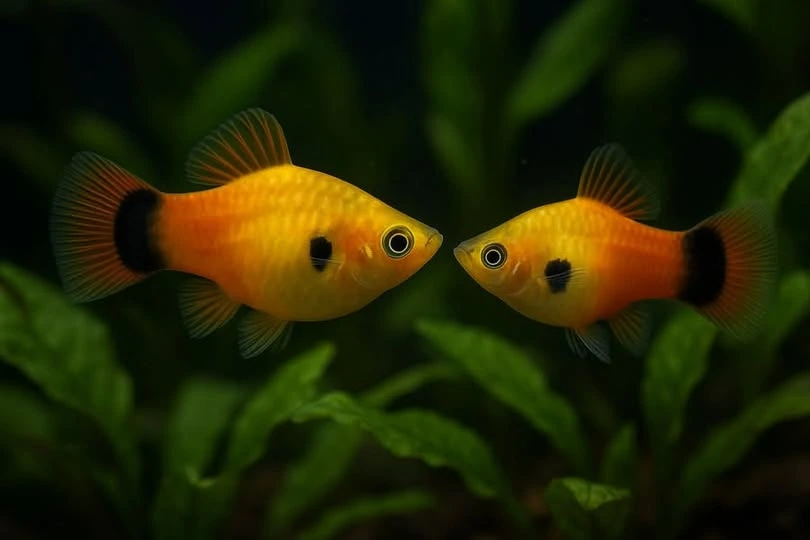
Platy
Xiphophorus maculatus
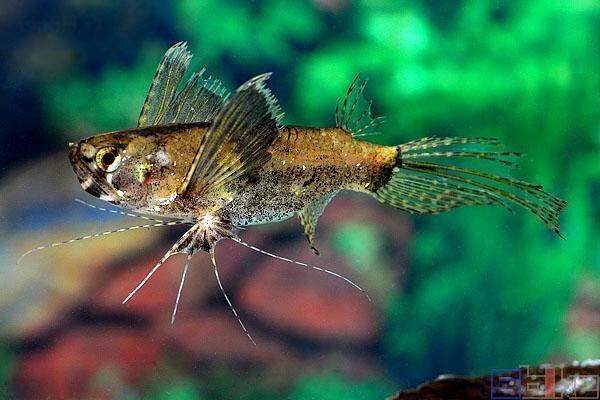
African Butterfly Fish
Pantodon buchholzi
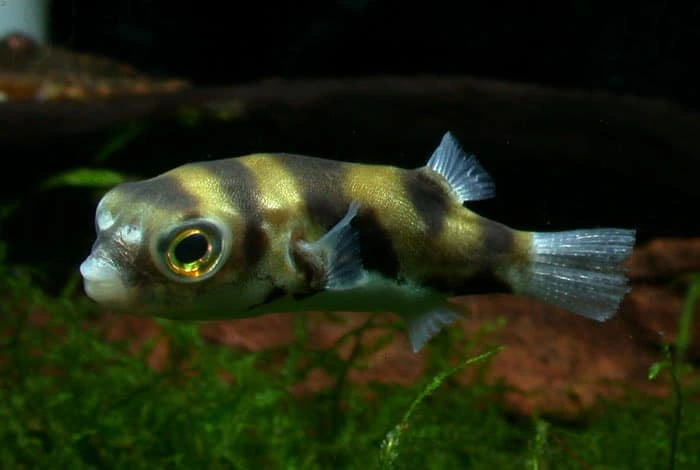
Amazon Puffer
Colomesus asellus
Angelfish
Pterophyllum scalare

Blood Parrot Cichlid
Amphilophus hybrid

Calvus
Altolamprologus calvus

Compressiceps
Altolamprologus compressiceps

Electric Blue Acara
Andinoacara pulcher hybrid
Ready to Add Pictus Catfish to Your Tank?
Use our free stocking calculator to check compatibility, bioload, and get personalized recommendations.