
Care Requirements
Adult Size
5.1" (13cm)
Min Tank
40 gal
Temperature
75-82°F
pH Range
6-7.5
Lifespan
10-15 years
Min Group
5+ fish
Diet
Omnivore
Swim Level
Bottom
Bioload
4/10
Hardness
3-12 dGH
About Yoyo Loach
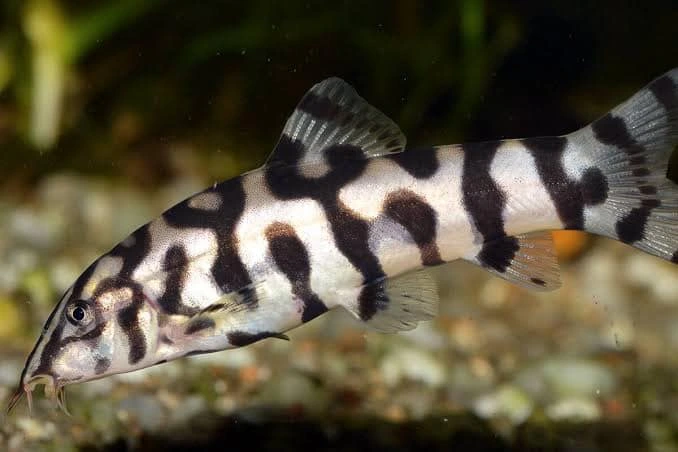
The Yoyo Loach gets its name from the pattern on its sides that resembles the letters Y-O-Y-O—though the pattern varies between individuals. Also known as the Pakistani Loach, this species is one of the most popular loaches in the hobby, offering personality and entertainment without the massive space requirements of clown loaches.
Yoyo loaches are significantly more active and visible than many loach species. While they're technically more active at dawn and dusk, they regularly patrol the tank during daylight hours, making them rewarding to watch. They're curious, intelligent, and will investigate anything new in the tank.
They're also excellent snail controllers, eagerly hunting pest snails throughout the tank. For hobbyists struggling with pond or bladder snail infestations, a group of yoyo loaches is often the most effective biological control available.
Natural Habitat & Origin
Yoyo loaches are native to rocky streams and rivers across South Asia, including India, Pakistan, Nepal, and Bangladesh. They typically inhabit moderate-flow areas with sandy or gravelly bottoms in hilly regions with clear, oxygen-rich water.
Unlike clown loaches that come from slow, murky waters, yoyos prefer cleaner conditions with some current. This makes them slightly easier to maintain, as they're adapted to the more pristine conditions typically found in well-maintained aquariums.
Native Region
South Asia—India, Pakistan, Nepal, Bangladesh
Habitat Type
Rocky streams and rivers with moderate flow, pools with sandy/gravel bottoms
Wild Water Conditions
Clear, oxygen-rich water with moderate current, hilly regions
Appearance & Varieties
Yoyo loaches display an attractive silver-grey base color with dark reticulated markings that often form Y and O shapes—hence the name. The pattern varies between individuals, with some showing cleaner Y-O-Y-O lettering than others. Males may develop a slight reddish tint around the mouth area.
They reach about 6 inches (15 cm) in aquariums—much more manageable than clown loaches. Their body shape is typical loach: elongated, laterally compressed, with a downward-facing mouth for bottom feeding. Like all loaches, they have sensitive barbels that can be damaged by rough substrates.
Tank Setup & Requirements
Quick Requirements Summary
Tank Size
Minimum Tank Size
40 gallons
Recommended Tank Size
55 gallons
Yoyo loaches need a minimum of 40 gallons (150 liters) for a small group, with 60 gallons (230 liters) or more being preferable. Long tanks are better than tall ones to provide swimming length along the bottom.
Water Parameters
Temperature 75-82°F (24-28°C), pH 6.5-7.5, GH 5-15. They're adaptable but appreciate stable conditions. Good oxygenation is important—they come from flowing streams.
Substrate
Sand or smooth gravel protects their sensitive barbels. They forage constantly and dig through substrate, so sharp edges will cause injury.
Plants & Decorations
Plants are beneficial and generally left alone. Focus on providing hiding spots: caves, driftwood with holes, rock formations. Multiple hiding spots reduce aggression between individuals.
Filtration & Water Flow
Good filtration with moderate flow is appreciated—they come from flowing water. They're not as sensitive as some loaches but still need clean, well-oxygenated water.
Lighting
Moderate lighting is fine. They're more active than most loaches and will often be visible even during bright periods, though they become more active as lights dim.
Diet & Feeding Guide
Diet Type
omnivore
Feeding Frequency
1-2x daily
Portion Size
What they consume in 2-3 minutes
Yoyo loaches are enthusiastic omnivores. In the wild, they eat snails, worms, insect larvae, small crustaceans, and plant matter. They're famous for snail control and will eagerly hunt pest snails throughout the tank.
Best Foods for Yoyo Loach
- Sinking pellets and wafers — Staple diet, ensure food reaches bottom
- Frozen bloodworms — Favorite food, excellent for variety
- Snails — Excellent pest snail controllers
- Frozen brine shrimp — Good protein supplement
- Live blackworms — Special treat, promotes natural behavior
- Blanched vegetables — Occasional variety
Foods to Avoid
- Floating foods only — They're bottom feeders—food needs to sink
- Low-quality foods — Affects long-term health and coloration
Feed when lights are dimmed for best response, though they'll eat during the day too. They'll scavenge uneaten fish food from the substrate, helping keep the tank clean. Excellent for controlling pest snail populations.
Behavior & Temperament
Yoyo loaches are among the most active and visible loach species. Unlike many loaches that hide during the day, yoyos regularly patrol the tank even during bright lighting, making them rewarding to observe.
They're social but establish hierarchies through chasing—this looks alarming but is usually harmless. Keeping groups of 4+ helps spread this behavior so no single fish is targeted. They may click when competing for food, similar to clown loaches.
They love to wedge into tight spaces and will investigate every crevice in the tank. Curious and intelligent, they notice changes in their environment and will often investigate new decorations or equipment.
Tank Mates: Compatibility Guide
Compatible Tank Mates
Medium-sized community fish
Good with most peaceful tankmates
Active companions, similar temperament
Rainbowfish
Good size match, different level
Peaceful coexistence
Different level, peaceful
Different feeding habits, peaceful
May compete for bottom space but usually fine
Tank Mates to Avoid
Snails
Will be eaten—they're excellent snail hunters
Shrimp
Will be hunted and eaten
Very small fish
May be harassed or eaten
Slow long-finned fish
May be outcompeted or nipped
Aggressive fish
Will stress the loaches
Common Pairing Questions
Are yoyo loaches aggressive?
They can be semi-aggressive with each other, establishing hierarchies through chasing. This is usually harmless. Keep groups of 4+ to spread aggression. They're generally peaceful with other species.
Will yoyo loaches eat all my snails?
Yes—they're extremely effective snail hunters. If you want to keep ornamental snails, don't get yoyo loaches. For pest snail control, they're one of the best options available.
Can I keep one yoyo loach?
Not recommended. While less social than clown loaches, they still do better in groups. Solitary yoyos often become shy and stressed. Keep at least 4, preferably 5-6.
Yoyo loaches very rarely breed in captivity. When spawning does occur (usually accidentally), it may be triggered by conditions simulating monsoon season—large, cool water changes and reduced lighting.
Most aquarium yoyos are wild-caught, as captive breeding is unreliable. Females become noticeably plumper when full of eggs, and males may show reddish coloring around the mouth. Eggs are scattered among plants and rocks if spawning occurs.
Health Issues & Disease Prevention
Yoyo loaches are hardy compared to clown loaches but still susceptible to common diseases. They're less prone to ich than clown loaches but should still be quarantined before adding to established tanks.
Common Diseases
| Disease | Symptoms | Treatment |
|---|---|---|
| Ich | White spots, scratching on objects | Raise temperature, standard ich treatment |
| Skinny disease | Wasting despite eating | May indicate internal parasites—treat appropriately |
| Bacterial infections | Red marks, fin erosion, ulcers | Improve water quality, antibacterial treatment if needed |
Signs of a Healthy Yoyo Loach
- Active, exploratory behavior
- Good appetite
- Clear, distinct pattern
- Interacting with group members
- Visible during day, not constantly hiding
Prevention Tips
- Quarantine new specimens for 2-4 weeks
- Maintain good water quality—they're less forgiving than some fish
- Provide smooth substrate to protect barbels
- Keep in groups to reduce stress
- Provide multiple hiding spots to reduce aggression
Frequently Asked Questions
They can be semi-aggressive with each other, establishing hierarchies through chasing. This is usually harmless. Keep groups of 4+ to spread aggression. They're generally peaceful with other species.
Yes—they're extremely effective snail hunters. If you want to keep ornamental snails, don't get yoyo loaches. For pest snail control, they're one of the best options.
New loaches often hide while adjusting. Ensure you have a group (4+) and plenty of caves. They become bolder over time. They may also hide during bright lighting but emerge when lights dim.
Not recommended. While less social than clown loaches, they still do better in groups. Solitary yoyos often become shy and stressed. Keep at least 4, preferably 5-6.
Tips for Keeping Yoyo Loach
Pro Tips
- ✓Get a group of 5-6 to reduce individual aggression and increase activity
- ✓They're the most active and visible of the common loach species
- ✓Perfect for snail pest control—they'll eliminate pond and bladder snails
- ✓More forgiving than clown loaches—good 'starter loach'
- ✓Provide multiple caves—reduces territorial disputes
- ✓They're curious and will investigate everything in the tank
- ✓Feed after lights dim for best feeding response
Common Mistakes to Avoid
- ✗Keeping alone or in pairs—need groups of 4+
- ✗Keeping with ornamental snails or shrimp—they'll be eaten
- ✗Sharp substrate—damages their barbels
- ✗Too small tanks—they're active and need swimming room
- ✗Not enough hiding spots—increases aggression
- ✗Expecting them to be nocturnal—they're actually quite active during day
Sources
- FishBase — Accepted scientific name, maximum size and native range for Yoyo Loach.
Related Species You Might Like
View All Fish →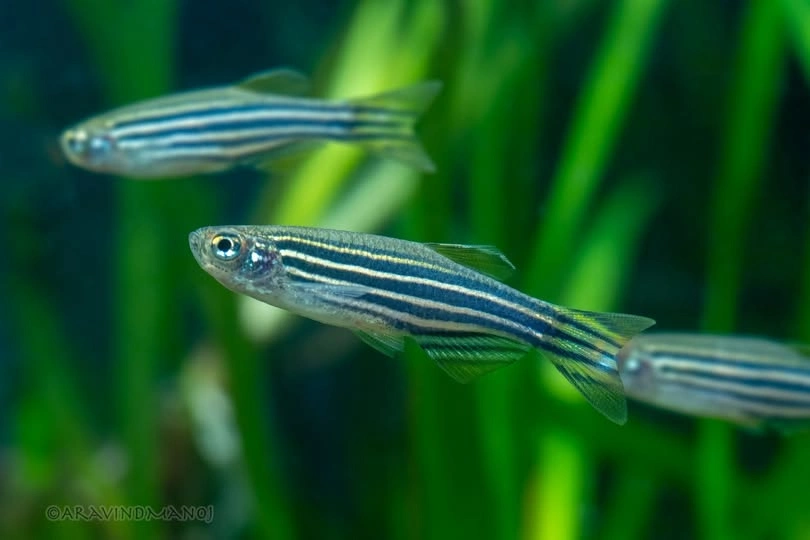
Zebra Danio
Danio rerio
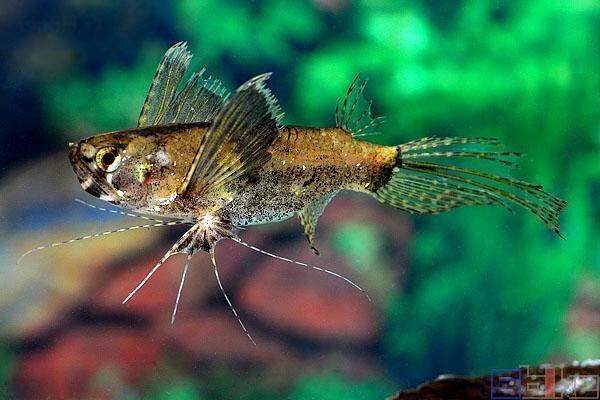
African Butterfly Fish
Pantodon buchholzi
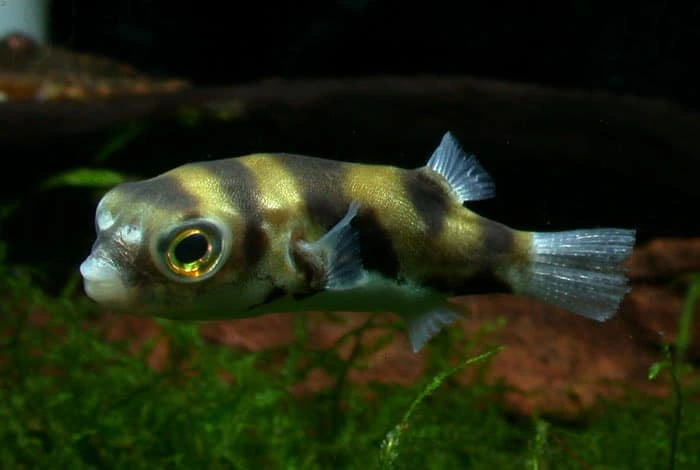
Amazon Puffer
Colomesus asellus
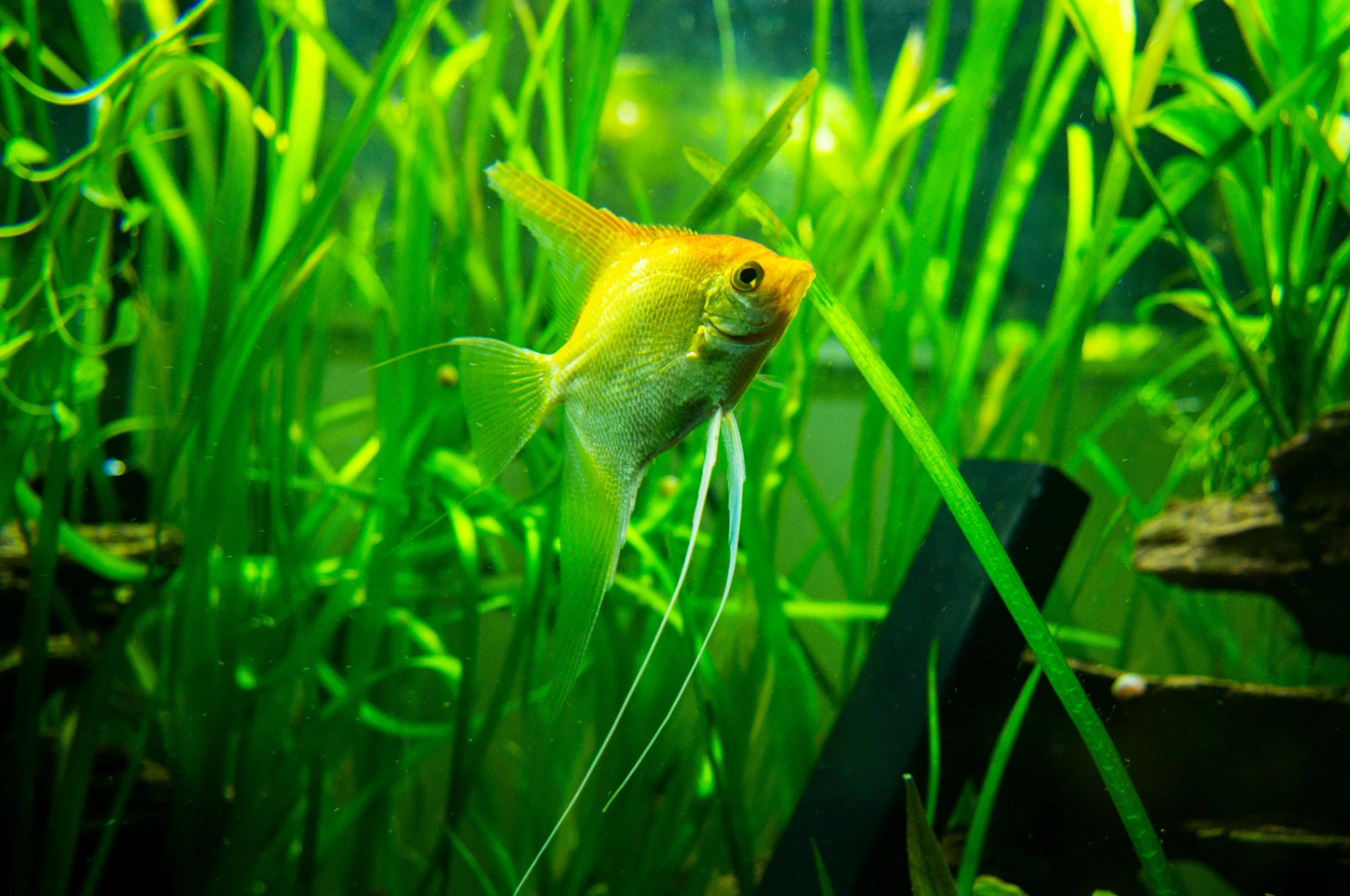
Angelfish
Pterophyllum scalare

Blood Parrot Cichlid
Amphilophus hybrid

Calvus
Altolamprologus calvus

Compressiceps
Altolamprologus compressiceps

Electric Blue Acara
Andinoacara pulcher hybrid
Ready to Add Yoyo Loach to Your Tank?
Use our free stocking calculator to check compatibility, bioload, and get personalized recommendations.