
Care Requirements
Adult Size
4.7" (12cm)
Min Tank
30 gal
Temperature
68-82°F
pH Range
6.5-8
Lifespan
5-8 years
Min Group
5+ fish
Diet
Omnivore
Swim Level
Middle
Bioload
2/10
Hardness
5-25 dGH
About Mexican Tetra
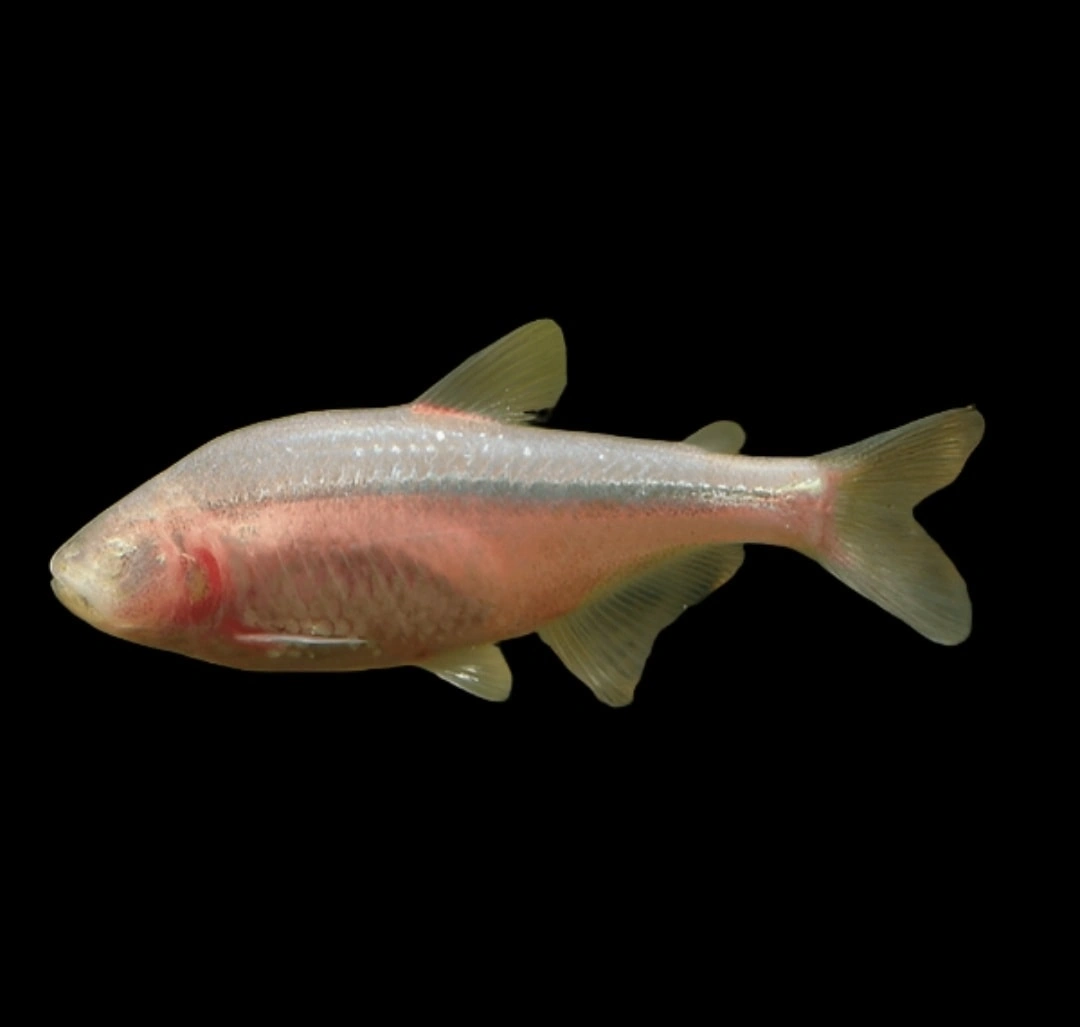
The Mexican Tetra holds a unique position in both aquarium keeping and evolutionary biology. This single species exists in two dramatically different forms: the normal-eyed, silvery surface form found in rivers and streams, and the famous Blind Cave Tetra — an eyeless, unpigmented form that evolved independently in at least 30 different Mexican cave systems. Both forms are the same species, capable of interbreeding, yet look strikingly different.
The Blind Cave Tetra (often sold under that name rather than Mexican Tetra) represents one of evolution's most studied examples of regressive evolution — the loss of traits that become unnecessary or costly in new environments. In perpetual cave darkness, eyes provide no benefit while consuming significant metabolic resources. Over tens of thousands of years, cave populations lost functional eyes (now vestigial, covered by skin) and body pigmentation. They compensated with enhanced lateral line sensitivity, allowing navigation and prey detection through water pressure changes.
For aquarists, the cave form offers a genuinely unusual fish with real scientific significance. Their 'blindness' doesn't impair aquarium life — they navigate, feed, and interact normally using non-visual senses. Watching them respond to water movement rather than sight is fascinating. They're also remarkably hardy, tolerating parameter ranges that challenge more sensitive tetras.
The surface form is less commonly kept but equally interesting — an active, robust tetra reaching 4-5 inches. Both forms tend toward boisterous behavior, potentially nipping slow-moving or long-finned tankmates. They're not delicate community fish despite the tetra label; their personality resembles larger characins more than Neon Tetras.
Natural Habitat & Origin
Surface-form Mexican Tetras inhabit the Rio Grande drainage and connected river systems across northeastern Mexico and southern Texas. They occupy diverse freshwater environments — rivers, streams, pools, and springs — demonstrating remarkable adaptability to varying conditions.
The cave-dwelling populations evolved independently in limestone cave systems (cenotes and underground rivers) across Mexico's Sierra de El Abra and Sierra de Guatemala regions. At least 30 separate cave populations exist, each having evolved eye loss and depigmentation independently — a striking example of convergent evolution. Some cave systems have been isolated for over 1 million years; others are more recent.
Cave environments present extreme conditions: perpetual darkness, limited food resources, stable temperatures, and mineral-rich water from limestone dissolution. Cave populations survive on bat guano, organic debris washed in during floods, and whatever they can scavenge. This scarcity shaped their metabolism — cave forms have lower metabolic rates and can survive longer without food than surface forms.
Research comparing cave and surface populations has made this species a model organism for studying evolutionary adaptation, developmental biology, and the genetic basis of trait loss.
Native Region
Mexico and southern Texas — Rio Grande drainage; Mexican cave systems
Habitat Type
Rivers, streams, pools (surface form); limestone caves (cave form)
Wild Water Conditions
Variable — adaptable to wide range; cave forms in stable, mineral-rich conditions
Appearance & Varieties
The two forms of Mexican Tetra could hardly look more different despite being the same species. Surface-form fish display typical tetra appearance: laterally compressed, silvery bodies with subtle iridescence, darker back, and sometimes a faint lateral stripe. They possess normal eyes and reach 4-5 inches (10-12 cm) — larger than most popular tetras.
The Blind Cave Tetra lacks functional eyes entirely — the eye structure begins developing embryonically but degenerates, leaving vestigial tissue covered by skin and scales. No eye socket is visible; the head appears smooth where eyes would be. Body coloration is pinkish-white to flesh-colored, lacking the melanin pigmentation of surface forms. Internal organs may be faintly visible through translucent tissue.
Cave forms also show subtle morphological differences beyond eyes and pigment: enhanced lateral line organs (visible as rows of sensory pores), slightly different skull structure, and more developed taste buds and olfactory organs. These enhanced non-visual senses compensate for absent vision.
Intermediate forms exist where cave and surface populations interbreed at cave entrances. These hybrids may show reduced eyes, partial pigmentation, and mixed traits — living evidence that both forms remain one species.
Popular Varieties
| Variety | Description | Rarity |
|---|---|---|
| Surface Form (Normal-Eyed) | Silvery body with functional eyes, typical tetra appearance. The ancestral form found in rivers and streams. Less commonly kept than cave form. | Uncommon in trade |
| Blind Cave Tetra | Eyeless, pinkish-white form evolved in cave systems. The popular aquarium variety. Navigates using enhanced lateral line. Famous example of regressive evolution. | Common |
| Hybrid/Intermediate Forms | Fish showing partial cave adaptations — reduced eyes, partial pigmentation. Occur where populations mix. Rarely available commercially. | Rare |
Tank Setup & Requirements
Quick Requirements Summary
Tank Size
Minimum Tank Size
30 gallons
Recommended Tank Size
50 gallons
Mexican Tetras are hardy fish tolerating various conditions. Setup should accommodate their active swimming and potential boisterousness rather than focusing on precise parameters.
Water Parameters
Temperature 20-28°C (68-82°F), pH 6.5-8.0, hardness 5-25 dGH. Remarkably adaptable — one of their key advantages. They tolerate ranges from soft and acidic to hard and alkaline. Cave forms naturally experience mineral-rich limestone water. Stability matters more than hitting specific targets.
Substrate
Any substrate works — sand, gravel, or bare bottom. Cave forms in the wild live on rock substrate, but aquarium substrate choice doesn't significantly affect them.
Plants & Decorations
Provide some structure for territory and security, but leave significant open swimming areas. Cave forms don't require darkness — they adapt to aquarium lighting without issue. Plants aren't essential but provide visual barriers reducing aggression. Robust species handle their activity level.
Filtration & Water Flow
Good filtration handles their moderate bioload. They tolerate various flow levels. Ensure adequate oxygenation — they're active swimmers with corresponding oxygen demands.
Lighting
Despite cave origin, Blind Cave Tetras adapt to normal aquarium lighting without problems. Light doesn't harm their non-functional eye structures.
Diet & Feeding Guide
Diet Type
omnivore
Feeding Frequency
1-2 times daily
Portion Size
What they consume in 2-3 minutes. Their feeding enthusiasm can monopolize food in community tanks — watch that tankmates receive adequate nutrition.
Mexican Tetras are enthusiastic omnivores accepting virtually any aquarium food. Their willingness to eat is never the problem — moderating feeding and ensuring tankmates get food can be.
Best Foods for Mexican Tetra
- Quality flakes and pellets — Readily accepted staple foods. They're not picky about brands or formats.
- Frozen bloodworms and brine shrimp — Eagerly consumed. Good for variety and conditioning.
- Live foods — Enthusiastically hunted. Excellent for enrichment and triggering natural behavior.
- Vegetable matter — Accept blanched vegetables and algae-based foods as part of varied diet.
Foods to Avoid
- Nothing specific — They're unfussy omnivores. The concern is overfeeding rather than inappropriate foods.
- Excessive portions — Their enthusiasm makes overfeeding easy. They'll eat beyond healthy amounts if allowed.
Blind Cave Tetras locate food through vibration and smell as effectively as sighted fish. In community tanks, feed in multiple locations or use sinking foods to reach bottom-dwellers.
Behavior & Temperament
Mexican Tetras are active, robust fish with personalities larger than typical tetras. They're constantly in motion, exploring their environment and interacting with tankmates — sometimes too enthusiastically. Their behavior sits between peaceful community tetras and more aggressive characins.
Blind Cave Tetras navigate using their enhanced lateral line system, detecting water pressure changes that reveal obstacles, tankmates, and food. Watching them move confidently through complex environments without vision is remarkable — they rarely collide with objects and feed competitively with sighted fish.
Schooling behavior is looser than tight-schooling tetras. They stay in groups but spread out more, establishing individual territories within the school. Dominance hierarchies exist, with occasional chasing and posturing. This social structure can target tankmates outside the hierarchy — slow-moving or long-finned fish may be nipped.
Their activity level and potential nippiness makes tankmate selection important. They're not community fish in the peaceful sense — they're community fish for communities of similarly robust species.
Tank Mates: Compatibility Guide
Compatible Tank Mates
Similar temperament and activity level. Can handle occasional nipping.
Appropriately-sized cichlids hold their own.
Similar size and temperament.
Different territory (bottom vs. mid-water), robust enough to coexist.
Occupy different space, fast enough, and robust enough.
Bottom dwellers that avoid mid-water conflicts.
Tank Mates to Avoid
Angelfish
Trailing fins attract nipping. Easy targets for persistent harassment.
Slow-moving fish
Can't escape harassment. Easy targets for persistent nipping.
Neon Tetra
May be bullied or outcompeted for food. Size difference creates problems.
Shrimp
Likely to be eaten or harassed. Not shrimp-safe.
Very aggressive cichlids
While robust, they can't handle truly aggressive tankmates.
Common Pairing Questions
Can Blind Cave Tetras see?
No — they have no functional eyes. However, they navigate, feed, and behave normally using enhanced lateral line sensitivity, smell, and taste. Their 'blindness' doesn't impair aquarium life.
Are Blind Cave Tetras and Mexican Tetras the same species?
Yes — both are Astyanax mexicanus. The blind cave form evolved from surface ancestors that colonized underground environments.
Mexican Tetra breeding is achievable and scientifically significant. Home breeding follows standard egg-scattering tetra methods. Females are rounder when carrying eggs; males are slimmer. Eggs hatch in 24-48 hours. Cave-form and surface-form can interbreed, producing hybrids with intermediate traits.
Health Issues & Disease Prevention
Mexican Tetras are notably hardy — one of their primary advantages. They tolerate conditions and parameter fluctuations that stress more sensitive species.
Common Diseases
| Disease | Symptoms | Treatment |
|---|---|---|
| Ich (uncommon but possible) | White spots on body and fins, scratching, clamped fins. | Standard ich treatment with temperature increase and medication. They tolerate treatment well. |
| Fin damage (from fighting) | Torn or ragged fins from conspecific aggression or tankmate conflicts. | Address aggression through tank size and group size. Fins regenerate in clean water. |
| Bacterial infections | Fin rot, body sores, lethargy. | Improve water quality; antibacterial medication for serious cases. |
| Obesity | Bloated appearance from overfeeding. | Reduce feeding. Their enthusiasm for food makes overfeeding easy. |
Signs of a Healthy Mexican Tetra
- Active swimming
- Strong feeding response
- Intact fins
- Good body condition
- Social interaction within group
Prevention Tips
- Maintain good water quality
- Don't overfeed despite their enthusiasm
- Provide adequate space for group dynamics
- Choose appropriate tankmates
- Quarantine new additions
Frequently Asked Questions
No — they have no functional eyes. Eye development begins embryonically but arrests and degenerates, leaving vestigial tissue covered by skin. However, they navigate, feed, and behave normally using enhanced lateral line sensitivity, smell, and taste.
Yes — both are Astyanax mexicanus. The blind, unpigmented cave form and the normal-eyed surface form are the same species that can interbreed. Cave populations evolved from surface ancestors that colonized underground environments over tens of thousands of years.
No — despite cave origins, they adapt to normal aquarium lighting without problems. Light doesn't harm them or cause stress. Aquarium specimens live normally under standard lighting conditions.
Semi-aggressive — they're active, boisterous fish that may nip slow-moving or long-finned tankmates. They're not aggressive like cichlids but aren't peaceful community fish like Neon Tetras. Keep them in groups to distribute aggression.
4-5 inches (10-12 cm) — substantially larger than popular small tetras. This size, combined with their active swimming and semi-aggressive temperament, requires more space than typical tetra setups.
They're a model organism for studying evolution, particularly regressive evolution. At least 30 separate cave populations evolved eye loss independently, allowing comparison of how evolution solves similar problems.
Tips for Keeping Mexican Tetra
Pro Tips
- ✓Keep in groups of 6+ to distribute aggression among themselves rather than targeting tankmates.
- ✓The cave form is hardier than it appears — don't hesitate to keep them if you want an unusual but undemanding fish.
- ✓Watch feeding in communities — their enthusiasm can monopolize food. Feed in multiple locations.
- ✓They're excellent for science-interested keepers — few aquarium fish have comparable scientific significance.
Common Mistakes to Avoid
- ✗Keeping with long-finned fish — nipped fins and stressed tankmates.
- ✗Expecting peaceful community behavior — they're semi-aggressive despite the 'tetra' label.
- ✗Keeping singly or in pairs — concentrated aggression on tankmates.
- ✗Undersized tanks — their size and activity need more space than small tetras.
- ✗Assuming cave forms need special care — they're hardy, adaptable fish.
Sources
- FishBase — Accepted scientific name, maximum size and native range for Mexican Tetra.
Related Species You Might Like
View All Fish →
Molly
Poecilia sphenops
African Butterfly Fish
Pantodon buchholzi
Amazon Puffer
Colomesus asellus
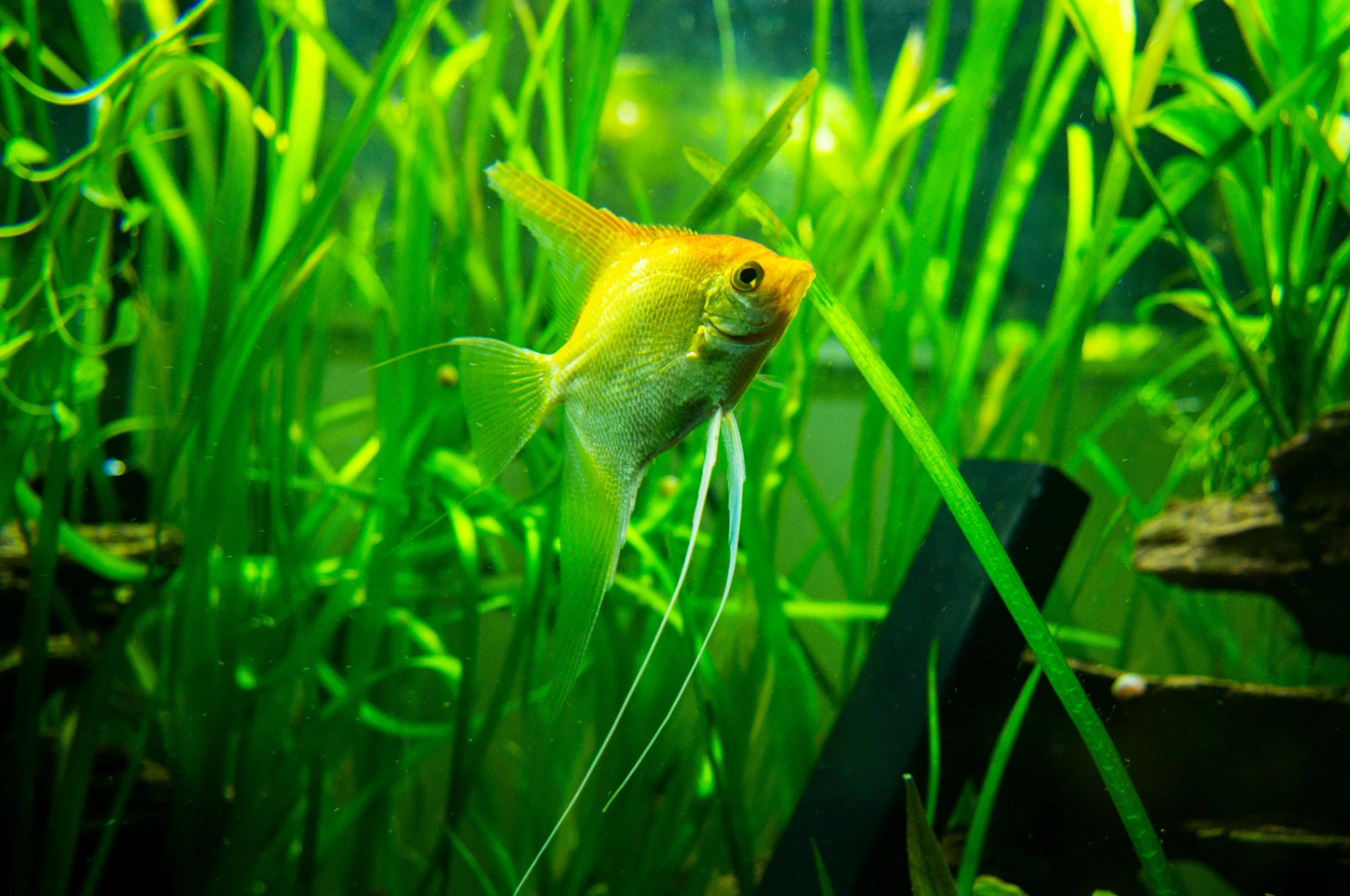
Angelfish
Pterophyllum scalare

Blood Parrot Cichlid
Amphilophus hybrid

Calvus
Altolamprologus calvus

Compressiceps
Altolamprologus compressiceps

Electric Blue Acara
Andinoacara pulcher hybrid
Ready to Add Mexican Tetra to Your Tank?
Use our free stocking calculator to check compatibility, bioload, and get personalized recommendations.