

Care Requirements
Adult Size
11.8" (30cm)
Min Tank
75 gal
Temperature
79-86°F
pH Range
7-8
Lifespan
10-12 years
Min Group
Can be kept alone
Diet
Omnivore
Swim Level
Middle
Bioload
4/10
Hardness
10-20 dGH
About Flowerhorn Cichlid
The Flowerhorn Cichlid represents one of the aquarium hobby's most successful and controversial creations — a man-made hybrid developed in the late 1990s specifically for the ornamental fish trade. Bred primarily in Malaysia and Taiwan from crosses of various Central American cichlids, Flowerhorns were engineered for maximum visual impact: vibrant coloration, prominent nuchal hump (the 'kok'), and bold presence.
They've become enormously popular, particularly in Asian markets where the nuchal hump symbolizes prosperity and good fortune. Specimens with particularly impressive 'koks' and desirable markings command thousands of dollars. This created an entire breeding industry focused on developing ever-more-dramatic specimens through selective crossing and careful genetic selection.
What makes Flowerhorns exceptional beyond appearance is their personality. They're extraordinarily interactive fish that recognize their keepers, respond to presence, and display genuine individual temperament. Many owners describe relationships with their Flowerhorns as closer to pets like dogs than typical fish keeping. They'll follow movement, 'beg' for food, and display distinct mood changes.
The tradeoff for this personality is aggression — Flowerhorns are notoriously hostile to tankmates, often requiring solitary keeping. They're cichlids with attitude turned to maximum. This makes them ideal 'wet pets' for keepers wanting a single interactive fish rather than a community aquarium.
Natural Habitat & Origin
Flowerhorns have no natural habitat — they're entirely man-made hybrids that don't exist in the wild. Their ancestry traces to various Central American cichlids, primarily crosses believed to involve Amphilophus citrinellus (Midas Cichlid), Amphilophus trimaculatus, and potentially Vieja species.
Development began in Malaysia around 1998, with breeders crossing blood parrot cichlids (themselves hybrids) with various Central American cichlids to produce fish with enhanced nuchal humps and coloration. Subsequent selective breeding refined the characteristics now associated with Flowerhorns.
Because they're hybrids, caring for them means understanding their ancestral species' preferences. Central American cichlids generally inhabit warm, moderately hard, slightly alkaline waters — conditions Flowerhorns thrive in.
Released Flowerhorns have established invasive populations in some tropical regions, demonstrating their hardiness. However, releasing aquarium fish is irresponsible and often illegal.
Native Region
Man-made hybrid — no natural range
Habitat Type
Developed in aquaculture, ancestors from Central American rivers and lakes
Wild Water Conditions
Ancestral: warm (26-30°C), moderately hard, slightly alkaline
Appearance & Varieties
Flowerhorns are bred for visual impact. The most distinctive feature is the nuchal hump or 'kok' — a fatty/fibrous growth on the forehead that ranges from modest to enormous. Males typically develop larger koks than females.
Coloration is vibrant — typically bright red, pink, orange, or combinations thereof, often with black markings ('flowers') along the sides. Pearl or metallic scaling adds shimmer. Adults reach approximately 12 inches (30 cm).
Sexing is generally possible once mature. Males develop larger nuchal humps, more intense coloration, and pointed genital papillae. Females tend to be smaller with less prominent koks.
Popular Varieties
| Variety | Description | Rarity |
|---|---|---|
| Red Dragon | Intense red coloration covering most of the body. Strong kok development. One of the most popular and valuable varieties. | Common to Uncommon |
| Kamfa | Square body shape, prominent kok, often with white or yellow eye coloration. Known for impressive head growth. | Uncommon |
| Zhen Zhu (Pearl) | Pearl-like scaling giving sparkle effect. Often with flower-like black markings. Traditional variety. | Common |
| Golden Monkey | Golden/yellow coloration with strong kok. Distinctive color variant. | Uncommon |
| Thai Silk | Metallic blue or green coloration. Short body type. Different lineage than typical Flowerhorns. | Uncommon |
| King Kamfa | Enhanced Kamfa traits with exceptional kok and color. Top-tier specimens command premium prices. | Rare |
Tank Setup & Requirements
Quick Requirements Summary
Tank Size
Minimum Tank Size
75 gallons
Recommended Tank Size
100 gallons
Flowerhorns require spacious tanks accommodating their size and aggression. Setup is relatively straightforward — they're adaptable fish that don't demand precise parameters.
Water Parameters
Temperature 26-30°C (79-86°F), pH 7.0-8.0, hardness 10-20 dGH. Adaptable to various conditions. Moderately hard, slightly alkaline water suits them well. Maintain stability and good water quality.
Substrate
Any — sand, gravel, or bare bottom all work. They may rearrange substrate. Bare bottom common for easy cleaning given waste production.
Plants & Decorations
Minimal — sturdy items only. They will rearrange, damage, or destroy decorations. Live plants rarely survive. Most successful tanks are plant-free. Large, heavy rocks and driftwood may survive.
Filtration & Water Flow
Strong — they're messy fish. Canister filters or sumps. Target 6-8x tank volume turnover. Regular water changes (25-30% weekly) complement filtration.
Lighting
Moderate — showcases coloration. Some keepers use lighting to enhance red coloration. Not light-sensitive.
Diet & Feeding Guide
Diet Type
omnivore
Feeding Frequency
Once or twice daily
Portion Size
What they'll consume in 2-3 minutes. They'll always act hungry — resist overfeeding. Fasting one day weekly can benefit adults.
Flowerhorns are omnivores with hearty appetites. They're easy to feed, accepting nearly anything offered. Diet quality affects coloration, kok development, and overall health.
Best Foods for Flowerhorn Cichlid
- High-quality cichlid pellets — Should form diet foundation. Pellets formulated for large cichlids provide balanced nutrition.
- Color-enhancing pellets — Foods containing astaxanthin or spirulina intensify red/pink coloration.
- Shrimp and prawns — Natural color enhancer high in protein. Shell-on provides calcium.
- Bloodworms — Treat food eagerly consumed. High protein. Don't overfeed — treats, not staples.
- Earthworms — Excellent nutrition, eagerly consumed. Good for conditioning.
- Vegetables — Blanched peas, spinach provide fiber and variety.
Foods to Avoid
- Mammal meat — Beef heart causes digestive and liver issues. Avoid despite old recommendations.
- Feeder fish — Disease risk outweighs benefits. Not necessary for nutrition.
- Low-quality pellets — Cheap foods with fillers don't support optimal color or health.
Diet quality directly affects kok size and coloration. Invest in quality pellets and supplement with variety.
Behavior & Temperament
Flowerhorn personality is their defining characteristic. They're remarkably interactive fish displaying genuine recognition of their keepers. Most Flowerhorns learn feeding schedules, follow their owner's movement, and respond differently to familiar versus unfamiliar people. Many keepers describe them as 'water puppies.'
This personality comes with maximum aggression toward other fish. They're active, bold fish that dominate their space — expect them to rearrange decorations and display to anything that catches their attention.
Tank Mates: Compatibility Guide
Compatible Tank Mates
Armored, different zone. May work if pleco is large enough.
Armored bottom dwellers may be ignored. Size match important.
None (safest approach)
Most Flowerhorns are best kept alone. Their personality shines without tankmate stress.
Tank Mates to Avoid
Most fish
Flowerhorns attack, kill, or eat most tankmates.
Other cichlids
Viewed as competitors and attacked.
Small fish of any kind
Food. Will be consumed.
Shrimp and invertebrates
Food. Expensive snacks.
Common Pairing Questions
Can Flowerhorns live with other fish?
Generally, no. Most Flowerhorns require solitary keeping. Attempting community tanks usually results in dead or injured fish. Their interactive personality makes single-specimen keeping rewarding.
Can I keep two Flowerhorns together?
Only breeding pairs, and even then with monitoring and separation ability. Two males will fight, often to the death.
Flowerhorns can be bred in aquariums, though results are unpredictable due to hybrid nature. Breeding requires conditioning, appropriate water conditions, and careful pairing. Aggression between mates can be fatal. Genetic lottery means fry vary dramatically.
Health Issues & Disease Prevention
Flowerhorns are generally hardy fish. Hybrid vigor makes them resilient to disease and tolerant of imperfect conditions.
Common Diseases
| Disease | Symptoms | Treatment |
|---|---|---|
| Hole in the head (HITH) | Pitting lesions on head, progressing to larger holes. | Improve water quality, diversify diet. Metronidazole for severe cases. |
| Ich (White Spot) | White spots on body and fins, flashing. | Raise temperature to 30°C. Salt or medication treatment. |
| Fin rot | Fraying, deteriorating fin edges. Redness at fin base. | Improve water quality. Antibacterial treatment for infections. |
| Kok problems | Kok shrinking, becoming soft, or developing lesions. | Usually indicates stress, poor diet, or water quality. Kok condition reflects overall health. |
Signs of a Healthy Flowerhorn Cichlid
- Vibrant coloration
- Full, firm kok (males)
- Active behavior
- Strong appetite
- Interactive response to keeper
- Clear eyes
Prevention Tips
- Maintain good water quality with regular changes
- Feed varied, high-quality diet
- Avoid overcrowding or inappropriate tankmates
- Provide adequate tank size
Frequently Asked Questions
Yes — extremely. They're among the most aggressive commonly-kept aquarium fish. Most Flowerhorns attack, injure, or kill tankmates regardless of species. This aggression is their nature, not a training failure.
The nuchal hump or 'kok' is a fatty/fibrous growth on the forehead that's one of their most prized features. Size depends on genetics, sex, diet, and conditions. In Asian cultures, impressive koks symbolize prosperity.
No — they're man-made hybrids developed in Malaysia around 1998 from crosses of various Central American cichlids. They don't exist in nature.
Adults typically reach 10-12 inches (25-30 cm). Manageable compared to fish like Arowanas, making them suitable for serious hobbyists with 75-100+ gallon tanks.
Yes — this is one of their most engaging qualities. They learn to recognize primary keepers, follow movement, and often display differently to familiar versus unfamiliar people.
Generally, no. While some individuals tolerate certain tankmates (large plecos), this is exception rather than rule. Most require solitary keeping.
Tips for Keeping Flowerhorn Cichlid
Pro Tips
- ✓Choose specimens in person when possible — quality varies dramatically.
- ✓Single keeping maximizes personality — embrace solitary keeping as feature, not limitation.
- ✓Diet quality affects kok and color — invest in quality pellets and supplements.
- ✓Expect redecorating — they rearrange their environment constantly.
Common Mistakes to Avoid
- ✗Attempting community tanks — dead or injured tankmates.
- ✗Buying based solely on appearance without assessing quality — disappointment as low-quality fish don't develop impressive features.
- ✗Overfeeding — obesity, health problems, shortened lifespan.
- ✗Inadequate tank size — stunted growth and aggression problems.
- ✗Low-quality diet — poor coloration and underwhelming kok development.
Related Species You Might Like
View All Fish →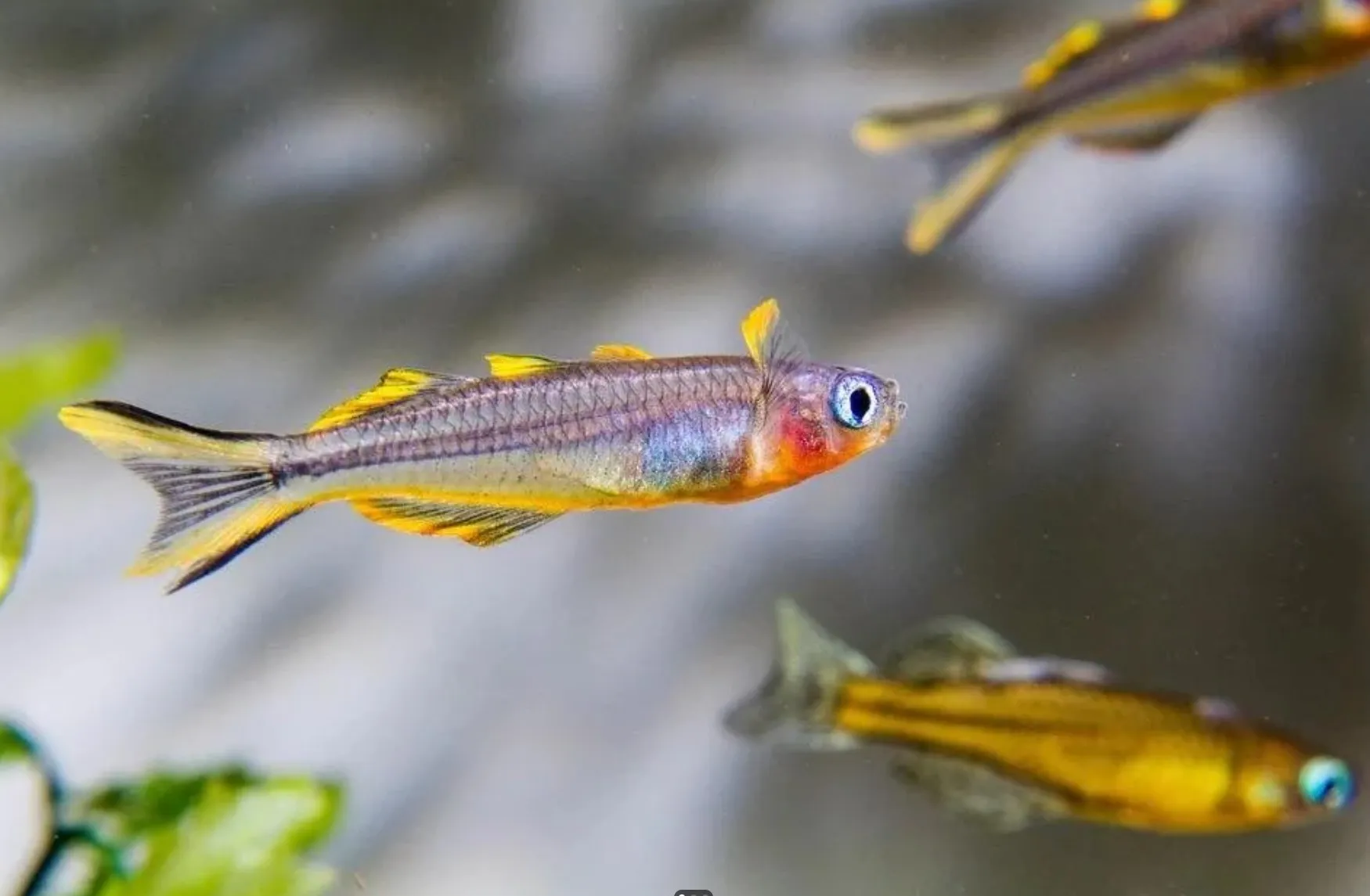
Forktail Blue-Eye
Pseudomugil furcatus

Bumblebee Cichlid
Pseudotropheus crabro

Green Terror
Andinoacara rivulatus

Jack Dempsey
Rocio octofasciata

Oscar
Astronotus ocellatus

Tropheus Duboisi
Tropheus duboisi
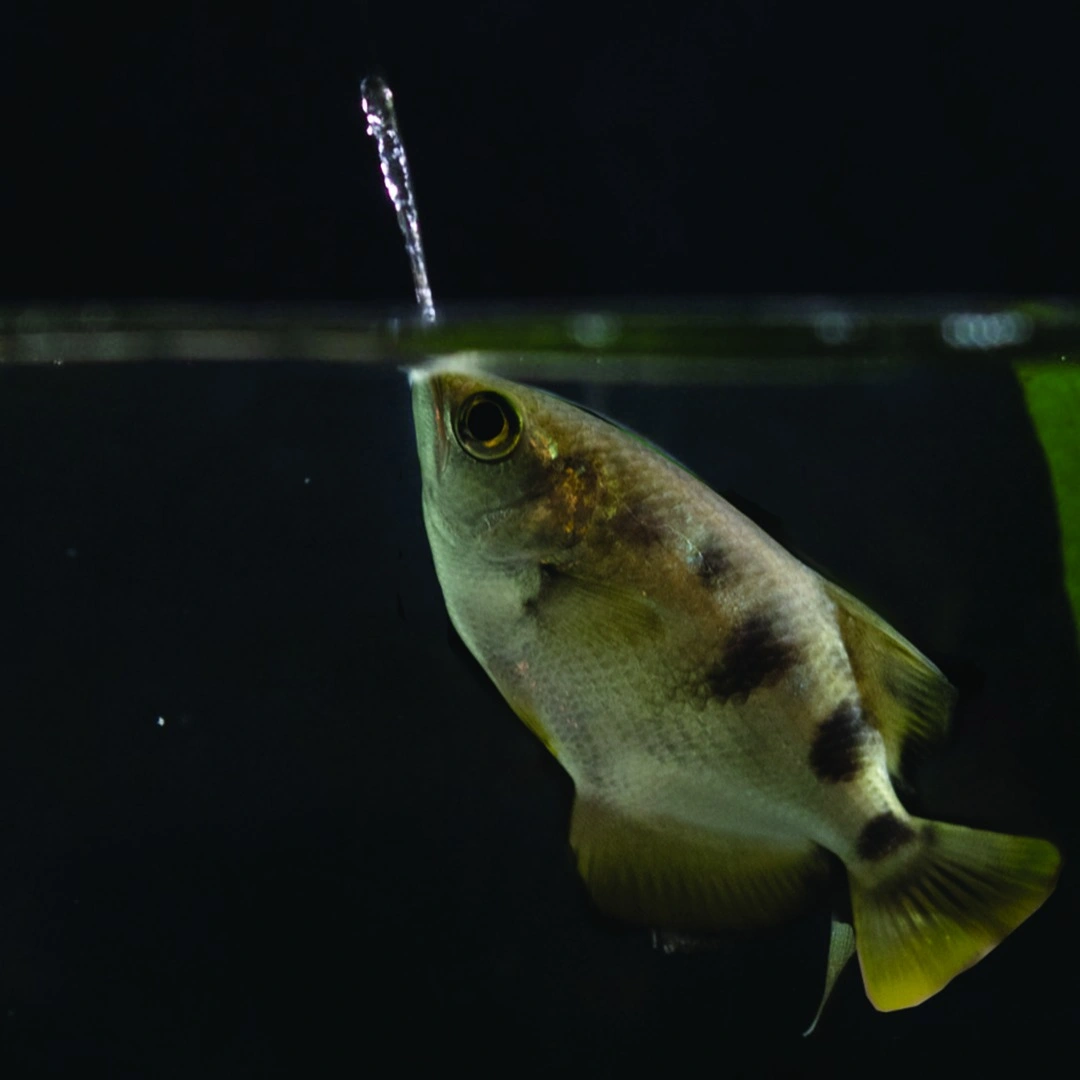
Archer Fish
Toxotes jaculatrix
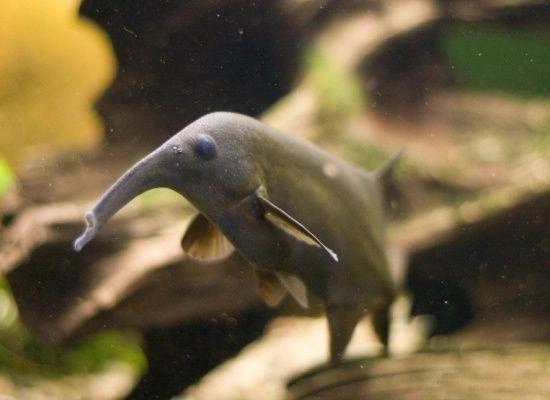
Elephant Nose Fish
Gnathonemus petersii
Ready to Add Flowerhorn Cichlid to Your Tank?
Use our free stocking calculator to check compatibility, bioload, and get personalized recommendations.