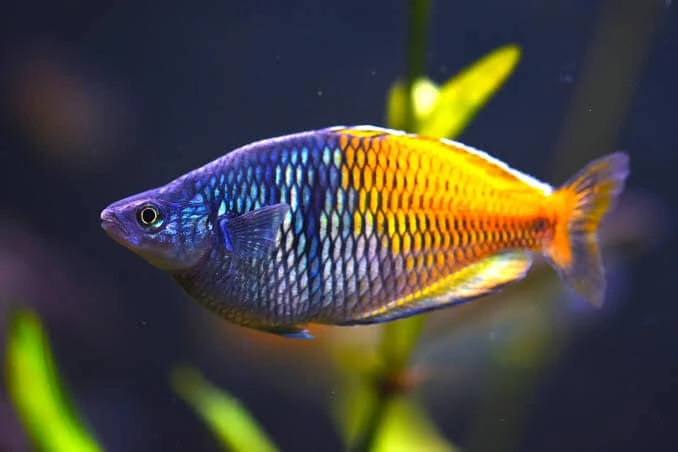
Boesemani Rainbowfish
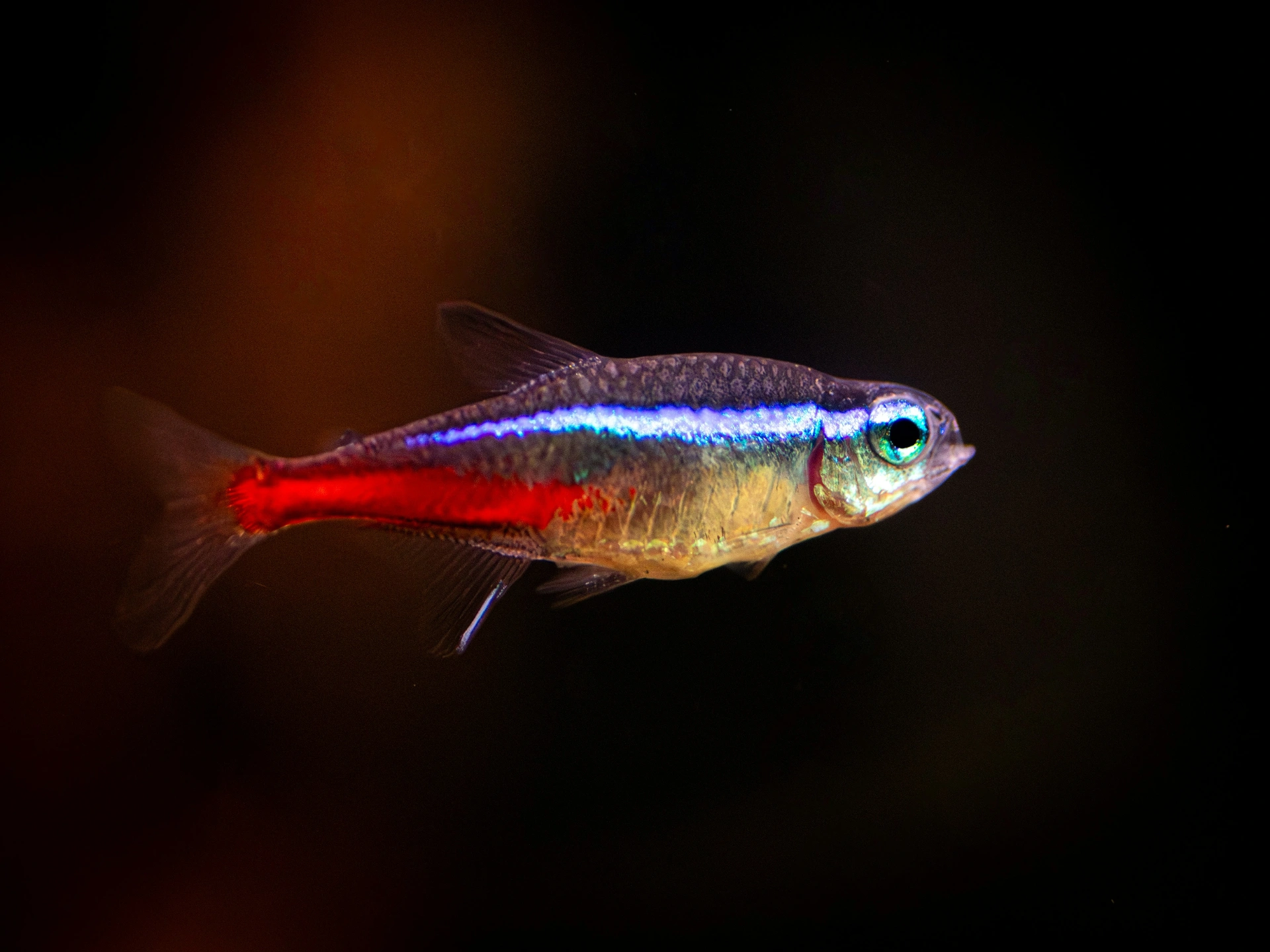
An 11 cm mid-water shoal that lives in the upper half of the tank and has no business on the sand, which is the ideal profile here.
Adult Size
11.8" (30cm)
Min Tank
40 gal
Temperature
72-82°F
pH Range
6.5-7.5
Lifespan
8-15 years
Min Group
Can be kept alone
Diet
Carnivore
Swim Level
Bottom
Bioload
2/10
Hardness
5-15 dGH
The Peacock Eel offers the spiny eel experience at a more manageable scale — reaching about 12 inches compared to the Fire Eel's 3+ feet. Named for the distinctive eyespot patterns along their dorsal region (resembling peacock feather markings), they're attractive, interesting fish that don't require the massive tanks their larger cousins demand.
Like all spiny eels, Peacock Eels are burrowers requiring sand substrate. They spend most of their time partially buried with just their pointed snout visible — this is normal, healthy behavior, not hiding from problems. Without appropriate substrate, they cannot exhibit natural behavior and become stressed.
They're genuinely peaceful fish that won't bother tankmates too large to eat. Unlike some oddballs kept primarily for impressiveness, Peacock Eels can be integrated into larger community tanks with appropriate companions. Their nocturnal nature means they're most active when the lights go out, but established specimens often emerge during feeding regardless of lighting.
Feeding can be challenging initially — many specimens refuse prepared foods and require live or frozen offerings. However, they're considerably easier to establish than Fire Eels. With patience, most accept frozen bloodworms readily and may eventually take pellets. Their smaller size also means less food is required, making ongoing care more economical.
Peacock Eels inhabit freshwater rivers, streams, and associated habitats across Southeast Asia — Thailand, Cambodia, Vietnam, and Malaysia. They prefer areas with soft, sandy substrate where they can burrow and hunt for benthic invertebrates.
Their natural habitat features slow to moderate water flow, abundant hiding spots, and soft bottom substrate. They occupy the same ecological niche as other spiny eels — nocturnal burrowing predators that hunt small invertebrates and fish.
Wild diet consists primarily of worms, insect larvae, small crustaceans, and small fish. They locate food using their sensitive, elongated snout to probe substrate.
Water conditions in their native range are typically soft and slightly acidic to neutral, with warm tropical temperatures year-round.
Native Region
Southeast Asia — Thailand, Cambodia, Vietnam, Malaysia
Habitat Type
Rivers and streams with sandy substrate
Wild Water Conditions
Warm (24-28°C), soft, slightly acidic to neutral
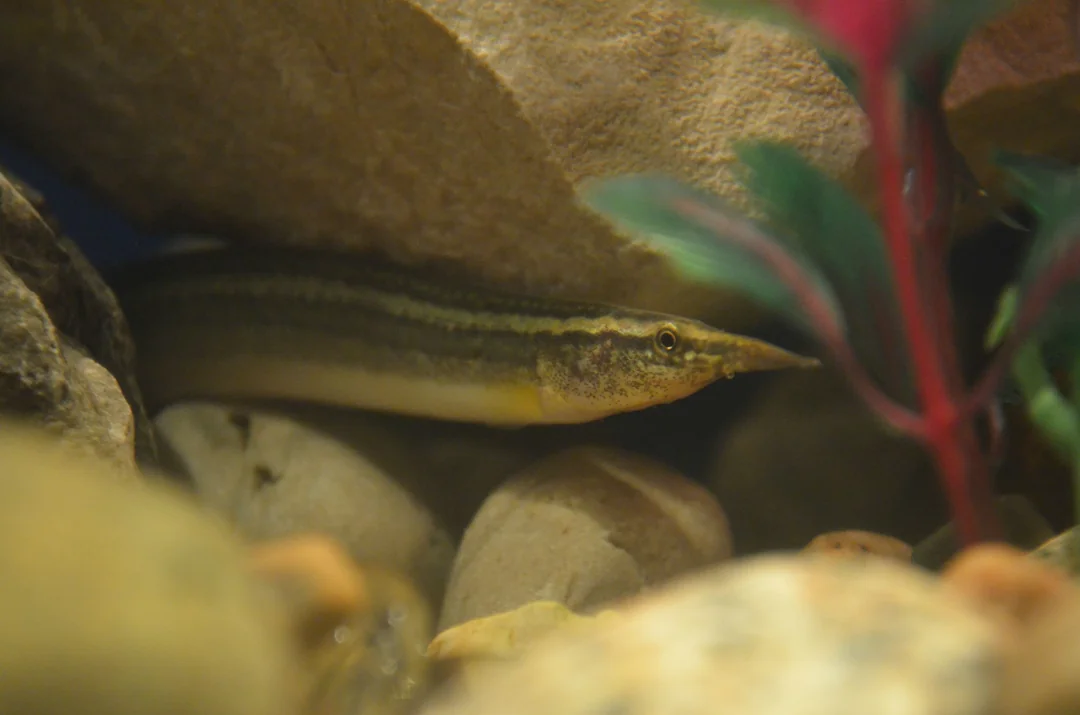
Peacock Eels display the characteristic spiny eel body plan — elongated and laterally compressed, with a pointed snout and continuous dorsal fin featuring the small spines that name the family. Their most distinctive feature is the series of 3-6 ocelli (eyespots) along the dorsal region, each resembling a peacock feather marking.
Base coloration is tan, brown, or olive with the darker eyespot markings providing camouflage. A pale lateral stripe often runs the body length.
Adults reach approximately 12 inches (30 cm) — substantially smaller than Fire Eels and more comparable to common aquarium fish.
Sexing is difficult with no reliable external differences. Females may appear plumper when carrying eggs.
| Variety | Description | Rarity |
|---|---|---|
| Standard/Wild-Type | Tan-brown body with characteristic eyespots along dorsal region. No selectively bred variants exist. | Common |
Minimum Tank Size
40 gallons
Recommended Tank Size
60 gallons
Peacock Eels require sand substrate, hiding spots, and secure lids — but their smaller adult size makes requirements more accessible than larger spiny eels.
Temperature 22-28°C (72-82°F), pH 6.5-7.5, hardness 5-15 dGH. Soft to moderately hard, slightly acidic to neutral water. Good water quality is important; maintain regular water change schedules.
SAND IS MANDATORY — same as all spiny eels. They spend most time buried or partially buried. Without sand, they cannot exhibit natural behavior and become stressed. Fine, soft sand allows safe burrowing. This is non-negotiable.
Provide caves, PVC pipes, driftwood, and similar hiding spots as daytime refuges. Plants can coexist — robust plants like Java Fern and Anubias attached to hardscape survive best. Floating plants provide appreciated shade.
Good filtration maintains water quality. Cover filter intakes with sponge prefilters — they can squeeze into surprisingly small spaces. Avoid very strong current; moderate flow suits them.
As nocturnal fish, dim lighting encourages more visible activity. Moonlight/blue LED options allow nighttime observation when they're most active.
Diet Type
carnivore
Feeding Frequency
Every other day for adults, daily for juveniles
Portion Size
Small to moderate amounts. Target feed near hiding spots, especially after lights out.
Peacock Eels are carnivores requiring meaty foods. Feeding is easier than with larger spiny eels but may still require patience with new specimens.
Most specimens accept frozen bloodworms within 1-2 weeks. Target feed near hiding spots after lights out.
Peacock Eels are nocturnal burrowers spending most daylight hours partially or fully buried in sand. This is normal, healthy behavior. They emerge primarily at night to hunt and explore, though established specimens often appear during feeding time. They're genuinely peaceful toward tankmates too large to eat. The burrowing behavior is their signature — watching them disappear into sand using rapid undulating movements is fascinating. With time and consistent feeding schedules, they often become conditioned to emerge when their keeper approaches.
A peacock eel buries itself in sand by day and hunts the bottom at night, which makes substrate and feeding the deciding factors. Company should be mid-water, calm and too large to be considered dinner — small shrimp and tiny fish will disappear. It also escapes, so the lid matters as much as the tank mates.
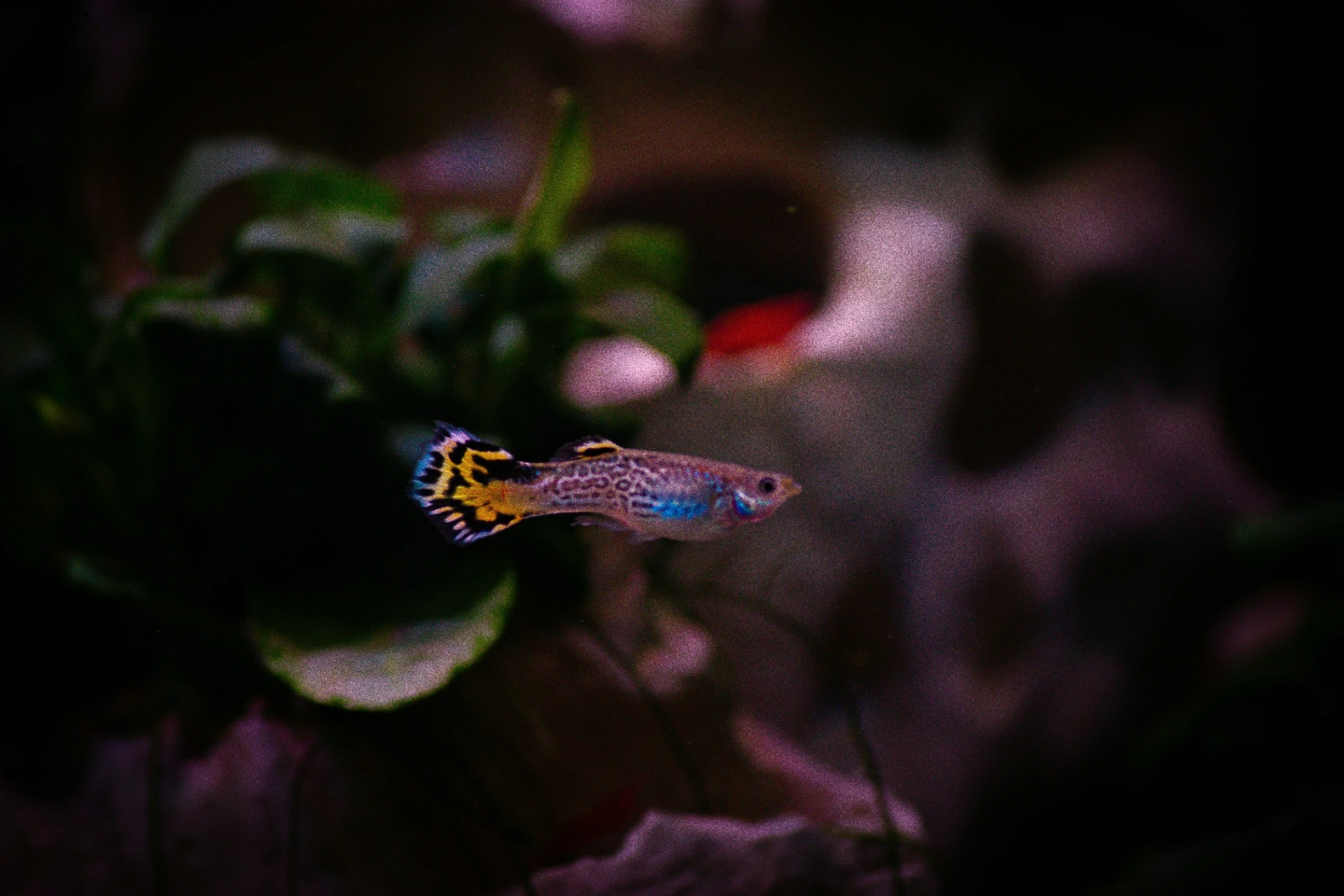
An 11 cm mid-water shoal that lives in the upper half of the tank and has no business on the sand, which is the ideal profile here.
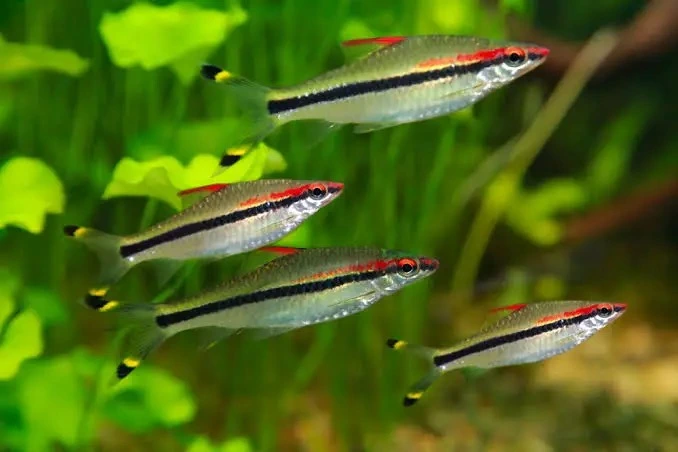
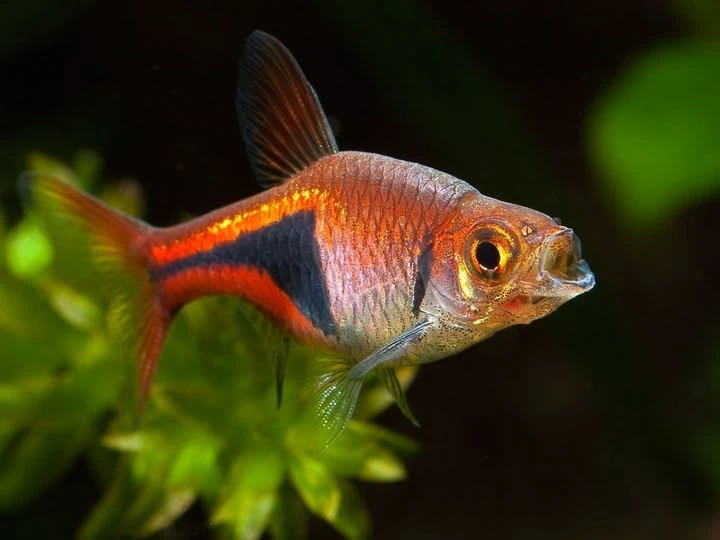
A 15 cm barb that no spiny eel will ever attempt, and one that patrols midwater rather than grubbing about on the substrate.
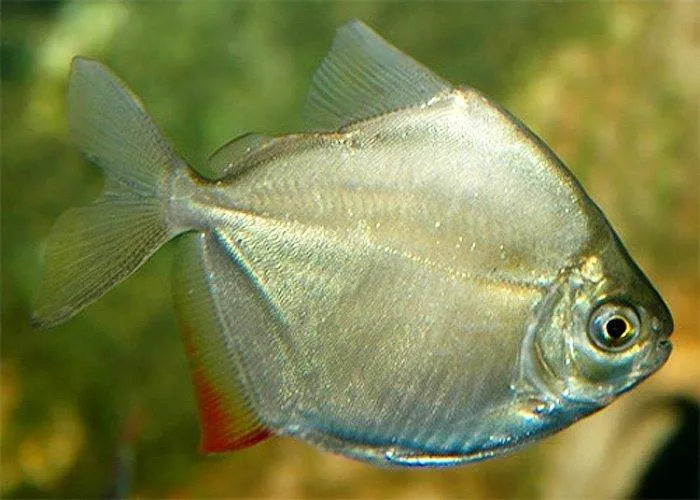
Deep-bodied, herbivorous and completely uninterested in anything happening on the sand — a shoal of them fills the upper tank without ever entering the eel's space.
Also compatible: Angelfish, Pearl Gourami, Bristlenose Pleco, Giant Danio
Also avoid: Celestial Pearl Danio, Cherry Shrimp, Amano Shrimp, Bronze Corydoras
Full Peacock Eel tank mates guidePeacock Eel breeding in home aquariums is rare. They're egg scatterers showing minimal parental care. Breeding reportedly triggered by simulated rainy season conditions. Fry are tiny and challenging to raise.
Peacock Eels are moderately hardy when their specific needs are met. Most health issues relate to substrate problems, escape injuries, or feeding challenges.
| Disease | Symptoms | Treatment |
|---|---|---|
| Skin damage (substrate-related) | Abrasions, wounds from burrowing in inappropriate substrate. | Provide proper sand substrate immediately. Treat wounds with antibacterial medication. |
| Ich | White spots on body. | Raise temperature. Salt treatment effective. |
| Starvation/feeding failure | Emaciation, visible spine, lethargy. | Offer live foods (blackworms, bloodworms). Target feed near hiding spots. |
| Escape injuries | Physical damage from leaving tank or getting stuck in equipment. | Return to water immediately. Prevent with secure lid and covered intakes. |
| Bacterial infections | Redness, ulcers, fin deterioration. | Improve water quality. Antibacterial medication. |
About 12 inches (30 cm) — substantially smaller than Fire Eels (40 inches). This manageable size is one of their main advantages, making them accessible to keepers without massive tanks. A 40+ gallon tank accommodates adults appropriately.
Yes — sand is essential, not optional. They're burrowers that spend most time partially buried. Without sand, they cannot exhibit natural behavior and become stressed. Fine, soft sand is required for all spiny eel species.
Better than most oddballs — they're genuinely peaceful toward tankmates too large to eat. They can integrate into community tanks with appropriate companions (no tiny fish or shrimp).
That's normal — they're nocturnal burrowers. Staying buried during the day with just their snout visible is healthy, natural behavior. They emerge primarily at night.
Size is the main difference: Peacock Eels reach 12 inches, Fire Eels reach 40+ inches. This dramatically affects tank requirements (40 vs 125+ gallons), cost, and accessibility.
Absolutely — like all spiny eels, they're notorious escape artists. Their flexible bodies squeeze through surprisingly small gaps. Every potential exit must be sealed.
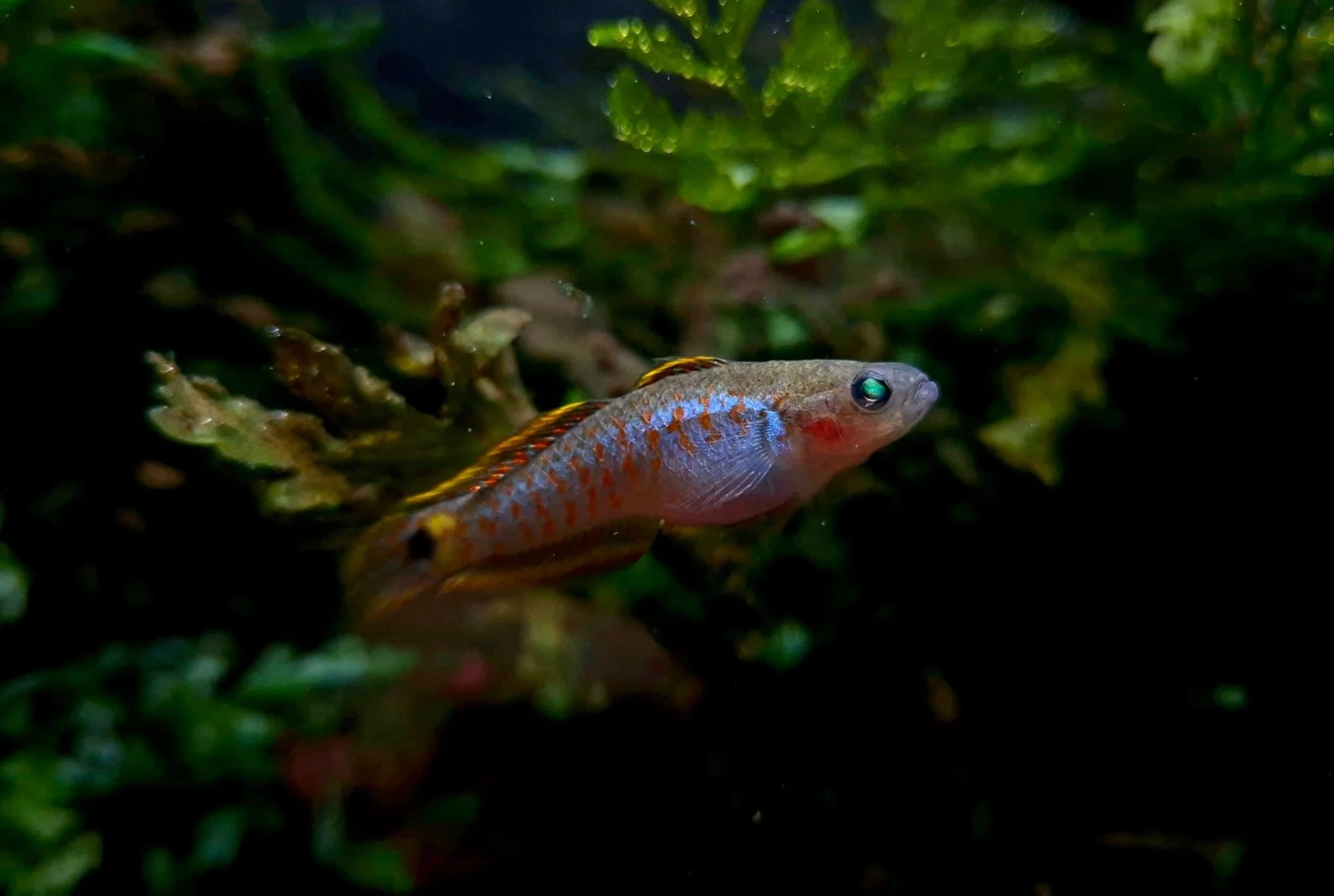
Tateurndina ocellicauda
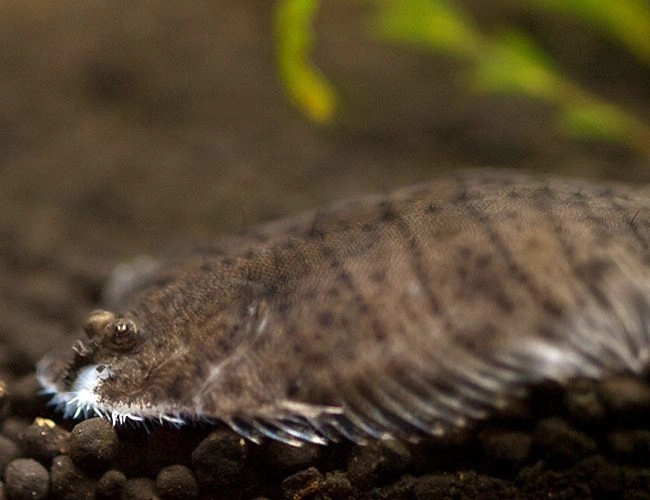
Brachirus spp. / Trinectes maculatus

Melanotaenia splendida
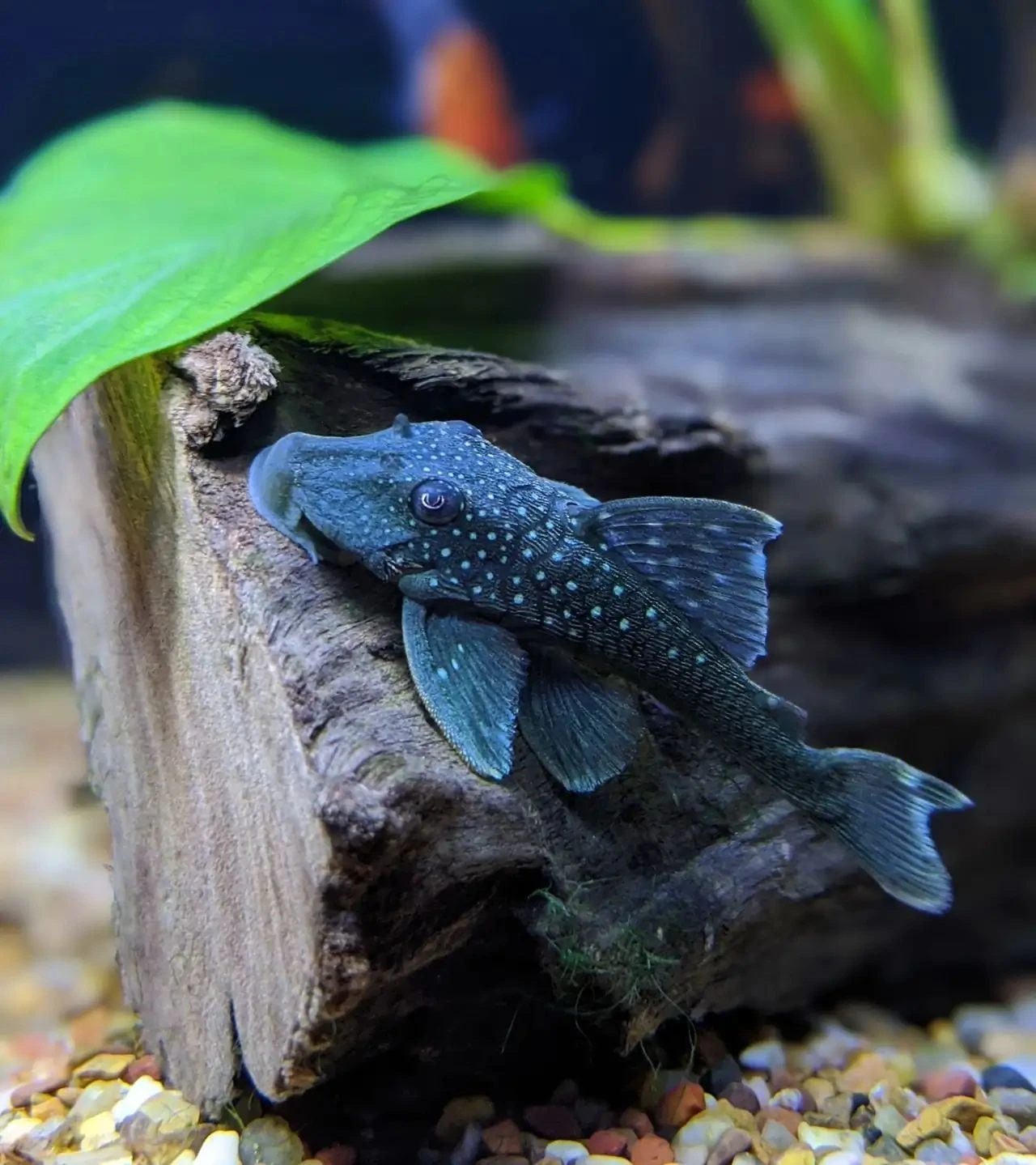
Hemiancistrus sp.
Melanotaenia boesemani
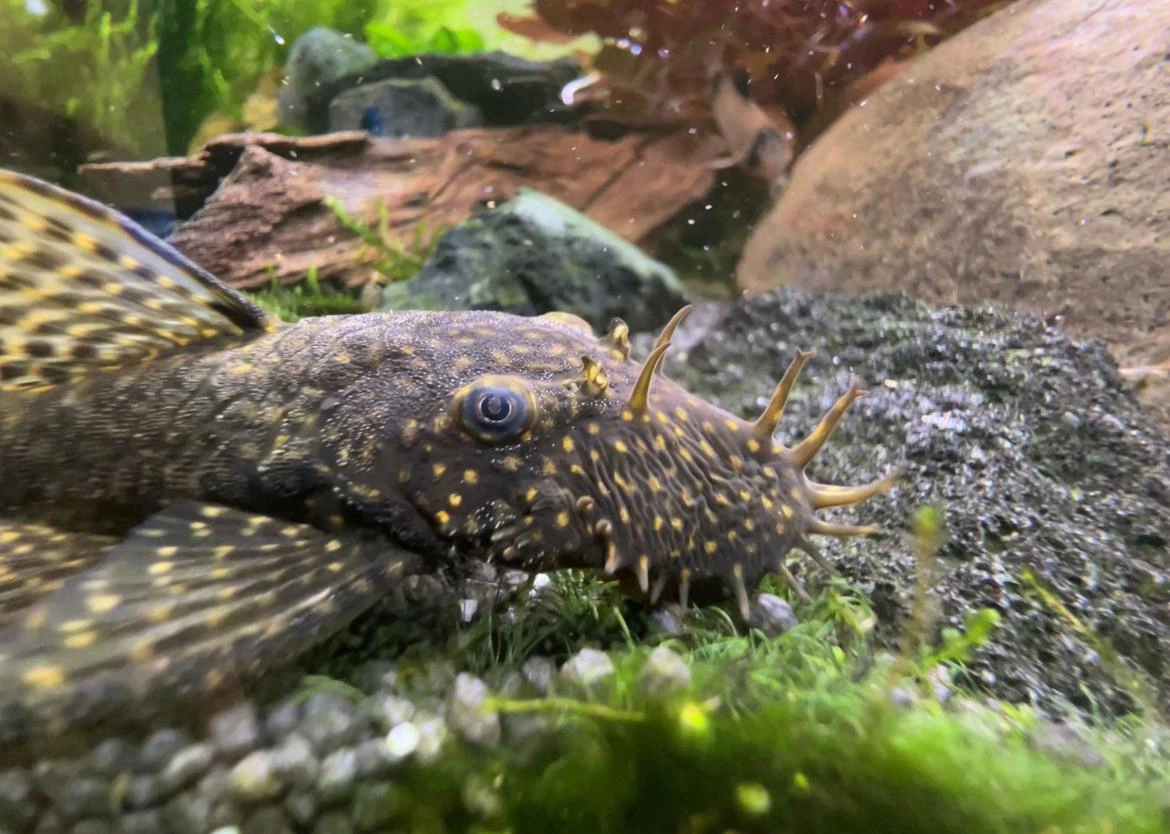
Ancistrus sp.
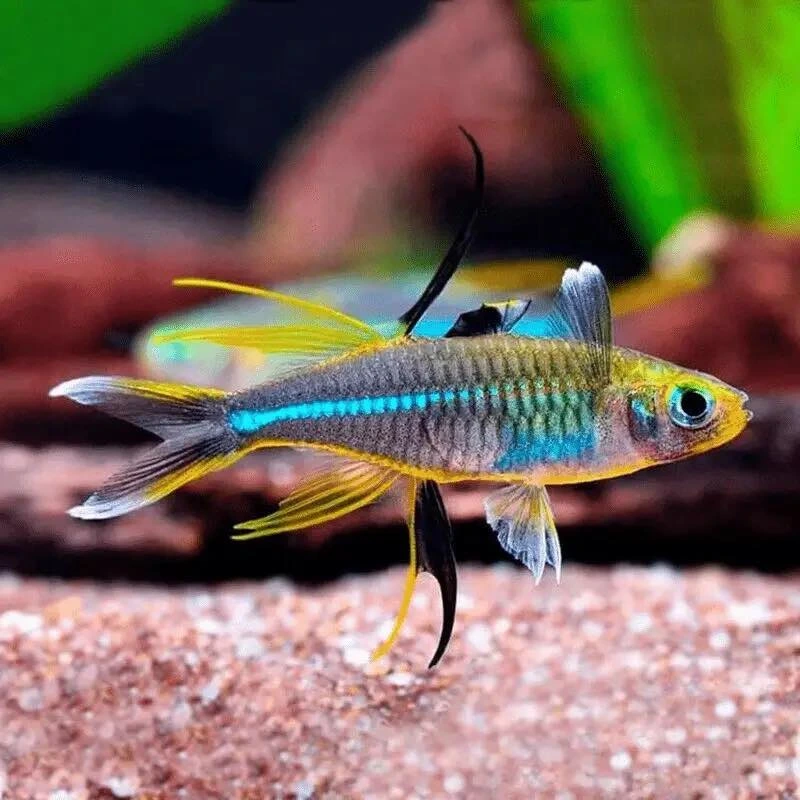
Marosatherina ladigesi

Phenacogrammus interruptus
Use our free stocking calculator to check compatibility, bioload, and get personalized recommendations.