
Care Requirements
Adult Size
5.9" (15cm)
Min Tank
40 gal
Temperature
77-86°F
pH Range
6-7.5
Lifespan
6-8 years
Min Group
Can be kept alone
Diet
Omnivore
Swim Level
Middle
Bioload
2/10
Hardness
2-15 dGH
About Moonlight Gourami
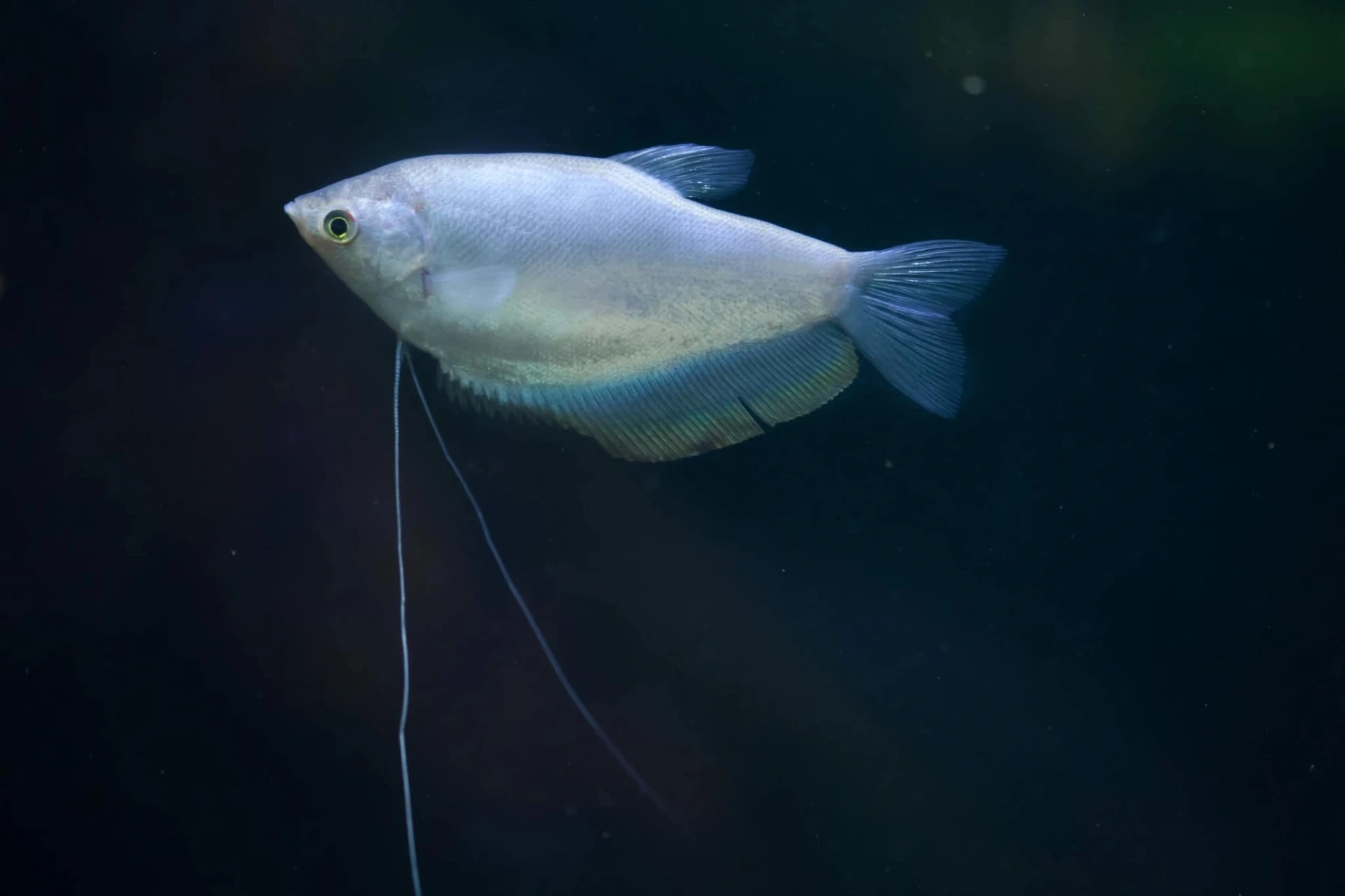
The Moonlight Gourami earns its name from an ethereal, silvery appearance that seems to glow under aquarium lighting. Their uniformly silver scales catch and reflect light beautifully, creating a subtle luminescence that distinguishes them from the more boldly patterned Pearl Gourami or colorful Dwarf varieties.
Among the larger gourami species (reaching 5-6 inches), Moonlights stand out for genuinely peaceful temperament. Where many gouramis become territorial or aggressive as they mature, Moonlights typically remain docile throughout their lives. Males may spar occasionally but rarely cause damage. This makes them exceptional choices for peaceful community tanks with medium to large fish.
They prefer warmer water than most commonly-kept gouramis — 77-86°F (25-30°C) is ideal, with temperatures below 75°F causing stress. This thermal preference limits compatible tankmates to species sharing similar warmth requirements. The oversight of temperature needs is the most common husbandry mistake with this species.
Their understated elegance appeals to aquarists tired of flashy fish. The silver coloration may seem plain compared to brightly colored species, but their gentle movement and subtle iridescence create a calming aesthetic. They're the gourami for keepers who appreciate subtlety over spectacle.
Natural Habitat & Origin
Moonlight Gouramis originate from warm, slow-moving waters across Thailand, Vietnam, and Cambodia. They inhabit ponds, marshes, flooded fields, and sluggish river sections — typically vegetated areas with minimal current.
Their native climate is consistently warm, explaining their higher temperature requirements compared to gouramis from cooler or more variable habitats. Water in their range is typically soft and slightly acidic, though they adapt to moderate hardness in captivity.
As labyrinth fish, they thrive in oxygen-poor waters that would stress obligate gill-breathers. Stagnant ponds and vegetation-choked marshes are easily tolerated thanks to atmospheric air breathing.
Wild diet consists of insects, insect larvae, small crustaceans, and plant matter encountered while foraging through vegetation. They're opportunistic omnivores rather than specialized feeders.
Native Region
Southeast Asia — Thailand, Vietnam, Cambodia
Habitat Type
Slow rivers, ponds, marshes, flooded fields
Wild Water Conditions
Warm (25-30°C), soft, slightly acidic, often stagnant
Appearance & Varieties
The Moonlight Gourami's defining characteristic is uniform silvery coloration with fine iridescent scales that create a luminous, moonlit appearance. Unlike the spotted Pearl Gourami or striped Three-Spot, Moonlights lack obvious patterning — their beauty lies in subtle light reflection rather than bold markings.
Body shape is typical large gourami — oval, laterally compressed, with long, thread-like pelvic fins characteristic of the family. Adults reach 5-6 inches (12-15 cm), placing them among the larger commonly-kept gouramis.
Sexing is straightforward once fish mature: males develop orange to red coloration on pelvic fins (females retain silver), and males show a concave (indented) forehead profile while females display straight or slightly convex profiles.
Juveniles appear pale silver, developing full iridescence as they mature. The ethereal quality that gives them their common name becomes most apparent in established adults under appropriate lighting.
Popular Varieties
| Variety | Description | Rarity |
|---|---|---|
| Standard (Wild-Type) | Uniform silver body with iridescent scales. Males show orange-red pelvic fins when mature. The only form commonly available. | Common |
Tank Setup & Requirements
Quick Requirements Summary
Tank Size
Minimum Tank Size
40 gallons
Recommended Tank Size
60 gallons
Moonlight Gouramis need warm, peaceful environments that complement their gentle nature. Tank setup should prioritize stable high temperatures and tranquil conditions.
Water Parameters
Temperature is critical — they require consistently warm water, warmer than most community fish. Below 75°F (24°C) causes stress and susceptibility to disease. Soft, slightly acidic water is preferred but they adapt to moderate hardness. Stability matters.
Substrate
Dark substrates make their silver coloration more striking through contrast. They don't interact much with substrate, so choose based on aesthetic preference or tankmate needs.
Plants & Decorations
Excellent for planted tanks — they don't eat or uproot plants. Dense vegetation provides security and natural habitat. Floating plants are particularly appreciated, offering shade and surface cover for bubble nests. Driftwood and rock arrangements provide security.
Filtration & Water Flow
Good filtration maintains water quality, but minimize current. They're from still waters and don't appreciate strong flow. Spray bars or baffles can reduce filter output force.
Lighting
They prefer dimmer conditions and may hide under bright lights. Floating plants naturally reduce intensity. Their iridescence shows well under moderate lighting.
Diet & Feeding Guide
Diet Type
omnivore
Feeding Frequency
1-2 times daily
Portion Size
Small to moderate amounts. They're not aggressive feeders, so ensure food reaches them in community tanks.
Moonlight Gouramis are unfussy omnivores accepting most aquarium foods. Their calm feeding style means they need access to food before more aggressive feeders consume everything.
Best Foods for Moonlight Gourami
- Quality flakes — Readily accepted staple food. Choose varieties with both plant and protein content for balanced nutrition.
- Floating pellets — Appropriately-sized pellets work well. Floating varieties suit their mid-water to surface orientation.
- Frozen bloodworms — Eagerly consumed treat providing protein variety. Excellent conditioning food.
- Frozen brine shrimp — Well-accepted frozen food providing dietary diversity.
- Blanched vegetables — Zucchini, spinach, peas — accepted and providing beneficial plant matter.
- Live foods — Daphnia, mosquito larvae, small worms — trigger natural hunting behavior and excellent conditioning.
Foods to Avoid
- Large, hard pellets — Their mouths are moderate-sized. Avoid oversized foods difficult to consume.
- Exclusively one food type — Variety ensures nutritional completeness. Don't rely on single foods.
Multiple small feedings may work better than single large ones with competitive tankmates.
Behavior & Temperament
Moonlight Gouramis are genuinely peaceful fish — unusual among larger gourami species. While males may occasionally posture or chase, serious aggression is rare. They coexist well with conspecifics and other peaceful species.
They're calm, unhurried swimmers often found hovering in mid-water or near the surface. Their activity level is lower than many aquarium fish — don't expect constant motion. This sedate nature suits aquarists preferring tranquil displays.
As labyrinth fish, they regularly visit the surface to breathe atmospheric air. This behavior is normal and necessary — ensure surface access isn't completely blocked.
Their long, thread-like pelvic fins function as sensory organs, constantly 'feeling' their environment. Watching them probe surroundings with these fins is characteristic gourami behavior.
Tank Mates: Compatibility Guide
Compatible Tank Mates
The closest thing to a peaceful stand-in if 12 inches is too much fish
Tank Mates to Avoid
Fin nippers
Long pelvic fins are irresistible targets. Tiger Barbs and similar will shred them.
Cold-water fish
Moonlights need 77-86°F — incompatible with goldfish, White Clouds, and other cool-water species.
Aggressive cichlids
Their peaceful nature makes them vulnerable to aggressive tankmates.
Very small fish
While not predatory, large adults may eat very small fish or fry.
Shrimp
Adult shrimp may be eaten. Not shrimp-safe.
Common Pairing Questions
Can Moonlight Gouramis live with Pearl Gouramis?
Yes — they're excellent companions with similar size, temperament, and requirements.
Can I keep Moonlight Gouramis with Bettas?
Not recommended — both are labyrinth fish and territorial conflicts can arise, especially with male Bettas.
Moonlight Gouramis are bubble nest builders, with males constructing floating nests incorporating plant matter. Breeding is achievable in home aquariums with conditioned pairs and appropriate setup.
Sexing is reliable: males have orange-red pelvic fins (females are silver) and concave forehead profiles (females are straight/convex).
Conditioning involves high-quality foods, especially live options, and slightly elevated temperatures (82-86°F). The male constructs a bubble nest among floating plants. Males guard the nest aggressively — remove the female after spawning.
Fry require infusoria or liquid fry food initially, graduating to baby brine shrimp. The breeding tank should be covered (warm, humid air above water is essential for labyrinth organ development).
Health Issues & Disease Prevention
Moonlight Gouramis are hardy when temperature requirements are met. Most health issues stem from inadequate warmth or standard aquarium diseases.
Common Diseases
| Disease | Symptoms | Treatment |
|---|---|---|
| Ich (White Spot) | White spots on body and fins, flashing, clamped fins. | Raise temperature to 86°F (within their preferred range) and add aquarium salt. |
| Bacterial infections | Fin rot, body sores, lethargy, redness. | Improve water quality. Antibacterial medication for serious cases. |
| Velvet disease | Gold-dust appearance on body, clamped fins, flashing, lethargy. | Copper-based medication. Dim lighting (velvet is photosynthetic). |
| Fin damage | Torn pelvic fins, usually from fin-nipping tankmates. | Remove incompatible fish. Fins regenerate in clean water. |
| Temperature stress | Lethargy, hiding, susceptibility to disease, faded color. | Raise temperature to appropriate range (77-86°F). Often the underlying cause of other health issues. |
Signs of a Healthy Moonlight Gourami
- Bright iridescence
- Active pelvic fin movement
- Good appetite
- Clear eyes
- Regular surface breathing
- Calm but alert behavior
Prevention Tips
- Maintain temperature above 77°F (25°C)
- Avoid fin-nipping tankmates
- Provide hiding spots
- Maintain good water quality
- Quarantine new additions
Frequently Asked Questions
Warmer than most community fish — 77-86°F (25-30°C) is ideal. This is their most important care requirement. Temperatures below 75°F cause stress and disease susceptibility.
Adults reach 5-6 inches (12-15 cm), making them one of the larger commonly-kept gouramis. This size requires minimum 40-gallon tanks.
No — they're among the most peaceful larger gouramis. Unlike many gourami species that become territorial with age, Moonlights typically remain docile.
Several possibilities: stress from temperature, aggression, or poor water quality, inadequate diet, or the fish hasn't yet developed full adult coloration. Check that temperature is within range (77-86°F).
Males display orange to red pelvic fins while females keep silver pelvic fins throughout life. Males also develop a concave forehead profile, while females show straight or slightly convex heads.
Often yes — their peaceful nature allows coexistence with similarly-tempered species like Pearl Gouramis. Avoid mixing with aggressive species.
Tips for Keeping Moonlight Gourami
Pro Tips
- ✓Prioritize temperature above all else — their warm water requirement is non-negotiable.
- ✓Floating plants complete their environment — they naturally associate with surface vegetation.
- ✓Their calm nature is a feature, not a bug — sedate swimming and hovering is normal.
- ✓Corydoras sterbai are ideal bottom dwellers — most corydoras prefer cooler water than Moonlights need.
Common Mistakes to Avoid
- ✗Keeping in cool water — chronic stress, weakened immunity, disease susceptibility.
- ✗Housing with fin nippers — shredded pelvic fins causing stress and infection.
- ✗Expecting highly active behavior — they're naturally calm and sedate.
- ✗Strong water current — stress from fighting flow.
- ✗Sparse tank setup — insecurity and hiding.
Sources
- FishBase — Accepted scientific name, maximum size and native range for Moonlight Gourami.
Related Species You Might Like
View All Fish →
Multi Shell Dweller
Neolamprologus multifasciatus
Pearl Gourami
Trichopodus leerii
Three Spot Gourami
Trichopodus trichopterus

Australian Rainbowfish
Melanotaenia splendida
Blue Phantom Pleco
Hemiancistrus sp.
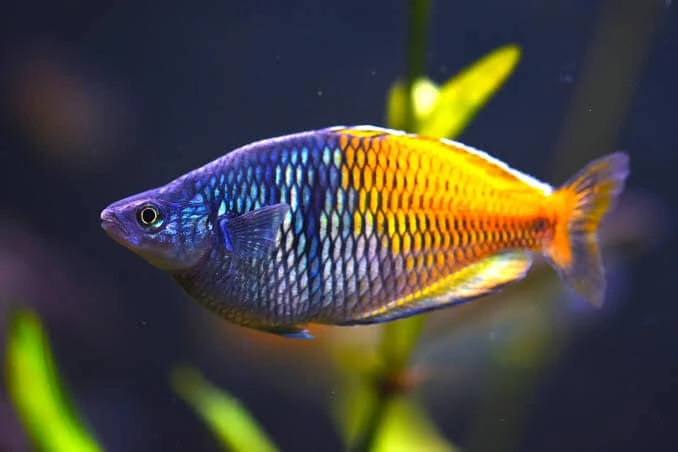
Boesemani Rainbowfish
Melanotaenia boesemani
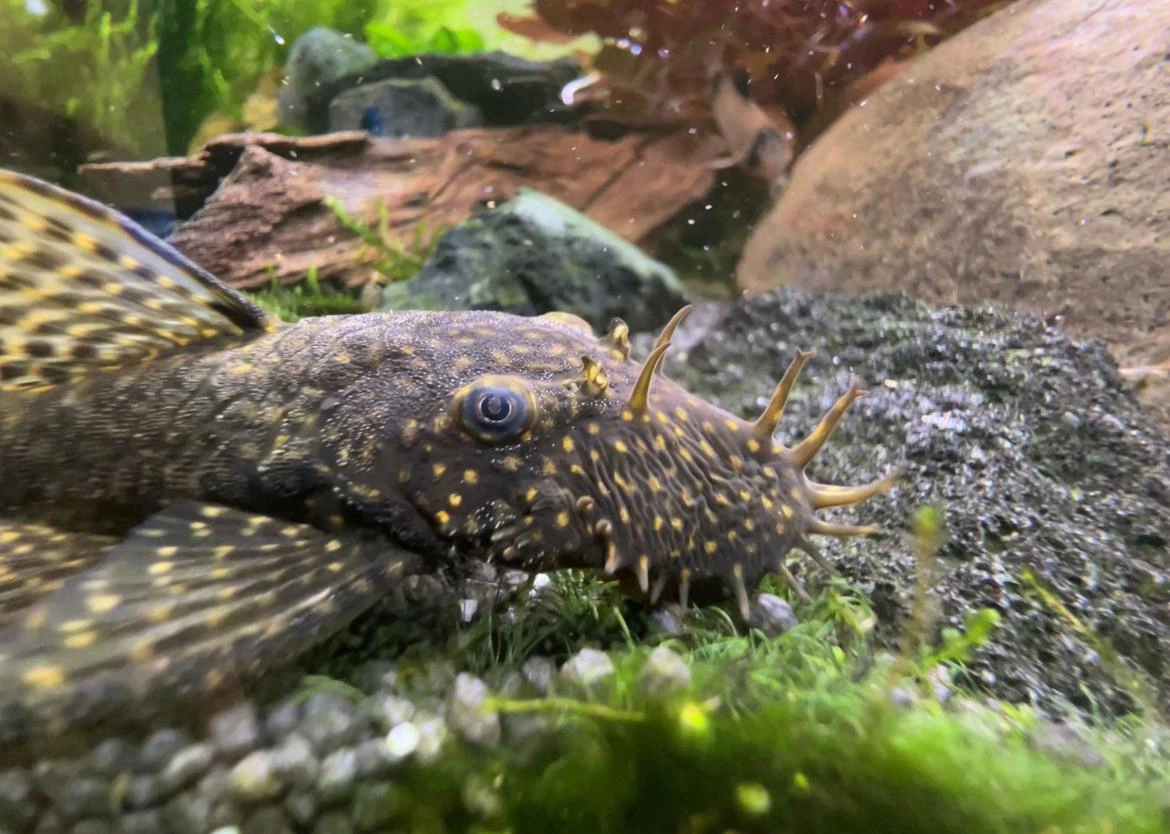
Bristlenose Pleco
Ancistrus sp.
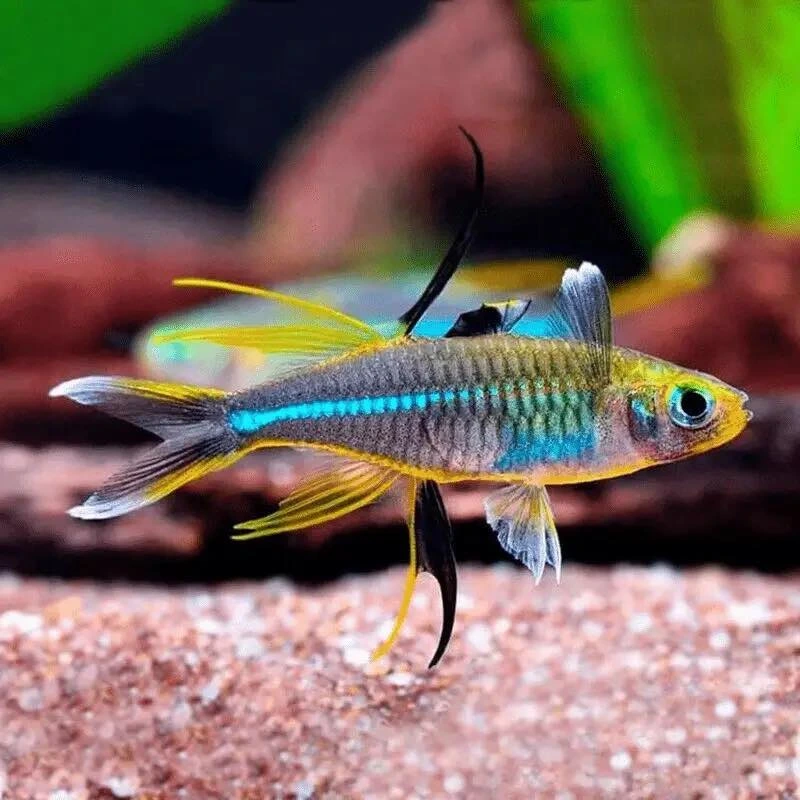
Celebes Rainbowfish
Marosatherina ladigesi
Ready to Add Moonlight Gourami to Your Tank?
Use our free stocking calculator to check compatibility, bioload, and get personalized recommendations.