
Care Requirements
Adult Size
3.1" (8cm)
Min Tank
20 gal
Temperature
75-84°F
pH Range
5.5-7.5
Lifespan
3-5 years
Min Group
6+ fish
Diet
Omnivore
Swim Level
Top
Bioload
1/10
Hardness
2-15 dGH
About Splash Tetra
The Splash Tetra performs one of the most extraordinary reproductive behaviors in the entire fish kingdom: pairs leap completely out of the water to deposit eggs on the undersides of overhanging leaves above the waterline. This seemingly impossible feat protects eggs from aquatic predators while creating a unique challenge — keeping aerial eggs moist until hatching. The male solves this by remaining below and rhythmically splashing water onto the eggs every 15-20 minutes for 2-3 days straight.
This remarkable behavior isn't aquarium mythology — it's well-documented scientific fact that has fascinated biologists since its discovery. The coordinated leap, upside-down egg deposition, and dedicated splashing represent sophisticated behavioral evolution solving predation pressure in a unique way. No other fish regularly deposits eggs above water with active parental moisture maintenance.
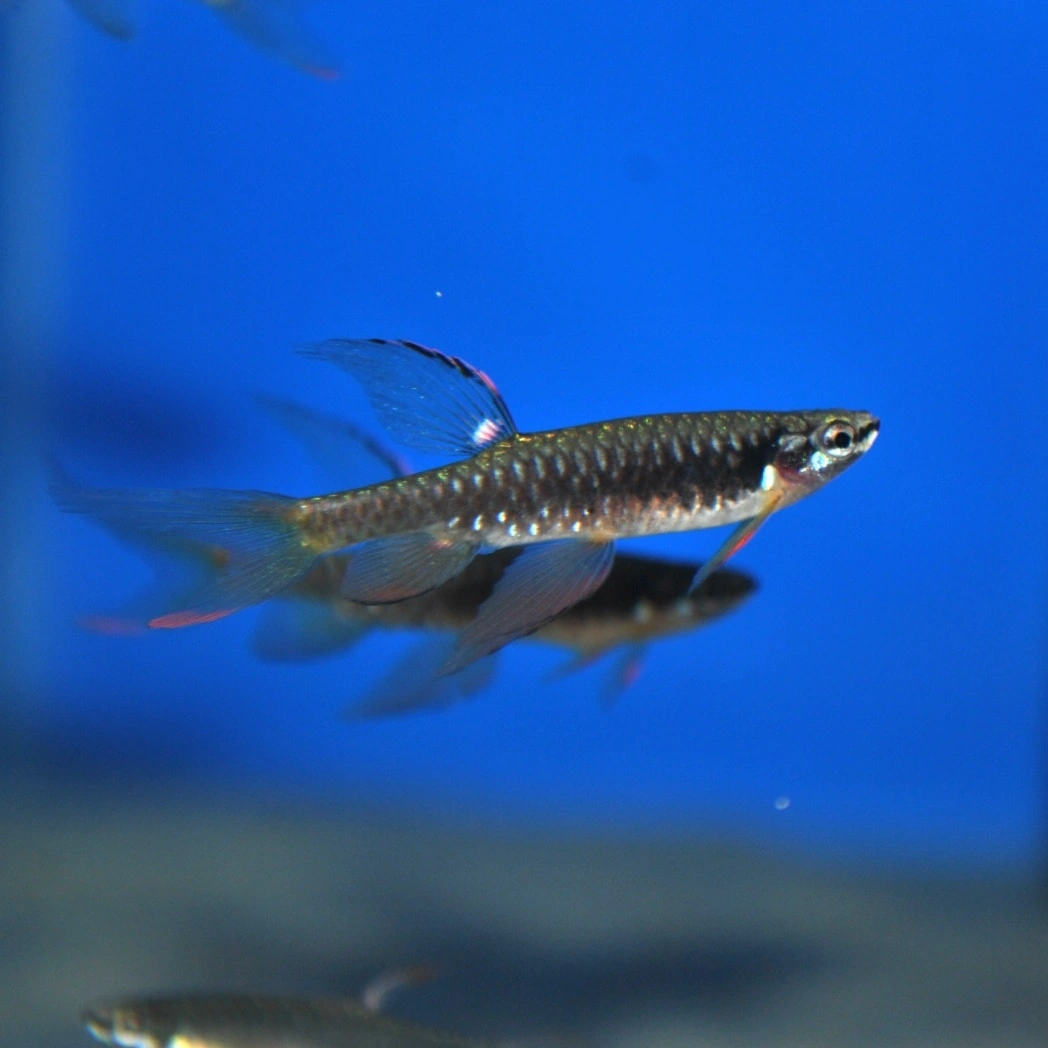
Beyond their famous reproduction, Splash Tetras are attractive fish in their own right. Males display elongated fins and iridescent coloration, with golden-brown bodies featuring red-tipped fins and a prominent lateral stripe. Females are plainer but still pleasant. They're surface-oriented fish, spending time at or near the water surface where their upward-facing mouths can capture floating insects and food.
Keeping Splash Tetras requires accommodating their unique needs: lower water levels leaving airspace below the cover, overhanging surfaces (leaves, tank covers) where spawning can occur, and secure lids preventing escape during breeding leaps. They're not difficult fish otherwise, but their setup requirements differ from typical aquariums. The reward for proper accommodation is witnessing one of nature's most unusual spawning behaviors firsthand.
Natural Habitat & Origin
Splash Tetras inhabit the lower Amazon basin and its tributaries in Brazil, particularly in areas with dense overhanging vegetation. They occupy shaded forest streams where trees and shrubs extend over the water, providing the crucial overhanging surfaces required for their unique spawning behavior. Without vegetation above the water, they cannot reproduce.
Their natural habitat features soft, acidic, tannin-stained water typical of Amazonian blackwater and clearwater streams. Temperature is consistently warm, and water chemistry is influenced by decomposing vegetation and forest leaf litter. Current is generally gentle in the margins and backwaters they prefer.
The evolution of their aerial spawning behavior reflects intense predation pressure on eggs in Amazonian waters. Countless species target fish eggs, making aquatic egg deposition risky. By placing eggs above water, Splash Tetras remove them from all aquatic threats. The trade-off — eggs requiring moisture in air — is solved by the male's dedicated splashing behavior.
Surface orientation in their natural habitat allows feeding on insects that fall onto the water, a significant food source in forested streams. Their upturned mouths and surface-dwelling behavior reflect this feeding ecology. They're typically found in groups, providing the social context for spawning and predator vigilance.
Native Region
South America — Amazon basin, lower Amazon tributaries (Brazil)
Habitat Type
Forest streams with overhanging vegetation
Wild Water Conditions
Warm (25-29°C), soft, acidic, tannin-stained
Appearance & Varieties
Splash Tetras are moderately-sized for tetras, reaching approximately 3 inches (8 cm), with males growing larger and more colorful than females. Body shape is elongated and somewhat compressed, with a distinctly upturned mouth adapted for surface feeding. Male coloration features a golden-brown to olive body with iridescent highlights, a prominent dark lateral stripe, and fins adorned with red coloration. Male fins are noticeably elongated, especially the dorsal and anal fins. Females are smaller (around 2.5 inches), plainer in coloration, and lack the elongated finnage.
Popular Varieties
| Variety | Description | Rarity |
|---|---|---|
| Wild-Type | Golden-brown body with dark lateral stripe and red-tipped fins. The natural form; males more colorful with elongated fins. | Uncommon in trade |
Tank Setup & Requirements
Quick Requirements Summary
Tank Size
Minimum Tank Size
20 gallons
Recommended Tank Size
30 gallons
Splash Tetra setup must accommodate their unique spawning behavior. This means lower water levels, overhanging surfaces above the water, and secure lids.
Water Parameters
Soft, slightly acidic water is preferred and essential for breeding success. They tolerate moderate hardness for general keeping. Warm, stable temperatures encourage breeding behavior. Temperature 24-29°C (75-84°F), pH 5.5-7.5, hardness 2-15 dGH.
Substrate
They're surface fish rarely interacting with substrate. Choose based on aesthetic preference or tankmate needs. Dark substrates may enhance their coloration through contrast.
Plants & Decorations
CRITICAL: Lower water level leaving 3-4 inches of airspace below lid for spawning. Provide overhanging surfaces (pothos trailing from above, angled tank lids, plastic strips) where eggs can be deposited above water. Floating plants provide surface cover and security. Emergent plants with leaves above water create ideal spawning sites.
Filtration & Water Flow
Good water quality matters but strong surface current disrupts their feeding zone. Direct filter output below surface or use baffles. Sponge filters work well for gentle filtration.
Lighting
Floating plants naturally create preferred dappled lighting conditions. They're not light-sensitive but appreciate some surface cover.
Diet & Feeding Guide
Diet Type
omnivore
Feeding Frequency
1-2 times daily
Portion Size
Small amounts consumed within a few minutes. Surface feeding means food should float long enough for consumption.
Splash Tetras are omnivores with surface-feeding specialization. Their upturned mouths are adapted for taking food from the water surface.
Best Foods for Splash Tetra
- Floating foods — Floating pellets and flakes match their natural feeding zone. Should be a dietary staple.
- Live insects — Flightless fruit flies, small crickets — dropped on the water surface trigger excellent feeding response.
- Frozen foods — Bloodworms, brine shrimp, daphnia — readily accepted.
- Live foods — Daphnia, brine shrimp, mosquito larvae (at surface) — trigger strong feeding response.
- Quality flakes — Standard quality flakes are readily accepted as they float at the surface.
Foods to Avoid
- Only sinking foods — They prefer surface feeding. Sinking foods may be ignored or only partially consumed.
In community tanks, ensure surface-dwelling Splash Tetras receive their share before food sinks to other zones.
Behavior & Temperament
Splash Tetra behavior is dominated by their surface orientation and, during breeding, their remarkable spawning behavior. They're active fish spending most time in the upper water column, watching for food falling onto the surface.
The famous spawning behavior occurs when conditioned pairs leap simultaneously out of the water, briefly adhering upside-down to an overhanging surface where eggs are deposited and fertilized. After spawning, the male rhythmically splashes water onto eggs every 15-20 minutes for 2-3 days until hatching.
Outside breeding, they're peaceful schooling fish showing typical tetra social behavior. Males display to females and compete subtly with rival males. Their jumping ability makes secure lids essential at all times.
Tank Mates: Compatibility Guide
Compatible Tank Mates
Share water parameter preferences and peaceful temperament. Occupy different zones.
Peaceful bottom dwellers leaving surface zone to Splash Tetras.
Occupy bottom to mid-water; peaceful coexistence.
Fellow surface dwellers sharing similar requirements.
Peaceful mid-water fish compatible in planted setups.
Peaceful coexistence; Splash Tetras ignore shrimp.
Tank Mates to Avoid
Large or aggressive fish
Will harass or eat them.
Very active surface feeders
Competition for surface food zone may be problematic.
Fin nippers
Male's elongated fins make attractive targets for nippy species.
Splash Tetra breeding is the species' claim to fame. Setup requires lower water level (3-4 inches below spawning surface), overhanging surfaces for egg deposition, soft acidic water, and warm temperature. Spawning typically occurs in the morning. The pair leaps together, adhering briefly upside-down while eggs are deposited. Males splash water onto eggs every 15-20 minutes for 2-3 days until hatching. Fry require tiny foods (infusoria, newly-hatched brine shrimp).
Health Issues & Disease Prevention
Splash Tetras are reasonably hardy when their basic requirements are met. They're not particularly disease-prone but require attention to water quality and secure lids.
Common Diseases
| Disease | Symptoms | Treatment |
|---|---|---|
| Ich | White spots, scratching, clamped fins. | Raise temperature to 82-84°F, add salt cautiously in soft water. Standard treatment protocols. |
| Fin rot | Deteriorating fin edges, particularly affecting males' elongated fins. | Improve water quality; antibacterial medication for severe cases. |
| Jump injuries/deaths | Fish found outside tank or with trauma. | Prevention only — secure all tank openings. Jumping is natural behavior. |
| Columnaris | White patches, cottony growth, rapid decline. | Antibacterial medication, improved water quality. |
Signs of a Healthy Splash Tetra
- Surface-oriented activity
- Good coloration in males
- Active feeding response
- Schooling behavior
- Clear fins and eyes
Prevention Tips
- Secure all potential escape routes
- Maintain good water quality
- Provide varied diet
- Keep in appropriate groups
- Ensure proper setup with airspace for breeding
Frequently Asked Questions
Yes — this is documented scientific fact, not aquarium legend. Breeding pairs leap completely out of the water, briefly adhering upside-down to overhanging surfaces where eggs are deposited. The male then splashes water onto the eggs every 15-20 minutes for 2-3 days until hatching.
Predation pressure drove this evolutionary adaptation. Amazonian waters contain countless organisms that eat fish eggs. By placing eggs above water, Splash Tetras remove them from all aquatic threats. The trade-off is that aerial eggs risk drying out, but male splashing behavior solves this.
Yes — standard aquariums filled to the rim won't work. You need lower water levels leaving 3-4 inches of airspace between water surface and spawning surfaces. Overhanging surfaces (plant leaves extending above water, angled plastic strips) provide spawning sites.
Yes — jumping is natural behavior for them, especially during spawning, startlement, or feeding excitement. Secure lids with no gaps are mandatory. This isn't a species for open-top tanks.
The male splashes water onto aerial eggs every 15-20 minutes, continuously, for 2-3 days until hatching. This is exhausting dedication — he barely feeds during this period.
General keeping isn't especially difficult — they're hardy fish. The challenge is setup: breeding requires specific conditions (airspace, overhanging surfaces) that standard aquariums don't provide. Secure lids are non-negotiable due to their jumping nature.
Tips for Keeping Splash Tetra
Pro Tips
- ✓Use pothos trailing from above — provides ideal natural spawning sites.
- ✓Glass lid can work if angled properly above water surface.
- ✓Watch for spawning early morning — that's when it typically occurs.
- ✓Breeding pairs form naturally in groups of 6+.
Common Mistakes to Avoid
- ✗Standard filled-to-top tanks — cannot breed without airspace.
- ✗Open-top or gapped lids — escaped fish are inevitable.
- ✗Expecting breeding in hard, alkaline water — soft, acidic water needed.
- ✗Keeping singly or in pairs only — groups allow natural pair formation.
- ✗Only sinking foods — poor feeding for these surface specialists.
Sources
- FishBase — Accepted scientific name, maximum size and native range for Splash Tetra.
Related Species You Might Like
View All Fish →
Spotted Headstander
Chilodus punctatus
Black Neon Tetra
Hyphessobrycon herbertaxelrodi
Black Phantom Tetra
Hyphessobrycon megalopterus
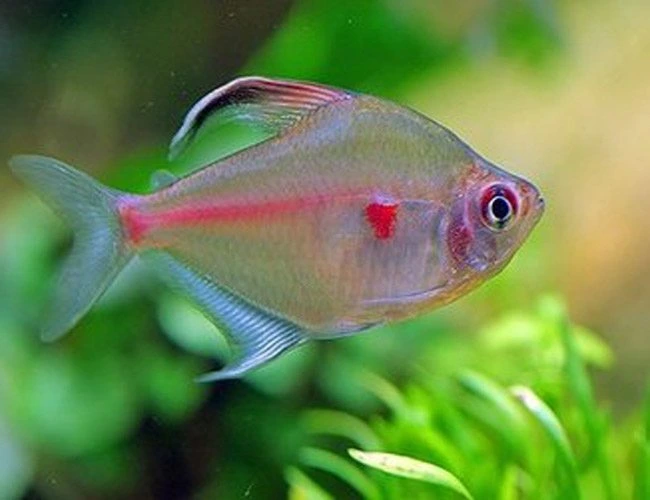
Bleeding Heart Tetra
Hyphessobrycon erythrostigma
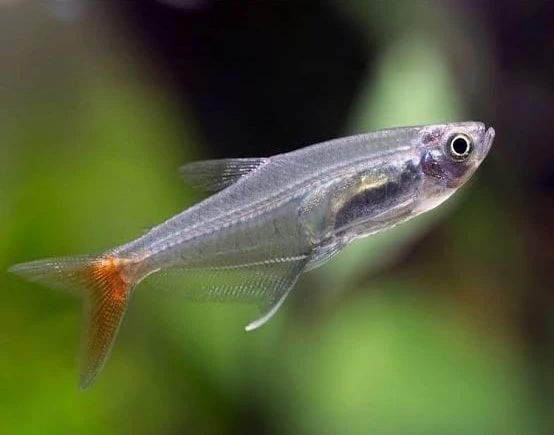
Bloodfin Tetra
Aphyocharax anisitsi
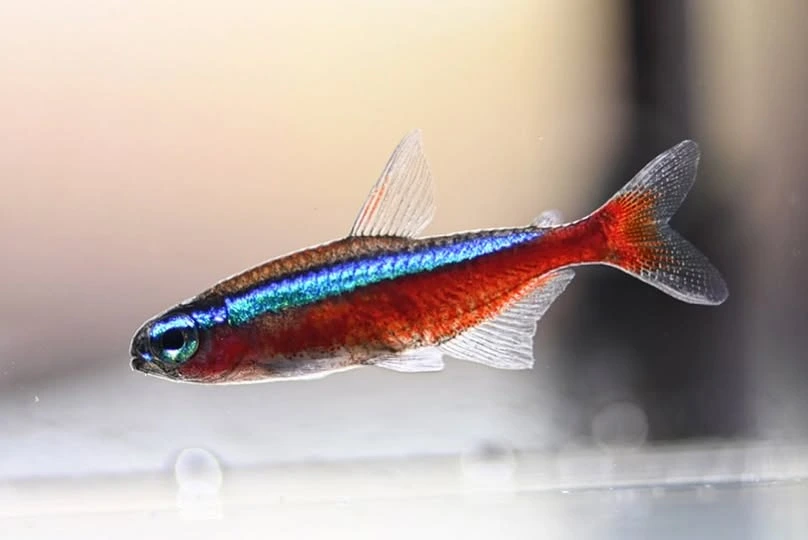
Cardinal Tetra
Paracheirodon axelrodi

Colombian Tetra
Hyphessobrycon columbianus
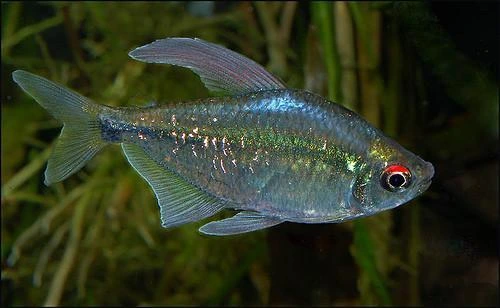
Diamond Tetra
Moenkhausia pittieri
Ready to Add Splash Tetra to Your Tank?
Use our free stocking calculator to check compatibility, bioload, and get personalized recommendations.