
Pearl Weed Care Guide
Micranthemum micranthemoides (syn. Hemianthus micranthemoides)
Reviewed by the AquariumStocking team · Updated August 2026
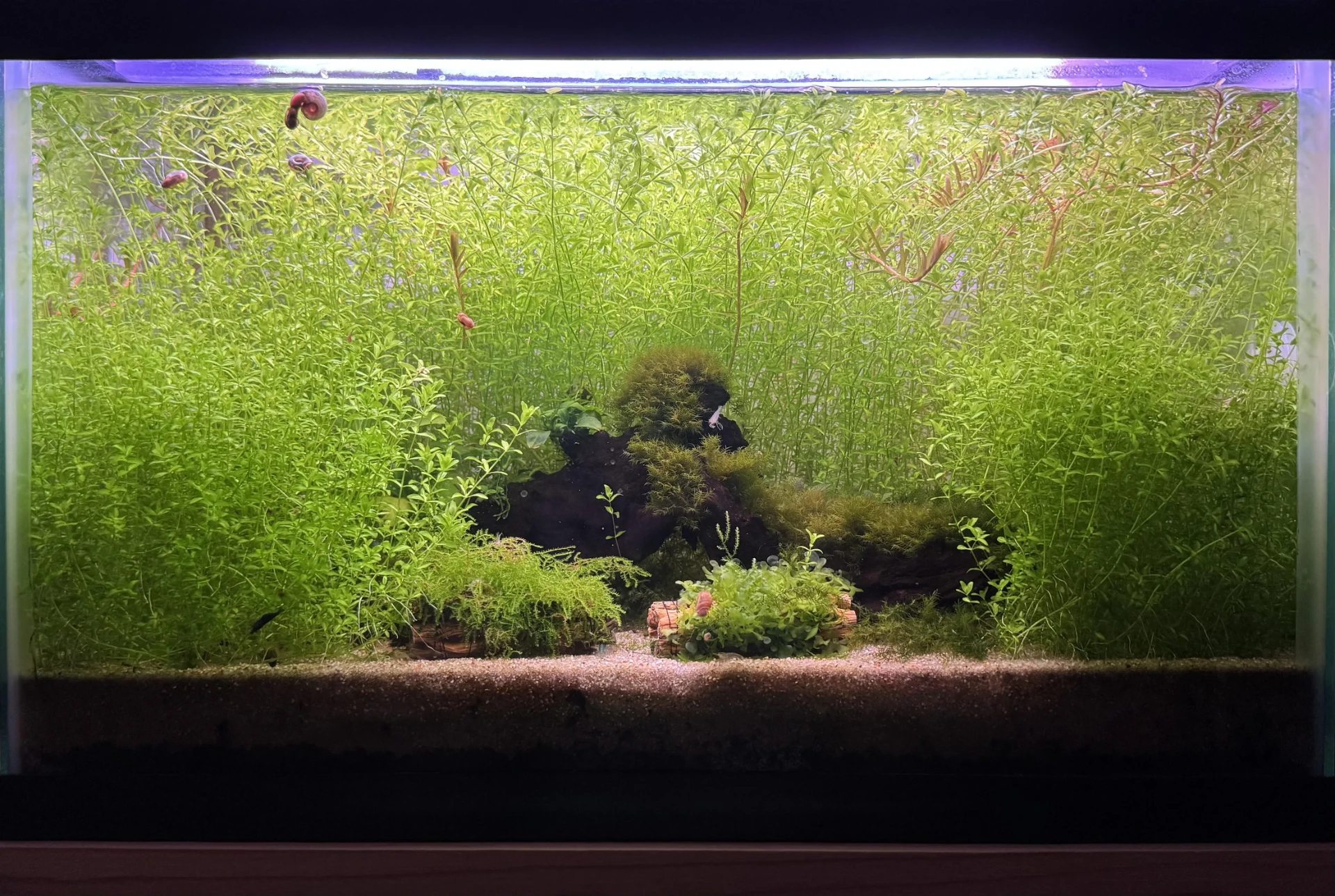
The only plant here that is both a stem plant and a carpet — the difference is entirely in how often you cut it, and it carpets without the CO2 that dwarf hairgrass wants.
Pearl Weed quick facts
- Light demand
- Medium
- CO2 requirement
- Beneficial
- Difficulty
- Beginner
- Growth rate
- Fast
- Placement
- Foreground / Midground
- Growth habit
- Stem
- Substrate need
- Nutrient substrate helps
- Max size
- 25 cm (9.8 in) tall, ~15 cm wide
- pH
- 6.0–7.5
- Hardness
- 3–15 dGH
- Propagation
- Cuttings — every trimmed top replants and roots
- Temperature
- 20–28 °C (68–82 °F)
It will grow in inert gravel with root tabs, but a fine-grained nutrient substrate is what makes the carpet route work — the horizontal runners need something they can root into every few centimetres.
Overview
Pearl weed is two different plants depending on how you cut it, and that is the whole reason to buy it. Left alone, it grows upward as a fine-stemmed bushy plant that reaches twenty centimetres or more and works as a midground filler. Trimmed hard and often, the same plant abandons the vertical and spreads sideways into a low, dense carpet.
Nothing else in this database does both. Dwarf hairgrass only ever carpets; hornwort only ever grows up. Pearl weed responds to the scissors, and the plant you end up with is a decision you make rather than a property of the species.
The second reason to choose it is easier to state: it will carpet without CO2. Dwarf hairgrass technically will too, but slowly and unreliably, and most people who try it without injection give up. Pearl weed under a moderate light with a nutrient substrate and regular trimming produces a carpet in a low-tech tank — which makes it the honest recommendation for someone who wants ground cover and is not running a cylinder.
Its name is a taxonomic mess, which is more interesting than it sounds and worth reading before you go shopping.
What you're buying
What is on the label and what is in the pot are frequently different plants. Two names dominate the shelf and they refer to plants of very different sizes.
Pearl weed vs dwarf baby tears
Hemianthus callitrichoides "Cuba" (dwarf baby tears) is a tiny high-light, CO2-dependent carpet. Pearl weed has larger leaves in whorls up a visible stem and is far more forgiving. Shops shelve them side by side.
Emersed stock is the norm
Most pots are grown out of water, with thicker, rounder leaves. That growth melts back after planting and is replaced by finer submersed leaves. Expect it and do not pull the plant out.
Buy more than you think
A carpet from a single pot takes months. Two or three pots split into small clumps and spaced a couple of centimetres apart closes over in weeks instead.
Tissue-culture cups are the cleaner option — no snails, no algae, no pesticide residue — and one cup splits into far more clumps than a potted bunch of the same price.
Retail names are unreliable enough here that the leaf shape is a better guide than the tag: pearl weed carries small rounded leaves in whorls of three or four around an obvious stem.
Light, CO2 & nutrients
Light
Medium
CO2
Beneficial
Fertilisation
Water column and root tabs
Light
Medium light is the target, and it is more important for the carpet route than the bush route. Ground-covering growth is a response to light reaching the substrate — under a dim fixture the plant reaches upward instead, and no amount of trimming will change that.
Under strong light it stays compact and the internodes shorten, which is exactly what you want in a carpet. Under weak light it goes leggy: long bare stems with leaves only at the tips.
It will also shade itself. A dense patch left untrimmed blocks light from its own lower growth and the bottom of each stem strips bare, which reads as a lighting problem but is really a trimming problem.
CO2
Beneficial, not required — an important distinction for this plant specifically, because it is the reason people choose it over dwarf baby tears or hairgrass.
With CO2 the carpet closes in weeks and stays visibly denser. Without it the plant still spreads and still carpets, just at a slower pace and with slightly larger gaps between runners.
If you are running liquid carbon instead, pearl weed handles it without complaint — unlike vallisneria, which melts when dosed with glutaraldehyde products.
Deciding whether CO2 is worth it here? Work out the rate →
Nutrients
Feed both routes. Pearl weed takes nutrients through its leaves and its roots, so a water-column dose plus a nutrient substrate or root tabs gives noticeably better growth than either alone.
Nitrogen shortage shows first: older lower leaves yellow and drop while the tips keep growing. In a fast-growing carpet that is easy to hit, because the plant is producing a lot of tissue.
Iron matters for colour. Well-fed pearl weed is a bright fresh green; iron-short plants go pale and slightly washed out across the newest growth.
Water & temperature
pH
6.0–7.5
Hardness
3–15 dGH
Temperature
20–28 °C (68–82 °F)
Undemanding. Soft to moderately hard water, pH from mildly acidic to neutral, and any temperature in the normal tropical range all work.
It prefers stability to any particular number, and a large sudden change in parameters is the usual trigger for a melt in freshly planted stock.
Gentle flow across the carpet helps it stay clean. In dead spots, detritus settles into the mat and the lower growth suffocates under it.
Planting
- 1Separate the pot into small clumps of three or four stems each — the more starting points, the faster the carpet closes.
- 2Strip the lower leaves from each clump so a clean two centimetres of stem goes into the substrate.
- 3For a carpet, plant clumps two to three centimetres apart in a grid across the whole area you want covered.
- 4For a midground bush, plant them one centimetre apart in a tight group and let them grow up together.
- 5Push each clump in with tweezers at a slight angle; vertical planting pops back out.
- 6Expect the emersed leaves to melt within two weeks. Leave the plant alone — the submersed regrowth comes from the same stems.
The planting decides the shape as much as the trimming does: widely spaced clumps trimmed low become a carpet, tightly grouped clumps left alone become a bush. Choose before you plant, not after.
Placement & aquascaping role
As a carpet it belongs at the front, where the light reaches the substrate and where a low green mat does the most for the layout.
As an untrimmed bush it works in the midground, filling the space between the foreground and taller background stems without reaching the surface.
It is also one of the better plants for the middle ground of a nano tank, where a full-size stem plant would overwhelm the scale and a true carpet would be too slow.
Growth, trimming & maintenance
Trimming is the control. Cut the growing tips at two to three centimetres above the substrate and the plant responds by branching sideways — repeat that every couple of weeks and the horizontal runners knit into a carpet.
Stop trimming and it reverts. Within a month of being left alone a carpet starts sending vertical stems up again, and the flat surface breaks up.
For the bush route, top the stems when they reach the height you want and replant the cuttings into the same clump to thicken it.
Thin the mat occasionally rather than only cutting the top. A carpet more than three or four centimetres deep goes brown and hollow underneath, and the whole mat can lift off the substrate as a sheet.
The trimmings float and settle everywhere. Net them out at the end of a trim or you will find pearl weed rooting in every corner of the tank.
Propagation
Every trim is a propagation event. Pearl weed cuttings root readily, and the tops you remove during a normal maintenance session are the material you use to extend the carpet.
It also spreads on its own once established, sending horizontal shoots across the substrate that root as they go — the mechanism that turns spaced clumps into continuous cover.
- 1Cut healthy tops three to four centimetres long with sharp scissors.
- 2Strip the leaves from the bottom centimetre of each cutting.
- 3Plant them straight into the gaps in the carpet — no rooting period is needed.
- 4Keep spacing tight if you want fast coverage; two centimetres between cuttings is plenty.
- 5Trim the new pieces once they take hold, to push them sideways rather than up.
Troubleshooting & diagnosis
Three problems account for nearly everything: legginess from too little light or too much self-shading, melt from the emersed transition, and a carpet that will not form because the plant has never been cut.
| Symptom | Likely cause | Fix |
|---|---|---|
| Long bare stems with leaves only at the top | Insufficient light, or the patch shading its own lower growth | Raise light levels or thin the patch; trim the tops to force branching lower down. |
| Melting back within two weeks of planting | Normal emersed-to-submersed transition | Leave it. New submersed leaves grow from the same stems; pulling it out is the only way to lose the plant. |
| Growing upward instead of spreading | Not being trimmed — the plant defaults to vertical growth | Cut it back to two or three centimetres every couple of weeks. More light will not carpet it on its own. |
| Carpet lifting off the substrate as a sheet | The mat has grown too deep and the base has rotted out | Remove the mat, replant fresh healthy tops, and thin more often in future. |
| Pale, washed-out new growth | Iron or general micronutrient shortage | Dose a complete micronutrient fertiliser; colour recovers in the new leaves. |
| Clumps floating loose after planting | Planted too shallow, or fish disturbing the substrate | Replant deeper with tweezers; use plant weights for the first fortnight in a tank with active diggers. |
Natural habitat & origin
Native range
Atlantic coastal United States — tidal river margins from New York to Florida
Habitat type
Freshwater tidal mudflats and river edges, alternately submerged and exposed
Wild growing conditions
Soft water, high light, and a wet substrate rather than permanent submersion
The taxonomy of this plant is genuinely unresolved, and it is not a footnote. Hemianthus micranthemoides was described from the freshwater tidal margins of the eastern United States and has not been reliably recorded in the wild for decades; it is widely regarded as extinct in its native range.
What circulates in the aquarium trade under that name is almost certainly a different plant — most likely another Micranthemum species — propagated commercially and passed between growers for years. Retail labels use "pearl weed", "Hemianthus micranthemoides" and "Micranthemum micranthemoides" more or less interchangeably.
The habitat description above is for the wild species, and it does explain the plant's behaviour: a tidal margin plant that grows emersed at low tide and submersed at high tide is naturally good at both forms, which is exactly what the trade plant does in an aquarium.
For practical purposes the name confusion changes nothing about care. It is worth knowing when you are comparing labels, and it is a reminder that "the same plant" in two shops is not a safe assumption.
Fish & invert compatibility
A young pearl weed carpet is loose in the substrate and comes up easily. The fish that cause problems are not the ones that eat it — they are the ones that dig, because a lifted clump floats away before it has rooted.
Safe with Pearl Weed
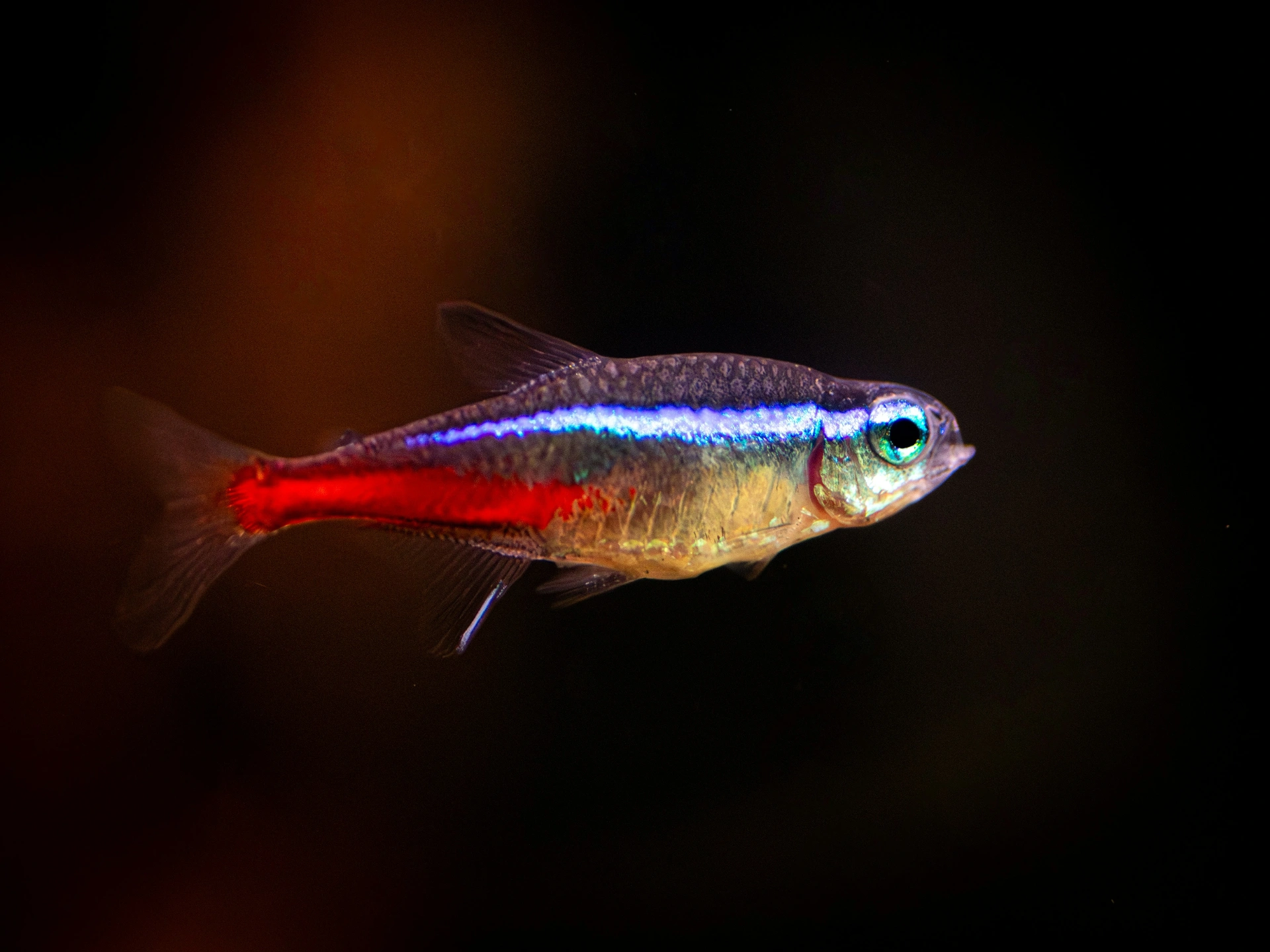 Neon TetraParacheirodon innesi
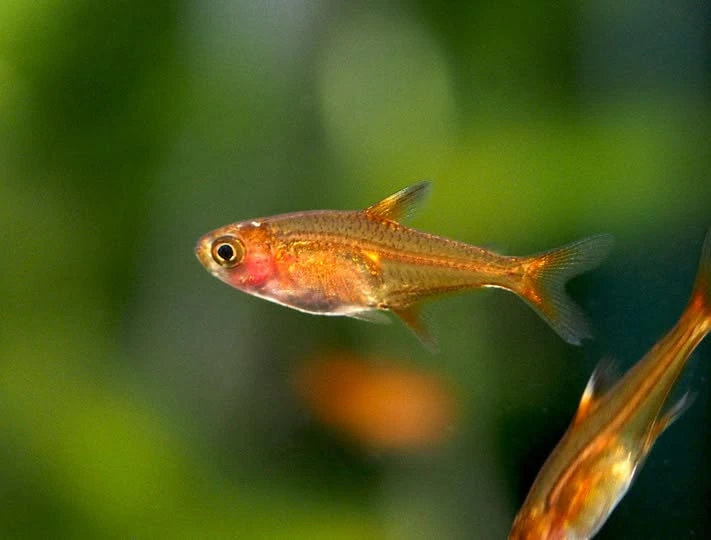 Ember TetraHyphessobrycon amandae
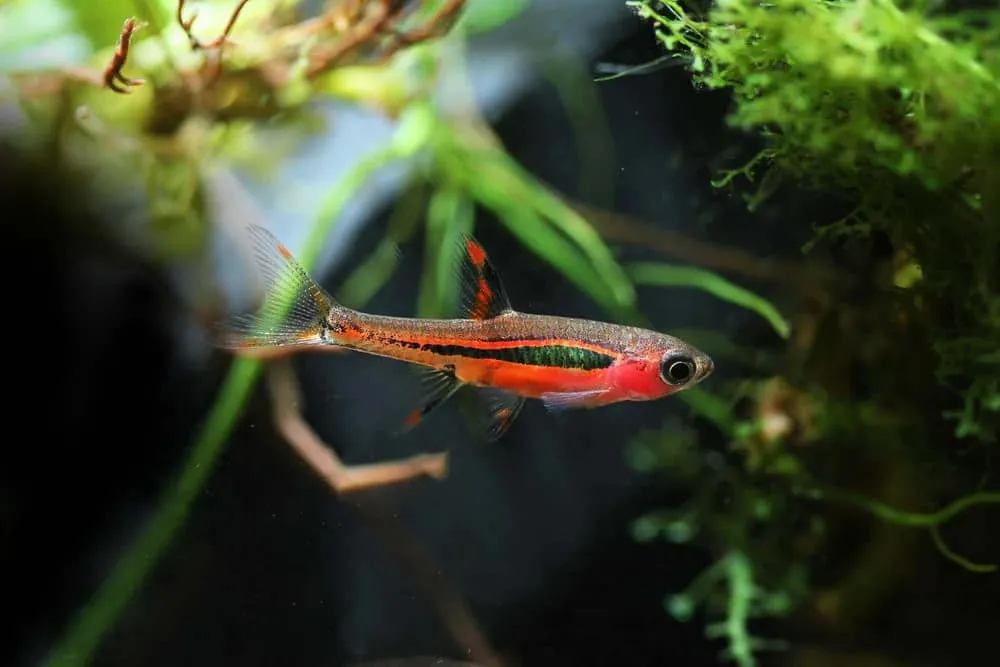 Chili RasboraBoraras brigittae
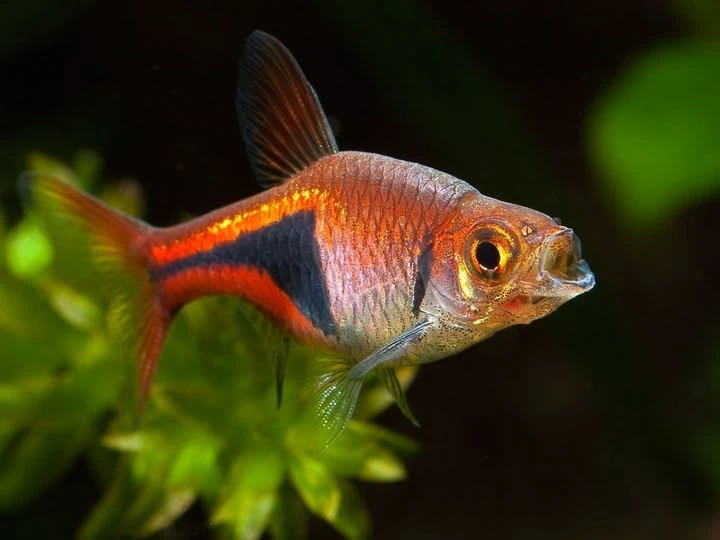 Harlequin RasboraTrigonostigma heteromorpha
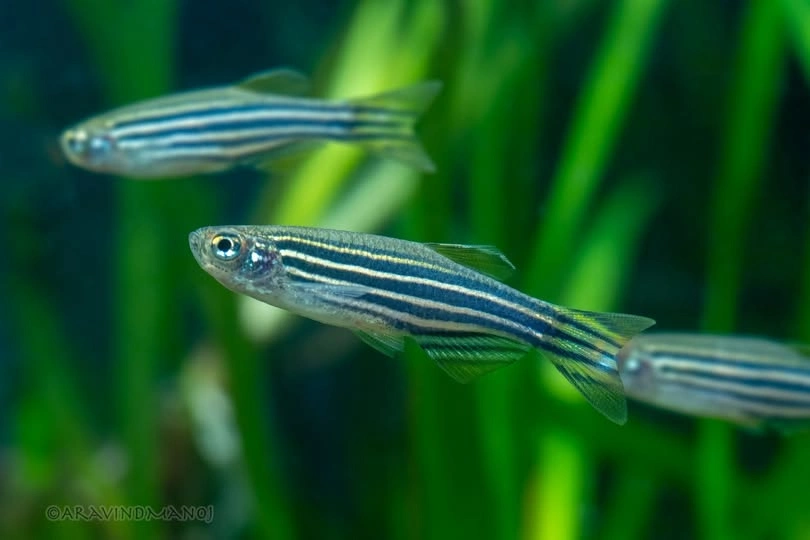 Zebra DanioDanio rerio
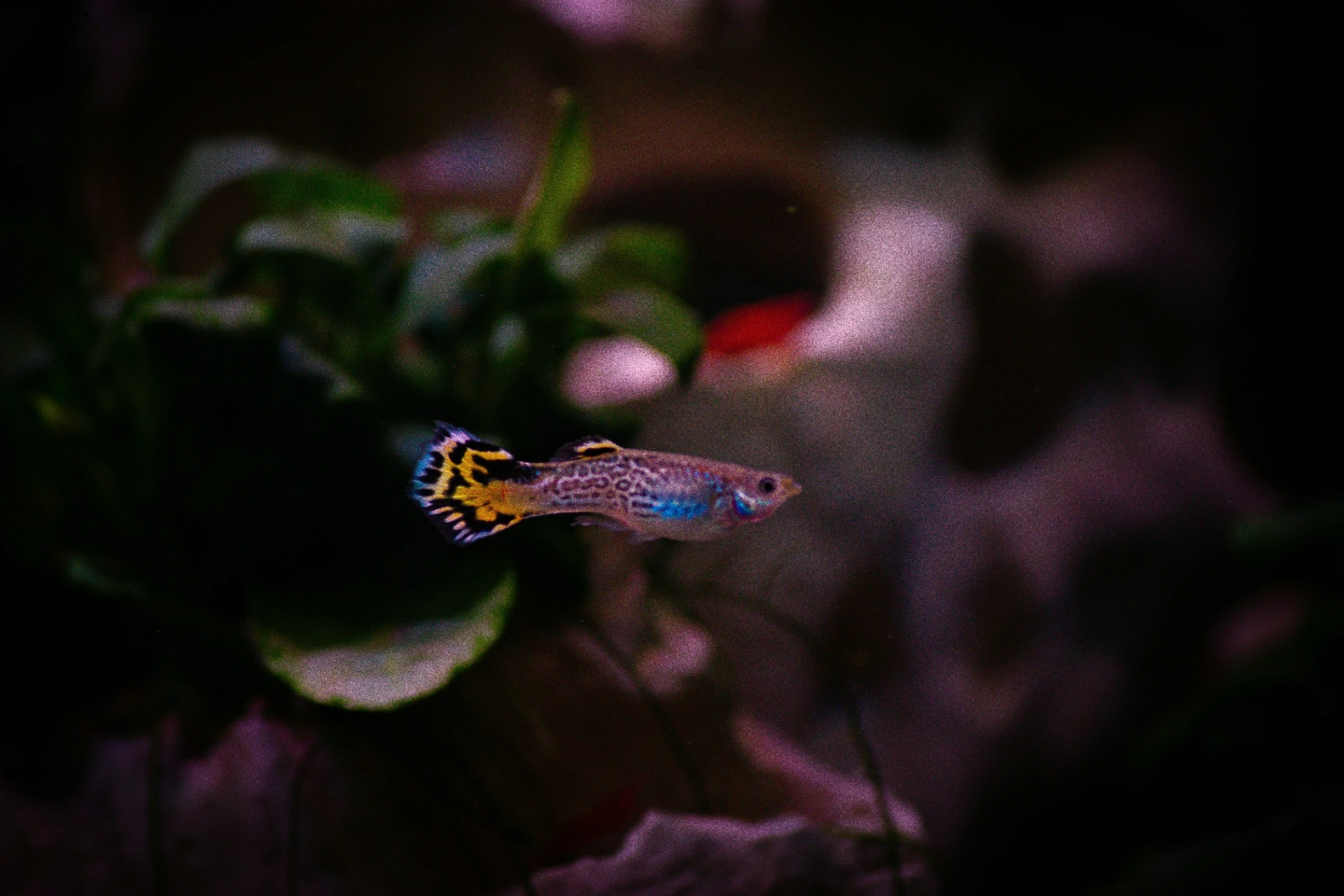 GuppyPoecilia reticulata
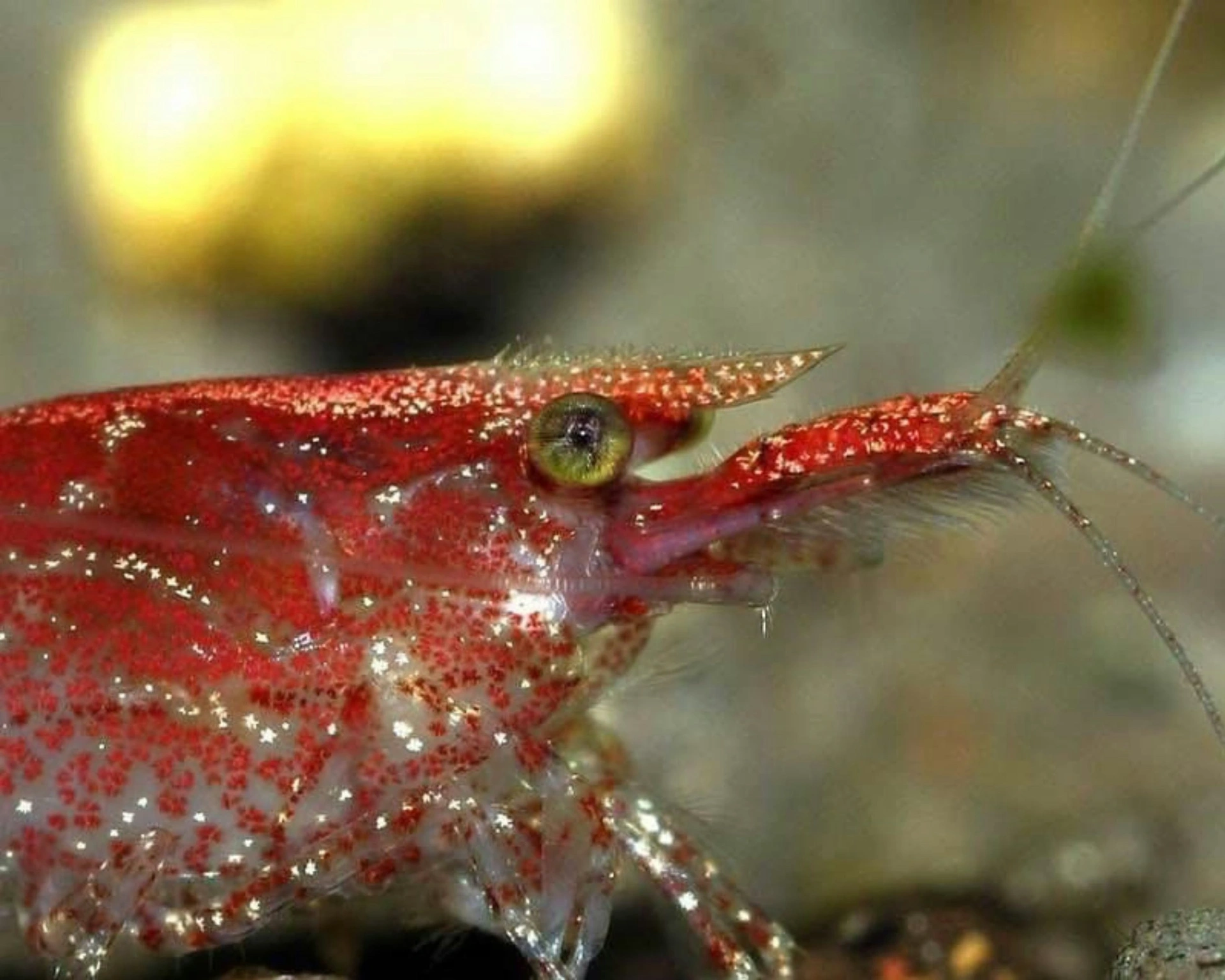 Cherry ShrimpNeocaridina davidi
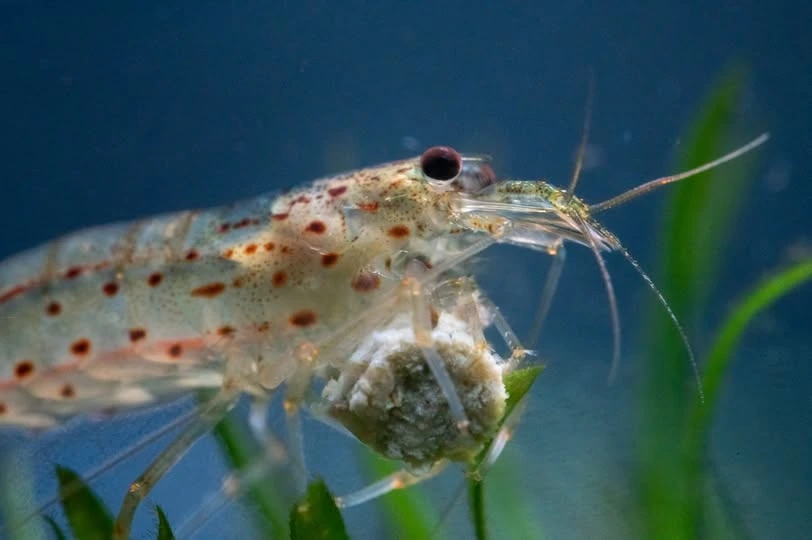 Amano ShrimpCaridina multidentata
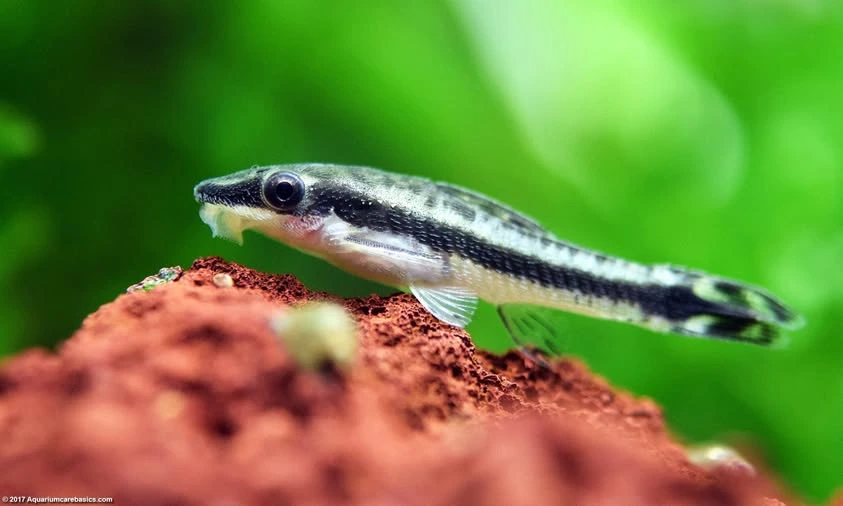 OtocinclusOtocinclus vittatus
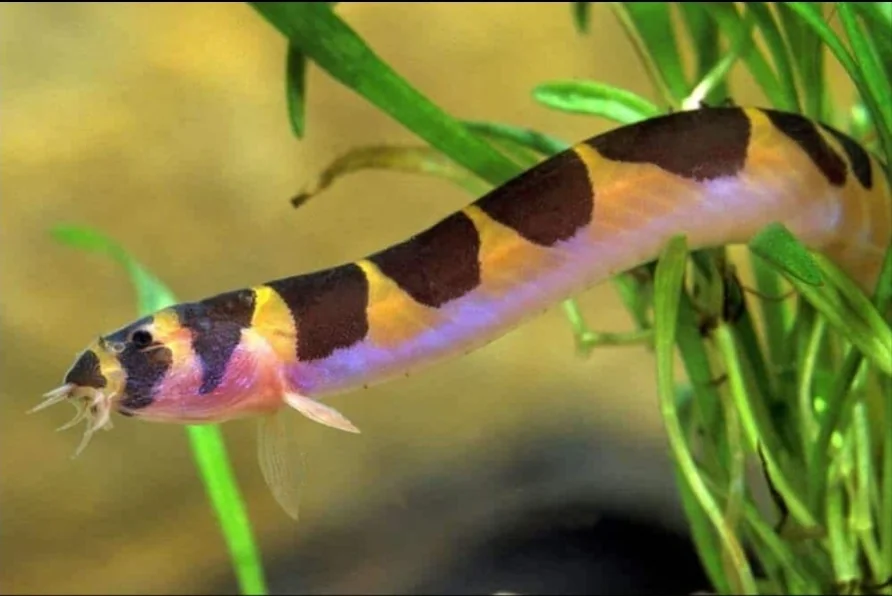 Kuhli LoachPangio kuhlii
Will eat or uproot it
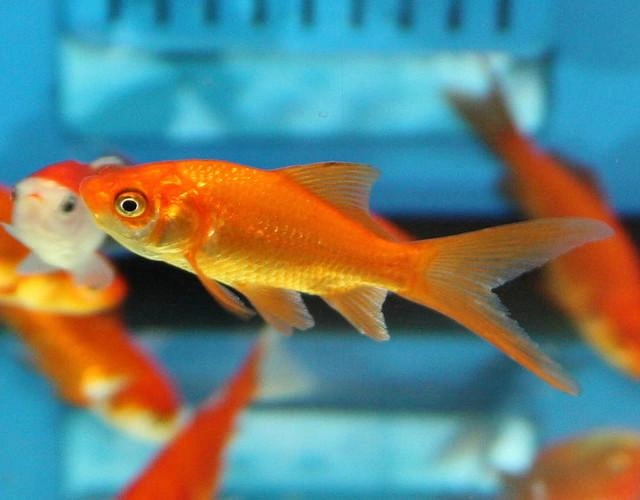


Companion plants
Foreground and midground plants on a similar light budget, so the front of the tank grows at one pace instead of one species smothering another.
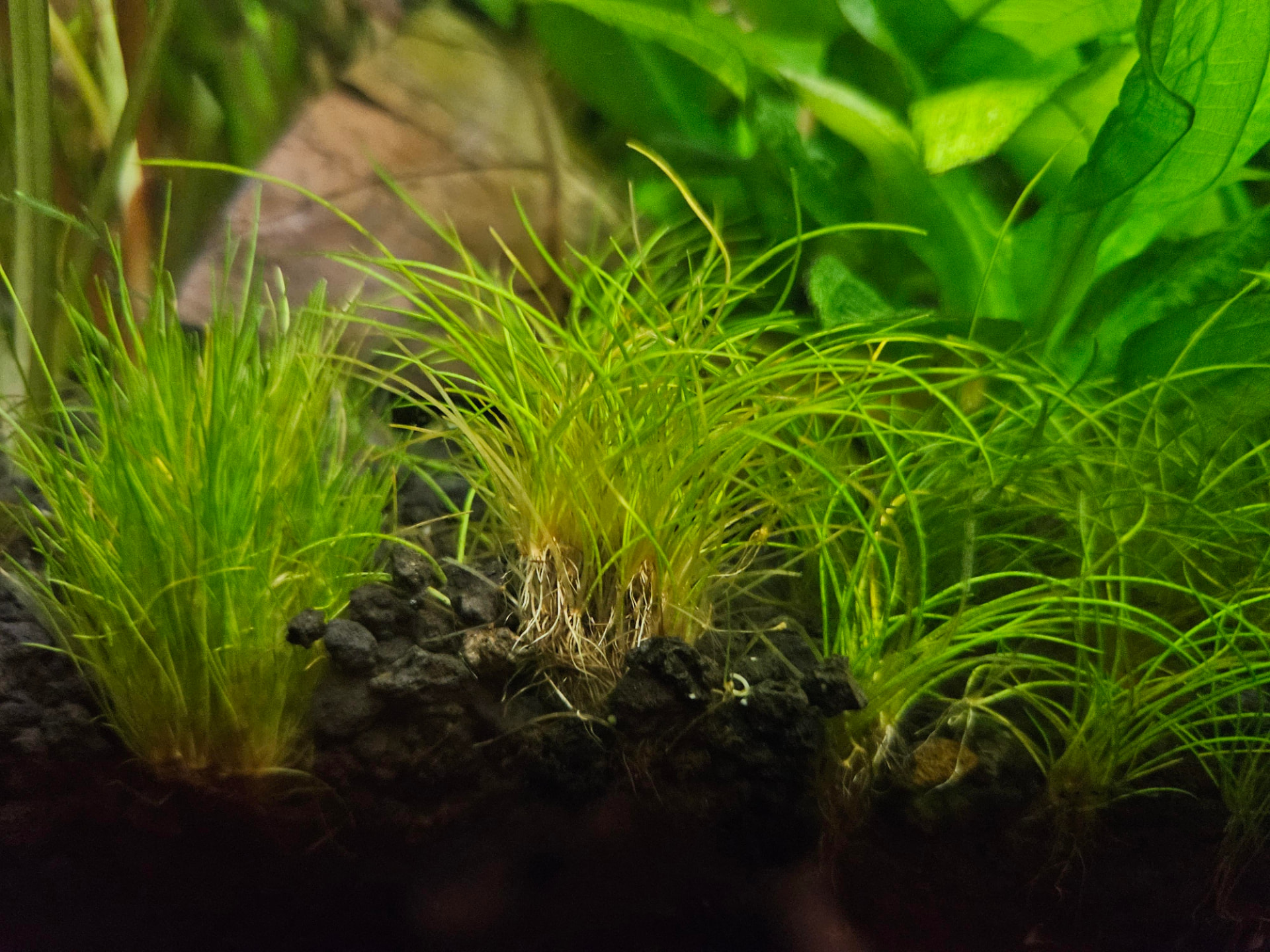
Dwarf Hairgrass
Eleocharis parvula
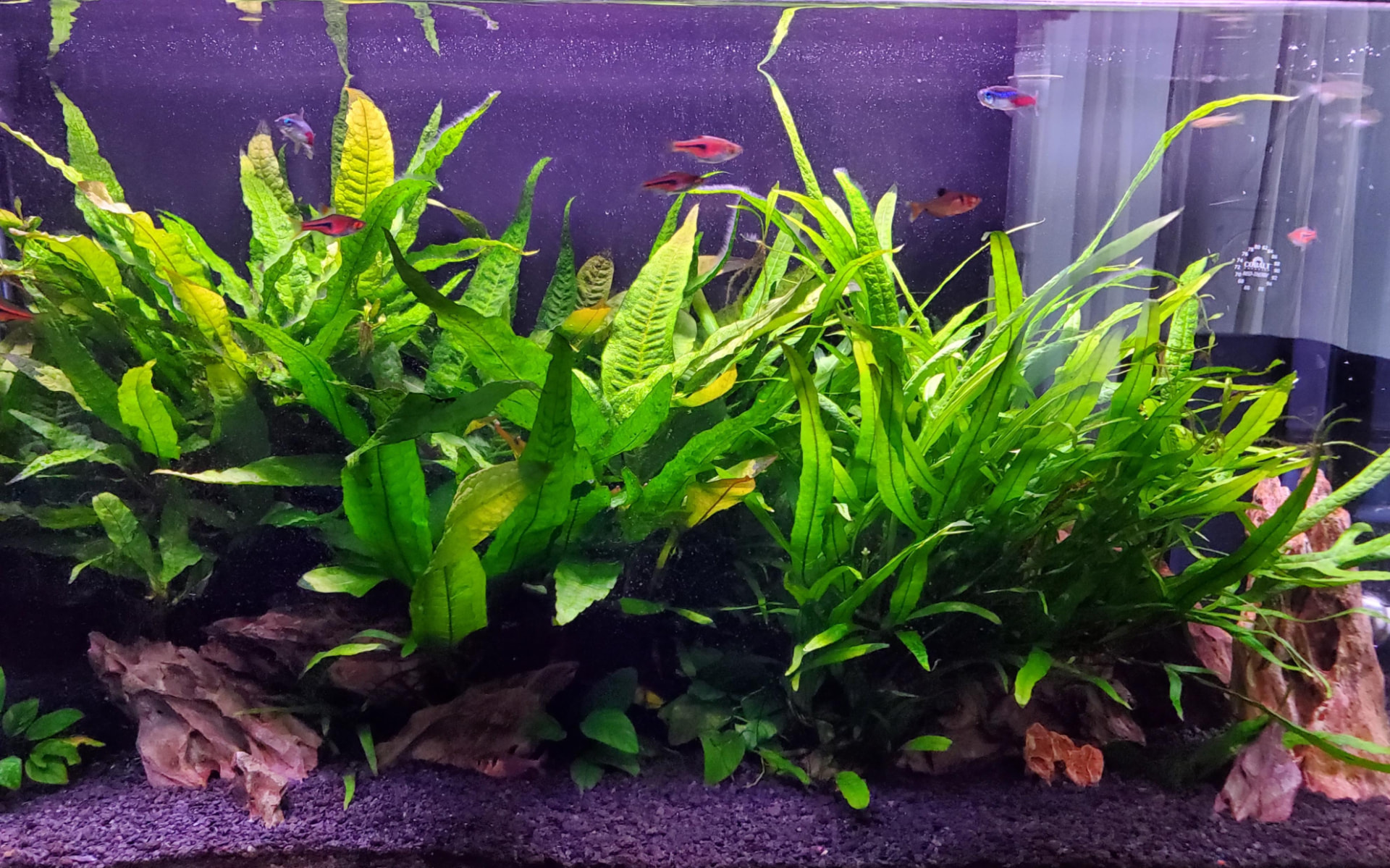
Java Fern
Microsorum pteropus
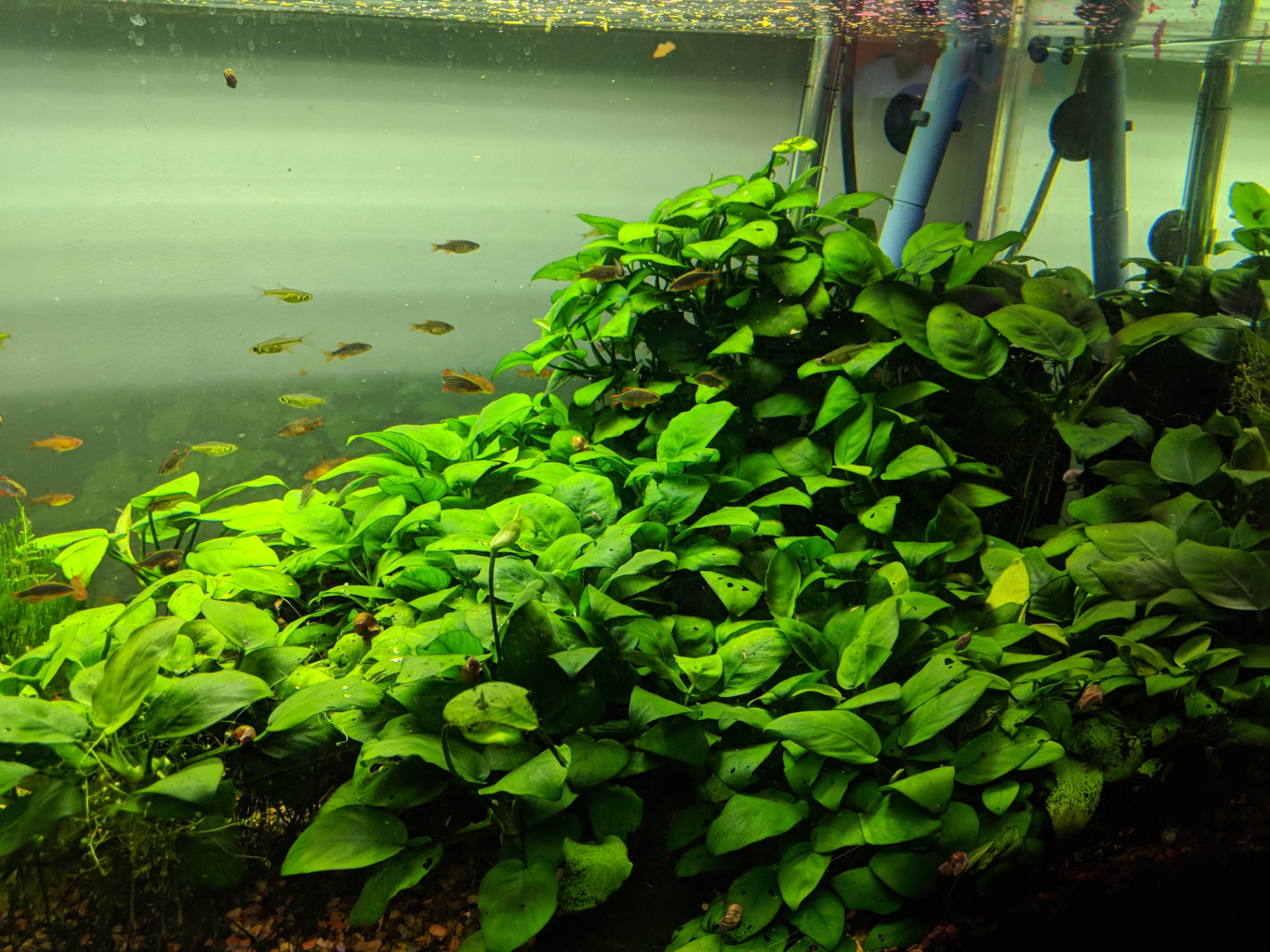
Anubias
Anubias barteri
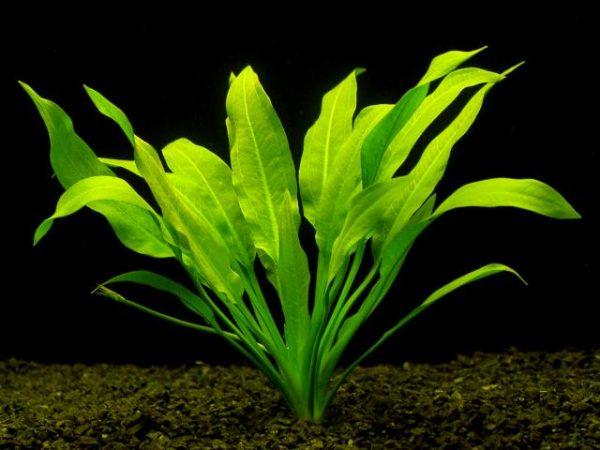
Amazon Sword
Echinodorus grisebachii
Pro tips & common mistakes
Pro tips
- Decide carpet or bush before you plant — the spacing is different and replanting later costs weeks.
- Trim on a schedule rather than when it looks untidy; a fortnightly cut is what produces a flat carpet.
- Net out the floating trimmings immediately or the plant colonises the rest of the tank.
- Root tabs under a carpet make a visible difference even when the water column is well dosed.
- If you want a carpet without CO2, this is the plant — recommend it over dwarf hairgrass to anyone running low-tech.
- Thin the mat as well as trimming the top, so the base does not rot out.
Common mistakes
- Planting one pot and expecting a carpet — it needs many separate starting points.
- Waiting for it to spread on its own instead of cutting it, then adding more light.
- Panicking at the emersed melt and pulling the plant out of the substrate.
- Buying dwarf baby tears by mistake and inheriting a CO2 requirement that pearl weed does not have.
- Letting the mat get deep enough that it lifts off the substrate in one sheet.
Frequently asked questions
Sources
- Plants of the World Online — Accepted name Micranthemum micranthemoides and Hemianthus micranthemoides treated as a synonym.
- NatureServe Explorer — Global rank GH (possibly extinct) — no reliable wild records since the 1940s.
Related plants
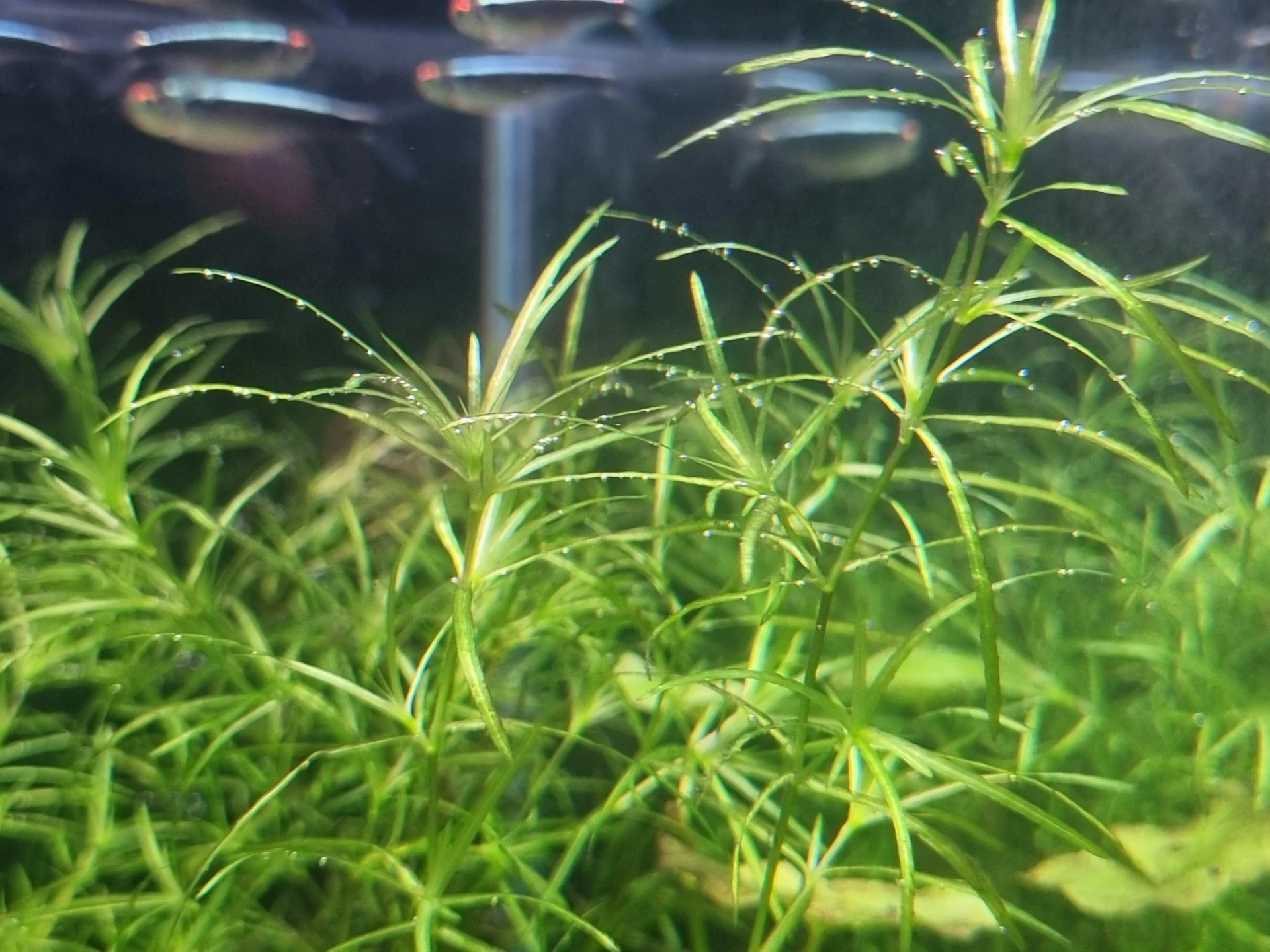
Guppy Grass
Najas guadalupensis
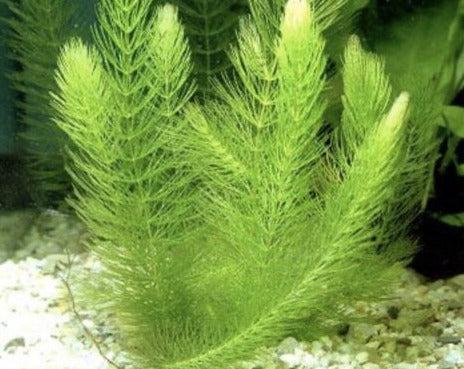
Hornwort
Ceratophyllum demersum
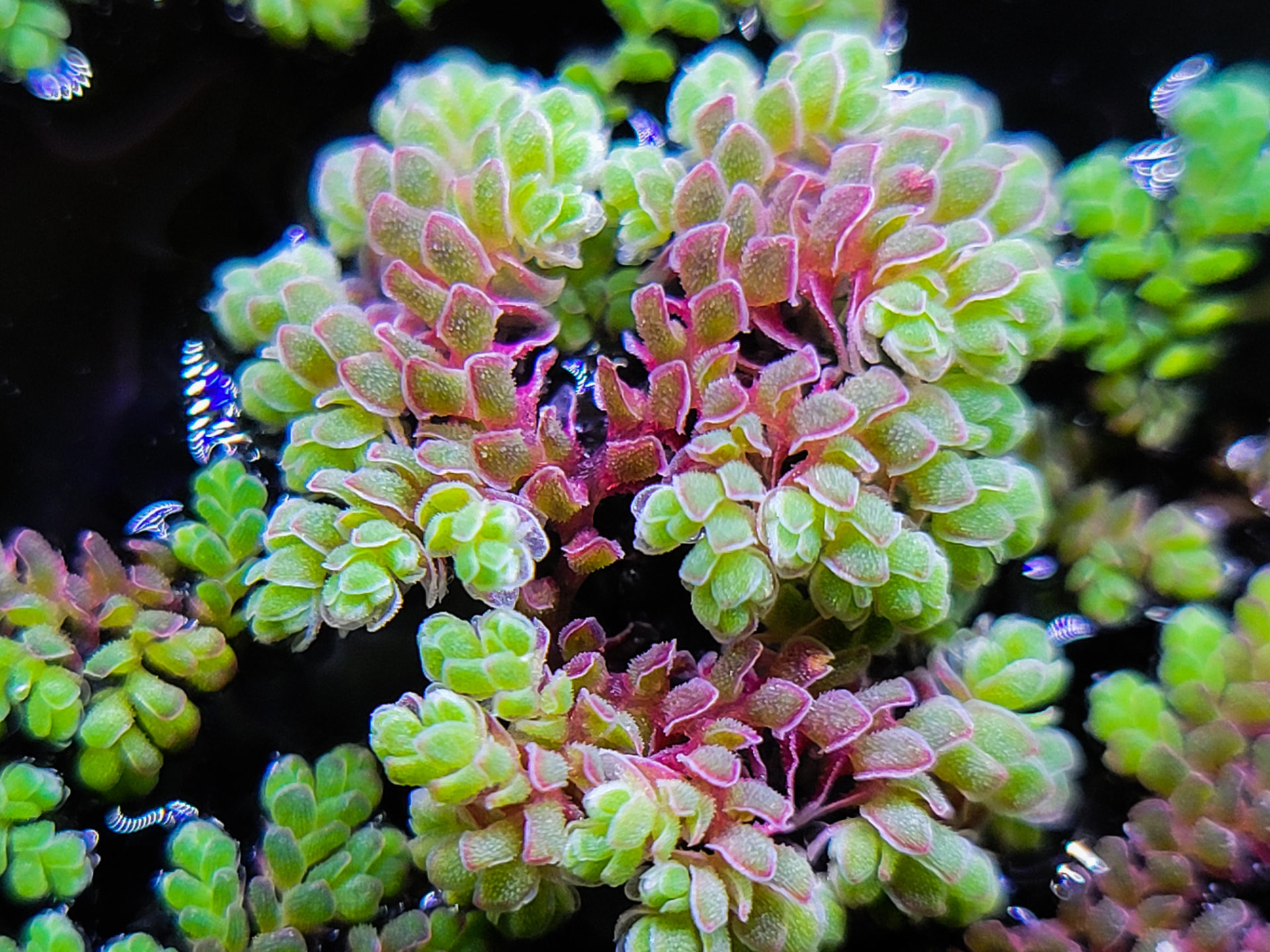
Azolla
Azolla filiculoides
Red Root Floater
Phyllanthus fluitans
Water Lettuce
Pistia stratiotes
Java Moss
Taxiphyllum barbieri
A carpet changes the front of the tank, not its capacity
Planting does absorb waste, but stocking is still decided by filtration and footprint. Check where yours sits before you add the fish the carpet was built for.
Reviewed by the AquariumStocking team · Updated August 2026