
Best Fish for a 200 Gallon Tank
Two hundred gallons is the upper end of dedicated home aquariums — an eight-foot 96x24 build or a very deep six-footer. At this scale almost every home-suitable large fish is on the table: sprawling frontosa colonies, a fire eel with room to stretch, a black ghost knifefish that actually cruises, or a shoal of piranha with space to spare. The sheer volume makes the tank forgiving of parameter drift, but it raises the stakes on hardware — a 200 gallon needs sump-scale filtration and a water-change plan measured in tens of gallons. This is a lifetime tank, built once and stocked deliberately. Every species card here reads its size, temperature, and pH straight from the fish database that also drives the individual profiles, so the two can never fall out of step.
What Fish Can Live in a 200 Gallon Tank?
Two hundred gallons hosts the largest fish that still belong in a home: fire eels, big knifefish, full cichlid colonies, and generous piranha shoals. It's a tank for scale — deep stocking of one bold theme rather than a bit of everything.
203
species fit
55
schooling fish
85
centerpiece & community fish
36
bottom dwellers
6
livebearers
Schooling Fish for a 200 Gallon Tank

Balantiocheilos melanopterus
Grows much larger than most expect. Sold small but needs huge tank as adult. Skittish, can injure itself.
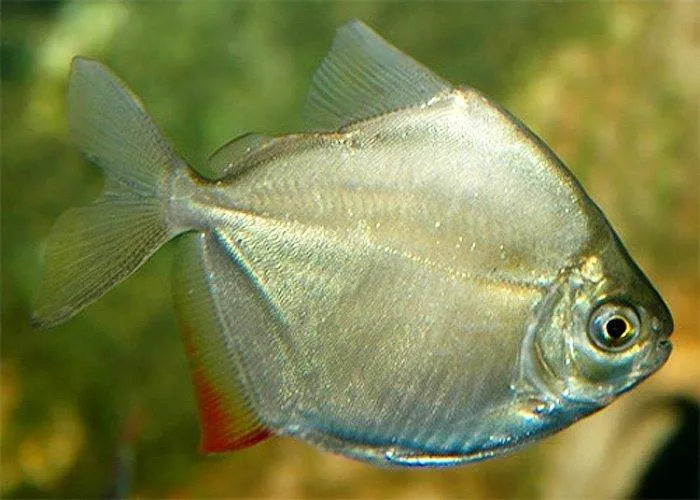
Metynnis argenteus
Will destroy all live plants. Skittish, needs large open swimming area. Peaceful despite size.
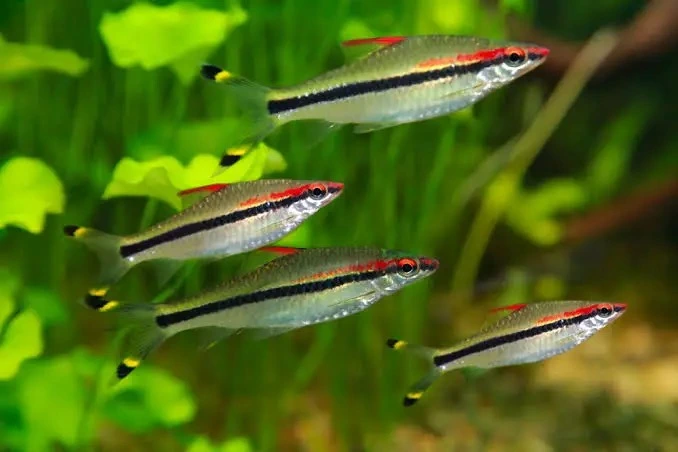
Sahyadria denisonii
Also called Roseline Shark. Endangered in wild - buy captive bred. Fast swimmers, need long tank.
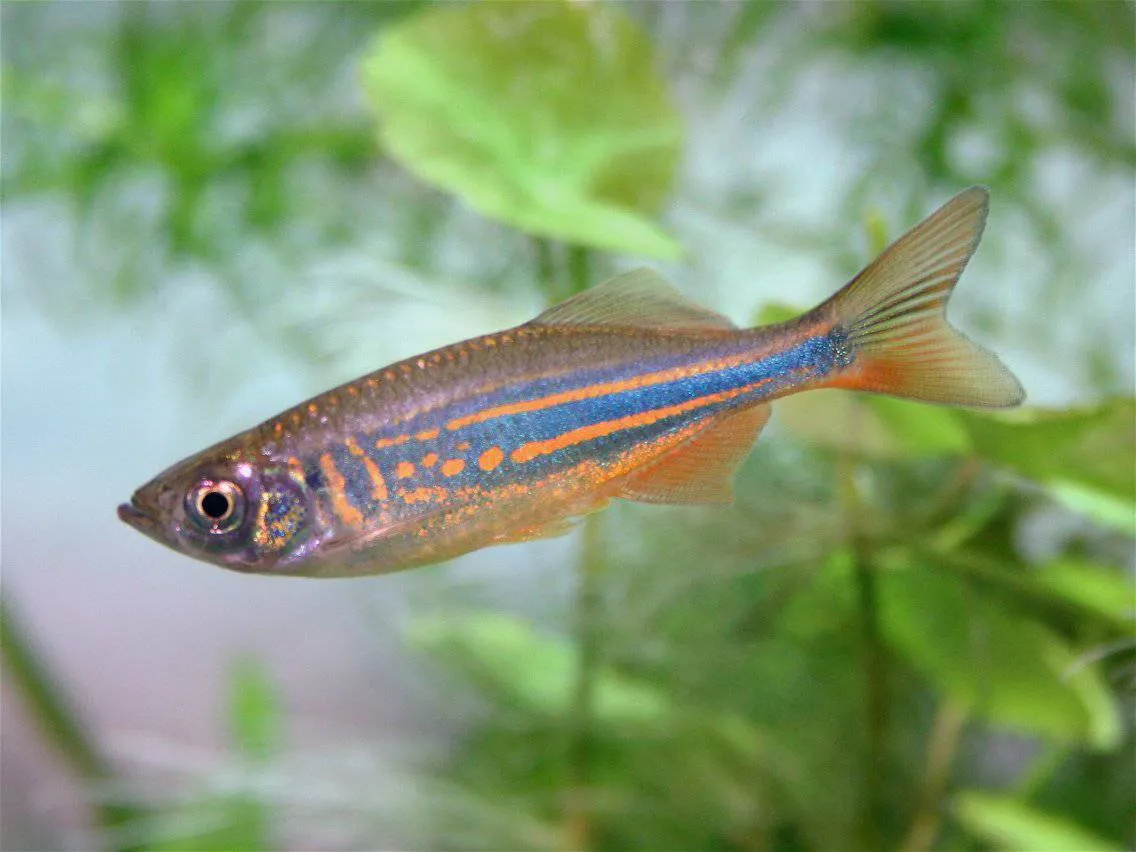
Devario aequipinnatus
Very active and fast swimmer. Needs long tank for swimming. May intimidate slow or shy fish.

Phenacogrammus interruptus
Stunning iridescent males. Shy fish, needs space and plants. Flowing fins can be nipped by other fish.
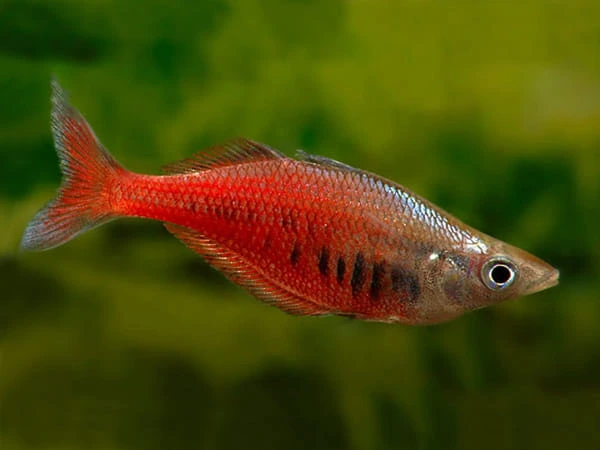
Glossolepis incisus
Males develop stunning deep red coloration with maturity. One of the largest and most colorful rainbowfish. Needs space for active swimming.
Best Community Fish for a 200 Gallon Tank
A 200 gallon community is a gathering of large fish sized to coexist — a big single-species colony, or robust schoolers no predator can swallow. The eight-foot class of tank gives even giants distinct territories and long, uninterrupted swimming lanes.
Centerpiece & Community Fish

Cyphotilapia frontosa
The 'King of Tanganyika'. Grows very large and lives for decades. Slow-growing and slow-moving — predatory but not aggressive.
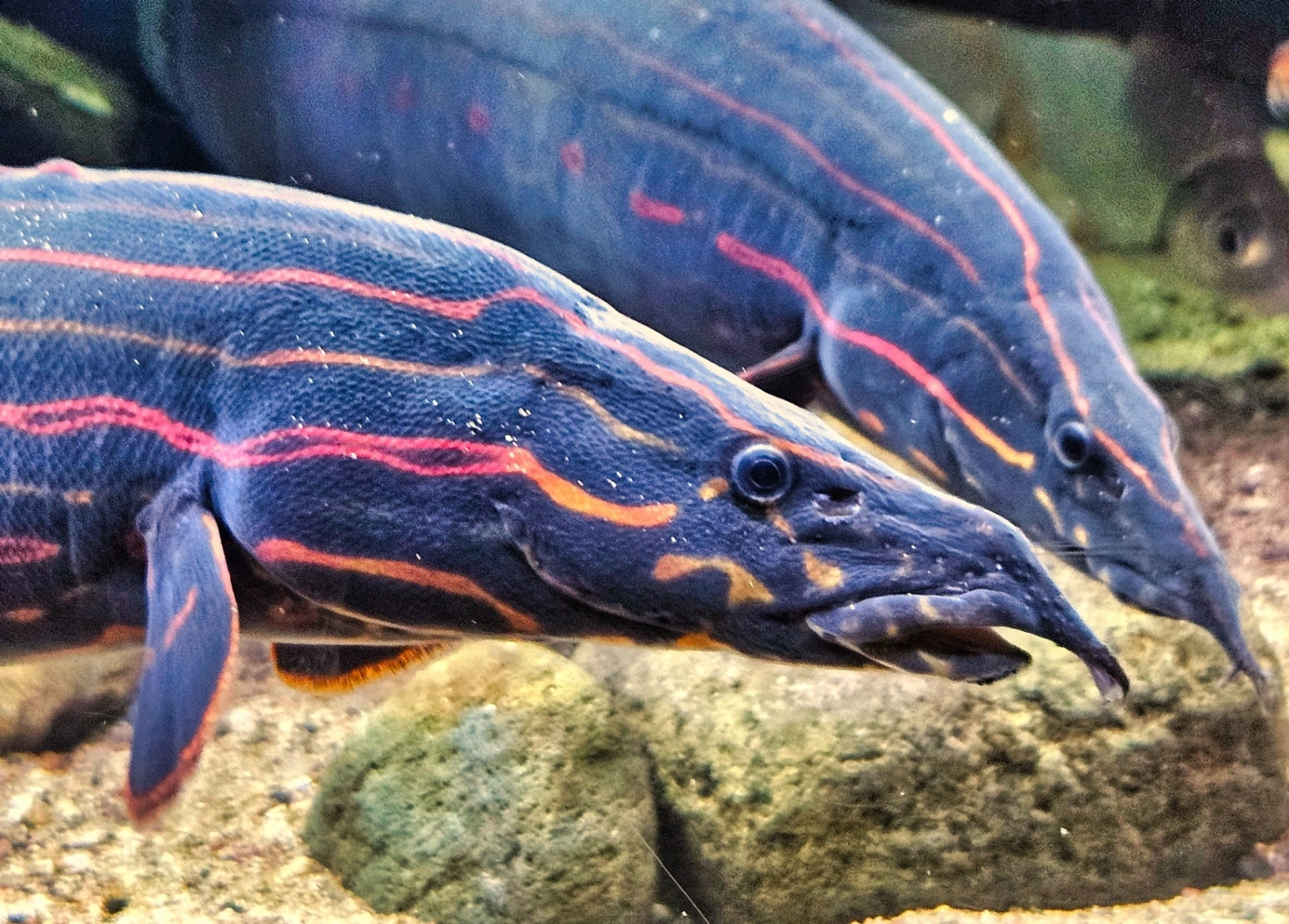
Mastacembelus erythrotaenia
Largest commonly kept spiny eel reaching 3+ feet. Requires sand for burrowing. Nocturnal predator eating small fish. Can be challenging to feed initially. Escape artist requiring tight-fitting lid.
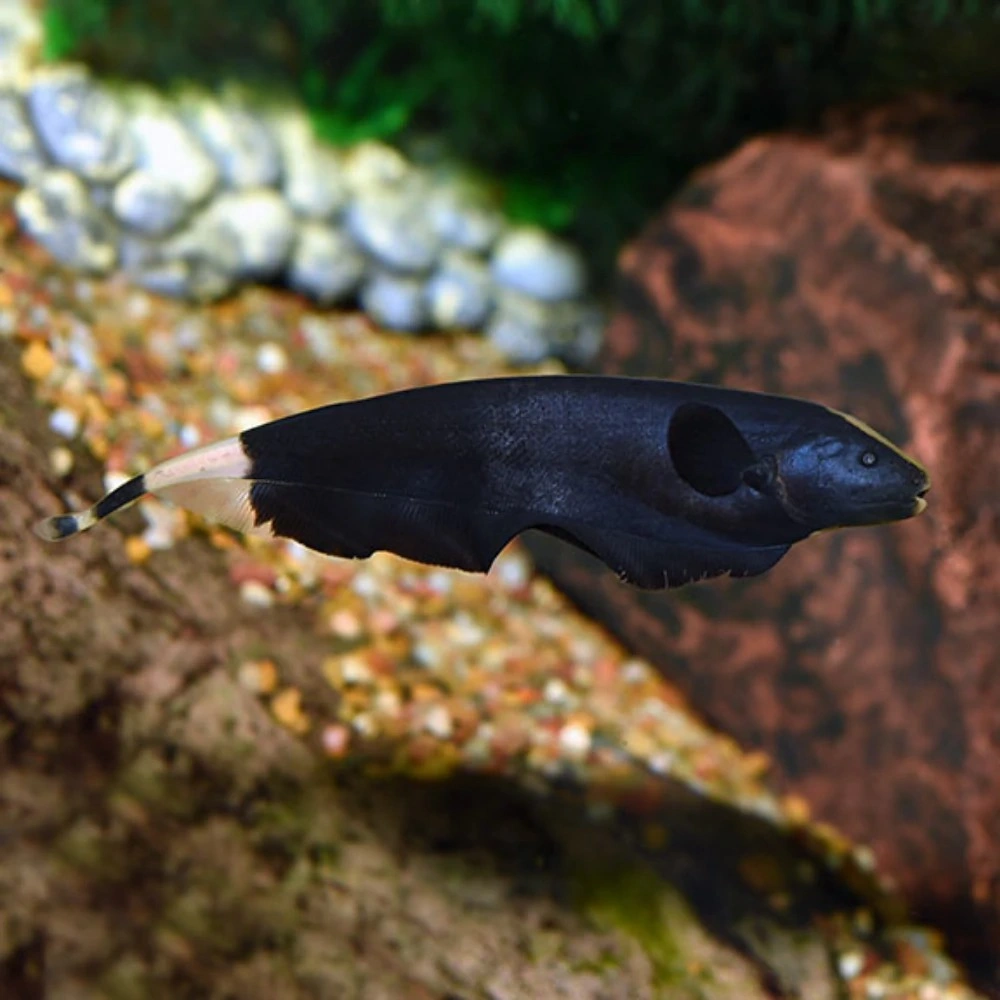
Apteronotus albifrons
Nocturnal electric fish using weak electric field for navigation. Requires hiding tubes/caves. Sensitive to water quality and medications. Grows large — needs spacious tank.

Pygocentrus nattereri
Iconic predator, surprisingly skittish despite reputation. Must be kept in groups (4+). Powerful bite — respect during maintenance. Illegal in some jurisdictions — check local laws before purchase.

Hybrid (Amphilophus × Vieja crosses)
Man-made hybrid prized for prominent nuchal hump ('kok') and vibrant colors. Extremely aggressive — usually kept alone. Strong personality, interactive with keepers. Excellent beginner monster fish.

Tetraodon lineatus
Monster freshwater puffer reaching 18 inches. Extremely aggressive — must be kept alone. Powerful bite can cause serious injury. For experienced keepers only.
Bottom Dwellers
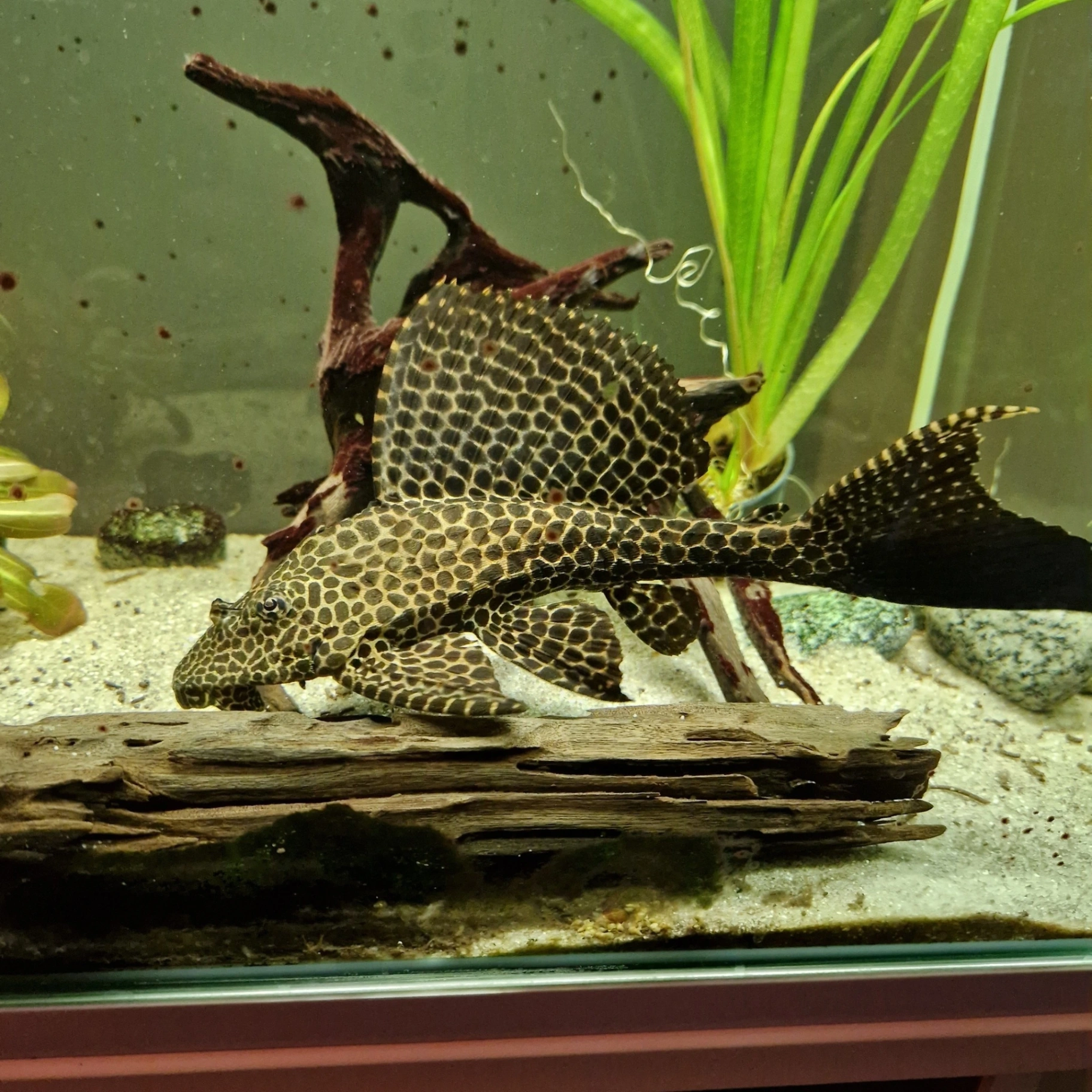
Pterygoplichthys gibbiceps
Massive pleco reaching 18-20 inches. Commonly sold as juveniles — grows far larger than most buyers expect. Needs 150+ gallon tank as adult. Hardy but enormous.
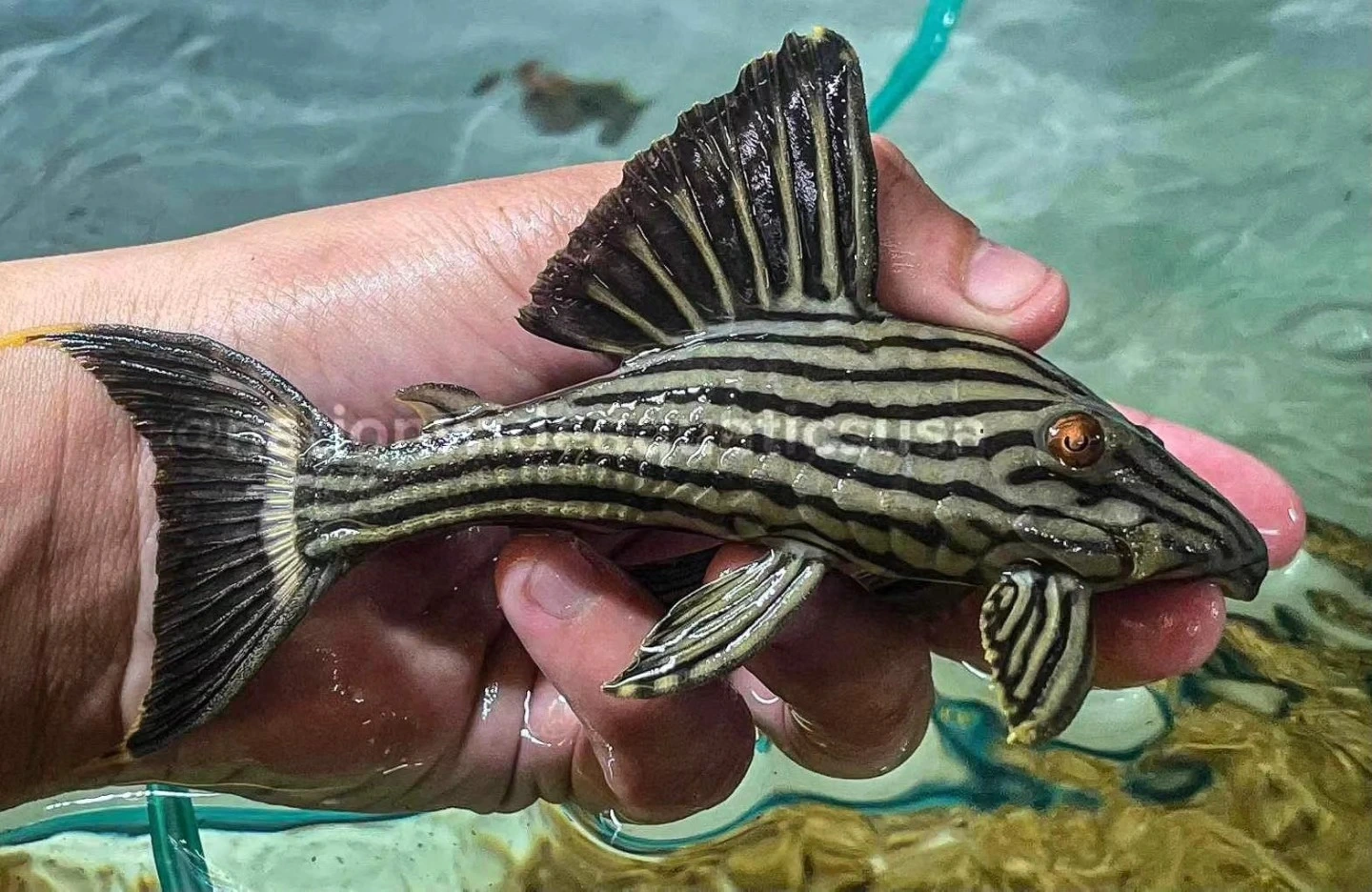
Panaque nigrolineatus
Large wood-eating pleco with dramatic striped pattern. Requires driftwood as primary food source. Territorial with other plecos. High bioload.
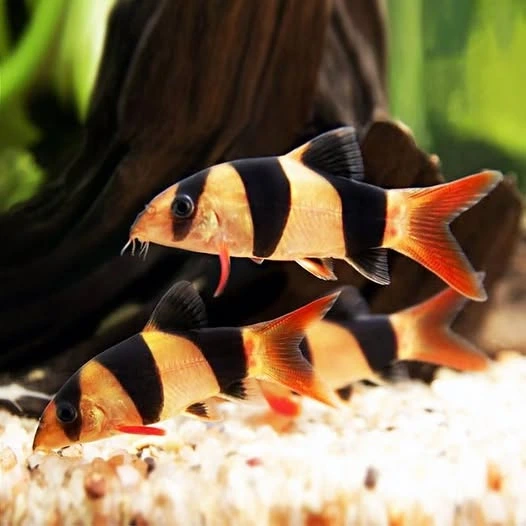
Chromobotia macracanthus
Grows very large but slowly. Highly social, unhappy alone. Prone to ich. Often sold too small.
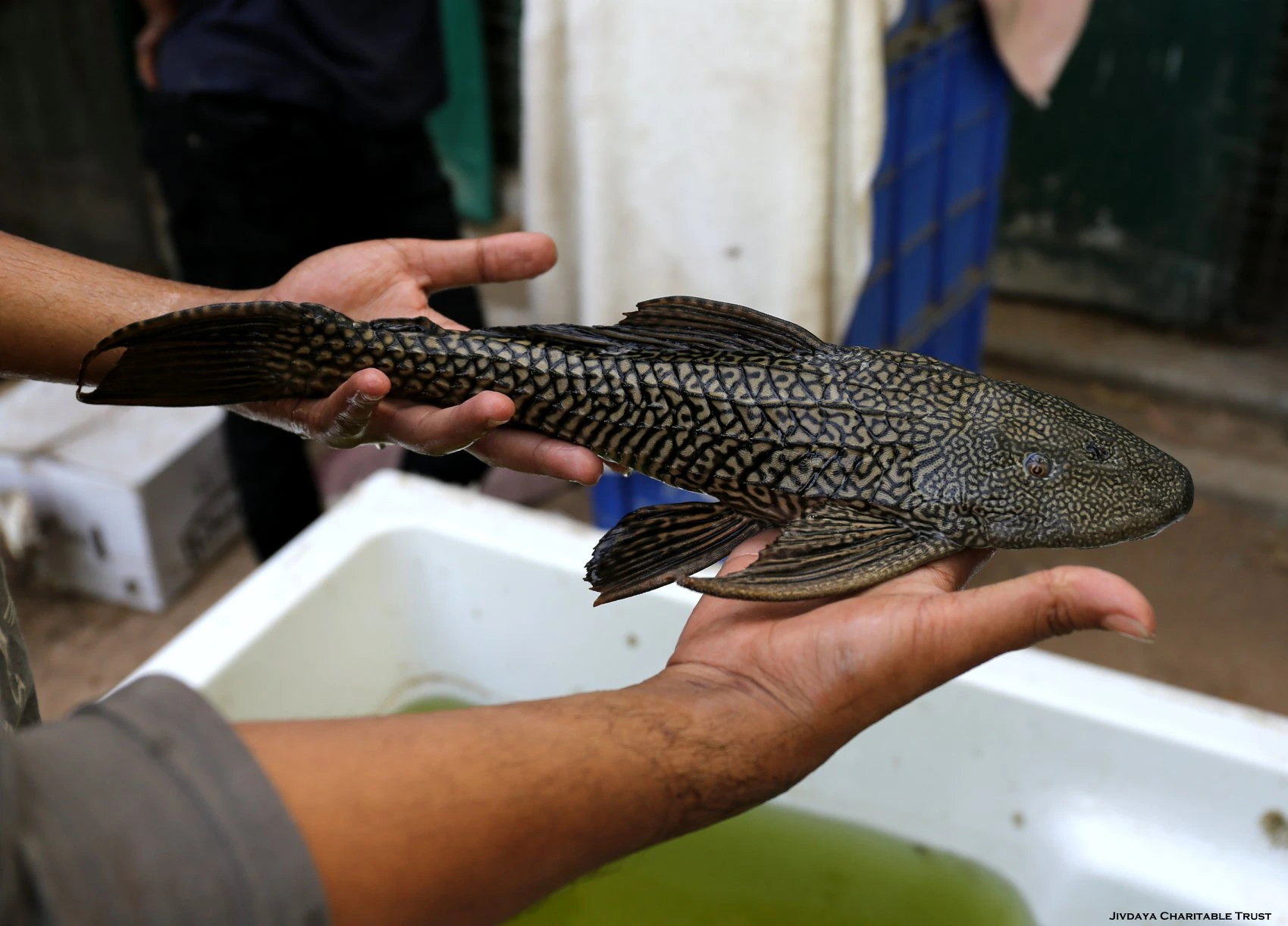
Hypostomus plecostomus
Often sold small but grows huge. Massive waste producer. Not a good algae eater as adult.
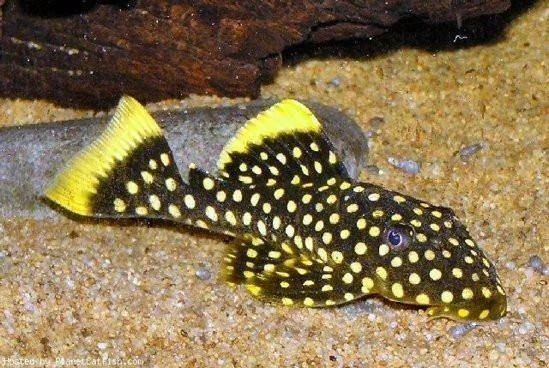
Baryancistrus xanthellus
Stunning black pleco with bright yellow spots. Requires warm water (80°F+) and high oxygen. Expensive but spectacular. Territorial with other plecos.
Livebearers
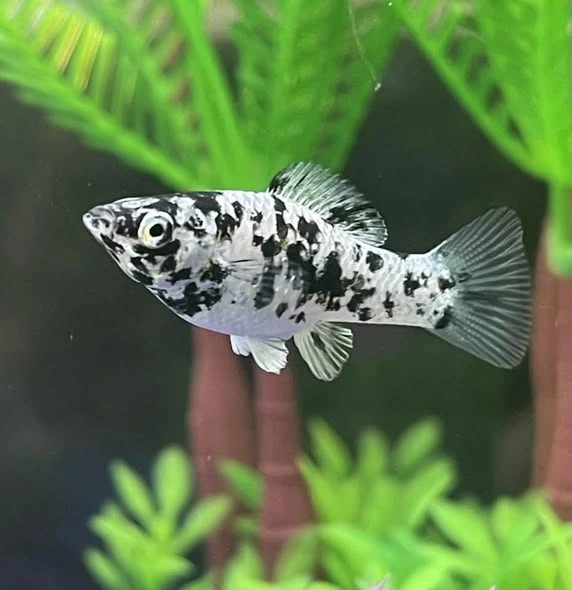
Poecilia sphenops
Prefer hard, alkaline water. Can tolerate brackish conditions. High bioload for their size.

Xiphophorus hellerii
Males can be aggressive to each other. Keep 1 male to 2-3 females. Strong jumpers, need secure lid.
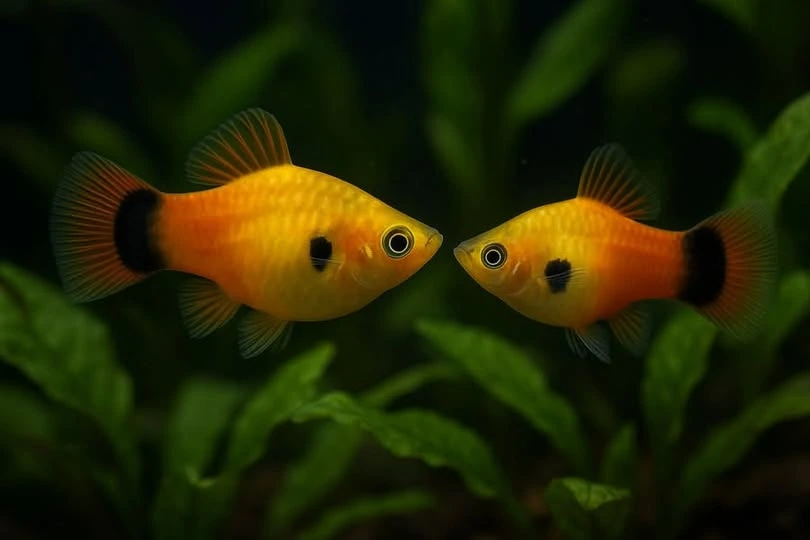
Xiphophorus maculatus
Hardy and adaptable. Good algae eaters. Will interbreed with swordtails.
Invertebrates
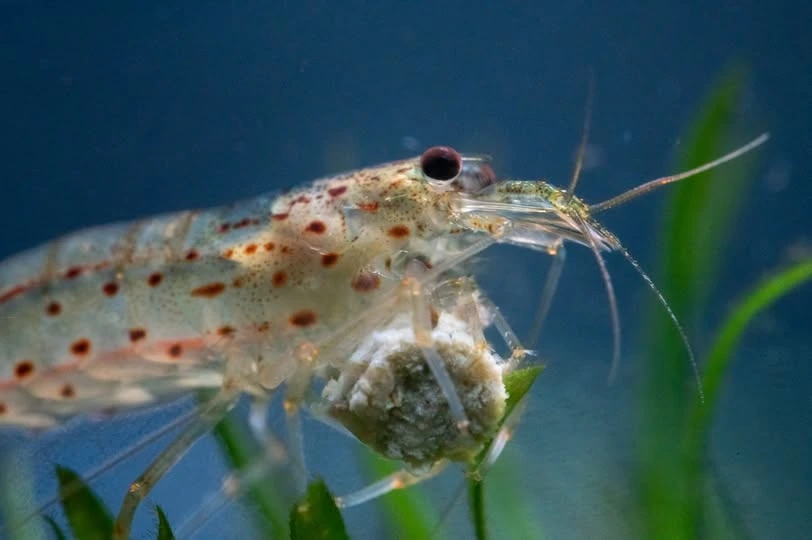
Caridina multidentata
Best algae-eating shrimp. Cannot breed in freshwater. Sensitive to copper medications.
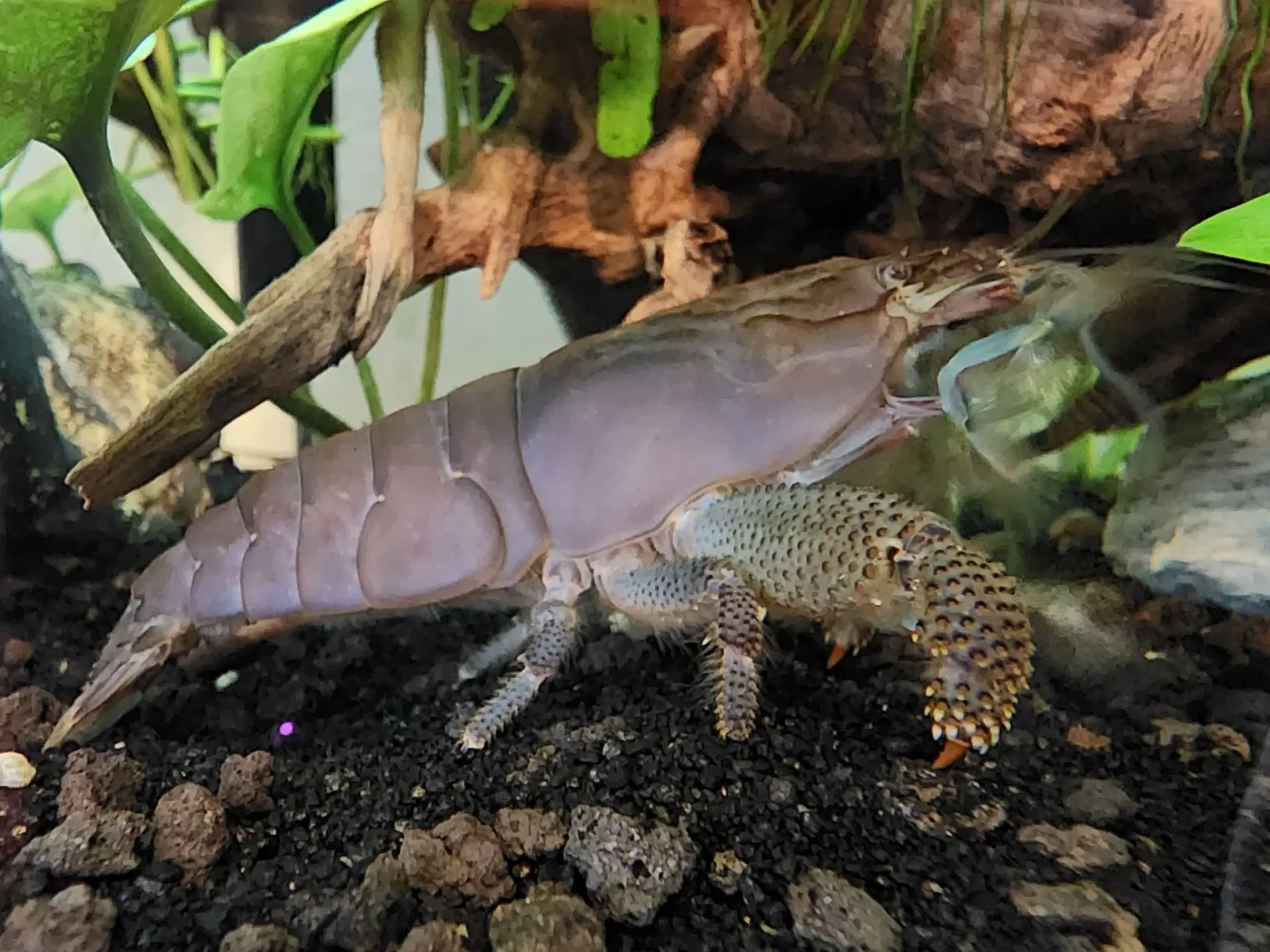
Atya gabonensis
Filter feeder, fans water for particles. Needs current and fine foods. Impressive size for freshwater shrimp.
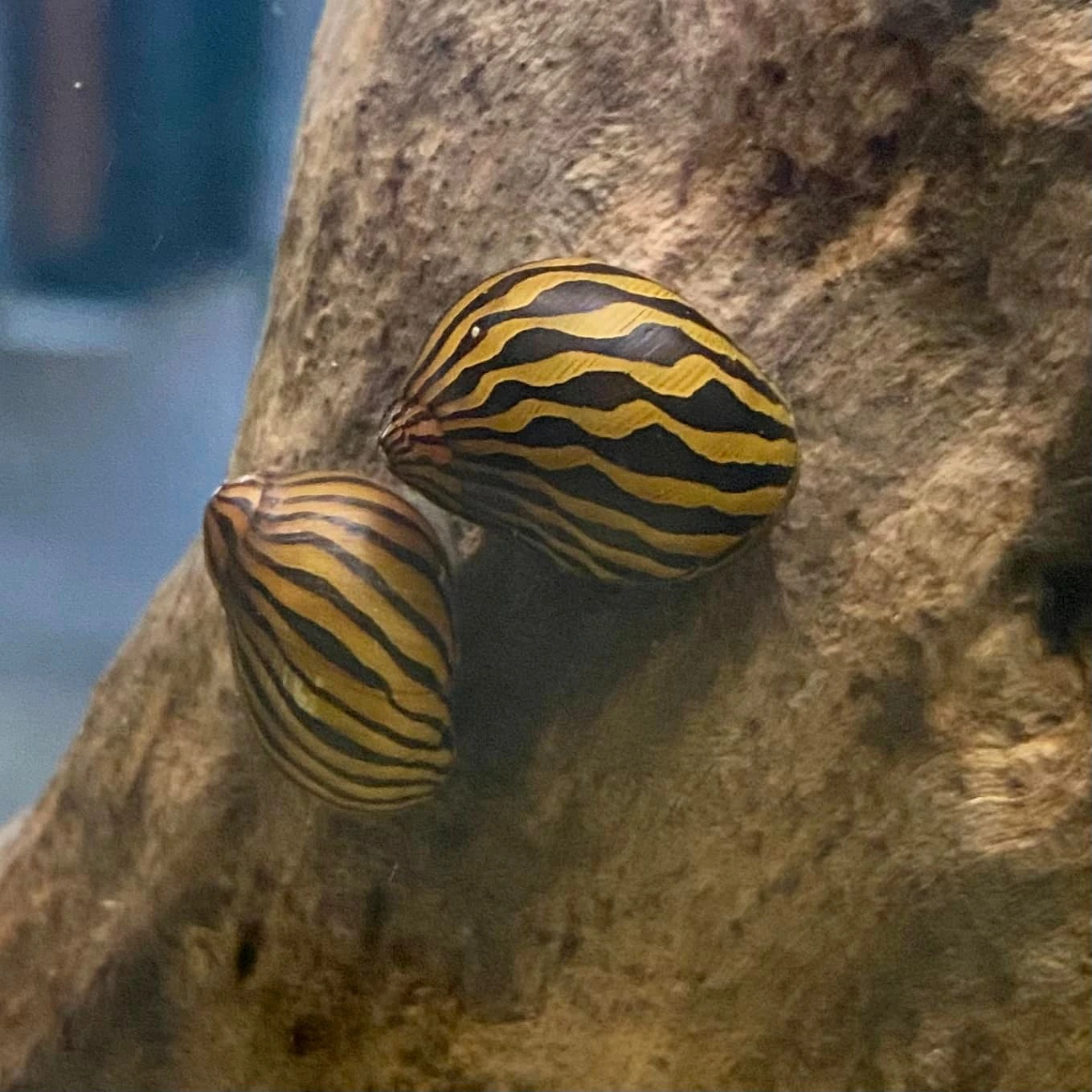
Neritina sp.
Excellent algae eaters. Cannot reproduce in freshwater. May lay white eggs on decor. Need calcium for shells.
Biggest Fish for a 200 Gallon Tank
This is the largest home tank most keepers will own, and it shows in the residents: fire eels, black ghost knifefish, and full frontosa colonies. The species below are the biggest the database clears for 200 gallons.
Mastacembelus erythrotaenia
Largest commonly kept spiny eel reaching 3+ feet. Requires sand for burrowing. Nocturnal predator eating small fish. Can be challenging to feed initially. Escape artist requiring tight-fitting lid.
Apteronotus albifrons
Nocturnal electric fish using weak electric field for navigation. Requires hiding tubes/caves. Sensitive to water quality and medications. Grows large — needs spacious tank.
Pterygoplichthys gibbiceps
Massive pleco reaching 18-20 inches. Commonly sold as juveniles — grows far larger than most buyers expect. Needs 150+ gallon tank as adult. Hardy but enormous.
Tetraodon lineatus
Monster freshwater puffer reaching 18 inches. Extremely aggressive — must be kept alone. Powerful bite can cause serious injury. For experienced keepers only.
Stocking Ideas for a 200 Gallon Tank
Every build is validated by the stocking calculator against a 200 gallon volume, so the bioload, swim-level distribution, and warnings are computed results — the only reliable guide when stocking fish this large and this expensive.
Silver Dollar Community
A well-filled 200-gallon setup: 9 Silver Dollar and 7 Amano Shrimp.
- SIZE MISMATCH: Silver Dollar (15cm) may accidentally harm or stress Amano Shrimp (5cm).
Molly Community
A comfortably stocked 200-gallon setup: 13 Molly and 8 Amano Shrimp.
- Molly×13
- Amano Shrimp×8
Congo Tetra Community
A comfortably stocked 200-gallon setup: 19 Congo Tetra and 8 Amano Shrimp.
How Many Fish Can You Keep in a 200 Gallon Tank?
A 200 gallon is roughly 757 litres, and even that fills up when the residents are giants. Bioload governs everything: a fire eel plus a knifefish and a big pleco can approach capacity on their own. The combos below attach real calculator figures to each heavyweight build.
757 L
actual water volume
200 US gallons at the glass
203
suitable species
from our database at this size
Bioload > inches
what actually matters
the inch-per-gallon rule is a myth
Fish to Avoid in a 200 Gallon Tank
A short list of fish outgrows even 200 gallons — the true pond and public-aquarium species. Each one below exceeds the minimum tank size on its own profile, shown on the card.
Over a metre and voracious — belongs in a public aquarium, never a home tank.
Grows to a metre and needs pond-scale room; even 200 gallons stresses it.
A giant pond fish that outgrows the largest home aquariums.
Needs more length and surface area than a 200 gallon can offer for its full 90 cm.
A cool-water pond species unsuited to heated indoor tanks of any size.
At 60 cm it still wants a larger footprint than a 200 gallon comfortably supplies.
Plants for a 200 Gallon Tank
At 200 gallons you can fill the back wall with tall rooted plants and still leave open swimming space up front.
- Vallisneria — Low light, fast growth, no CO2 needed
- Amazon Sword — Medium light, medium growth, no CO2 needed
- Java Fern — Low light, slow growth, no CO2 needed
- Anubias — Low light, slow growth, no CO2 needed
- Hornwort — Low light, fast growth, no CO2 needed
- Water Lettuce — Medium light, fast growth, no CO2 needed
Browse the full plant database for care requirements on every species.
200 Gallon Setup Notes
For a 200: this is a permanent installation — engineer the floor, plumb a large sump, and automate water changes if you can.
Ready to stock your 200 gallon?
Check compatibility, bioload, and capacity for your exact setup.