
Best Fish for a 60 Gallon Tank
Sixty gallons is where an aquarium starts to feel like furniture rather than a fish tank. The typical 48x15 or 36x18 footprint gives cichlids room to hold territory without constant war, and gives active barbs the runway they crave. This is the smallest volume where a dwarf African cichlid tank works honestly, and it's roomy enough that a beginner's early mistakes get diluted instead of amplified. The jump from 55 to 60 gallons looks small on paper but it usually comes with more front-to-back depth, and that depth is what lets a firemouth or blood parrot swim without pinballing off the front glass. As with every guide here, the size, temperament, and water numbers on each species card are pulled live from the fish database, so a species listed at 76-84F here shows the identical range on its own profile.
What Fish Can Live in a 60 Gallon Tank?
A 60 gallon comfortably supports full communities, medium New World cichlids, or a colourful mbuna setup. The choice usually comes down to water chemistry — soft-water tetra communities pull one way, hard-water African cichlids pull the other. Pick a direction and stock deep within it.
173
species fit
53
schooling fish
62
centerpiece & community fish
31
bottom dwellers
6
livebearers
Schooling Fish for a 60 Gallon Tank
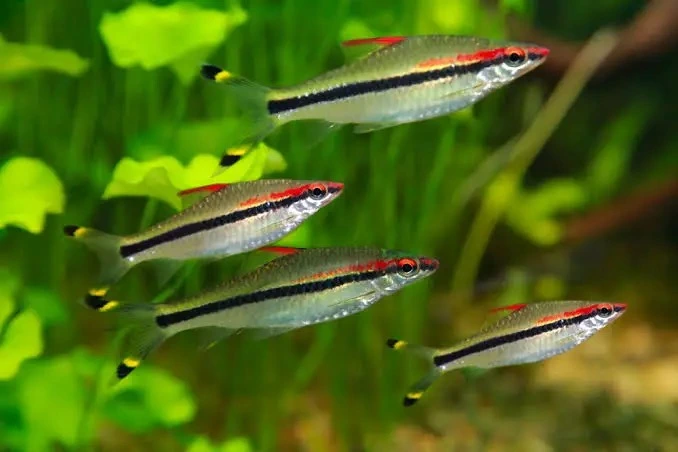
Sahyadria denisonii
Also called Roseline Shark. Endangered in wild - buy captive bred. Fast swimmers, need long tank.

Phenacogrammus interruptus
Stunning iridescent males. Shy fish, needs space and plants. Flowing fins can be nipped by other fish.
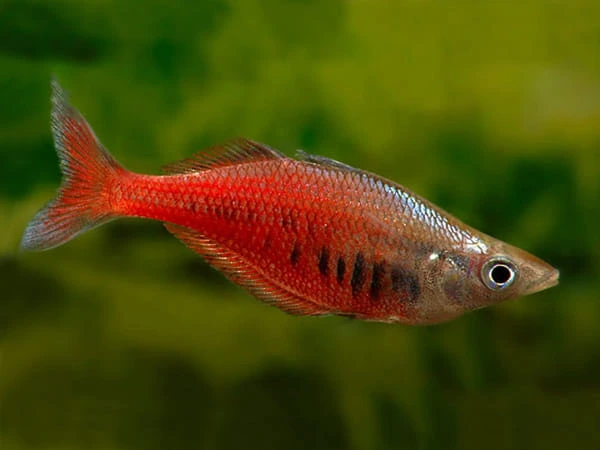
Glossolepis incisus
Males develop stunning deep red coloration with maturity. One of the largest and most colorful rainbowfish. Needs space for active swimming.
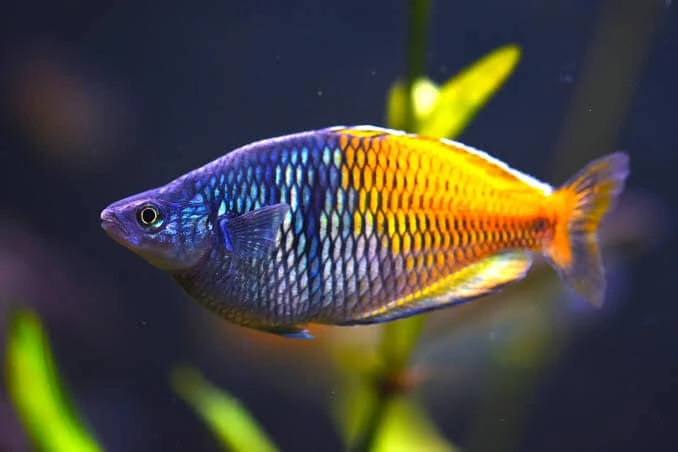
Melanotaenia boesemani
Stunning blue and orange coloration. Active swimmers need horizontal space. Colors develop with maturity.
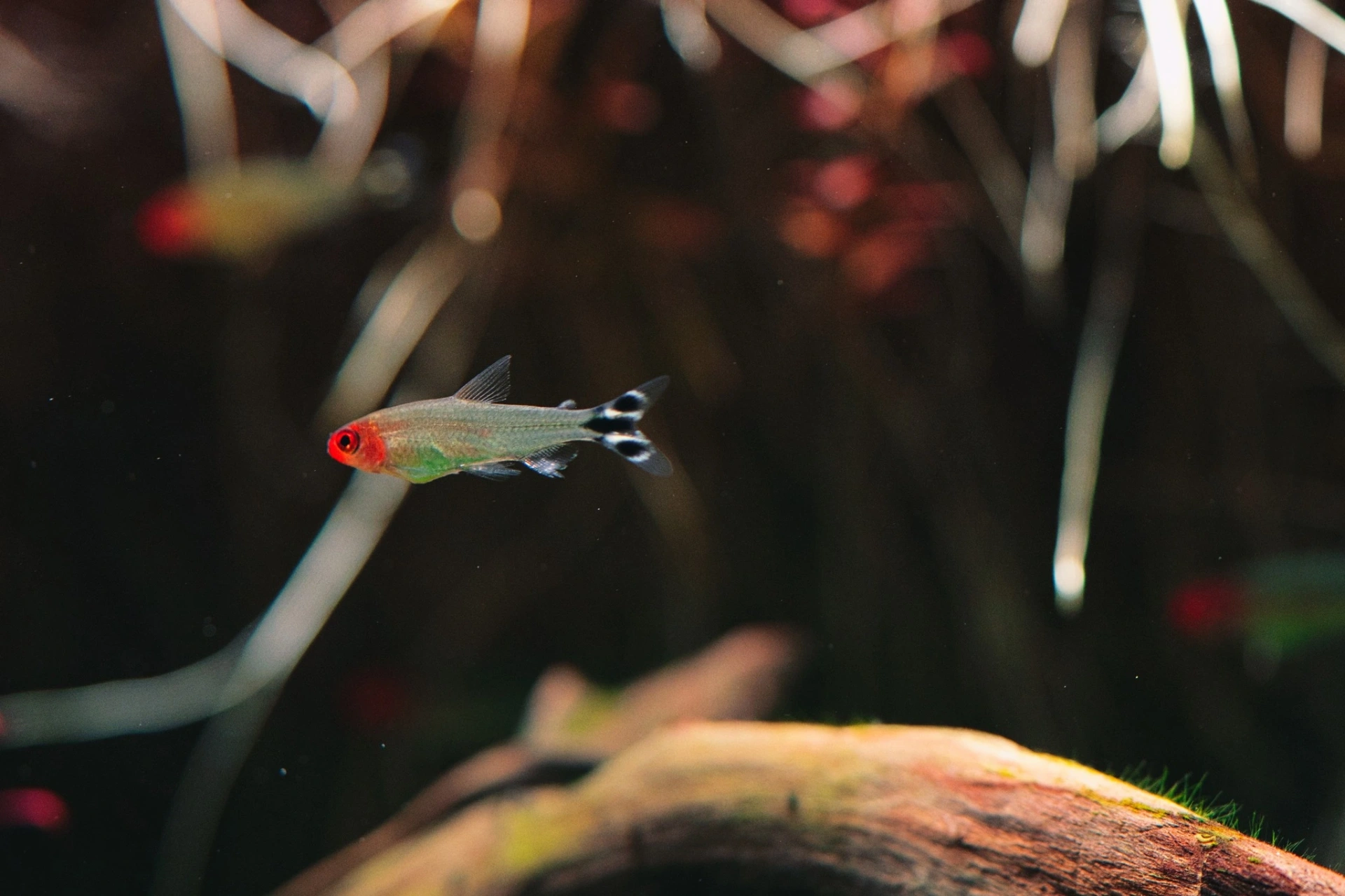
Hemigrammus rhodostomus
Red nose fades when stressed or water quality drops - good indicator species. Tight schooling behavior.
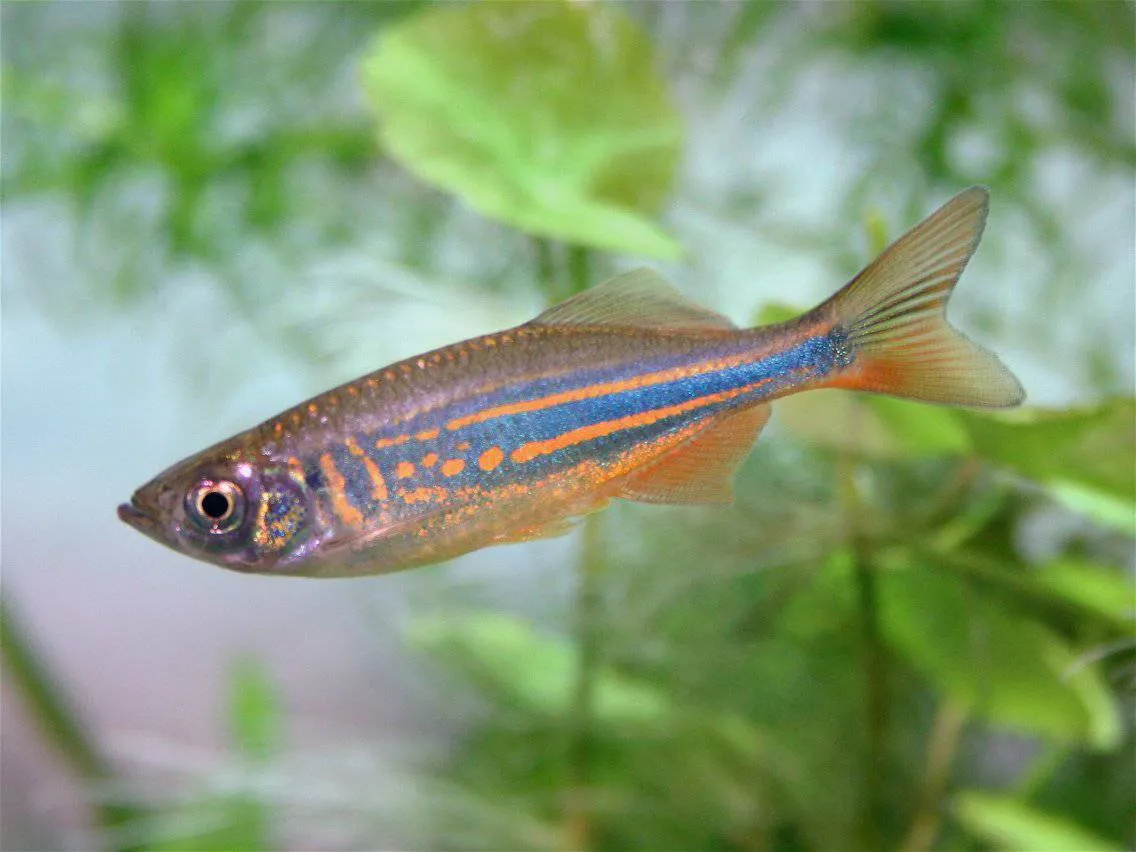
Devario aequipinnatus
Very active and fast swimmer. Needs long tank for swimming. May intimidate slow or shy fish.
Best Community Fish for a 60 Gallon Tank
Community stocking at 60 gallons means you can finally combine a real centerpiece with two supporting schools and a bottom team without crowding. A firemouth or electric blue acara anchors the middle while denison barbs and congo tetras keep the upper water in constant motion.
Centerpiece & Community Fish

Thorichthys meeki
Flares red throat when threatened. Less aggressive than most Central American cichlids. Good beginner cichlid.

Andinoacara pulcher hybrid
One of most peaceful medium cichlids. Hardy and adaptable. Will eat small fish and shrimp.

Aulonocara sp.
One of the most colorful freshwater fish. Males display incredible blues, reds, and yellows. More peaceful than mbuna.
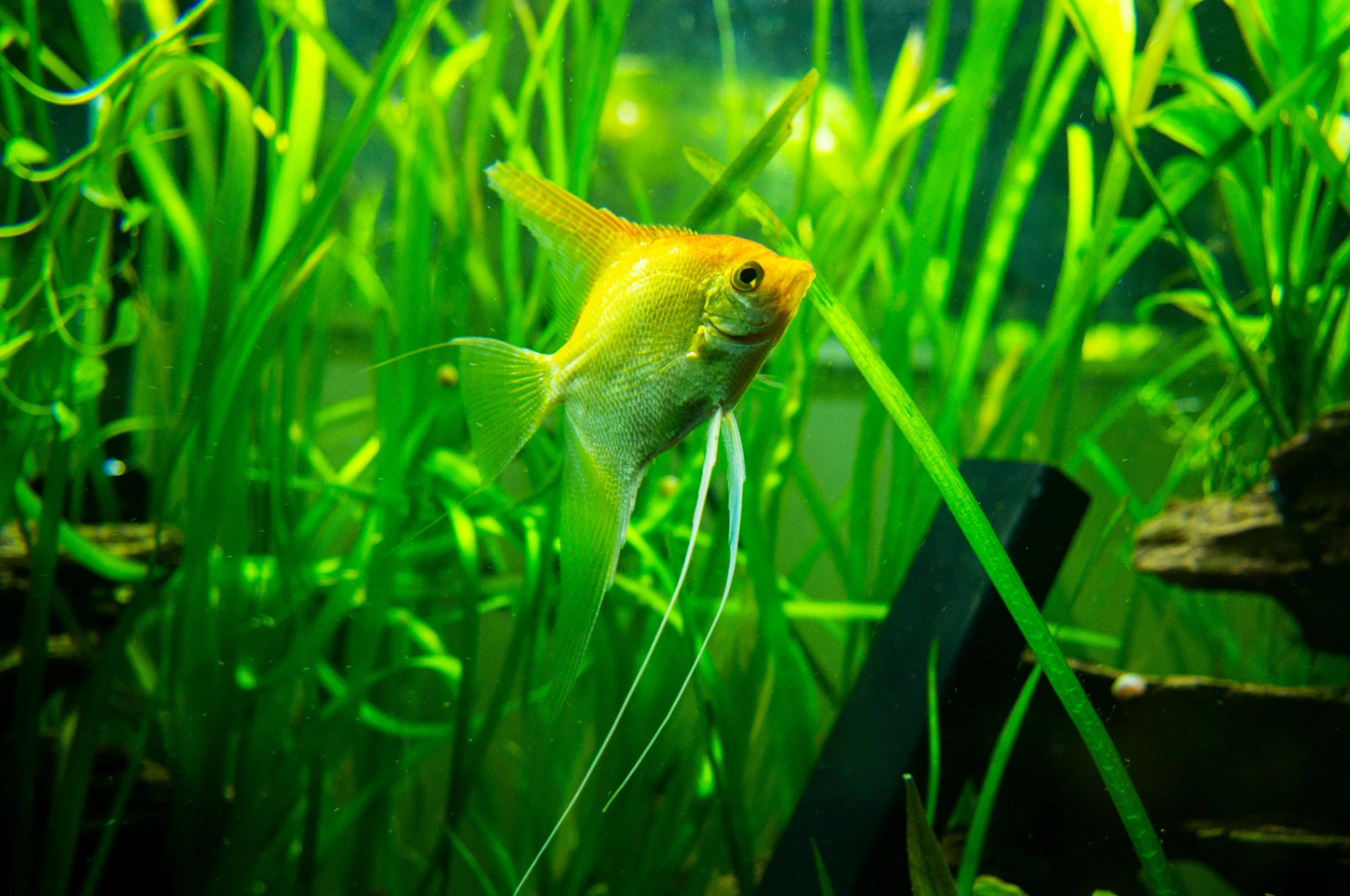
Pterophyllum scalare
Will eat small fish like neon tetras. Can become territorial when breeding. Needs tall tank.

Amphilophus hybrid
Man-made hybrid with deformed mouth. Cannot close mouth fully. Controversial due to health issues from breeding.

Hemichromis bimaculatus
Brilliant red coloration when breeding. Extremely aggressive when spawning. Not suitable for community tanks.
Bottom Dwellers
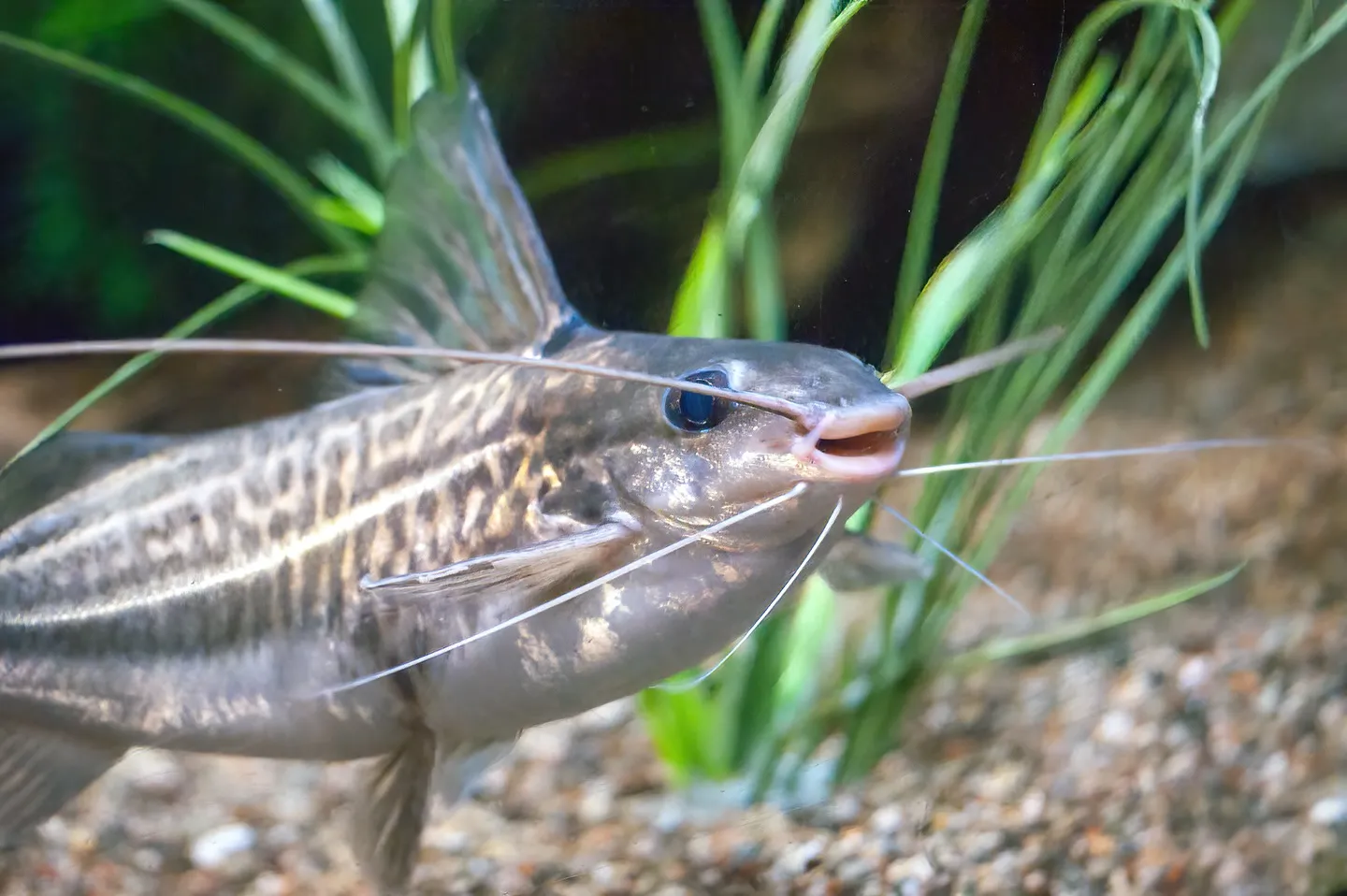
Pimelodus pictus
Will eat fish small enough to fit in mouth. Very active swimmer. Sharp pectoral spines can injure handlers.
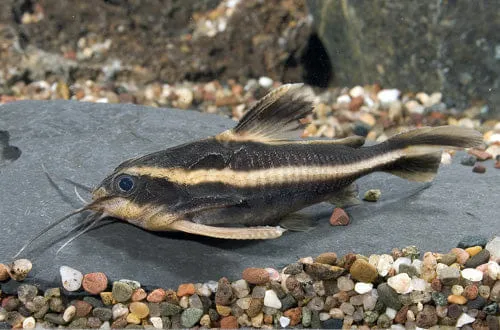
Platydoras armatulus
Nocturnal, rarely seen during day. Makes croaking sounds when caught. Sharp spines - never net this fish.
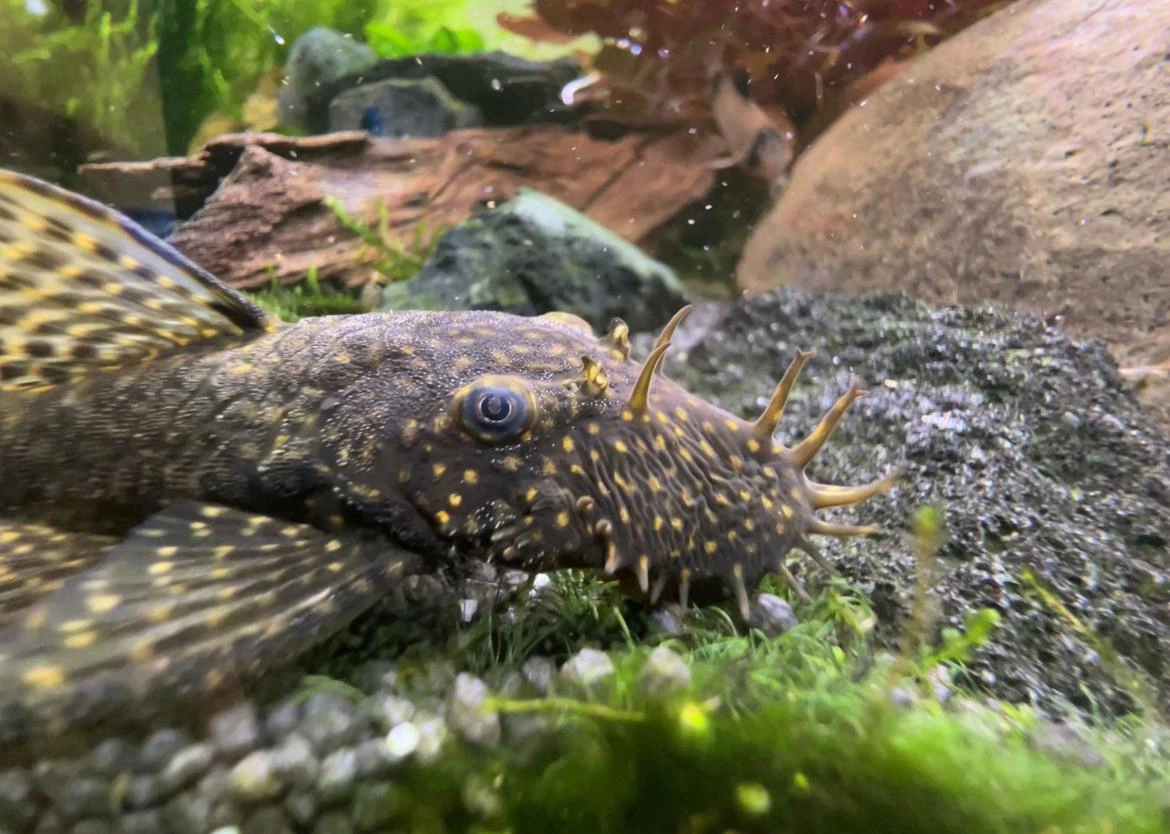
Ancistrus sp.
Excellent algae eater. Needs driftwood for rasping. Much better choice than common pleco.
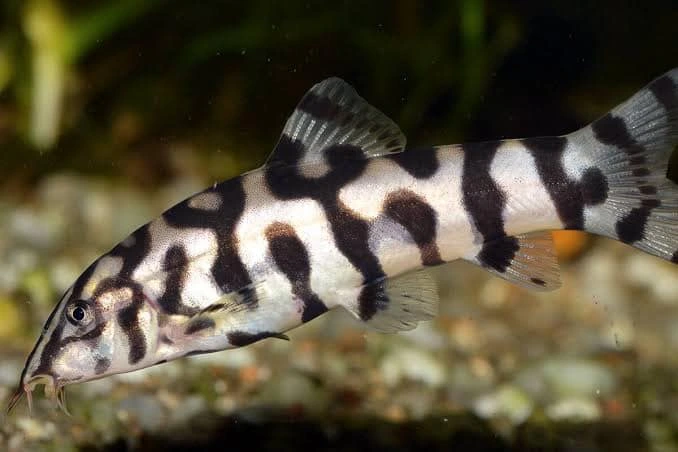
Botia almorhae
Excellent snail control. Can be boisterous and stress shy fish. Name comes from Y-O pattern markings.

Misgurnus anguillicaudatus
Also called Dojo Loach. Becomes active before storms (hence name). Coldwater tolerant. Very personable.
Livebearers
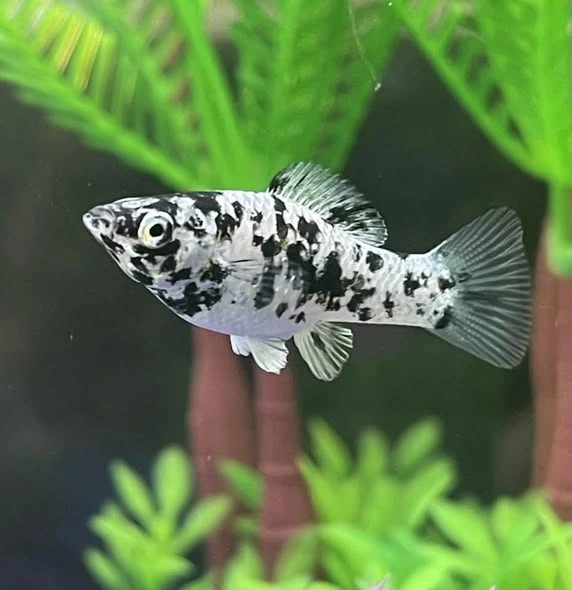
Poecilia sphenops
Prefer hard, alkaline water. Can tolerate brackish conditions. High bioload for their size.

Xiphophorus hellerii
Males can be aggressive to each other. Keep 1 male to 2-3 females. Strong jumpers, need secure lid.
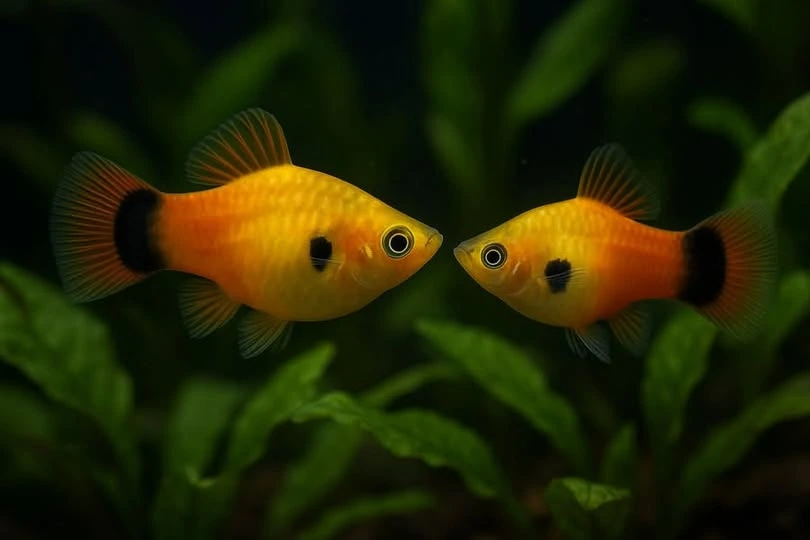
Xiphophorus maculatus
Hardy and adaptable. Good algae eaters. Will interbreed with swordtails.
Invertebrates
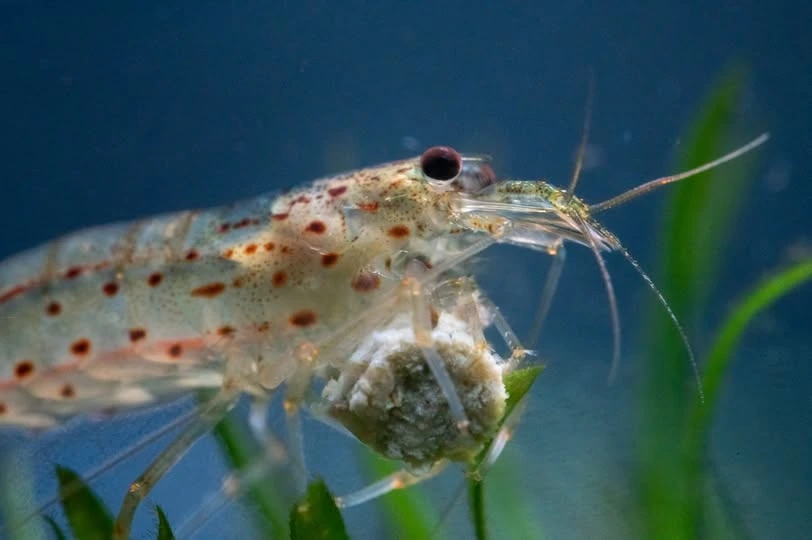
Caridina multidentata
Best algae-eating shrimp. Cannot breed in freshwater. Sensitive to copper medications.
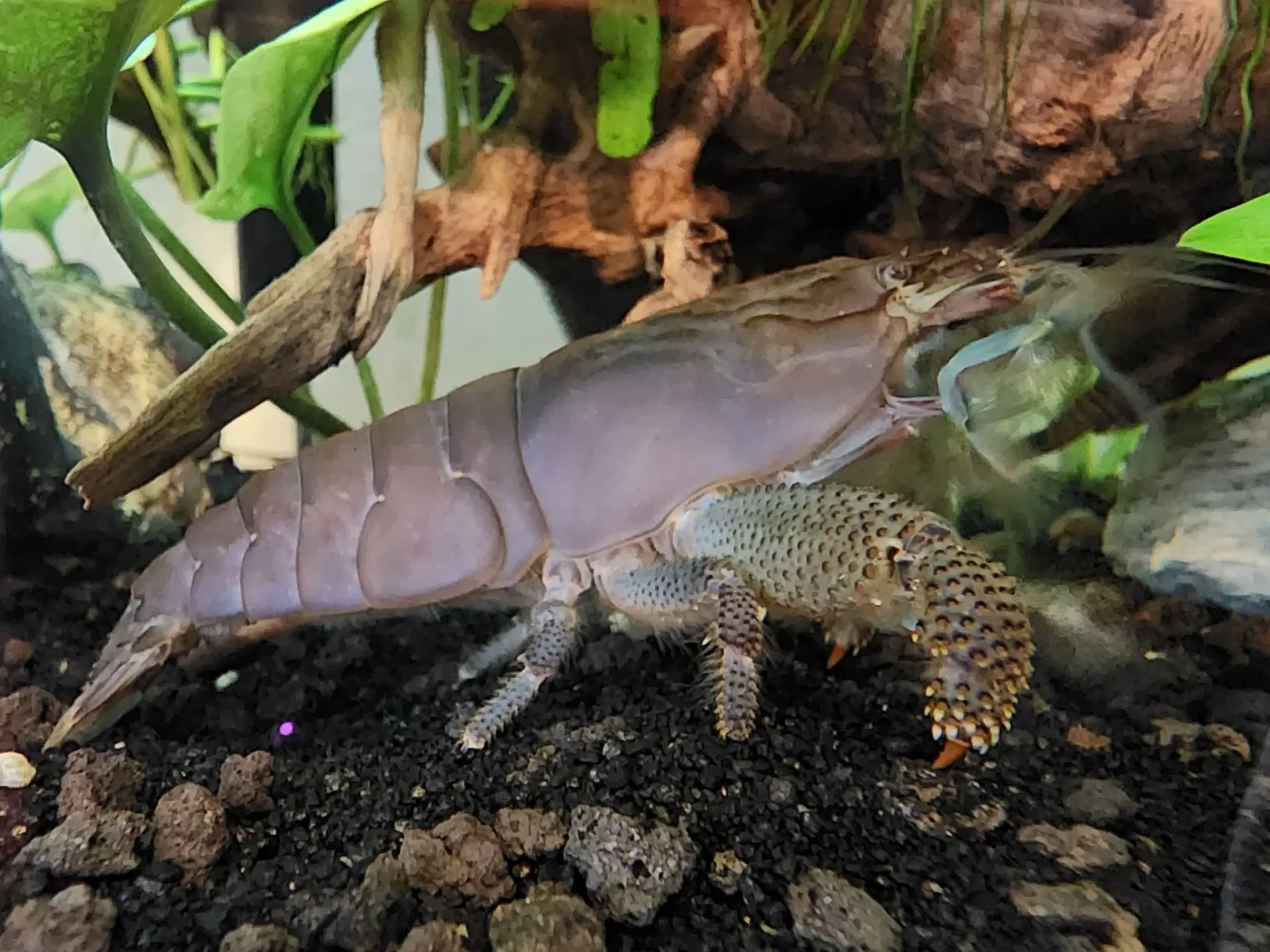
Atya gabonensis
Filter feeder, fans water for particles. Needs current and fine foods. Impressive size for freshwater shrimp.
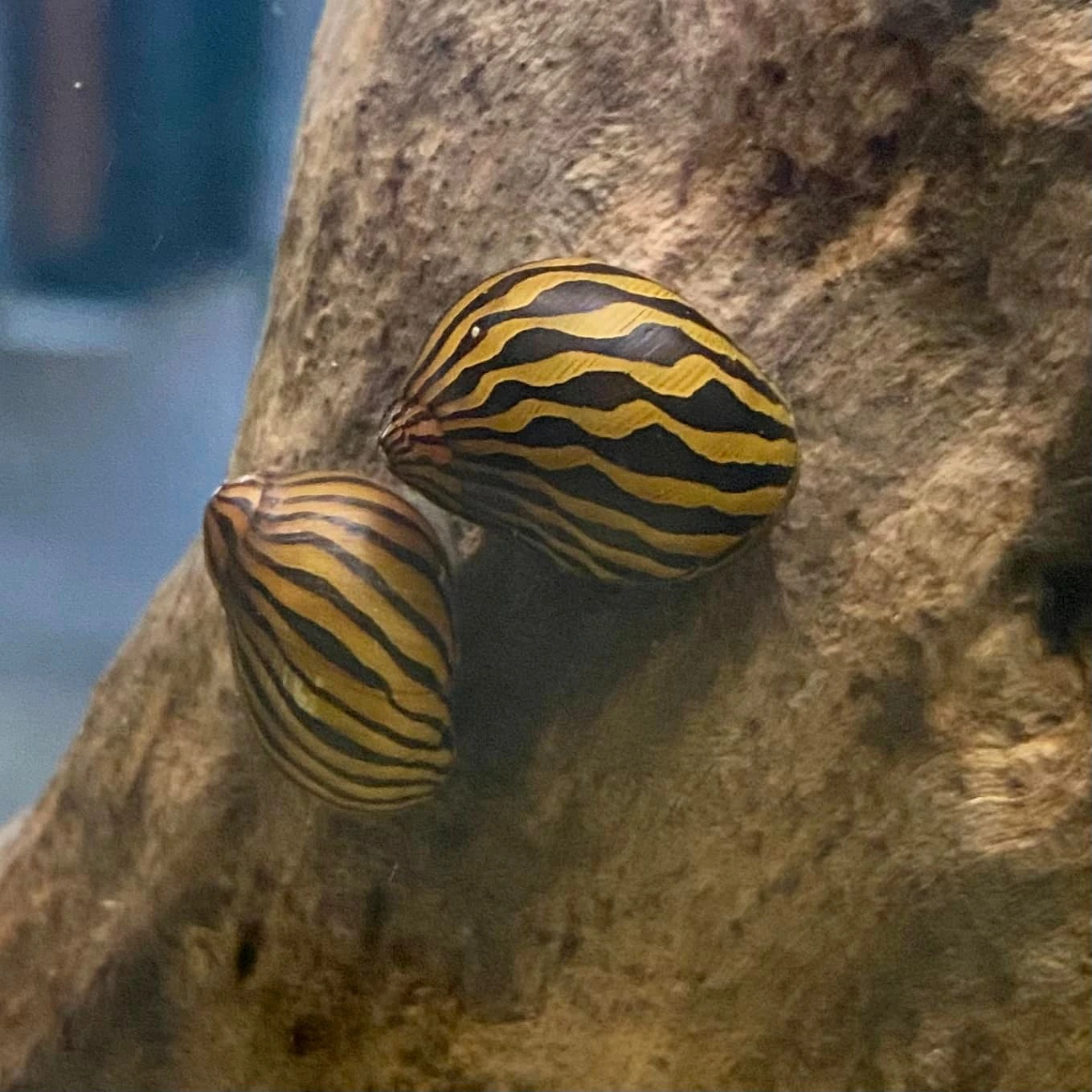
Neritina sp.
Excellent algae eaters. Cannot reproduce in freshwater. May lay white eggs on decor. Need calcium for shells.
Biggest Fish for a 60 Gallon Tank
This volume handles medium cichlids and one substantial catfish, but the genuine giants are still off the table. The species below are the largest cleared for 60 gallons by the database — beyond them you are stocking on hope, not headroom.
Misgurnus anguillicaudatus
Also called Dojo Loach. Becomes active before storms (hence name). Coldwater tolerant. Very personable.
Amphilophus hybrid
Man-made hybrid with deformed mouth. Cannot close mouth fully. Controversial due to health issues from breeding.
Platydoras armatulus
Nocturnal, rarely seen during day. Makes croaking sounds when caught. Sharp spines - never net this fish.
Thorichthys meeki
Flares red throat when threatened. Less aggressive than most Central American cichlids. Good beginner cichlid.
Stocking Ideas for a 60 Gallon Tank
Rather than claim these setups balance, each one is fed through the stocking calculator so the bioload percentage, swim-level spread, and any warnings are the tool's real output for a 60 gallon volume.
Congo Tetra Community
A well-filled 60-gallon setup: 6 Congo Tetra and 8 Amano Shrimp.
Platy Community
A well-filled 60-gallon setup: 11 Platy and 8 Amano Shrimp.
- Platy×11
- Amano Shrimp×8
Rummy Nose Tetra Community
A well-filled 60-gallon setup: 15 Rummy Nose Tetra and 8 Amano Shrimp.
How Many Fish Can You Keep in a 60 Gallon Tank?
A 60 gallon is about 227 litres. Divide that by species needs, not inches: a hard-water tank might carry a dozen small mbuna plus catfish, while a soft-water community holds two schools and a pair. The moment you add a second messy cichlid, the calculator numbers climb fast — let bioload, not fish count, be your limit.
227 L
actual water volume
60 US gallons at the glass
173
suitable species
from our database at this size
Bioload > inches
what actually matters
the inch-per-gallon rule is a myth
Fish to Avoid in a 60 Gallon Tank
Sixty gallons tempts people into 'just one' oversized cichlid or a bala shark trio. Each fish below fails the minimum-tank check on its own profile, and the shortfall is printed on every card.
Even one oscar outgrows the floor space and pollutes faster than a 60 gallon can process.
Its adult size and prodigious waste output make it a poor match for anything under six feet.
Reaches a foot long and needs a shoal — a 60 gallon can house neither the size nor the group.
A shoaling predator that needs far more water; a 60 leaves them stressed and nippy.
A surface predator that grows enormous and needs a tank measured in hundreds of gallons.
Reaches the size of a dinner plate and beyond — a pond fish mis-sold for aquariums.
Plants for a 60 Gallon Tank
At 60 gallons you can fill the back wall with tall rooted plants and still leave open swimming space up front.
- Vallisneria — Low light, fast growth, no CO2 needed
- Amazon Sword — Medium light, medium growth, no CO2 needed
- Java Fern — Low light, slow growth, no CO2 needed
- Anubias — Low light, slow growth, no CO2 needed
- Hornwort — Low light, fast growth, no CO2 needed
- Water Lettuce — Medium light, fast growth, no CO2 needed
Browse the full plant database for care requirements on every species.
60 Gallon Setup Notes
Before stocking a 60: decide your water-chemistry direction, over-cycle the filter, and aim for strong mechanical filtration to keep up with cichlid waste.
Ready to stock your 60 gallon?
Check compatibility, bioload, and capacity for your exact setup.