
Best Fish for a 90 Gallon Tank
Ninety gallons is a genuine large-aquarium threshold. On a standard 48x18x24 or 60x18 footprint, it's the point where big-personality New World cichlids — oscars, green terrors, jack dempseys — become responsible choices rather than ticking clocks. It's also large enough to run a proper discus group at the temperatures those fish demand, or to keep a couple of medium cichlids alongside a substantial school. The extra water buffers the swings that plague smaller tanks, which matters most for sensitive species like discus that punish unstable parameters. At this size, filtration and maintenance planning stop being optional: a 90 gallon of messy cichlids demands serious turnover. As always, every size, temperature, and pH value shown on the species cards comes straight from the fish database, so nothing in this guide can contradict a fish's own profile page.
What Fish Can Live in a 90 Gallon Tank?
A 90 gallon supports the first tier of true showpiece fish: a single large cichlid with a robust tankmate, a discus group in a warm planted tank, or a big community of medium schoolers with a centerpiece. Chemistry and temperature choices define the build.
190
species fit
54
schooling fish
77
centerpiece & community fish
32
bottom dwellers
6
livebearers
Schooling Fish for a 90 Gallon Tank
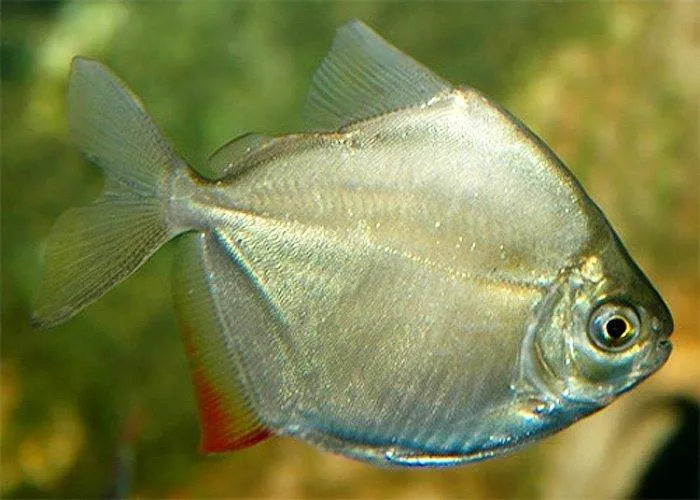
Metynnis argenteus
Will destroy all live plants. Skittish, needs large open swimming area. Peaceful despite size.
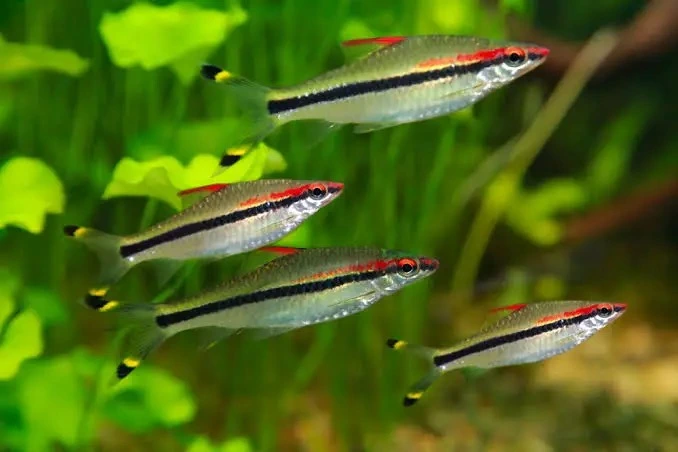
Sahyadria denisonii
Also called Roseline Shark. Endangered in wild - buy captive bred. Fast swimmers, need long tank.

Phenacogrammus interruptus
Stunning iridescent males. Shy fish, needs space and plants. Flowing fins can be nipped by other fish.
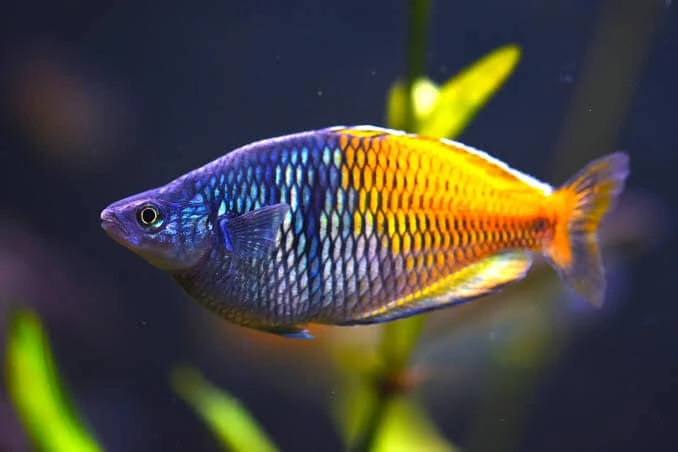
Melanotaenia boesemani
Stunning blue and orange coloration. Active swimmers need horizontal space. Colors develop with maturity.
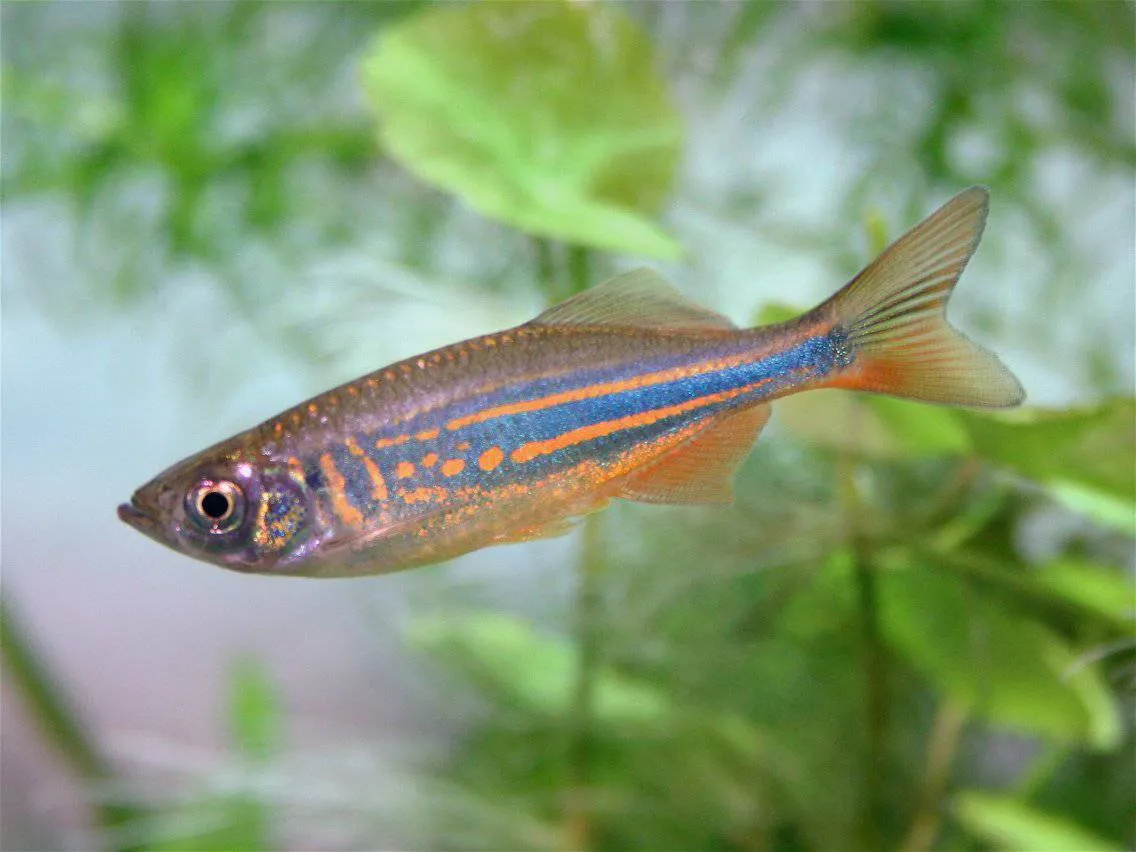
Devario aequipinnatus
Very active and fast swimmer. Needs long tank for swimming. May intimidate slow or shy fish.
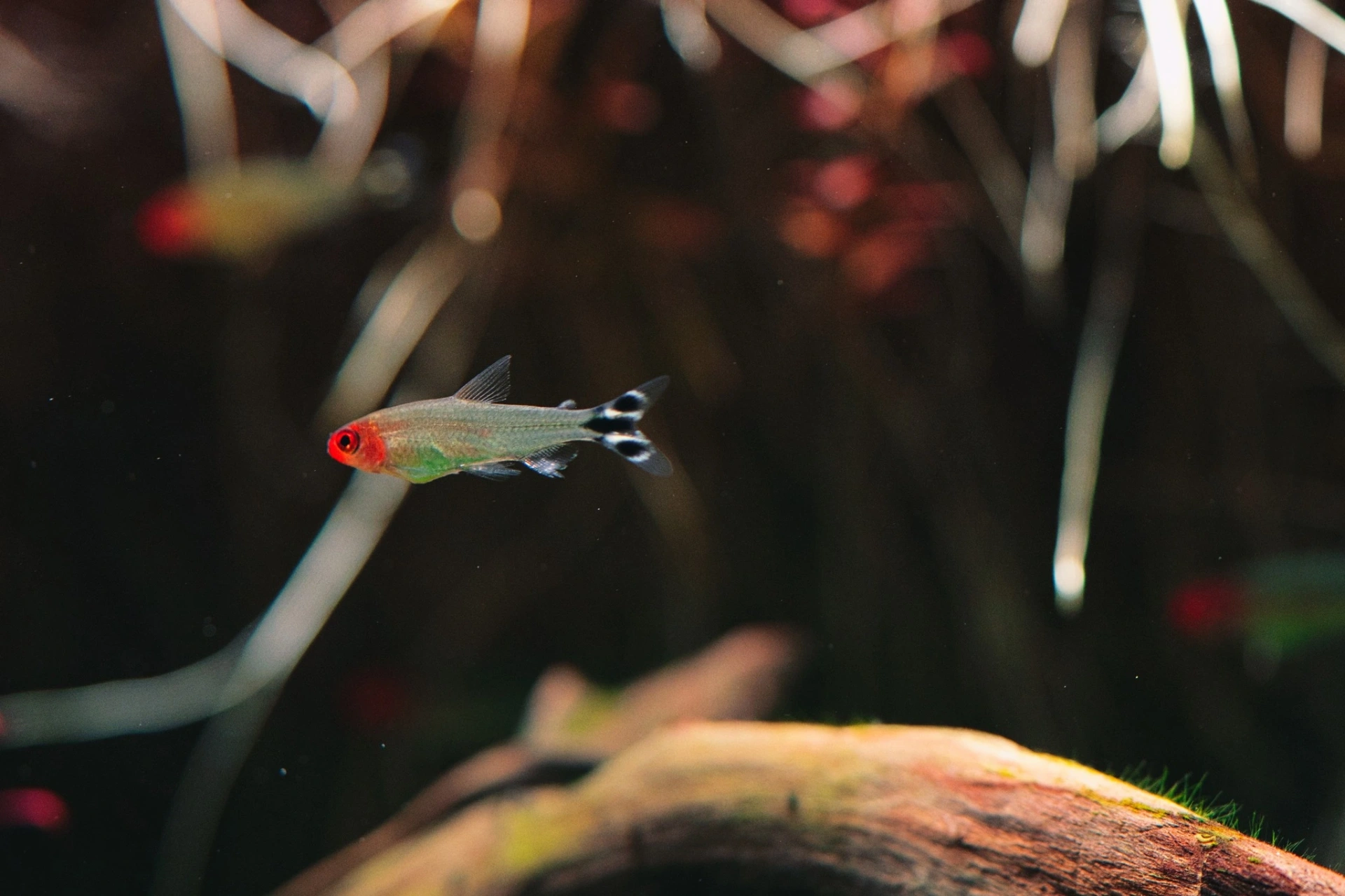
Hemigrammus rhodostomus
Red nose fades when stressed or water quality drops - good indicator species. Tight schooling behavior.
Best Community Fish for a 90 Gallon Tank
Community stocking at 90 gallons can mean a large, peaceful centerpiece surrounded by generous schools, or a carefully matched pair of New World cichlids with dither fish above them. There's finally room to keep a school at 10-plus and still leave open water.
Centerpiece & Community Fish

Astronotus ocellatus
Grows rapidly and produces enormous waste. Will eat anything that fits in mouth. Develops personality.

Andinoacara rivulatus
Stunning iridescent coloration. Very aggressive, especially females. Needs robust tankmates or solo keeping.

Rocio octofasciata
Named after famous boxer for aggressive nature. Electric Blue variant is less aggressive and smaller.

Heros efasciatus
Sometimes called 'poor man's discus'. Relatively peaceful for size. Gold and green color variants available.

Symphysodon aequifasciatus
Requires pristine water quality and high temperatures. Social hierarchy can cause stress. Expensive hobby fish.

Andinoacara pulcher hybrid
One of most peaceful medium cichlids. Hardy and adaptable. Will eat small fish and shrimp.
Bottom Dwellers
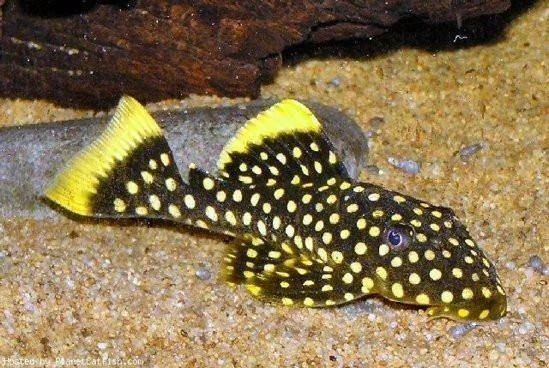
Baryancistrus xanthellus
Stunning black pleco with bright yellow spots. Requires warm water (80°F+) and high oxygen. Expensive but spectacular. Territorial with other plecos.
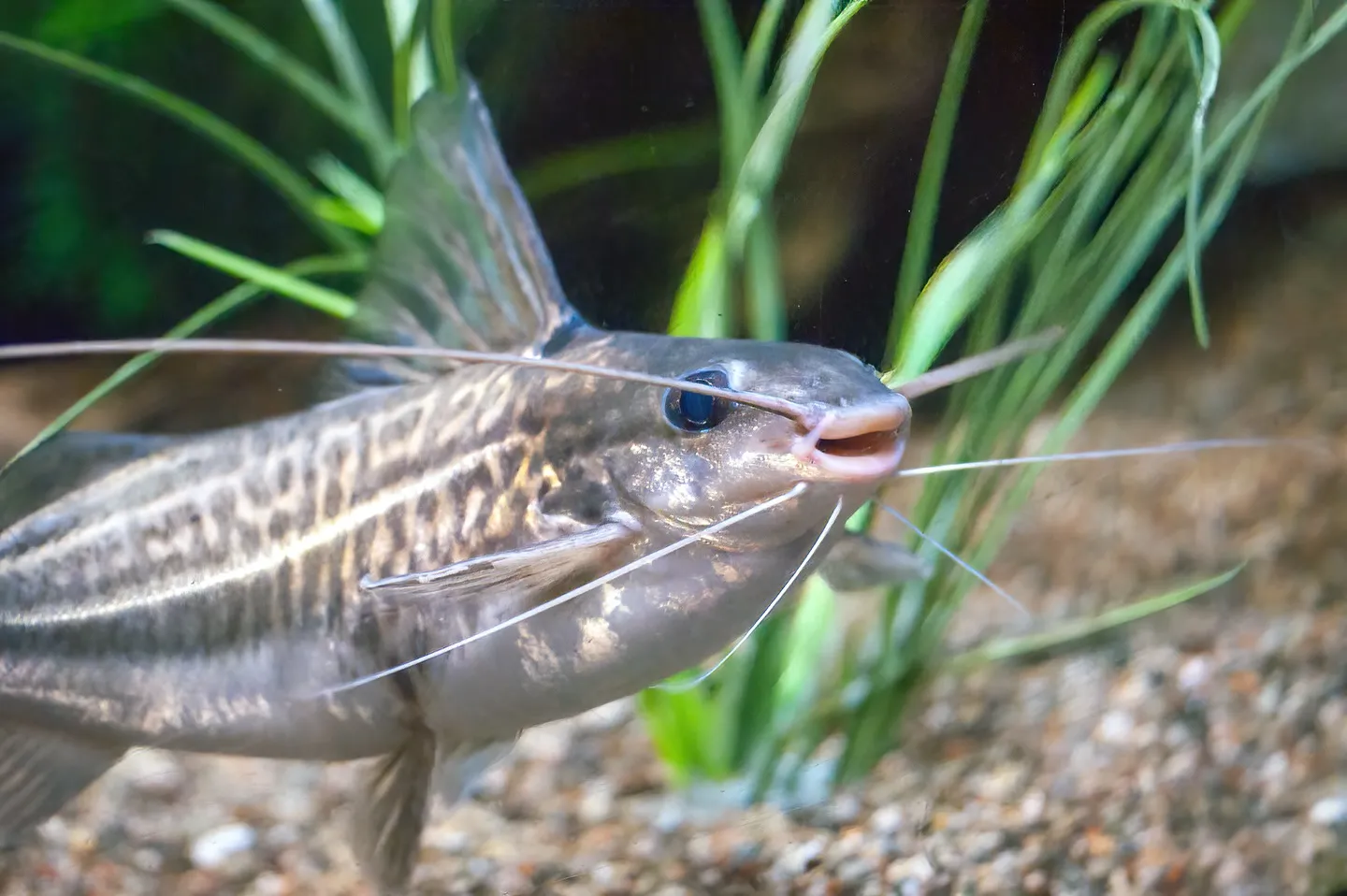
Pimelodus pictus
Will eat fish small enough to fit in mouth. Very active swimmer. Sharp pectoral spines can injure handlers.
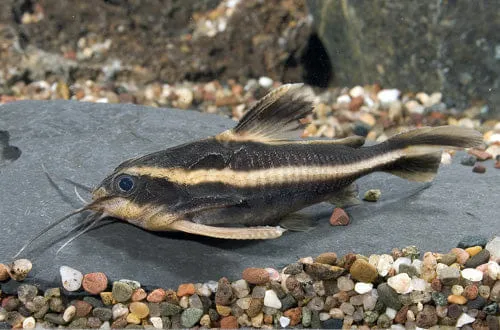
Platydoras armatulus
Nocturnal, rarely seen during day. Makes croaking sounds when caught. Sharp spines - never net this fish.
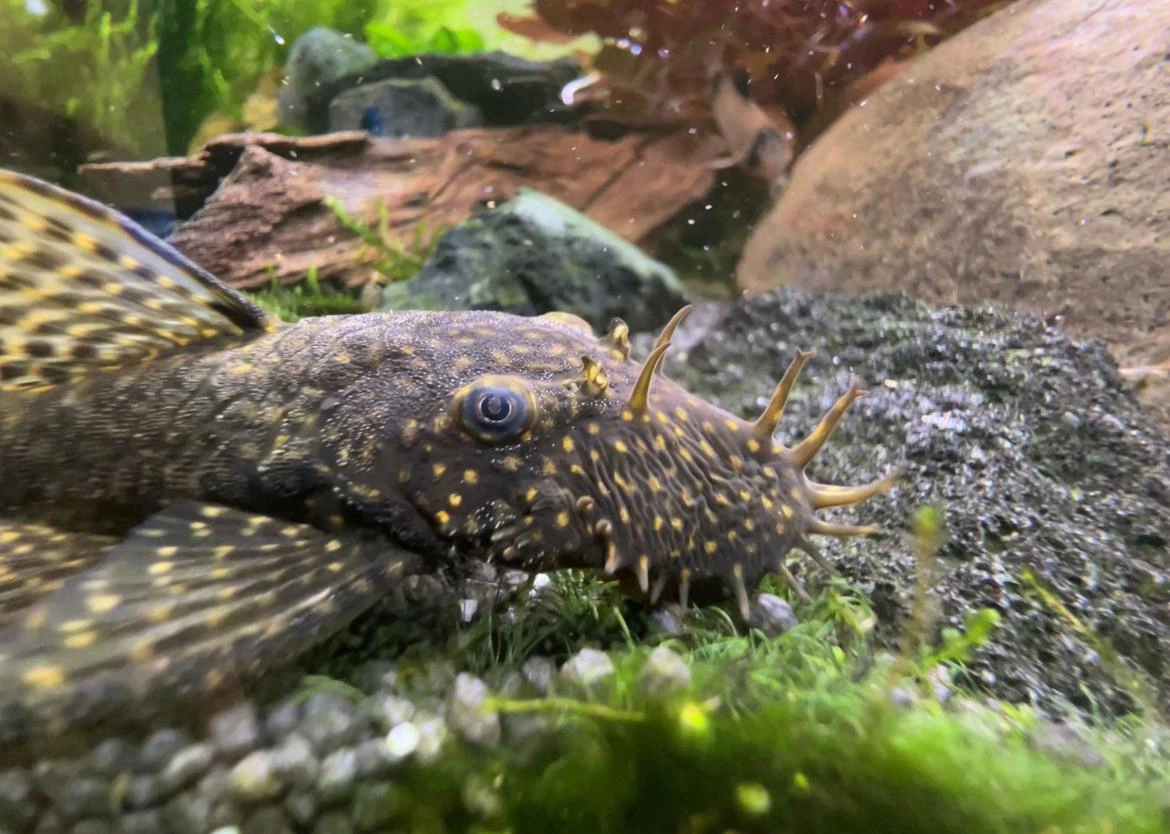
Ancistrus sp.
Excellent algae eater. Needs driftwood for rasping. Much better choice than common pleco.
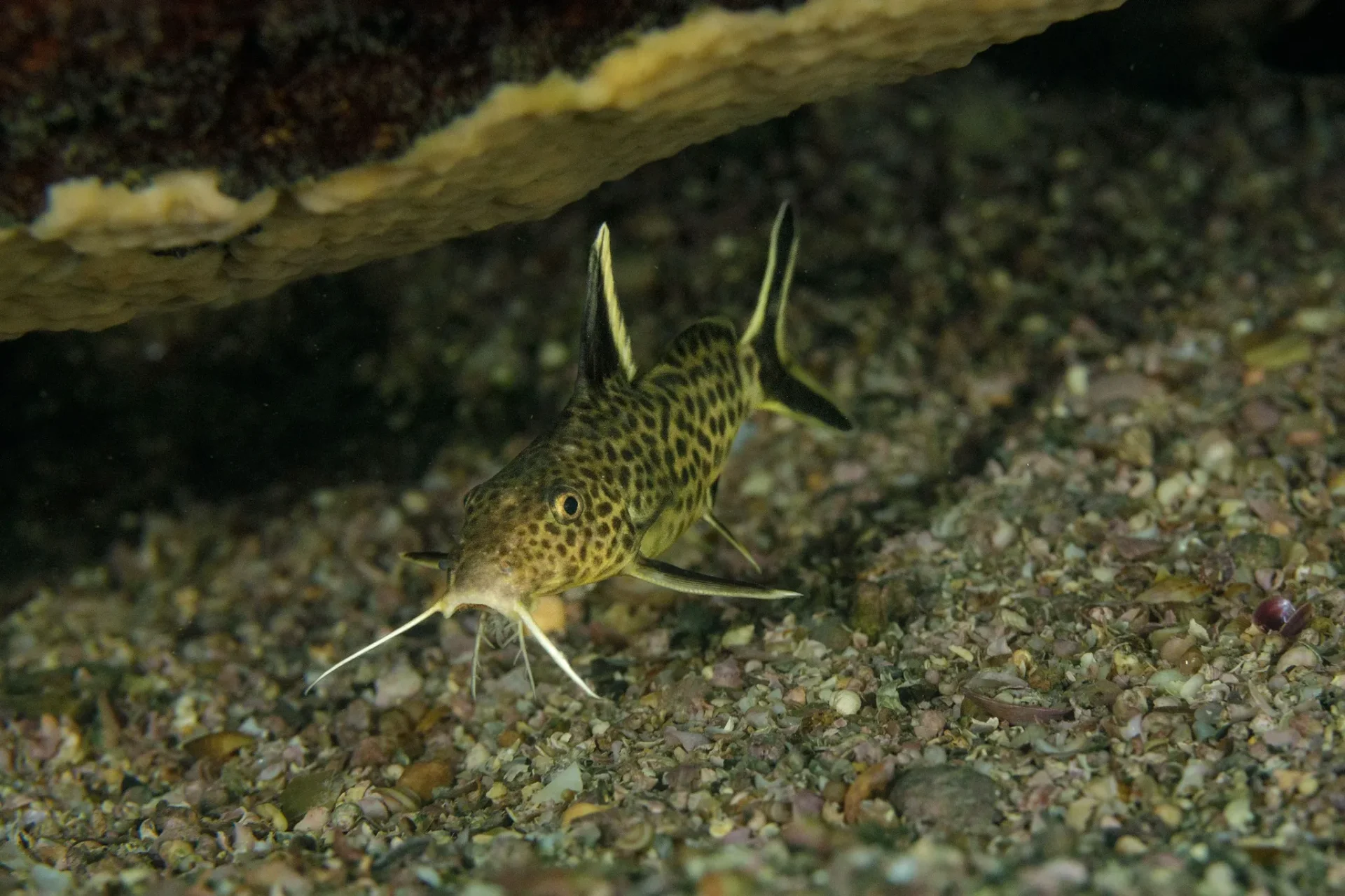
Synodontis petricola
From Lake Tanganyika. Prefers hard, alkaline water. One of smaller Synodontis species. Good for African cichlid tanks.
Livebearers
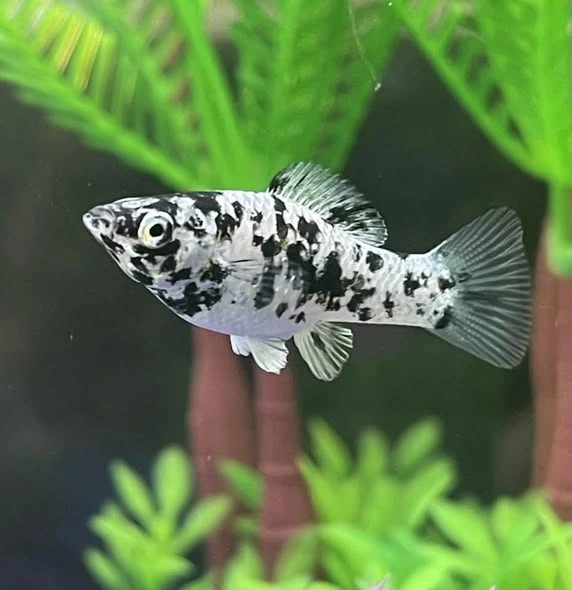
Poecilia sphenops
Prefer hard, alkaline water. Can tolerate brackish conditions. High bioload for their size.

Xiphophorus hellerii
Males can be aggressive to each other. Keep 1 male to 2-3 females. Strong jumpers, need secure lid.
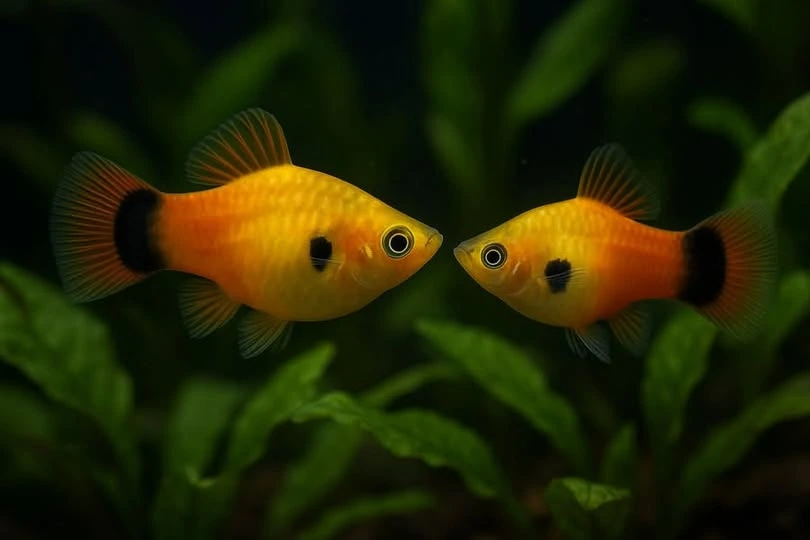
Xiphophorus maculatus
Hardy and adaptable. Good algae eaters. Will interbreed with swordtails.
Invertebrates
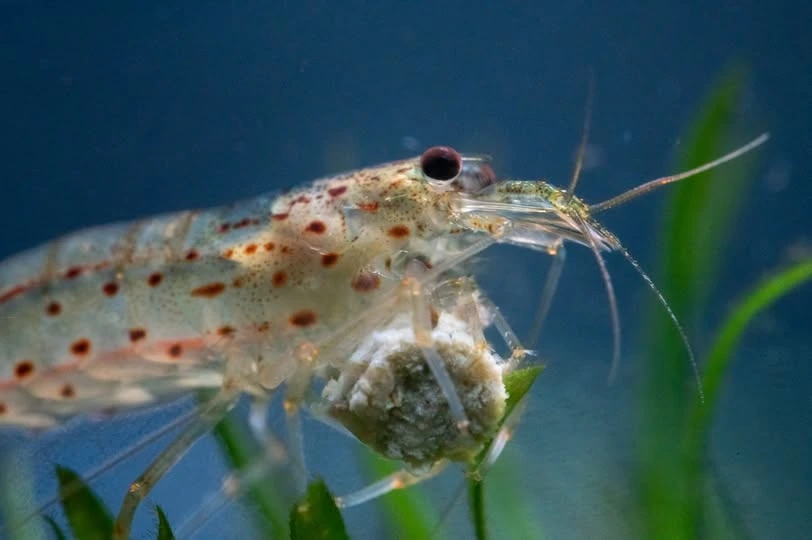
Caridina multidentata
Best algae-eating shrimp. Cannot breed in freshwater. Sensitive to copper medications.
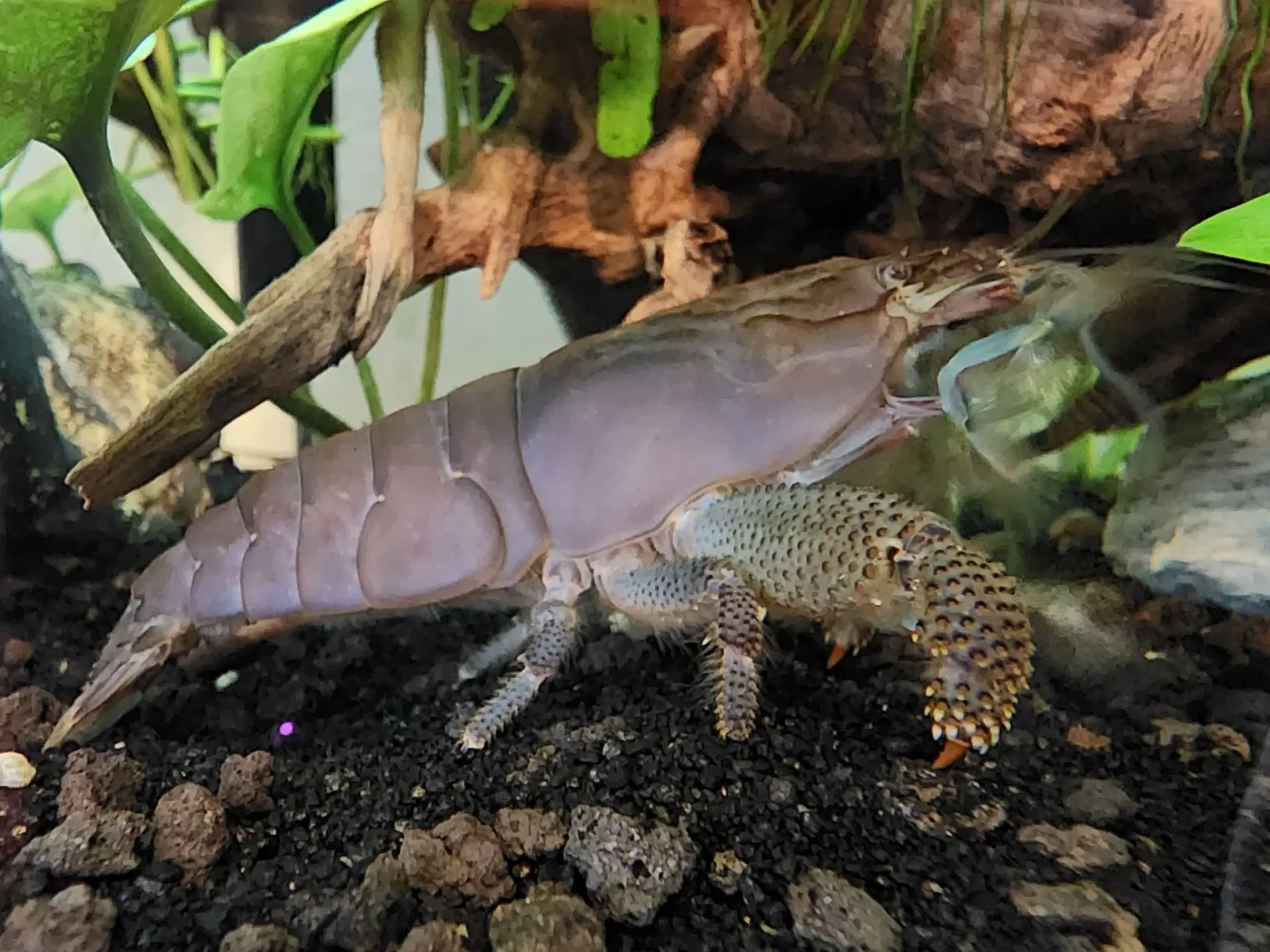
Atya gabonensis
Filter feeder, fans water for particles. Needs current and fine foods. Impressive size for freshwater shrimp.
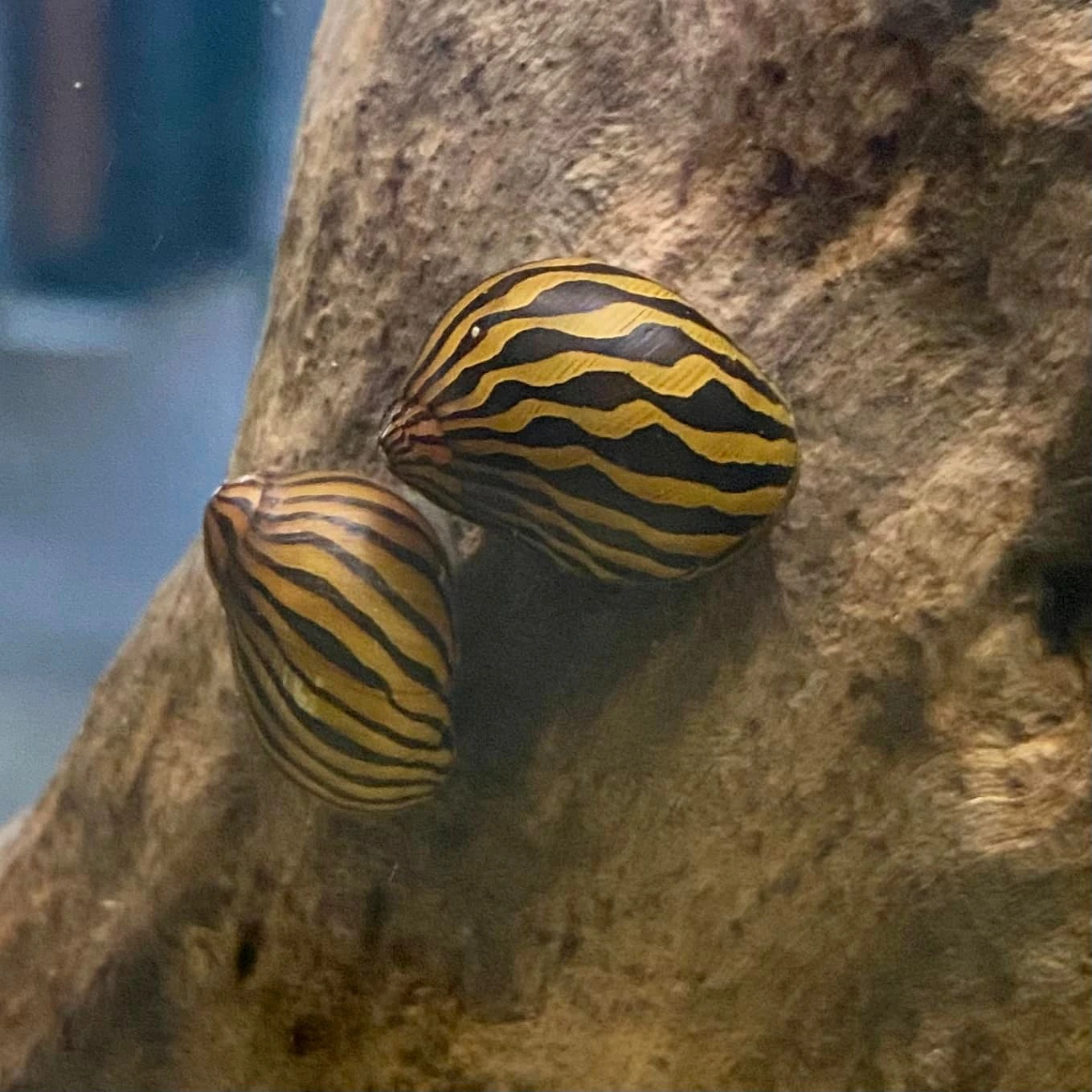
Neritina sp.
Excellent algae eaters. Cannot reproduce in freshwater. May lay white eggs on decor. Need calcium for shells.
Biggest Fish for a 90 Gallon Tank
Ninety gallons is where the aggressive New World heavyweights start to fit — oscars, green terrors, jack dempseys. The species below are the largest the database clears for this volume, and they define the tank rather than share it.
Astronotus ocellatus
Grows rapidly and produces enormous waste. Will eat anything that fits in mouth. Develops personality.
Andinoacara rivulatus
Stunning iridescent coloration. Very aggressive, especially females. Needs robust tankmates or solo keeping.
Rocio octofasciata
Named after famous boxer for aggressive nature. Electric Blue variant is less aggressive and smaller.
Heros efasciatus
Sometimes called 'poor man's discus'. Relatively peaceful for size. Gold and green color variants available.
Stocking Ideas for a 90 Gallon Tank
These builds are validated by the stocking calculator against a 90 gallon volume, so you're reading real bioload figures and genuine compatibility warnings — critical when a single oscar can quietly dominate the whole waste budget.
Molly Community
A comfortably stocked 90-gallon setup: 6 Molly and 8 Amano Shrimp.
Congo Tetra Community
A comfortably stocked 90-gallon setup: 9 Congo Tetra and 8 Amano Shrimp.
Platy Community
A comfortably stocked 90-gallon setup: 14 Platy and 8 Amano Shrimp.
- Platy×14
- Amano Shrimp×8
How Many Fish Can You Keep in a 90 Gallon Tank?
At about 341 litres, a 90 gallon has real capacity — but a single oscar can use most of it. The math is bioload-driven: one big messy cichlid may equal thirty small schoolers in filtration demand. The combos below show the gap between a lightly-stocked community and a predator tank running near its limit.
341 L
actual water volume
90 US gallons at the glass
190
suitable species
from our database at this size
Bioload > inches
what actually matters
the inch-per-gallon rule is a myth
Fish to Avoid in a 90 Gallon Tank
A 90 gallon is large enough that owners assume anything fits — it doesn't. Each fish below still exceeds the minimum tank size on its own profile, with the shortfall shown on the card.
At 45 cm and enormous waste output, it will out-pollute even a well-filtered 90 gallon.
A group of foot-long loaches needs more length and volume than a 90 can provide long term.
A shoal of 35 cm sharks needs a much longer tank to swim without injury.
A colony cichlid that wants a six-foot tank; a 90 is too short for a proper group.
Reaches over a metre and eats tankmates whole — a public-aquarium fish, not a home one.
Grows to a metre and needs pond-scale space no 90 gallon can offer.
Plants for a 90 Gallon Tank
At 90 gallons you can fill the back wall with tall rooted plants and still leave open swimming space up front.
- Vallisneria — Low light, fast growth, no CO2 needed
- Amazon Sword — Medium light, medium growth, no CO2 needed
- Java Fern — Low light, slow growth, no CO2 needed
- Anubias — Low light, slow growth, no CO2 needed
- Hornwort — Low light, fast growth, no CO2 needed
- Water Lettuce — Medium light, fast growth, no CO2 needed
Browse the full plant database for care requirements on every species.
90 Gallon Setup Notes
For a 90 gallon: budget for heavy filtration, plan larger water changes, and choose between a warm discus build or a hard-water cichlid tank early.
Ready to stock your 90 gallon?
Check compatibility, bioload, and capacity for your exact setup.